Nothing ruins a quiet morning like a compact espresso machine making loud noise that sounds like a jackhammer fighting a tea kettle. You press the brew button, and instead of a gentle hum, you get a screech, a rattle, or a bang that makes you wonder if the machine is about to take off. I have been there with a cheap machine and a high-end one, and the panic is the same.
Here is what you will learn in this guide: how to figure out exactly which part is making the racket, how to fix the common culprits at home, and when you need to stop poking around and call a professional. I will break this down like a mechanic’s diagnostic flowchart, so you move from ‘loud noise’ to ‘specific fix’ without replacing parts that were fine.

Tillbrook
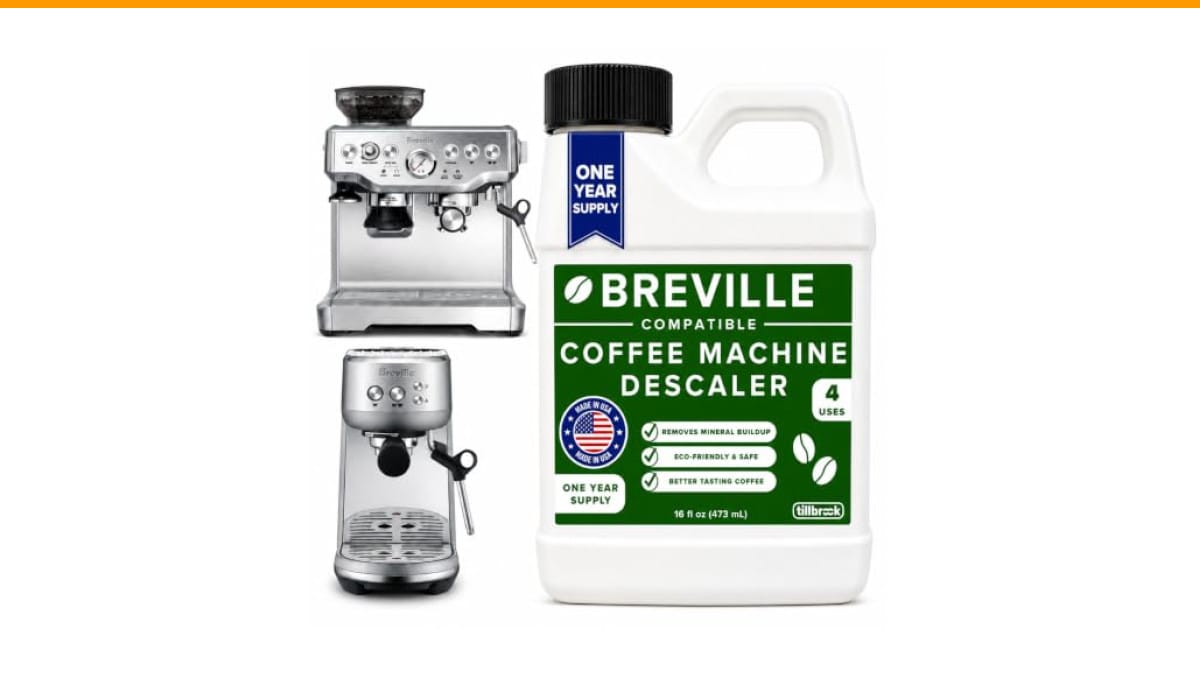
Breville Espresso Machine Compatible Descaler, 4 Uses,…
- EXCEPTIONAL RESULTS: Introducing Tillbrook Coffee Machine Descaler specifically formulated for Breville—the best choice for removi…
- 1 YEAR SUPPLY: Our concentrated formula is easy to use and provides remarkable value with 4 cleanings per bottle. Simply add 1/2 c…
- SCIENTIFICALLY ENGINEERED: Our advanced descaling solution is carefully crafted with powerful, all-natural ingredients that remove…
As an Amazon Associate I earn from qualifying purchases.
One quick note before we start. Many loud noises trace back to mineral scale inside the boiler or valves. If you have not descaled in a few months, that is often the whole story. A product like Tillbrook's Breville-compatible descaler handles four cleanings per bottle, which is a year of maintenance for most home users. It is a cheap fix compared to a repair bill.
Quick Answer: Why Is My Espresso Machine So Loud?
Most compact machines use a vibration pump, not a rotary pump. A vibration pump is a small electromagnetic piston that oscillates 50 to 60 times per second. That design is inherently noisy. It buzzes, it hums, and it can rattle against the chassis if the rubber mounts wear out.
The other big noise source is scale. Hard water leaves calcium and magnesium deposits inside the boiler and the solenoid valve. Those deposits restrict water flow, which makes the pump work harder and scream, and they can cause the valve to click or chatter.
So, in short: loud buzzing usually means pump or scale. Loud hissing usually means steam wand blockage. Loud knocking or clicking usually means boiler or valve issues. Let’s get specific.
Step 1: Diagnose the Noise by Location (Pump vs. Boiler vs. Steam Wand)
Before you unscrew anything, you need to know where the sound is coming from. Your ears are decent, but they are not precise. Use a cardboard tube or a long screwdriver pressed to your ear (the handle, not the metal tip) and touch it to different parts of the machine while it runs. A mechanic’s stethoscope works even better.
This isolation tactic takes two minutes and saves you from replacing the wrong part. I once spent an afternoon chasing a rattle that turned out to be a loose drip tray, not anything internal.
Is it the Vibration Pump or the Brewing Group?
Run a shot with the portafilter locked in but no coffee. If the noise comes from the bottom or side of the machine, it is likely the pump. If the noise comes from the group head (where the portafilter locks in), it is likely the solenoid valve or the brew boiler.
Put your hand on the machine while it runs. Do you feel a strong vibration in the chassis? That is the pump. Does the vibration feel localized near the group head? That points to the valve.
Is it the Steam Wand or the Boiler?
Turn on the steam mode and open the wand fully. If you hear a high-pitched whine or a scream, that is steam escaping through a partially blocked tip. Dried milk residue is the usual culprit. If you hear a rumbling or knocking sound coming from inside the body, that is the heating element working against scale in the boiler.
This distinction matters because the fixes are completely different. A blocked wand needs a soak in hot water, while a scaled boiler needs a full descale cycle.
Fixing Pump Noise: Buzzing, Rattling, and Grinding
Pump noise has three flavors, and each one tells you something different.
Priming the Pump After an Empty Tank
If the water tank ran dry, the pump is pulling air. That produces a loud, rapid, grinding noise. The fix is simple: fill the tank, then run water through the steam wand until a steady stream comes out. That primes the pump and pushes the air out of the lines.
This is also the ‘first use’ phenomenon. A brand-new machine is loud for the first few shots because air sits in the lines and factory lubricants need to work their way out. Give it a day or two of normal use before you assume something is broken.
Replacing Worn Pump Dampeners and Mounts
Vibration pumps sit on rubber grommets or dampeners. Over time, those rubber bits harden and crack. When they fail, the pump’s vibration transfers directly into the chassis, causing a loud rattle that was not there before.
You can buy replacement dampeners for around ten to twenty dollars. The pump itself rarely fails; it is almost always the mounts. If the machine is a few years old and the noise started suddenly, check the mounts first.
Fixing Steam Wand Noise: Hissing, Screaming, and Whistling
A steam wand that hisses loudly or screams is a blocked nozzle. The wand needs to vent steam at a certain rate. When the tip is clogged with dried milk, the steam backs up and makes a piercing sound.
Clearing Scale from the Steam Tip and Valve
Remove the tip from the wand and soak it in a small cup of hot water with a descaling solution for 15 minutes. Use a pin or a paperclip to poke out any hardened milk residue. Rinse it well and reattach.
If the tip is clear but the noise persists, the blockage is deeper in the steam valve. That requires a descale. Run a descaling cycle per the manufacturer’s instructions. If you have not done this in a while, check our descaling guide for the full process.
Fixing Boiler and Valve Noise: Knocking and Clicking
Boiler noise is less common but more serious. A knocking sound inside the boiler often means scale has built up on the heating element. The element heats, the scale expands and contracts at a different rate than the metal, and you hear a ticking or knocking. This is a classic sign that you have hard water and have been skipping maintenance.
Solenoid Valve Clicking vs. Heating Element Rumbling
The solenoid valve is the part that releases pressure after you stop the shot. A single click at the end of a shot is normal. A rapid, repeated clicking or chattering during the shot is not. That usually means the valve is sticking, again due to scale.
If you hear a low rumble or a knocking that continues after the pump stops, that is the heating element. Turn the machine off immediately. Running it in this state can burn out the element. Descale the machine, and if the noise persists after a clean cycle, the element may need replacement.
Water chemistry matters here. Calcium scale is hard and brittle, causing a sharp knocking. Magnesium scale is softer and often causes a higher-pitched screech. If you know your water is high in one or the other, you can predict the sound. Either way, the fix is the same: descale.
The Maintenance Schedule That Prevents Loud Noises
Loud noises are a symptom, not the disease. The disease is neglect. Here is a schedule that keeps things quiet.
- Descale every 3 to 4 months, or more often if you have hard water. A product like the Tillbrook descaler makes this easy with a concentrated formula that you dilute with water.
- Backflush once a week if you use dark roasts or oily beans. This cleans the group head and solenoid valve. Our deep cleaning guide covers the method.
- Wipe the steam wand tip with a damp cloth immediately after each use. Do not let milk dry on it.
- Use filtered water. A simple pitcher filter reduces the mineral load that causes scale.
| Noise Type | Likely Cause | Quick Fix | Time Needed |
|---|---|---|---|
| Loud buzzing (during brew) | Vibration pump, air in lines, or worn mounts | Prime the pump, then check/replace rubber dampeners | 5-30 minutes |
| High-pitched whine (steam) | Blocked steam tip or valve | Soak tip in hot water, descale machine | 15-45 minutes |
| Knocking/clicking (internal) | Scale on heating element or solenoid valve | Run a full descale cycle | 30-60 minutes |
| Rattling (general) | Loose drip tray, loose panels, or loose screws | Tighten all visible screws and clips | 5 minutes |
| Grinding (no water) | Empty tank, pump pulling air | Fill tank, run water through steam wand | 2 minutes |
When to Stop DIY and Call a Professional (Safety First)
Some fixes are beyond the home user. If you have descaled, primed the pump, and replaced the mounts, but the machine still sounds like a blender, stop. Opening the boiler or messing with the heating element carries real risks, including electric shock and steam burns.
A good rule: if the machine is still under warranty, do not take it apart. You will void the warranty. Contact the manufacturer or an authorized repair center. If the machine is old and out of warranty, a professional repair might cost more than a replacement. Get a quote before you commit.
One more tip: record the noise on your phone. A short video clip of the sound, with the machine running and the camera close to the source, helps a technician diagnose the issue remotely. It saves you a trip and them a guess.
Frequently Asked Questions (FAQs)
Why is my new espresso machine so loud?
New machines have air in the lines and factory lubricants that need to circulate. The vibration pump is also naturally noisy. Run a few water-only cycles through the group head and steam wand. If the noise does not settle down after a day of use, check the pump mounts for shipping damage.
Can I use a regular descaler on my compact espresso machine?
You can, but check the label. Some descalers are not suitable for aluminum boilers, which many compact machines use. A descaler specifically formulated for espresso machines, like the Tillbrook product mentioned above, avoids that risk. When in doubt, follow your machine’s manual.
Why does my espresso machine make a loud noise only when brewing, not when steaming?
That points to the brew path, not the steam path. The noise is likely the vibration pump working against pressure, or a partially clogged solenoid valve. Backflush the group head and check the pump mounts. If the noise is a high-pitched screech, descale the machine.
Is a loud espresso machine a sign it is about to break?
Not always. Many loud noises are just scale or air. But a sudden, severe noise change, especially a knocking from the boiler, is a warning. Ignoring it can lead to a burned-out heating element or a cracked boiler. Address the noise sooner rather than later.
How do I know if the noise is from the pump or the boiler?
Use a cardboard tube or screwdriver as a stethoscope. Touch it to the side of the machine near the pump (usually the bottom or back) and then near the boiler (usually the top or middle). The pump makes a rapid buzzing. The boiler makes a slower knocking or rumbling. Listen for the difference.
The Bottom Line: Listen Before You Panic
Here is what I want you to take away from this guide.
- Identify the location first. Use a tube or stethoscope to isolate the sound.
- Prime the pump if the tank ran dry. That fixes many grinding noises.
- Descale regularly. Scale causes most screeching, clicking, and knocking.
- Replace pump dampeners if the rattle is in the chassis.
- Soak a blocked steam tip in hot water before you do anything else.
- Record the noise on your phone for a technician if DIY fails.
- Call a professional if the noise continues after a full clean and descale.
A compact espresso machine making loud noise is rarely a death sentence. It is usually a cry for maintenance. Listen to it, give it a clean, and you will likely get years of quiet mornings back.
Products related to this article
Sponsored / affiliate links. As an Amazon Associate I earn from qualifying purchases. I may earn additional commission from eligible campaigns.
 Coffee Espresso Machine Handle Replacement Parts, Cafe Bracket Handle for Lidl Silvercrest CM4621 CM4218 KF5002 KF500S Barista (for 51mm Portafilter Basket - Not included)
 Linnkyfloa Coffee Espresso Maker Handle Replacement for Stovetop Moka Pot or Percolator, Black Plastic for Spare Part Compatible with Italian(9-12 Cup)
 Wrenmor Replacement Handle For Coffee Espresso Moka Stove Pot, Black Plastic Accessory Compatible With 1/3/6/9/12 Cup Sizes For Easy Installation And Long-Lasting Use(1 Cup)