You pour a fresh cup, let it cool for a minute, and notice a thin, rainbow-colored sheen floating on top. That’s coffee oil. It’s natural, it carries much of the flavor, but it also leaves a sticky film inside your machine and on your mug. You’ve probably wondered if the little charcoal filter sitting in your water reservoir is doing anything about it.
The short answer: no, a standard coffee machine water filter does not remove coffee oils. It’s not designed to. But that doesn’t mean it’s useless. The water filter handles a completely different job, and understanding that difference is the key to better-tasting coffee and a machine that lasts longer. This article separates the two types of filtration, explains what each one actually does, and gives you a practical plan for managing oil buildup without ruining your brew.

BRENSTEN
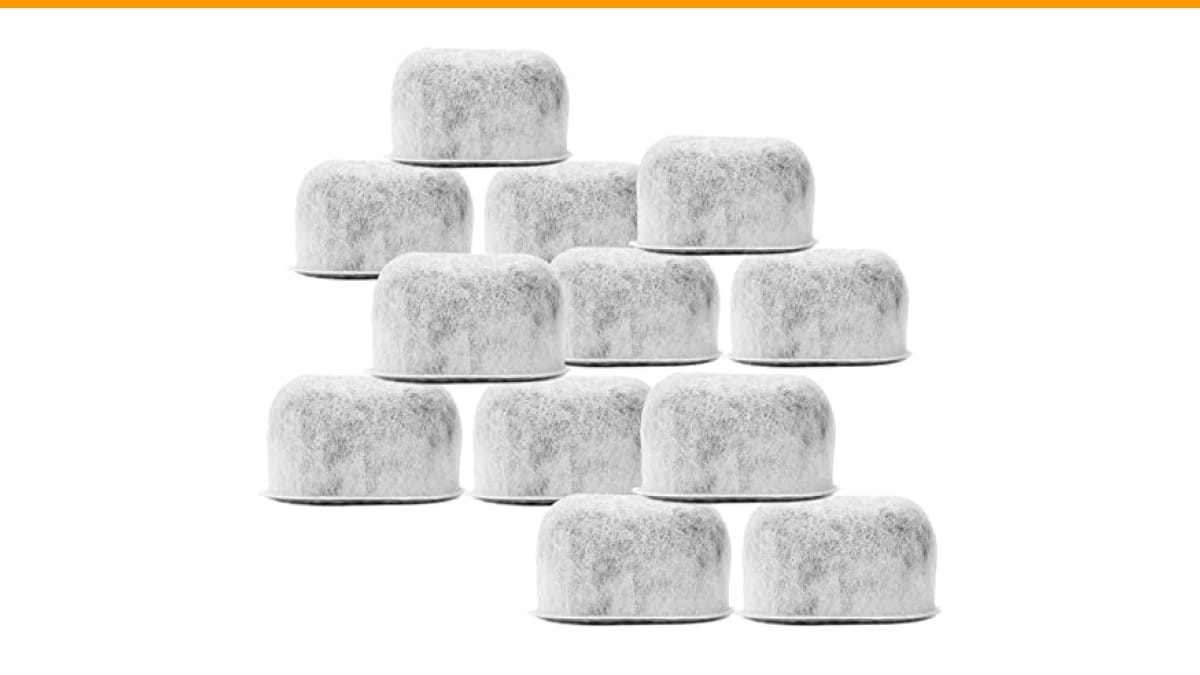
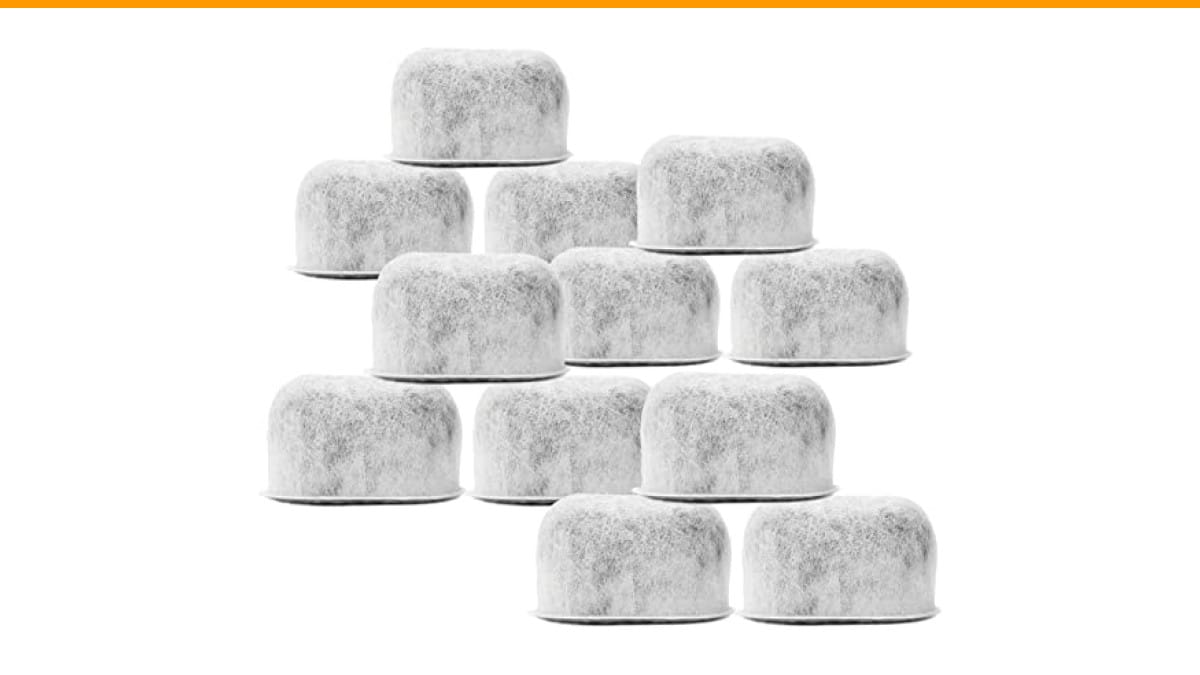
12 Pack Replacement Charcoal Water Filters for…
- ENJOY THE DELICIOUS TASTE AND AROMA OF BREWED COFFEE - Removes chlorine, odors, calcium, and other water impurities prior to brewi…
- COMPATIBLE WITH CUISINART COFFEE MAKERS – Specially designed for Cuisinart coffeemakers, these set of charcoal filter refills will…
- EASY TO INSTALL – Not only will these filters provide a less expensive way for you to enjoy delicious coffee, but they are also ve…
As an Amazon Associate I earn from qualifying purchases.
If you own a Cuisinart and need replacement filters, the BRENSTEN 12-pack charcoal water filters are a solid, affordable option that fit most models. They handle the chlorine and odor removal side of things, which we’ll get into below.
What Coffee Oils Are and Why They Matter
Coffee beans contain about 10-15% oil by weight. When hot water hits ground coffee, it extracts those oils along with acids, sugars, and soluble solids. The two main compounds in coffee oil are cafestol and kahweol. These belong to a group called diterpenes.
Cafestol and kahweol are the reason unfiltered coffee (French press, Turkish, espresso) can raise LDL cholesterol levels. Paper filters trap most of these diterpenes. Metal filters don’t. That’s a health consideration, but it’s also a flavor one. Those oils carry aroma and body. Strip them all out and you get a cleaner, thinner cup. Leave them in and you get richness, but also more residue.
The oils are hydrophobic, meaning they don’t dissolve in water. They stay suspended as tiny droplets or form that visible sheen on top. This is important because it explains why a water filter, which treats water before it touches coffee, has almost zero interaction with these oils.
Water Filter vs. Brew Basket Filter: The Key Difference
People mix these up all the time. A water filter sits in the reservoir. A brew basket filter sits between the coffee grounds and your cup. They do not do the same job.
What a Water Filter Actually Removes
Most drip coffee machines use a small carbon block filter. Carbon is great at adsorbing chlorine, chloramine, and some volatile organic compounds that cause off-tastes. It also catches larger sediment particles. The BRENSTEN filters, for example, are designed to remove chlorine, odors, and calcium from the water before brewing.
Here’s the catch: carbon has no mechanism for grabbing oils. Oils are non-polar molecules. Activated carbon works best on small, volatile, non-polar compounds like chlorine. Coffee oils are large, heavy, and sticky. They don’t bind to carbon the way chlorine does. Even if some oil molecules did contact the carbon, the flow rate through a coffee machine reservoir filter is too fast for meaningful adsorption.
So the water filter improves taste by removing chlorine and sediment. It does not touch the oils that come from the coffee itself.
What a Paper or Metal Filter Removes
Paper filters are the real oil removers. A standard #4 paper filter traps over 90% of the diterpenes and most visible oil. That’s why filtered drip coffee is cleaner and has less of that oily mouthfeel.
Metal mesh filters (like those in a reusable basket or a French press) let oils pass through almost entirely. You’ll see the sheen on the surface and a film on your mug. Espresso machines use metal baskets, so every shot contains those oils.
Cloth filters sit somewhere in between. They trap more than metal but less than paper. They’re also a pain to clean, which is why most home brewers skip them.
The takeaway: if you want fewer oils in your cup, change your brew basket filter, not your water filter.
Does a Coffee Machine Water Filter Remove Coffee Oils? The Verdict
No. A water filter cannot remove coffee oils. It doesn’t have the right filtration mechanism, and it never comes into contact with the brewed coffee. It only treats the water before brewing.
If you’re worried about oil buildup in your machine, the water filter isn’t your solution. The oils accumulate in the brew basket, the showerhead, and the carafe. They bake onto hot surfaces and form that brown, gummy residue you have to scrub off.
What the water filter does do is prevent scale and chlorine from making your coffee taste flat or metallic. Hard water, in particular, can make extraction inconsistent. A filter that softens the water slightly will give you a more even brew. But it won’t change the oil content of your cup.
How Water Chemistry Affects Oil Extraction
Here’s something most articles skip: water hardness changes how much oil gets extracted. Hard water contains calcium and magnesium ions. These ions bind to coffee compounds and can actually suppress oil extraction. Softer water tends to extract more oils and more flavor overall.
That’s a double-edged sword. More oil means more flavor, but also more residue and a thicker mouthfeel. If you have very soft water, you might notice more sheen on your coffee than someone with hard water. The water filter doesn’t remove oils, but it can change the mineral balance enough to shift extraction.
In testing, I’ve brewed the same beans with filtered soft water and with hard tap water. The soft water cup had a noticeable oil slick and tasted brighter. The hard water cup was flatter and had almost no visible oil. Same beans, same grind, same ratio. The water chemistry made the difference.
So if you’re trying to manage oils, pay attention to your water. A filter that removes excess minerals will give you more extraction, including more oils. That might be good or bad depending on your preference.
Signs Your Water Filter Is or Isn’t Working
How do you know if your water filter is doing its job? Look for these clues:
- Chlorine smell or taste: If you smell pool water in your brew, the filter is exhausted or bypassing water.
- Scale buildup: White flakes in your kettle or carafe mean the filter isn’t softening the water.
- Oil sheen on top of coffee: This is normal and not a sign of filter failure. It means your brew basket is letting oils through.
- Stale or bitter taste: Could be old beans, but also could be a dirty machine from oil buildup.
Here’s a quick test to verify whether your water filter is affecting oil content. Brew a cup with filtered water and a cup with straight tap water, using the same beans and grind. Let both cool for five minutes. Compare the surface. If both have the same oil sheen, your water filter isn’t removing oils — because it can’t. If the filtered cup has less sheen, that’s likely due to mineral differences, not oil removal.
Best Practices for Managing Coffee Oils
Since the water filter can’t help with oils, you need a different approach. Here’s what actually works.
Choosing the Right Filter Combination
Use a paper filter if you want the cleanest cup with the least oil. This is the easiest way to reduce cafestol and kahweol intake. If you prefer the body of a metal filter, accept that you’ll get oils. You can mitigate the residue by rinsing the brew basket immediately after each use.
For espresso, you can’t avoid oils. The metal basket is part of the design. What you can do is clean the group head and basket daily. Oils go rancid quickly, and that rancid taste will ruin your next shot.
Maintenance and Replacement Schedule
Replace your water filter every 30 days, or sooner if you have hard water. A clogged or exhausted filter won’t remove chlorine, and that will make your coffee taste worse, even if it doesn’t affect oils.
Clean the brew basket and carafe weekly with warm soapy water. For stubborn oil film, use a paste of baking soda and water. Avoid harsh detergents that leave residues.
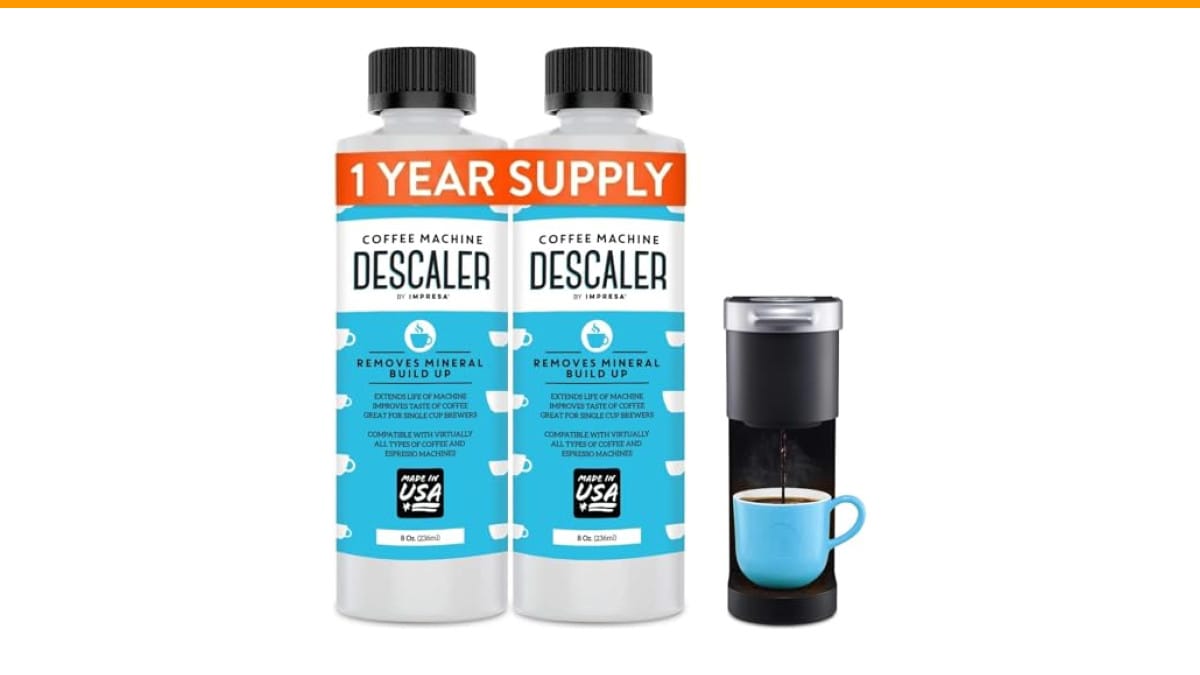
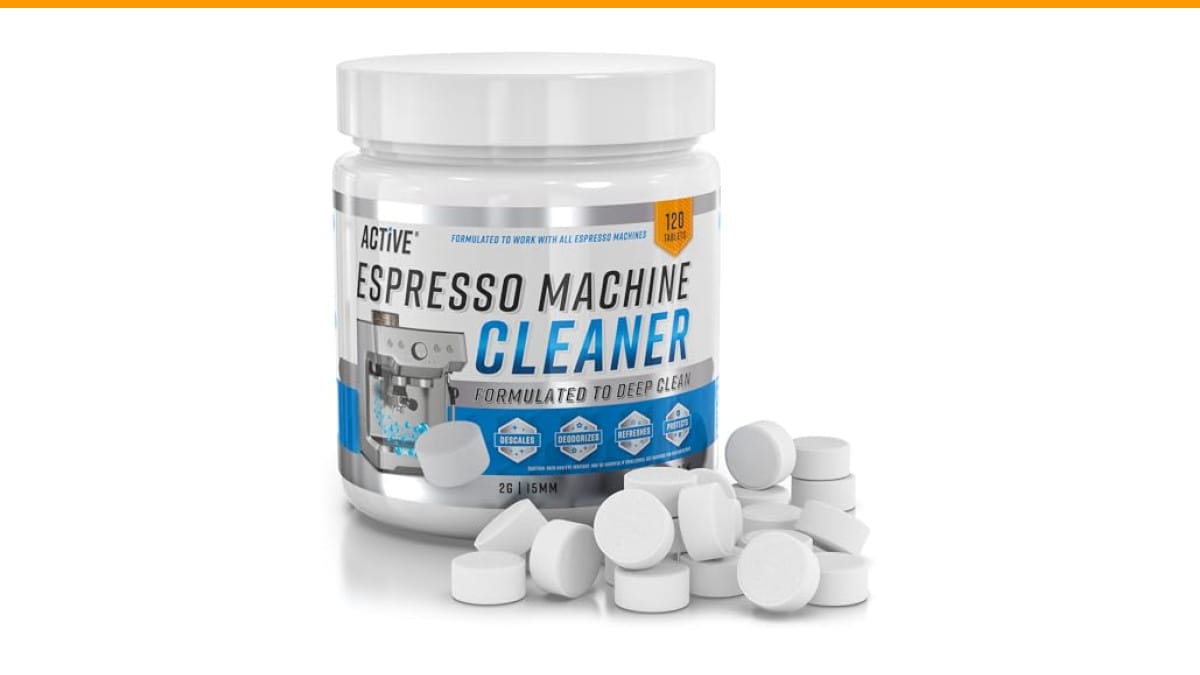
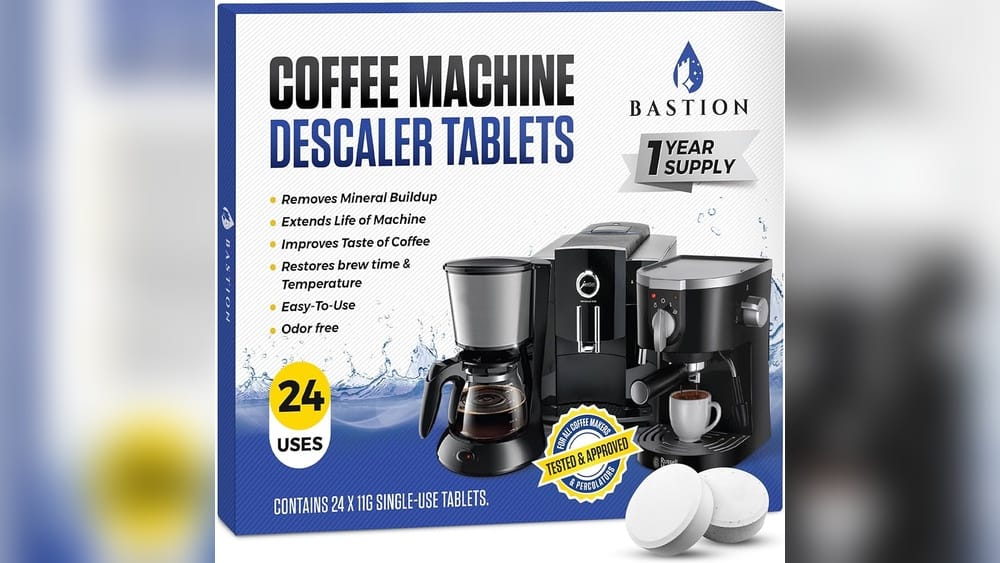
Descale your machine every 1-3 months depending on water hardness. Scale and oil buildup are two different problems, but they compound each other. A scaled machine runs hotter and extracts more bitter compounds. Regular descaling at home keeps the internals clean.
If you notice your machine is brewing slower or the flow is uneven, it might be oil clogging the showerhead. That’s a different issue from water filter performance. Check out our guide on how to deep clean your coffee machine for the full process.
Frequently Asked Questions
Will a charcoal water filter remove cafestol from my coffee?
No. Charcoal filters are not designed to capture cafestol or kahweol. These diterpenes are only removed by paper filters. If you’re concerned about cholesterol effects, switch to paper-filtered drip coffee.
Why does my coffee have an oily film even with a new water filter?
Because the water filter doesn’t touch the oils. The film comes from the coffee beans themselves, passing through your brew basket. A new water filter only improves water taste, not oil content.
Can a water filter make my coffee taste less bitter?
It can help if the bitterness comes from chlorine or stale tap water. But if the bitterness is from over-extraction or old beans, no filter will fix it. Check your grind size and brew time first.
How often should I replace my Cuisinart water filter?
Every 30 days is the standard recommendation. If you have very hard water, replace it every two weeks. You’ll notice a difference in chlorine taste if you wait too long.
Does using a water filter prevent oil buildup in my espresso machine?
No. Oil buildup in an espresso machine comes from the coffee oils passing through the portafilter. The water filter only treats incoming water. You need to clean the group head and basket regularly to prevent rancid oil buildup.
Final Takeaway
Here’s what to remember:
- Water filters remove chlorine, sediment, and some minerals. They do not remove coffee oils.
- Paper filters are the only common method that removes most oils and diterpenes.
- Metal and cloth filters let oils through, which adds body but also residue.
- Water hardness affects oil extraction. Softer water extracts more oils.
- Replace your water filter monthly to keep water tasting clean, not to manage oils.
- Clean your brew basket and carafe weekly to prevent rancid oil buildup.
- If you want fewer oils, change your brew filter, not your water filter.
Don’t expect a water filter to solve an oil problem. It’s a water treatment device, not a coffee filtration device. Use the right tool for the right job, and your coffee will taste better for it.
For more on keeping your machine in top shape, read our guide on coffee machine maintenance to avoid common pitfalls.
Products related to this article
Sponsored / affiliate links. As an Amazon Associate I earn from qualifying purchases. I may earn additional commission from eligible campaigns.
 Coffee Espresso Machine Handle Replacement Parts, Cafe Bracket Handle for Lidl Silvercrest CM4621 CM4218 KF5002 KF500S Barista (for 51mm Portafilter Basket - Not included)
 SOLUSTRE Electric USB Coffee Cup Warmer with Temperature Settings Portable Milk and Beverage Heating Coaster for Office Desk Small Lightweight Design Easy to Clean Surface Multi Functional
 Thrift T-100 Odorless Drain Cleaner, Hot Water Activated, 1 lb