That first cup of the morning shouldn’t sound like a construction site. When your drip coffee maker starts groaning, hissing, or rattling, it’s tempting to just unplug it and grab a paper cup on the way to work. But most of those noises are your machine trying to tell you something specific. Some are a five-minute fix. Others mean the machine’s days are numbered.
This guide breaks down each common noise, what causes it, and exactly what it costs to fix. You’ll walk away knowing whether to grab a bottle of vinegar or start shopping for a replacement. I’ve tested dozens of drip machines over the years, and I’ve learned that noise is often the first symptom of a bigger problem.

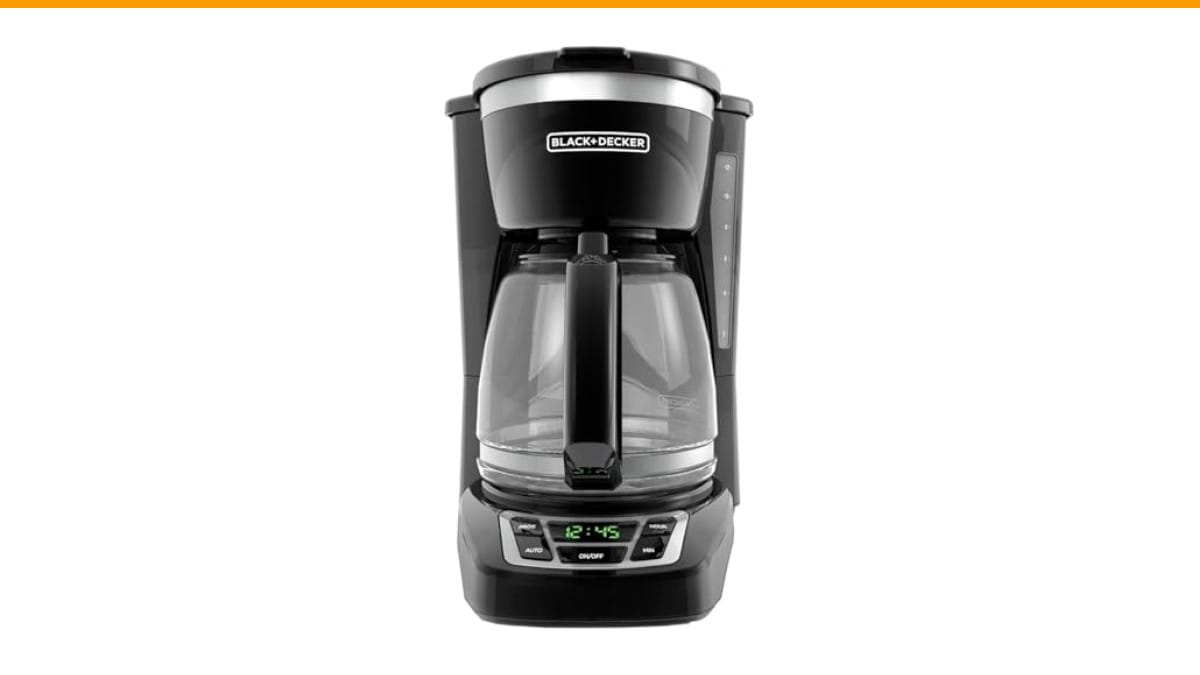
BLACK+DECKER
BLACK+DECKER 12-Cup Drip Coffee Maker with Vortex…
- 12-CUP DURALIFE GLASS CARAFE: The sturdy 12-cup* carafe has measurement markings for accurate filling and an easy-grip handle for…
- SNEAK-A-CUP FEATURE TO PREVENT DRIPS: This feature temporarily stops the flow of coffee so you can pour your first cup before brew…
- EASY-VIEW WATER WINDOW: The front-facing window shows you the exact amount of water that will turn into coffee, and the brew baske…
As an Amazon Associate I earn from qualifying purchases.
If you’re dealing with a noisy machine and you’re not ready to replace it yet, a solid workhorse like the BLACK+DECKER 12-Cup Drip Coffee Maker with Vortex Brewing is a good benchmark for what a normal, quiet brew cycle should sound like. It uses a simple heating system that doesn’t have the high-pitched pump whine you’ll find on some pricier models.
Decode the Noise: A Quick Diagnostic Chart
Before you take anything apart, listen carefully. Each sound points to a different part of the machine. Here’s the short version:
- Gurgling or spitting: Water is struggling to pass through the brew basket or the water line. Usually scale or a clog.
- High-pitched whine: The pump is working too hard, often due to an air lock or a mineral buildup.
- Rattling or vibrating: Loose screws, a warped carafe, or the machine is just sitting on an uneven surface.
- Grinding or clicking: Could be the heating element cycling, or debris caught in the brew basket mechanism.
Don’t assume a single sound has a single cause. A gurgle can turn into a whine as the scale builds up over several weeks. The table below maps the noise to the most likely culprit and the cost to fix it.
Fix 1: Gurgling & Spitting — The Scale and Clog Fix
Gurgling is the most common noise I hear from drip makers. It sounds like the machine is trying to swallow a marble. That’s air mixing with water in the heating tube. It happens when mineral deposits, usually calcium carbonate, narrow the water line. The water boils, creates steam bubbles, and you get that sputtering sound.
The fix is descaling. You need to remove the scale, not just rinse the carafe. A descaling cycle clears the water line and the heating element. If you skip this, the gurgling gets louder, and the brew time gets longer because the water takes longer to pass through the narrowed tube.
The Vinegar vs. Citric Acid Descale Showdown
White vinegar is the cheap standard. Mix one part vinegar with two parts water, run a full brew cycle without coffee, then run two or three clean water cycles to rinse it out. It works, but it leaves a smell that can linger for a few days. I’ve found that smell annoying, especially on machines with plastic reservoirs.
Citric acid powder is my preference. It’s a food-grade acid that dissolves scale faster than vinegar, and it leaves no odor. Use about two tablespoons per quart of water. Run the same cycle. The downside is it costs a few dollars more, but the lack of smell is worth it.
If you descale and the gurgling stops, you’re done. If it persists, you likely have a clogged one-way valve at the bottom of the water reservoir. You can clean that with a paper clip and some vinegar, but it’s a fiddly job. If that doesn’t work, the heating element might be failing, which is a different story.
Fix 2: High-Pitched Whining — The Pump and Air Lock Solution
A whine that rises and falls during the brew cycle is different from a gurgle. That’s the pump struggling. In most drip machines, the pump is a simple vibratory pump that pushes water from the reservoir to the heating element. When it whines, it’s usually starved of water.
This happens for two reasons. First, an air lock. Air gets trapped in the pump chamber, and the pump can’t push air as easily as water. You can often fix this by turning off the machine, unplugging it, and tilting it side to side to dislodge the air bubble. Then, run a cycle with just water. Sometimes you need to do this twice.
Second, the pump is working against a blocked line. If you’ve already descaled and the whine remains, check the water line for a kink. That’s rare, but it happens if the machine was packed poorly or you’ve been shoving it into a tight cabinet. If the line is clear and the whine is loud enough to hear from another room, the pump itself is wearing out. Replacement pumps cost around $20, but the labor to install one is often not worth it on a $50 machine. You’re better off checking the automatic espresso machine noise fix guide for similar pump diagnostics if you have a combo unit.
Fix 3: Rattling & Vibrating — The Loose Parts and Placement Audit
Rattling is the easiest noise to fix. It’s usually just the machine vibrating against the counter or a loose internal screw. Place your hand on the top of the machine while it brews. If the vibration stops when you press down, it’s a resonance issue with the countertop.
Check the carafe. A warped or chipped carafe won’t sit flush on the warming plate, causing a rattle. Also, check the brew basket. If it’s not seated properly, the vibration of the machine will make it chatter.
The $2 Fix: Dampening Vibration with a Mat
Go to a hardware store and buy a roll of non-slip shelf liner, the kind used in kitchen cabinets. Cut four small squares and stick them to the bottom corners of the coffee maker. This absorbs the vibration and kills most rattling noises instantly. It’s not a permanent fix for a failing pump, but it makes a machine with a minor vibration issue perfectly quiet.
If the rattle is internal, you might have a loose screw holding the housing together. Open the machine up if you’re comfortable with that. If you see a screw that’s clearly loose, tighten it. If you see a broken plastic mount, that’s a sign the machine has been dropped. That’s usually not worth fixing.
Fix 4: Grinding & Clicking — Is It the Grinder or the Heating Element?
Grinding noises are less common. If your machine is a combo unit with a built-in grinder, the grinding noise is normal during the first few seconds of the cycle. But if the grinding happens mid-brew, it’s not the grinder.
A clicking or ticking sound during the brew cycle is often the heating element cycling on and off. That’s normal. The relay switch that controls the heating element makes a soft click. A loud, repetitive click is a sign of a faulty relay, which can be a fire hazard in rare cases. If the clicking is accompanied by a burning smell, unplug the machine immediately.
If the machine has a solenoid valve (common in higher-end drip makers), a snapping sound can indicate the valve is stuck. This is the same mechanism that stops the flow of coffee when you remove the carafe mid-brew. If the valve is stuck, you’ll see inconsistent water flow. That part is cheap, but it’s a pain to replace. If you’re handy, you can do it. If not, this is the point where many people upgrade.
When Noise Means Danger: The ‘Stop Using It’ Red Flags
Not every noise is fixable. Some sounds are warnings. If you hear any of the following, stop using the machine:
- Loud popping or sizzling: Water is boiling in a way it shouldn’t, or the heating element is shorting out.
- Burning plastic smell: The wiring is overheating. This is a fire risk.
- Continuous loud whine with no water flow: The pump is running dry, which can melt the pump housing.
These are not situations where you should try a DIY fix. A new machine costs less than a fire. If you need a replacement, consider whether you want a machine with a simpler design. The Cuisinart troubleshooting guide covers some common electrical issues, but the takeaway is the same: electrical failures are not worth repairing on budget machines.
The Cost-to-Fix vs. Upgrade Calculator
Here’s the financial reality. You need to decide if the noise is worth fixing or if you should replace the machine. Use this simple math:
- Under $5 fix: Descaling (vinegar or citric acid), cleaning the valve, or adding a vibration mat. Do this.
- $10-$30 fix: Replacing a pump or a heating element. Only worth it if your machine cost over $100.
- Over $50 fix: If a repair shop quotes this, walk away. Buy a new machine.
| Noise Type | Likely Cause | DIY Fix Cost | Repair vs. Replace |
|---|---|---|---|
| Gurgling/Spitting | Mineral buildup (scale) | $3 – $10 | Always repair |
| High-pitched whine | Air lock or failing pump | $0 – $25 | Repair if pump is under $20 |
| Rattling/Vibration | Loose screws, uneven surface | $2 – $5 | Always repair |
| Grinding/Clicking | Stuck solenoid valve | $15 – $20 | Replace if valve is hard to reach |
| Loud pop/Burning smell | Electrical short | N/A | Always replace |
My rule of thumb: if the machine costs less than $50 and needs any part replaced, don’t bother. The labor and shipping cost more than a new unit. If it’s a $150 machine with a $15 part, fix it.
How to Prevent Noise with Proper Water Chemistry
Most noise is caused by scale. Scale comes from hard water. The harder your water, the faster scale builds up. Water hardness is measured in grains per gallon (gpg). If your water is above 7 gpg, you will have scale problems quickly, often within a few months.
Here’s what I recommend: don’t use tap water. Use filtered water or bottled water with low mineral content. This isn’t about taste, though it helps. It’s about preventing the scale that causes the gurgling. If you have hard water and you use tap water, you’ll be descaling every two weeks. That’s a hassle. Switching to filtered water extends the time between descaling to every couple of months.
I also recommend checking the water hardness if you live in a new area. A simple test strip costs a few dollars. If your water is over 7 gpg, consider using distilled water mixed with a small amount of tap water. Pure distilled water can actually be corrosive to some metals, but a 50/50 mix is safe and reduces scale significantly. This is the single most effective way to keep a drip coffee maker quiet over its lifetime. For more on this, see our guide on proper cleaning methods.
FAQ: Quick Answers for Noisy Drip Makers
Why does my new coffee maker make noise?
New machines often have air in the water lines. This causes a sputtering or gurgling sound for the first 3-5 brews. Run a few water-only cycles to prime the pump. If the noise persists after the fifth cycle, it’s likely a defect, and you should exchange it.
Can I use apple cider vinegar to descale?
Technically yes, but it leaves a strong smell and is less effective than white vinegar or citric acid. Stick with white vinegar or a commercial descaling solution. Apple cider vinegar is a waste of money here.
Why is my coffee maker louder in the winter?
Cold water is denser and the heating element has to work harder to bring it to temperature. This can make the boiling and gurgling sounds more pronounced. It’s not a malfunction, but it’s a sign that your machine is working harder than it should. Using room-temperature water helps.
Is a quiet coffee maker better than a loud one?
Not always. Some cheap machines are quiet because they have weak pumps that brew slowly. A machine that makes a steady, soft gurgle is normal. A machine that makes a high-pitched whine or loud rattling is a problem. Focus on the type of noise, not the volume.
Will a paper filter reduce noise?
No. Paper filters affect the coffee grounds, not the water pump or heating element. If you have a gurgling noise, it’s in the water line, not the filter basket. Using a paper filter won’t change that.
Final Verdict: Is a Loud Coffee Maker Worth Saving?
Here’s what I want you to remember next time your drip coffee maker starts making loud noise:
- Gurgling is almost always scale. Descale with citric acid before you do anything else.
- Whining is a pump issue. Try clearing the air lock first, then consider the pump’s cost.
- Rattling is usually just vibration. A $2 rubber mat fixes most cases.
- Never ignore burning smells or loud pops. Those are fire hazards, not repair jobs.
- Check your water hardness. Hard water is the root cause of most noise.
- If a repair costs more than half the price of a new machine, replace it.
- Run a water-only cycle every few weeks to keep the lines clear.
You don’t need to be an appliance repair technician to fix most of these issues. You just need to know what the sound means. Now you do.
Products related to this article
Sponsored / affiliate links. As an Amazon Associate I earn from qualifying purchases. I may earn additional commission from eligible campaigns.
 HomeBeyond Espresso Coffee Maker 12 Cups, Classic Stovetop Espresso Maker, 600ml / 20oz Coffeemaker for Gas & Ceramic Stovetops (Silver)
 Coffee Mug Warmer, Heating Cup Mat Electric Cup Warmer Pad Electric Thermostat Coaster USB Cup Heater Electric Beverage Warmers for Office Home (A)
 6 lb Citric Acid Powder Food Grade, Citric Acid Crystals, 100% Pure