You know that moment. You pop a cleaning tablet into the portafilter, hit the button, and walk away. The machine cycles through its rinse, and you’re already thinking about the next shot. But that little tablet is a chemical agent, not a piece of candy. It’s designed to dissolve coffee oils and mineral scale, and it’ll do the same to your skin or eyes if you’re careless. Most baristas and home users never read the safety data sheet. That’s a mistake.
This guide walks through the actual safety precautions for espresso machine cleaning tablets, from reading the SDS to handling an accidental exposure. We’ll cover the gear you should wear, the steps to follow during the cleaning cycle, and how to store these tablets so they don’t become a hazard. You’ll leave with a practical checklist you can tape to your machine. Let’s get into it.

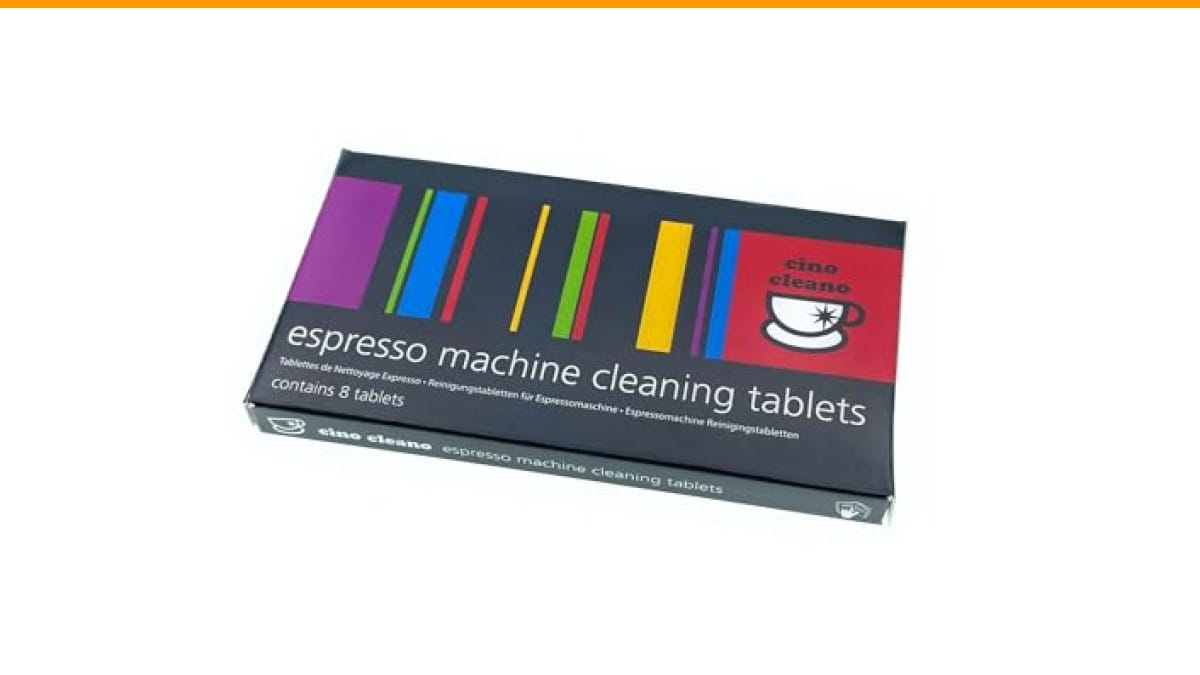
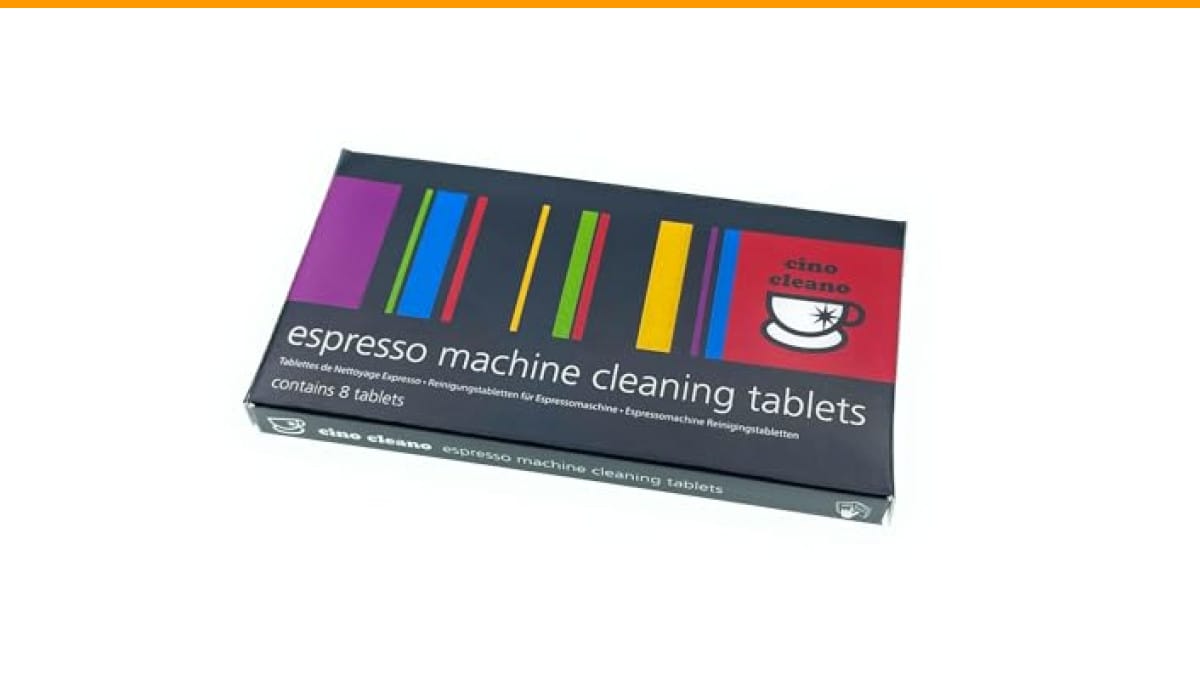
Cino Cleano
Cino Cleano Espresso Machine Cleaning Tablets (8…
- Listing is for 1 Packet which contains 8 tablets Suitable for use with all Breville Espresso machines
- Precision dissolution time to provide optimal cleaning performance
- All pharmaceutical and food grade ingredients
As an Amazon Associate I earn from qualifying purchases.
For most home machines, a solid option is the Cino Cleano Espresso Machine Cleaning Tablets. They’re formulated with food-grade ingredients and dissolve quickly, which makes them a good starting point for understanding how these products work. We’ll use them as a reference throughout this guide.
Why Espresso Cleaning Tablets Require More Caution Than Dish Soap
Dish soap is a surfactant. It grabs grease and lifts it off. Cleaning tablets are different. They contain descalers and alkaline agents, often things like sodium carbonate or citric acid, that break down chemical bonds. That’s why they work so well on stubborn coffee residue. It’s also why they can irritate your skin, burn your eyes, and cause respiratory issues if you inhale the dust.
The concentration is the real issue. You’re dissolving a highly concentrated chemical into a small volume of water. The resulting solution is aggressive. It’s not like a drop of hand soap in a sink. You need to treat it with respect.
Another factor is the dust. Tablets are compressed powders. When you pop one out of the foil, a little dust can puff up. Chronic exposure to that dust, day after day, can sensitize your airways. It’s a cumulative risk that many home users ignore. You might not feel it after one use, but after a year of weekly cleaning without a mask, you could develop a cough that doesn’t go away.
So, rule number one: treat these tablets like a mild industrial chemical, not a household cleaner.
Reading the Safety Data Sheet (SDS): The 3 Sections You Can’t Skip
Every reputable cleaning tablet manufacturer publishes an SDS. You can usually find it on their website. It’s not exciting reading, but it contains the information that keeps you safe. You don’t need to read all 16 sections. Focus on these three.
Identifying the Active Ingredients and Their Risks
Section 3 of the SDS lists the chemical composition. Look for the active ingredients and their concentration percentages. Common ones include sodium carbonate, sodium percarbonate, and citric acid. Each has a different hazard profile. Sodium percarbonate releases hydrogen peroxide when dissolved, which is a strong oxidizer. Citric acid is less dangerous but can still cause eye irritation. Knowing what you’re dealing with helps you choose the right PPE.
Understanding Signal Words (Warning vs. Danger)
The SDS will have a signal word. ‘Warning’ means the hazard is less severe. ‘Danger’ means it’s a more serious risk, like severe eye damage or respiratory sensitization. If your tablet’s SDS says ‘Danger,’ you need to be extra careful. Don’t skip the gloves just because you’re in a hurry. That signal word is a legal classification, not a suggestion.
Pro tip: If you can’t find the SDS for your specific tablet brand, don’t use it. Stick with brands that are transparent about their chemistry. The deep cleaning guide on our site has more details on choosing the right products.
Pre-Cleaning Safety: PPE, Ventilation, and Machine Prep
Before you even touch the tablet, set up your workspace. This isn’t optional. It takes two minutes and prevents a trip to the emergency room.
- Gloves: Use nitrile gloves. They resist the chemicals better than latex. You’re not just protecting your hands from irritation; you’re preventing the chemicals from being absorbed through your skin.
- Eye Protection: Safety glasses or goggles are a must. A splash of cleaning solution in the eye is extremely painful and can cause corneal burns. If you wear prescription glasses, they offer some protection, but side shields are better.
- Ventilation: Open a window or turn on a range hood. You want airflow to disperse any fumes or dust. In a small, closed kitchen, the concentration of airborne particles can spike quickly.
- Machine Prep: Remove the water tank and empty it. Refill with fresh water. Make sure the portafilter and basket are free of loose coffee grounds. This prevents clogs and ensures the cleaning solution flows properly.
I’ve cleaned hundreds of machines, and I still wear gloves every single time. It’s not about being paranoid; it’s about consistency. You don’t want to be the person who skips the gloves once and pays for it.
The Safe Cleaning Cycle: Step-by-Step Handling Protocol
Here’s the step-by-step process I use, and it works for both home and commercial machines. Adjust the specific button presses for your model, but the safety logic stays the same.
- Pop the tablet out of the foil carefully. Do this over the machine’s drip tray, not over the counter. This catches any dust or crumbs that fall.
- Place the tablet in the portafilter basket. Don’t crush it. Don’t break it in half. Insert the portafilter into the group head as you normally would.
- Start the cleaning cycle. This usually involves holding a button for a few seconds. The machine will run a series of pulses and pauses.
- Step back. Don’t hover over the machine. The solution can splash out of the group head, especially if the portafilter isn’t seated perfectly.
- When the cycle finishes, remove the portafilter and discard the leftover tablet pieces. Use a spoon or tongs. Don’t touch them with your bare fingers.
- Run a rinse cycle. Fill the water tank with fresh water and run water through the group head without the portafilter. This flushes out any remaining chemical residue. Run at least two full tanks of water through to be safe.
- Wipe down the machine. Use a damp cloth to wipe the group head, portafilter, and drip tray. This removes any residual film.
A common mistake is rushing the rinse cycle. You need to flush enough water to ensure the first shot you pull doesn’t taste like chemicals. If you have a Breville machine with a finicky cleaning cycle, check that guide for troubleshooting tips.
One more thing: never mix the cleaning solution with other chemicals. No vinegar, no bleach, no descaling powder. Mixing can create toxic fumes or reduce the effectiveness of both products.
Emergency Response: What to Do If You Get Exposed
Even with precautions, accidents happen. Here’s the immediate response for each scenario. Time is critical, so memorize these.
Eye Contact and Skin Contact
For eye contact: flush your eyes with lukewarm water for at least 15 minutes. Hold your eyelid open. Do not rub. If you wear contacts, remove them after the first minute of flushing. Seek medical attention immediately. Don’t wait to see if it feels better.
For skin contact: remove contaminated clothing and rinse the area with running water for 10-15 minutes. Use mild soap if available. If you see redness, blistering, or feel a burning sensation that doesn’t fade, call a doctor.
Ingestion and Inhalation
For ingestion: do not induce vomiting. Rinse your mouth with water and drink a small glass of milk or water. Call poison control immediately. Have the tablet packaging or SDS ready to tell them exactly what was ingested.
For inhalation: move to fresh air immediately. If you’re coughing or feel short of breath, sit down and rest. If symptoms persist, seek medical help. This is where chronic exposure becomes a real issue. If you find yourself feeling tight-chested after every cleaning, you need to wear a mask next time.
Storage and Disposal: Keeping Your Cafe and Staff Safe
Storage is where most home users fail. You can’t just toss the box on a shelf next to the coffee beans. Tablets are often flavored or scented, which can attract kids. They look like candy or mints.
- Store in a locked cabinet or a high shelf that’s out of reach of children and pets.
- Keep them in the original packaging. The foil pouches are child-resistant and keep moisture out.
- Never transfer tablets to a glass jar or a container without a label. That’s a recipe for disaster.
- Keep them away from food items. In a cafe, that means a separate storage area, not on the same shelf as the syrups and beans.
For disposal, the spent cleaning solution is mostly water with dissolved chemicals. It’s generally safe to pour down the drain with plenty of running water. Check your local regulations though. Some areas have strict rules about chemical disposal. The packaging, if it’s foil, can go in the regular trash unless your local recycling program accepts it.
Don’t dump the solution outside. It can kill plants and contaminate groundwater.
The Hidden Danger: Mixing Tablets with Other Chemicals
This deserves its own section because it’s the most dangerous mistake you can make. Cleaning tablets are formulated to work alone. Adding vinegar, bleach, or a commercial descaler can create a chemical reaction.
For example, mixing an alkaline cleaner with an acid like vinegar neutralizes both, wasting your time. But mixing an alkaline cleaner with bleach can release chlorine gas, which is toxic. You might not see a violent reaction, but you’ll feel the respiratory irritation.
I’ve seen baristas try to ‘supercharge’ a cleaning cycle by adding a shot of descaling solution. Don’t do it. You’ll void your machine’s warranty and risk your health. Use the tablet as directed. If your machine needs descaling, do that as a separate process, not at the same time.
Final Checklist for Baristas and Home Users
Here’s what to remember. This is the short version you can act on right now.
- Always wear nitrile gloves and eye protection when handling cleaning tablets.
- Read the SDS for your specific tablet brand at least once. Know the active ingredients and the signal word.
- Work in a ventilated area. Open a window or turn on a fan.
- Never touch the tablet or the spent cleaning solution with bare hands. Use tools to remove leftover pieces.
- Run at least two full tanks of fresh water through the machine after the cleaning cycle to rinse away all residue.
- Store tablets in a locked, labeled container away from food and out of reach of children.
- Never mix cleaning tablets with any other chemical. Use them alone.
If you’re still troubleshooting your machine’s cleaning cycle, check our guide on unusual noises during cleaning or the Nespresso-specific cleaning issues. A clean machine is a safe machine, but only if you clean it safely.
Products related to this article
Sponsored / affiliate links. As an Amazon Associate I earn from qualifying purchases. I may earn additional commission from eligible campaigns.
 Coffee Espresso Machine Handle Replacement Parts, Cafe Bracket Handle for Lidl Silvercrest CM4621 CM4218 KF5002 KF500S Barista (for 51mm Portafilter Basket - Not included)
 KARHDIR 15" Walk Behind Floor Scrubber Machine, 23" Squeegee
 Dawn Ultra Gentle Clean 2x Grease Cleaning Power Dish washing Liquid, Pomegranate Rosewater Scent 16.2 oz