You’re standing there, kettle in hand, watching coffee drip through a filter. The question hits: is this taking too long? Too fast? You’ve read recipes that say three minutes, but your last cup finished in two and the one before dragged past four. Which one was right?
Brew time in a pour over coffee maker isn’t a fixed number. It’s a variable you control, like a stopwatch in your hand. This guide breaks down exactly how long to brew coffee in a pour over coffee maker, why the clock matters, and how to adjust it when your cup tastes off. You’ll walk away with a clear timing window, a troubleshooting plan, and a fast morning routine that works.

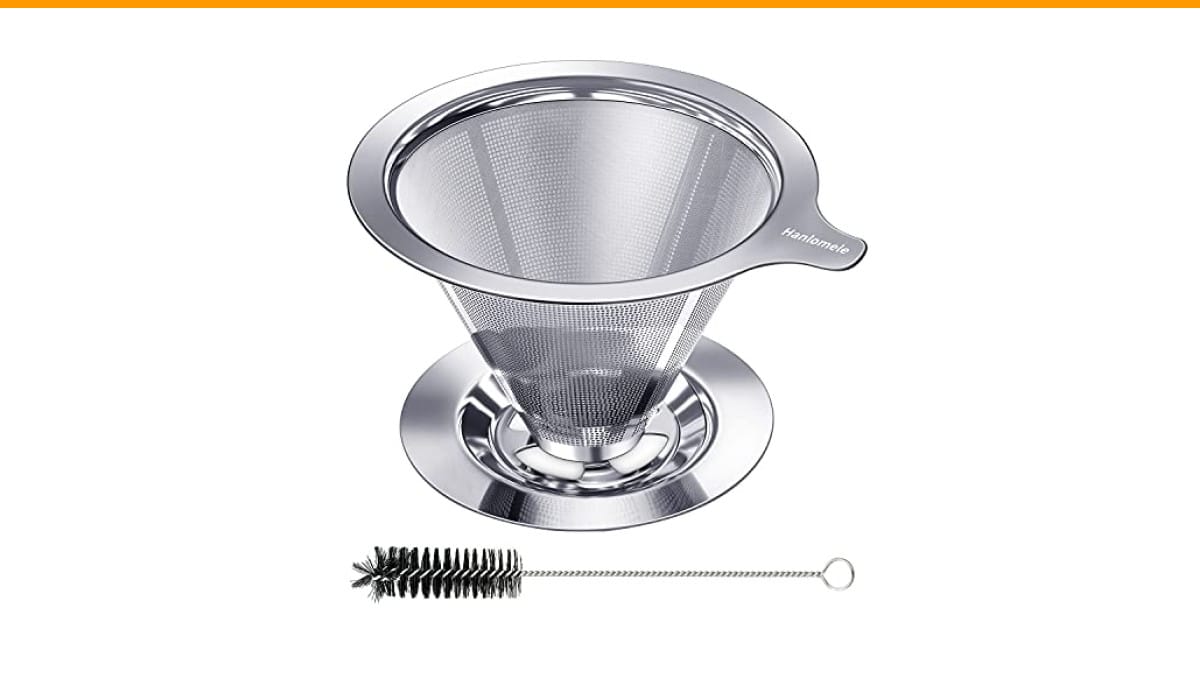
Hanlomele
Hanlomele Pour Over Coffee Dripper, Paperless Reusable…
- 【TRUE COFFEE TASTE】Slow drip of Hanlomele pour-over coffee dripper retains the oil and fat of the coffee, making the coffee flavor…
- 【TOP DOUBLE MESH DESIGN】The Hanlomele coffee filter is made of top quality stainless steel without using paper filters. The bottom…
- 【PERFECT FIT】The stainless steel coffee filter holder has a wide secure base which fits most cups,mugs and thermoses. The reusable…
As an Amazon Associate I earn from qualifying purchases.
If you’re using a reusable stainless steel dripper, the Hanlomele Pour Over Coffee Dripper changes the timing math slightly. Its double mesh filter lets water pass faster than paper, so your drawdown phase will run shorter. That’s a good thing — just don’t panic when your total time lands under the paper-filter numbers you see online.
The Short Answer: Your Target Brew Time Window
For a standard 12-ounce cup (about 350 ml) using a medium grind, aim for a total brew time between 2:30 and 3:30. That window covers most single-cup pour over methods, from V60 to Kalita Wave to a simple cone dripper.
Here’s the breakdown by dripper type:
- V60 or conical dripper: 2:30 to 3:00
- Kalita Wave or flat-bottom: 3:00 to 3:30
- Reusable stainless steel cone (like Hanlomele): 2:15 to 2:45
- Chemex (larger batches): 4:00 to 5:00 for 500 ml+
These numbers assume a 1:15 to 1:17 coffee-to-water ratio and water around 200°F (93°C). Change any of those, and the clock shifts. That’s not a bug; it’s the nature of pour over.
If your brew finishes in 90 seconds, it’s running too fast. If it takes five minutes for a single cup, something’s clogging the works. Both are fixable, and we’ll get to that.
Why Total Brew Time Matters More Than You Think
Brew time is the visible result of extraction. Extraction is how much flavor you pull from the coffee grounds. Too little time means under-extraction — sour, thin, almost salty coffee. Too much time means over-extraction — bitter, hollow, and drying on the tongue.
Most people blame the beans when their coffee tastes bad. In my experience, it’s usually the timing. I’ve brewed the same bag of beans side by side with a 2:15 drawdown and a 3:40 drawdown. The difference was dramatic. Same grinder, same water, same ratio — only the clock changed.
The tricky part is that brew time doesn’t exist in isolation. It’s the sum of grind size, water temperature, pour rate, and the coffee-to-water ratio. Change one, and the time adjusts automatically. That’s why chasing a specific number without understanding the variables leads to frustration.
Think of brew time as the outcome, not the goal. Set up your other variables correctly, and the time lands in the right zone. When it doesn’t, the clock tells you which variable to fix.
The 4 Phases of Pour-Over Timing
Pour over brewing breaks into four distinct phases, each with its own timing logic. Most timing mistakes happen because people don’t know which phase they’re in.
- Bloom: The first pour. Water hits the grounds, releases CO2, and the coffee swells. This takes 30 to 45 seconds. Use about twice the weight of water as coffee — 20 grams of coffee gets 40 grams of water.
- Main pours: The bulk of your water goes in. For a single cup, this is usually 2 to 3 pours. Each takes 10 to 15 seconds. The goal is to keep the slurry — the mixture of coffee and water — at a consistent level.
- Drawdown: The final phase. All water is in, and the coffee drips through the filter. This is where most of your total time lives. For a V60, drawdown should take 45 to 60 seconds. For a flat-bottom dripper, slightly longer.
- Drip stop: The last few drops. When the bed of grounds looks like wet sand and the dripping slows to a trickle, the brew is done. Remove the dripper immediately — letting it sit drains bitter flavors from the bottom of the bed.
When Exactly Does the Timer Start and Stop?
Start the timer the moment the first drop of water touches the coffee grounds. Not when you turn on the kettle. Not when you begin the pour. The first contact is the starting gun.
Stop the timer when the last drop falls from the dripper into your cup. That final drip marks the end of drawdown. If you’re using a scale with a timer, this is easy. Without one, use your phone and a steady hand.
One common mistake: people stop the timer when they finish pouring the water. That’s wrong. The drawdown after your last pour is part of the brew — often the most important part. A fast pour with a slow drain tells you more about your grind than the pour itself.
How Grind Size and Water Temp Manipulate Your Clock
Grind size is the biggest lever you have. Finer grounds slow down the water flow, extending brew time. Coarser grounds let water rush through, cutting time short. A difference of just a few clicks on your grinder can swing your drawdown by 30 seconds or more.
If your brew finishes too fast, grind finer. If it takes forever, grind coarser. This sounds obvious, but most people adjust by a huge margin. Move one step at a time. A single step on a decent burr grinder changes extraction noticeably.
Water temperature works differently. Hotter water extracts faster, so a 205°F brew will finish quicker than a 195°F brew with the same grind. But temperature also changes flavor. Hotter water pulls more bitterness; cooler water leaves coffee flat. Use 200°F as a starting point, then adjust for taste.
Altitude throws another wrench in the works. Water boils at 202°F at 5,000 feet, not 212°F. If you live in Denver or Mexico City, you physically cannot hit 205°F without a kettle that compensates for boiling point. Your brew time will run longer because extraction happens more slowly at lower temperatures. Don’t fight it — just expect your total time to stretch by 15 to 30 seconds.
The Ultimate Brew Time Cheat Sheet (By Dripper Type)
Here’s a practical reference table. These are starting points, not laws. Adjust based on your specific setup and taste.
| Dripper Type | Grind Size | Total Brew Time (350 ml) | Drawdown Target | Common Issue |
|---|---|---|---|---|
| V60 (conical) | Medium-fine | 2:30 – 3:00 | 45 – 60 sec | Too fast if grind is coarse |
| Kalita Wave (flat-bottom) | Medium | 3:00 – 3:30 | 60 – 75 sec | Stalls if grind is too fine |
| Stainless steel reusable cone | Medium-coarse | 2:15 – 2:45 | 40 – 55 sec | Runs fast; don’t over-fill |
| Chemex (500 ml+) | Medium-coarse | 4:00 – 5:00 | 90 – 120 sec | Slow drain with fine grind |
| Melitta / batch cone | Medium | 2:45 – 3:15 | 55 – 70 sec | Inconsistent if pour is uneven |
Notice the stainless steel cone runs faster. The mesh doesn’t hold back oils and fines like paper does. That’s a feature — you get a fuller-bodied cup — but it means you need a slightly coarser grind to keep the time in range.
Troubleshooting: Fix Your Coffee by Adjusting Seconds
Your cup tastes off, and you’re not sure why. Use the clock as your diagnostic tool. The table below maps symptoms to timing fixes.
| Symptom | Likely Cause | Adjustment | New Target Time |
|---|---|---|---|
| Sour, sharp, or salty | Under-extraction | Grind finer, or add 15-20 sec to total time | Add ~20 sec |
| Bitter, dry, or hollow | Over-extraction | Grind coarser, or cut 15-20 sec | Subtract ~20 sec |
| Weak and watery | Ratio too low | Use more coffee, keep time same | Same time |
| Strong but harsh | Ratio too high | Use less coffee, keep time same | Same time |
| Brew stalls, takes 5+ min | Grind too fine | Grind coarser immediately | Cut 60+ sec |
| Brew finishes in 90 sec | Grind too coarse | Grind finer | Add 45-60 sec |
Sour/Under-Extracted? Add Time
Sour coffee means the water didn’t pull enough flavor out of the grounds. The fix is to extend contact time. Grind finer — that’s the most reliable way to add seconds. Alternatively, pour slower. A slower pour rate keeps the slurry fuller and extends the brew.
Try adding 15 seconds to your total time first. If the coffee still tastes sour, grind one step finer and keep the same pour pattern. You should notice the sourness fade within a brew or two.
Bitter/Over-Extracted? Cut Time
Bitterness comes from pulling too much out of the grounds. Coarsen your grind to let water flow faster, or pour faster to shorten the drawdown. Cutting 15 seconds from your total time often fixes it.
One warning: bitterness can also come from water that’s too hot. If you’re brewing at 205°F and getting bitter cups, drop to 198°F before you change your grind. Temperature is easier to adjust than grind size.
The 3-Minute Morning Routine (A Fast Recipe)
You don’t need a full barista setup to get good pour over. Here’s a routine that fits a busy morning, using the Hanlomele dripper or any cone.
- Boil water. Weigh out 20 grams of coffee, medium-coarse grind.
- Place the dripper on your mug. Add coffee, then pour 40 grams of water (twice the coffee weight) to bloom.
- Wait 30 seconds. The coffee should swell and release gas.
- Pour the rest of the water (up to 300 grams total) in two slow, steady pours. Each pour takes about 15 seconds.
- Let the drawdown finish. Total time should land around 2:30 to 3:00.
- Remove the dripper the moment the last drop falls. Enjoy.
This routine works because it breaks the brew into 30-second chunks. Bloom for 30, pour for 30, drawdown for 60. You can even set a mental timer — no phone needed.
If you’re using a regular kettle instead of a gooseneck, your pour rate will be less controlled. Expect a faster pour with more splashing. That’s fine; just compensate with a slightly finer grind to keep the total time in range. A gooseneck gives you precision, but it’s not required for a good cup.
Final Verdict: Stop Obsessing, Start Timing
Brew time matters, but it’s not magic. The numbers in this guide give you a target, not a rule. Your specific beans, grinder, and water will shift things by 10 to 20 seconds in either direction.
The real skill is learning to read the clock and adjust. Sour means add time. Bitter means cut time. Fast drain means coarser. Slow drain means finer. That’s the whole game.
Here’s what to remember:
- Target 2:30 to 3:30 for a standard single cup, depending on your dripper.
- Start the timer at first water contact. Stop it at the last drip.
- Bloom for 30 to 45 seconds before your main pours.
- Stainless steel filters run faster than paper — adjust your grind accordingly.
- Sour coffee needs more time; bitter coffee needs less.
- Altitude changes your boiling point, which changes your brew time.
- Consistency beats perfection. Same time every day beats a perfect time once.
Once you’ve got your timing dialed in, keep your equipment clean. Old coffee oils and scale buildup slow down the drain and mess with your clock. A quick rinse after each brew helps, and a deeper clean every few weeks keeps things consistent — check our guide on coffee maker cleaning frequency for a schedule. If your dripper ever clogs, that’s a sign it’s time to descale with vinegar — we cover that in our vinegar cleaning guide.
Now go brew. Set your timer, watch the clock, and adjust. Your cup will thank you.
Products related to this article
Sponsored / affiliate links. As an Amazon Associate I earn from qualifying purchases. I may earn additional commission from eligible campaigns.
 HomeBeyond Espresso Coffee Maker 12 Cups, Classic Stovetop Espresso Maker, 600ml / 20oz Coffeemaker for Gas & Ceramic Stovetops (Silver)
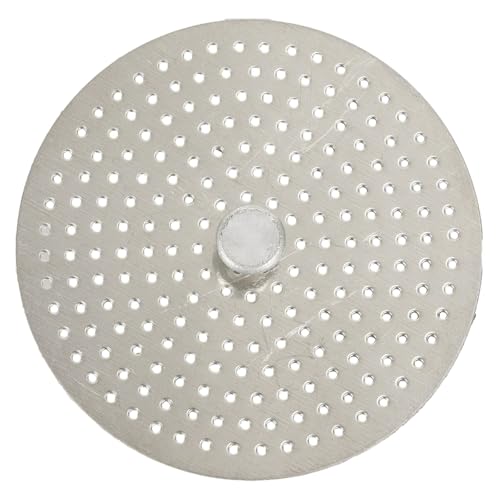 Stainless Steel Moka Pot Coffee Filter Disc for Espresso Brewing, Coffee Maker Replacement Filter Plate for Home Office Coffee Bar Cafe (FOR 4 Cups)
 Belly Moka Coffee Maker Stovetop Espresso Maker 9 Cup Aluminum Moka Pot Percolator 15oz 450ml Easy Brewing for Electric Ceramic Stoves Home Camping Italian Cuban Café Classic Black