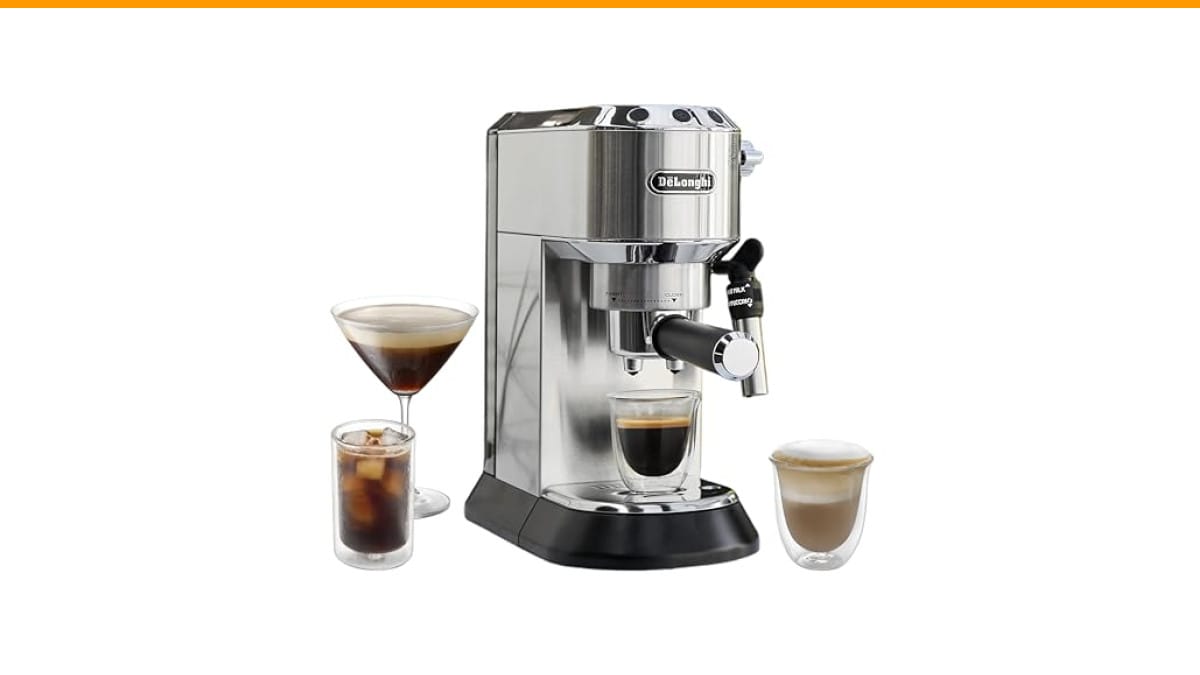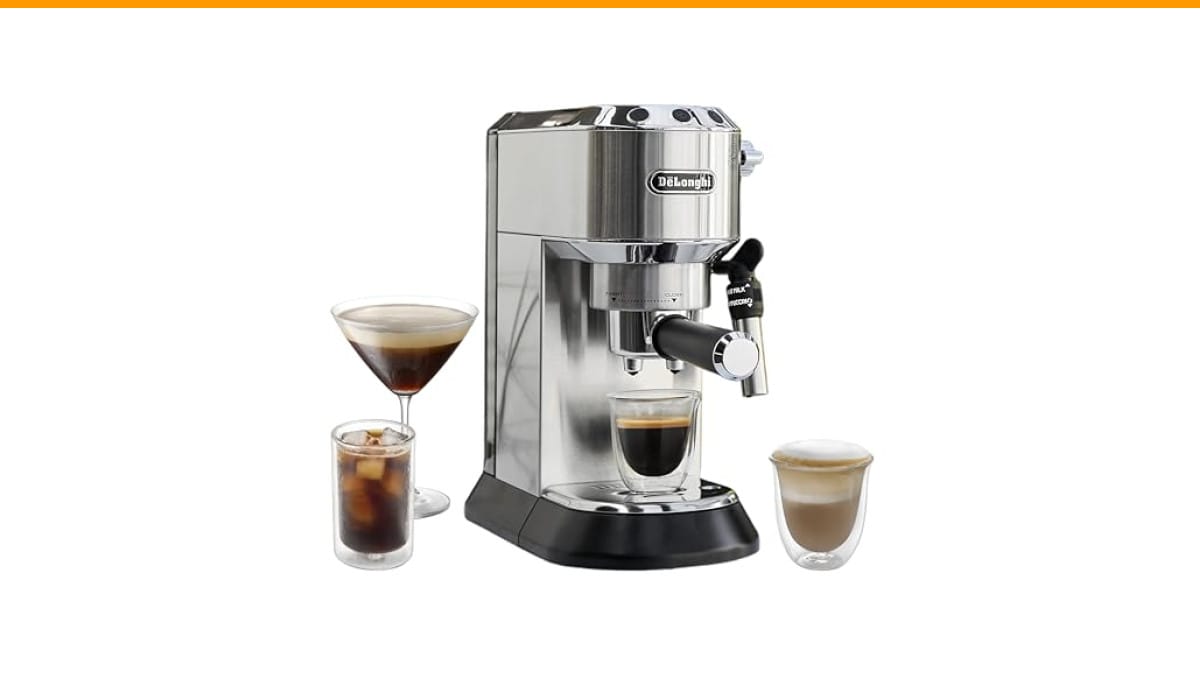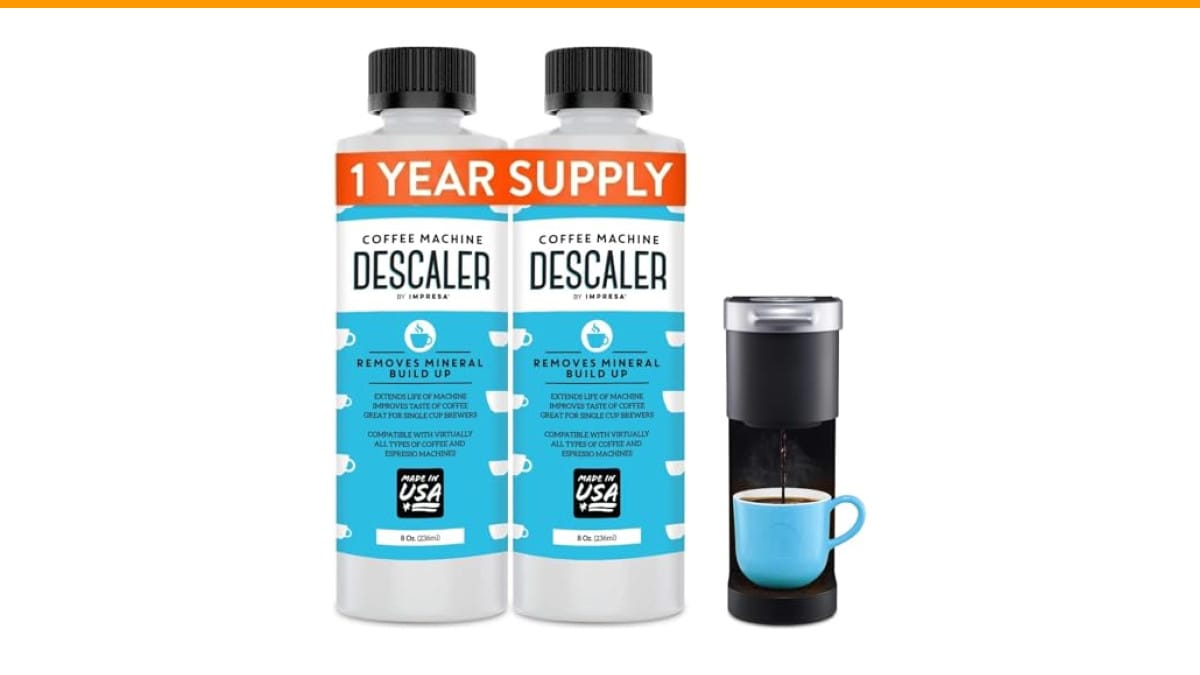
You bought a compact espresso machine to save counter space, not to babysit it. But after a month of morning shots, you notice the flow is slower, the crema is thin, and that bright acidity has turned into a dull, bitter taste. That’s scale and coffee oil talking. The good news is you don’t need a service technician or a chemistry degree to fix it.
This guide walks you through the exact routine for a compact machine: what to do daily, what to do weekly, and how to descale when the machine tells you to. You’ll learn the difference between cleaning (removing coffee residue) and descaling (removing mineral scale), plus the tools that make the job easier. By the end, you’ll know precisely what your machine needs and when.

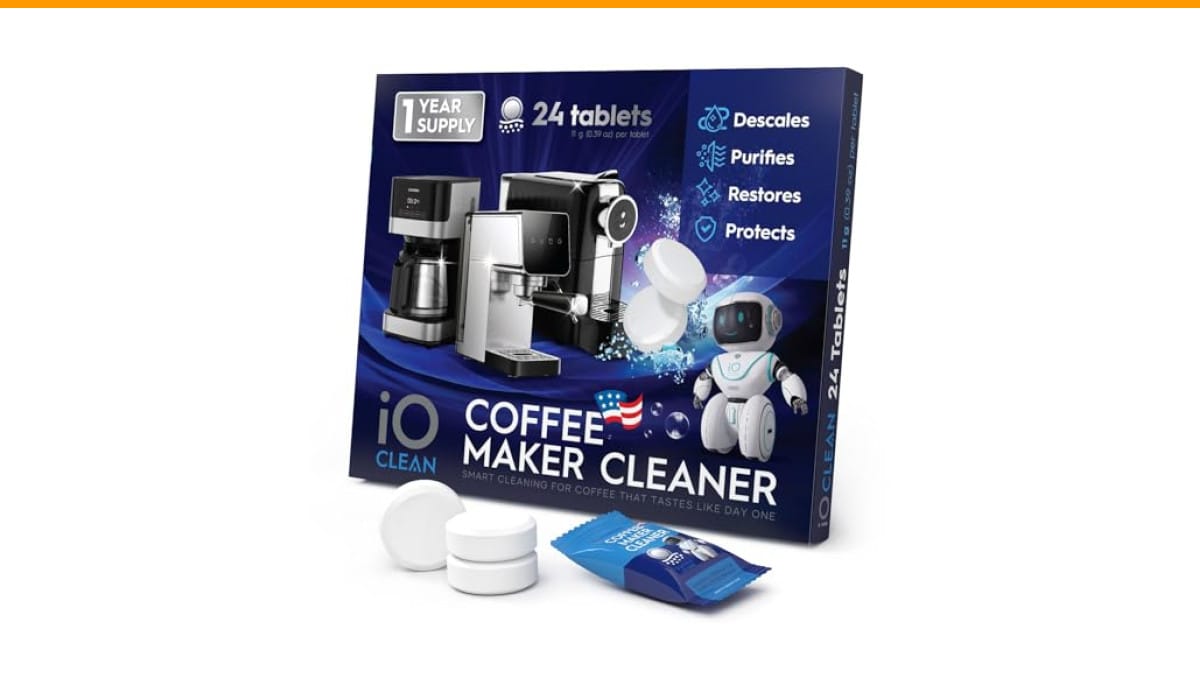
iO CLEAN
iO CLEAN Coffee Maker Cleaner & Coffee…
- Year-long performance protection. Stop relying on small packs. Our 24-count coffee maker cleaner tablets supply enough power for a…
- Enhanced brew clarity and flavor. Mineral scale doesn’t just block pipes—it alters the taste of your coffee. Our coffee machine de…
- Broad system compatibility. Designed for versatility, our coffee cleaner is compatible with Keurig, Nespresso, Ninja, Breville, an…
As an Amazon Associate I earn from qualifying purchases.
If you’re tired of measuring liquid descaler and spilling half of it, a tablet-based option like iO CLEAN Coffee Maker Cleaner & Descaler Tablets simplifies the whole process. Drop one in the reservoir, run the cycle, and you’re done. No mess, no guesswork.
Why a Compact Machine Needs a Different Cleaning Rhythm
Compact espresso machines share the same internals as their full-size cousins, but they pack them into a tighter space. That means shorter water lines, smaller boilers, and less room for scale to hide. When limescale builds up in a small boiler, it restricts flow faster than it would in a larger unit. You’ll notice the difference in shot time within weeks, not months.
Another factor is usage. Most compact machines are used for one or two shots a day, which means the boiler heats and cools frequently. That thermal cycling accelerates scale formation. If you live in an area with hard water, the problem compounds. A simple test: if your kettle develops white flakes, your espresso machine is in trouble too.
The fix isn’t complicated, but it requires consistency. You can’t skip the daily rinse and expect the weekly backflush to save you. Both serve different purposes, and both are non-negotiable for a machine that pulls a decent shot.
The Daily and Weekly Routine: What Actually Matters
Start with the daily rinse. After you pull your shot, run plain water through the group head with the portafilter in place, but without coffee. This flushes out the oils that cling to the shower screen and the dispersion plate. It takes ten seconds. Do this every single day, even if you’re in a rush.
Next, wipe the portafilter and the group head gasket with a dry cloth. The gasket is the rubber ring that seals the portafilter in place. Coffee oils turn sticky and then harden, which makes the gasket wear out faster. A quick wipe prevents that.
For the weekly routine, you need a blind basket. This is a basket with no holes that creates pressure when you lock it in. Add a small amount of espresso machine detergent, lock the blind basket in, and run the pump for ten seconds, then pause for ten seconds. Repeat this cycle five or six times. This is called backflushing, and it cleans the internal pipes and the three-way valve that most compact machines have. If your machine doesn’t come with a blind basket, buy one that fits your portafilter. It’s a small investment that saves you from rancid coffee oil in every shot.
Don’t skip the steam wand. Milk residue dries into a crust that’s nearly impossible to remove later. After each use, purge the wand into a cloth to blow out any milk, then wipe the outside. Once a week, soak the tip in a small cup of hot water with a drop of detergent. This keeps the holes clear so steam flows properly.
Descaling: The Step Most People Get Wrong
Descaling removes limescale, which is a mineral deposit, not a coffee residue. You cannot backflush your way out of scale. You need an acid-based descaler that dissolves the minerals. The frequency depends on your water hardness and how often you use the machine. A good rule of thumb: every two to three months for regular use, or sooner if you notice the flow rate dropping.
Here’s where many people make a mistake. They use a vinegar and water solution. Vinegar is acetic acid, and it does dissolve scale, but it also leaves a strong smell and can damage the seals and rubber gaskets inside your machine over time. Some manufacturers explicitly void the warranty if you use vinegar. Use a proper espresso machine descaler instead. The iO CLEAN tablets are formulated to dissolve scale quickly without attacking the internal plastics and rubbers, and they leave no aftertaste.
The descaling process itself is straightforward. Empty the reservoir, fill it with fresh water, and drop in the tablet. Let it dissolve completely. Place a large container under the steam wand and another under the group head. Run the machine until half the reservoir is gone, then turn it off and let it sit for 15 minutes. This soaking time lets the acid work on the scale. Turn it back on and run the rest of the water through. Then fill the reservoir with clean water and run two full cycles to rinse out any remaining descaler solution.
One caveat: check your machine’s manual for the specific descaling cycle. Some compact machines have a dedicated descaling mode that cycles the pump on and off automatically. If yours does, use that instead of manual pumping. It’s designed to push the solution through every internal part without over-stressing the pump.
Comparing Cleaning Methods: Tablets vs. Liquid vs. Vinegar
Not all cleaning methods are equal, and your choice affects both the machine’s lifespan and the taste of your coffee. Here’s a breakdown based on what I’ve seen in testing and what home baristas report.
| Method | Ease of Use | Effectiveness on Scale | Risk to Machine | Aftertaste |
|---|---|---|---|---|
| Tablets (like iO CLEAN) | High – drop in, no measuring | High – concentrated formula | Low – safe for seals and plastics | None |
| Liquid descaler | Medium – requires measuring | High – depends on dilution | Low to medium – some are harsh | Occasional chemical note if not rinsed well |
| White vinegar | High – everyone has it | Medium – takes longer, weaker acid | High – can degrade rubber gaskets | Strong vinegar smell that lingers |
| Citric acid powder | Medium – needs dissolving | High – strong chelating agent | Medium – safe for metal, but can be too aggressive on some coatings | Mild citrus, generally clean |
In my experience, tablets win for consistency. You don’t have to think about how much to pour or whether the powder fully dissolved. The precision matters more on a compact machine because the boiler is small and a concentrated dose of liquid descaler can sit in one spot for too long.
Common Compact Machine Problems That Cleaning Prevents
A dirty machine doesn’t just taste bad. It breaks down. The most common failure I see in compact machines is a pump that struggles to push water through a scale-clogged boiler. The pump runs but the flow is weak, or it makes a high-pitched whine. That’s the pump working overtime, and it will burn out eventually.
Another issue is a stuck solenoid valve. This is the valve that releases pressure from the group head after you stop the shot. When coffee oils and scale mix, they can form a sticky residue that makes the valve stick open or closed. A stuck valve means water drips from the group head constantly, or the machine won’t release the portafilter without a fight. Regular backflushing with detergent prevents this.
If you’re already hearing loud noises or seeing leaks, cleaning might not be enough. Check out our guide on loud noise fixes or the one on water leak causes for troubleshooting steps before you call a repair shop.
How Often Should You Clean Each Part?
Frequency matters more than intensity. Here’s a simple schedule that works for most home users:
- After every shot: Rinse the group head with plain water, wipe the portafilter.
- After every milk steam: Purge and wipe the steam wand.
- Daily: Empty and rinse the drip tray and the water reservoir.
- Weekly: Backflush with detergent using a blind basket.
- Monthly: Soak the portafilter and baskets in warm soapy water, then rinse thoroughly.
- Every 2-3 months: Descale with a tablet or liquid descaler.
That last point is where most people fall off. They descale once when they buy the machine, then forget until the shots run slow. If you’re unsure, check the manufacturer’s recommendation. Many compact machines have an indicator light that tells you when descaling is due. Don’t ignore it.
Frequently Asked Questions
Can I use a cleaning tablet in a compact espresso machine?
Yes, but only in the right context. Cleaning tablets are designed for backflushing to remove coffee oils. You put them in the blind basket, not the water reservoir. They are not descalers. For scale removal, you need a descaler tablet that goes into the water tank. The iO CLEAN tablets are descalers, so they go in the reservoir. Using a cleaning tablet in the reservoir will create a massive foam mess and won’t remove scale.
Is it safe to descale a compact espresso machine with vinegar?
It works in a pinch, but I don’t recommend it. Vinegar’s acidity can degrade the rubber gaskets and silicone tubing inside your machine over time. That leads to leaks and a vinegar taste that’s hard to rinse out completely. A dedicated descaler is formulated to dissolve scale without damaging those components. The cost difference is small compared to the cost of a new gasket or a full repair.
How do I know when my compact espresso machine needs descaling?
The clearest sign is a slower shot time. If your 25-second shot now takes 40 seconds with the same grind, that’s scale. Other signs include a louder pump, a hotter machine body than usual, or a white chalky residue visible in the reservoir. Some machines have a dedicated descale light that turns on based on the number of brew cycles. If you have one, trust it.
What’s the difference between a cleaning tablet and a descaler tablet?
A cleaning tablet contains detergents that break down coffee oils and residue. It’s used for backflushing. A descaler tablet contains food-grade acids, usually citric or sulfamic acid, that dissolve mineral scale. They do different jobs. Using a descaler to clean coffee oil won’t work, and using a cleaner to descale won’t remove scale. You need both for a complete maintenance routine.
Can I clean a compact espresso machine without a blind basket?
You can clean the group head and the portafilter, but you can’t backflush the internal lines without a blind basket. Backflushing is the only way to clean the three-way valve and the pipes that lead back to the reservoir. If your machine didn’t come with a blind basket, they’re cheap and widely available. It’s worth the few dollars to protect the internal components.
What to Remember When You’re Done
Cleaning a compact espresso machine is not a once-a-year event. It’s a rhythm. The daily rinse takes ten seconds. The weekly backflush takes five minutes. The descaling takes half an hour, but you only do it every couple of months. That’s a small time investment for a machine that pulls consistent shots for years.
Here’s the short version of everything above:
- Rinse the group head and wipe the steam wand after every use.
- Backflush weekly with a detergent and a blind basket.
- Descale every 2-3 months, or when the shot time slows down.
- Use a tablet descaler for consistency and to avoid measuring mistakes.
- Never use vinegar; it damages seals and leaves a taste.
- Soak the portafilter and baskets monthly to remove stubborn oils.
- If the machine is leaking or making noise, check our troubleshooting guides before spending money on repairs.
Stick to this schedule and your compact machine will outlast your patience for upgrading. For a deeper dive on the whole process, our deep clean guide covers the full teardown, and the frequency guide explains why timing matters. If you’re comparing machine types, our automatic vs. semi-automatic breakdown might change your mind about what you need.
Products related to this article
Sponsored / affiliate links. As an Amazon Associate I earn from qualifying purchases. I may earn additional commission from eligible campaigns.
 Coffee Espresso Machine Handle Replacement Parts, Cafe Bracket Handle for Lidl Silvercrest CM4621 CM4218 KF5002 KF500S Barista (for 51mm Portafilter Basket - Not included)
 6 lb Citric Acid Powder Food Grade, Citric Acid Crystals, 100% Pure
 Linnkyfloa Coffee Espresso Maker Handle Replacement for Stovetop Moka Pot or Percolator, Black Plastic for Spare Part Compatible with Italian(9-12 Cup)