You know that moment. You grind your beans, brew a cup, and take a sip. Instead of bright, fruity notes, you taste stale, oily bitterness. The culprit isn’t your beans or your water. It’s your grinder.
Manual grinders trap coffee oils and micro-fines in every crevice. Over time, these oils go rancid and cling to fresh grounds. Your coffee slowly loses its character. This guide walks you through the entire process — from quick daily maintenance to a deep clean that restores your grinder to factory condition.
You’ll learn exactly which tools work best, how often to clean based on your usage, and the mistakes that ruin burrs. Let’s get your grinder back to producing clean, consistent grounds.
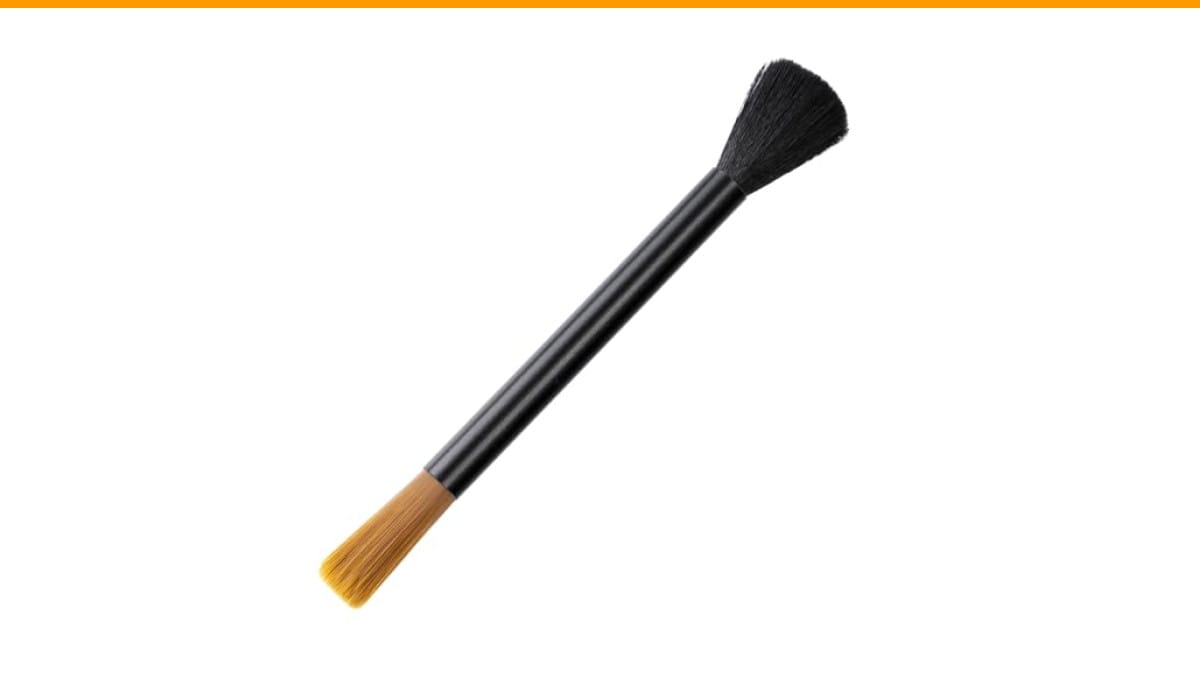
For the job, a dedicated brush makes a real difference. The Acooruiteng Coffee Grinder Cleaning Brush has stiff fiber wool bristles that reach into burr teeth and chute corners without scratching metal. It’s a small tool that beats using a toothpick or a paper towel every time.
Why Your Manual Grinder Needs Regular Cleaning
Burrs are precision tools. They cut beans into uniform particles. When oil builds up on the cutting edges, the burrs get dull. They start smashing beans instead of slicing them. That produces more fines — the dust-like particles that over-extract and taste bitter.
There’s also the retention problem. Every grinder holds back a few grams of grounds in the burr chamber and chute. If you switch beans, those old grounds mix with your new ones. A light roast with citrus notes becomes muddied by leftover dark roast oils. You lose the tasting experience you paid for.
Rancid coffee oil isn’t just a flavor issue. It attracts moisture, which can lead to rust on carbon steel burrs. Ceramic burrs resist rust but still harbor bacteria in the porous surface. A clean grinder is a food safety issue, not just a taste preference.
What You Need Before You Start
Gather these tools before you disassemble anything. You don’t need a full barista kit, but the right tools make the job faster.
- Cleaning brush: A narrow brush with firm bristles. The Acooruiteng brush (13cm x 1cm) fits most hand grinder chutes. It’s flexible enough to bend around burr edges.
- Compressed air: A can of air duster or a small hand pump blower. This clears out the fine powder that brushes can’t reach.
- Microfiber cloth: Lint-free is essential. Regular cotton sheds fibers that get stuck in the burrs.
- Small bowl: To hold screws and small parts. Magnetic parts trays work best — they keep everything organized.
- Isopropyl alcohol (70% or higher): For deep cleaning metal burrs. It cuts through oil without leaving residue.
- Wooden toothpicks: For dislodging compacted grounds in tight corners. Never use metal picks — they scratch burr surfaces.
Step-by-Step: How to Clean a Manual Coffee Grinder
Here’s the complete process. I’ve tested this on a dozen different hand grinders, from budget ceramic models to high-end steel burr units. The steps are universal, though screw locations vary.
Step 1: Disassemble the Grinder
- Remove the handle and the top bearing assembly.
- Unscrew the adjustment ring or dial. Count the clicks as you remove it so you can return to your exact grind setting.
- Pull out the inner burr. It should lift straight out.
- Remove the outer burr carrier if your model allows it. Some grinders have a screw holding it in place.
Pro tip: Take a photo of the disassembled parts with your phone. Reference it when you reassemble. It saves you from a frustrating puzzle later.
Step 2: Dry Brush the Burrs
Hold the inner burr over a trash bin. Use your brush to sweep across the cutting teeth. Work in one direction — from the center outward. This pushes grounds off the cutting surface instead of jamming them deeper.
For the outer burr, brush in a circular motion. Pay attention to the grooves where grounds compact. If you see dark, oily residue, that’s old coffee oil. It needs more than a dry brush.
Step 3: Clear the Chute and Catch Cup
The exit chute is where grounds accumulate most. Use compressed air to blow through the chute from the burr side. You’ll see a cloud of fines shoot out. That’s the stale coffee that was ruining your next brew.
Wipe the catch cup with a dry cloth. If it has residual oil, wash it with warm soapy water. Dry it completely before reattaching.
Step 4: Deep Clean the Burrs (Every 4-6 Weeks)
For a thorough clean, you’ll use a solvent. Avoid water on steel burrs — it promotes rust. Isopropyl alcohol evaporates quickly and dissolves coffee oil effectively.
- Place the burrs in a small dish.
- Add enough alcohol to cover them.
- Let them soak for 5-10 minutes. Don’t soak longer — alcohol can degrade some adhesives in the carrier.
- Remove and brush each burr under running alcohol or warm water.
- Dry immediately with a microfiber cloth.
- Let them air dry for 30 minutes before reassembly.
Ceramic burrs can handle a mild dish soap solution instead of alcohol. Just ensure they’re bone dry before you put them back. A drop of moisture in the bearing will cause grinding issues later.
Step 5: Reassemble and Season
Reassemble in reverse order. Make sure the inner burr seats properly and the adjustment ring clicks into place. Once assembled, run a small handful of beans through and discard them. This removes any remaining cleaning residue and re-coats the burrs with fresh coffee oil.
Daily vs. Deep Cleaning: What’s the Right Frequency?
You don’t need to deep clean every day. But you should do a quick brush-out after each use. It takes 15 seconds and prevents most buildup. Here’s the schedule I recommend based on how often you grind.
| Usage Level | Daily Maintenance | Deep Clean | Full Disassembly |
|---|---|---|---|
| Once a day | Brush burrs and chute | Every 4-6 weeks | Every 3 months |
| 2-3 times a day | Brush + air blow out | Every 2-3 weeks | Every 6-8 weeks |
| Heavy use (5+ times) | Brush + air blow out | Weekly | Monthly |
| Occasional (weekends) | Brush after each use | Every 2 months | Every 6 months |
Adjust this based on your beans. Dark roasts are oilier and require more frequent cleaning. Light roasts are dryer but produce more chaff — the papery skin that flies around during grinding. If you see visible buildup on the burrs, clean them. Don’t wait for a schedule.
Common Mistakes That Damage Your Grinder
I’ve seen people ruin perfectly good grinders with well-intentioned cleaning. Avoid these three errors.
Mistake 1: Washing burrs in the dishwasher. The heat and detergent strip any protective coating on the burrs. They’ll rust within days. Always hand wash or use alcohol.
Mistake 2: Using rice to clean the grinder. This is a popular hack for electric grinders. It works there because the motor powers through the hard grains. Manual grinders don’t have that torque. You’ll likely strip the handle gears or bend the axle. Stick to brushing.
Mistake 3: Oiling the burrs. Some people think adding lubricant helps the grinding action. It doesn’t. Oil attracts coffee grounds and creates a paste that clogs the burrs. The only thing you should put on burrs is coffee.
Frequently Asked Questions
Can I use water to clean manual grinder burrs?
Yes, but only if you dry them immediately and completely. Water alone won’t remove coffee oils effectively. Use a drop of mild dish soap for ceramic burrs. For steel burrs, isopropyl alcohol is the better choice because it evaporates fast and leaves no water behind. If you do use water, dry with a cloth and then let them sit for an hour before reassembling.
How do I know if my burrs need replacing?
Look for dull edges, visible chips, or uneven wear patterns. If your grind size becomes inconsistent — you see both powder and large chunks — that’s a sign of worn burrs. Most manual grinder burrs last 2-5 years with regular use. If cleaning doesn’t restore grind consistency, replacement is the answer.
Will cleaning change my grind setting?
No, as long as you count your clicks when removing the adjustment ring. When you reassemble, return to the same number of clicks from zero. The burr position is mechanical — cleaning doesn’t alter it. Just don’t tighten the ring beyond zero, or you’ll damage the burrs.
How often should I clean the outside of the grinder?
Wipe the exterior with a damp cloth weekly. The handle and body collect fingerprints and coffee dust. For the catch cup, wash it after every few uses. It holds grounds that can transfer oils back to the burrs if left sitting.
Is it necessary to use a special brush?
Not strictly, but it helps. A paintbrush or artist’s brush works in a pinch. The key is having bristles that are stiff enough to dislodge grounds but soft enough not to scratch metal. The Acooruiteng brush is designed for this specific task — its fiber wool bristles are firm yet gentle. A dedicated brush also keeps your cleaning tools free from paint or other contaminants.
What to Remember for a Fresh Grind
Cleaning a manual grinder isn’t complicated. It’s about building a habit. Here’s what to take away from this guide:
- Brush out your grinder after every use — 15 seconds now saves you a deep clean later.
- Deep clean with isopropyl alcohol every 4-6 weeks, or weekly if you use dark roasts.
- Never use rice, water-soaking, or dishwasher cycles on your burrs.
- Count clicks when you disassemble so your grind setting stays consistent.
- Air blow out the chute regularly — that’s where the most stale grounds hide.
- Season your burrs with a small batch of beans after deep cleaning.
- Replace burrs when grind consistency degrades despite cleaning.
Your grinder is the most important tool in your coffee setup. A clean one delivers the full flavor profile your beans offer. A dirty one masks it. Spend the few minutes to keep it fresh, and your morning cup will thank you.
For more maintenance tips, check out our guide on deep cleaning grinders or learn about the differences between burr and blade grinders. If you’re dealing with a clogged machine, our clogged coffee maker fix might help too.
Products related to this article
Sponsored / affiliate links. As an Amazon Associate I earn from qualifying purchases. I may earn additional commission from eligible campaigns.
 Cascade Platinum Plus Dishwasher Detergent Pods Dish Soap Lemon 57 Count
 SOLUSTRE Electric USB Coffee Cup Warmer with Temperature Settings Portable Milk and Beverage Heating Coaster for Office Desk Small Lightweight Design Easy to Clean Surface Multi Functional
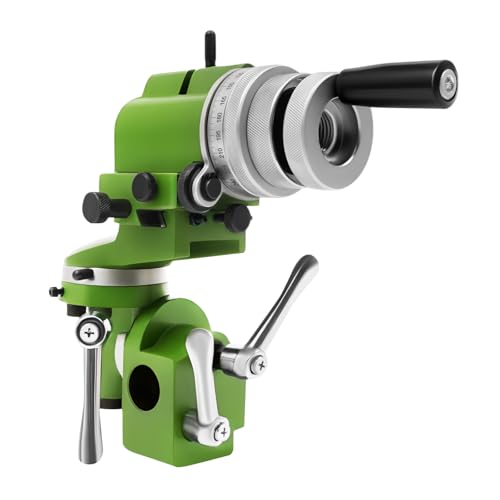 Cutter Grinder Machine, Universal Grinding Machine, U2 Universal Cutter Tool Grinder Sharpener Holder, For Lathes & Factories, Workshops, Green