That first sip should be the best part of your morning. But lately, your coffee tastes bitter and flat, the brew cycle runs slower, and you notice a chalky white film inside the water tank. That film is limescale, and it’s not just ruining your cup — it’s slowly killing your machine.
Here’s the thing: a coffee maker with a built-in grinder has twice the parts that can fail. The brew boiler and heating element suffer from mineral scale, while the grinder burrs clog with coffee oils. Most owners clean the carafe and forget everything else. This guide walks you through the full descaling process, what solution to use, how often to do it, and what happens if you skip it.

IMPRESA
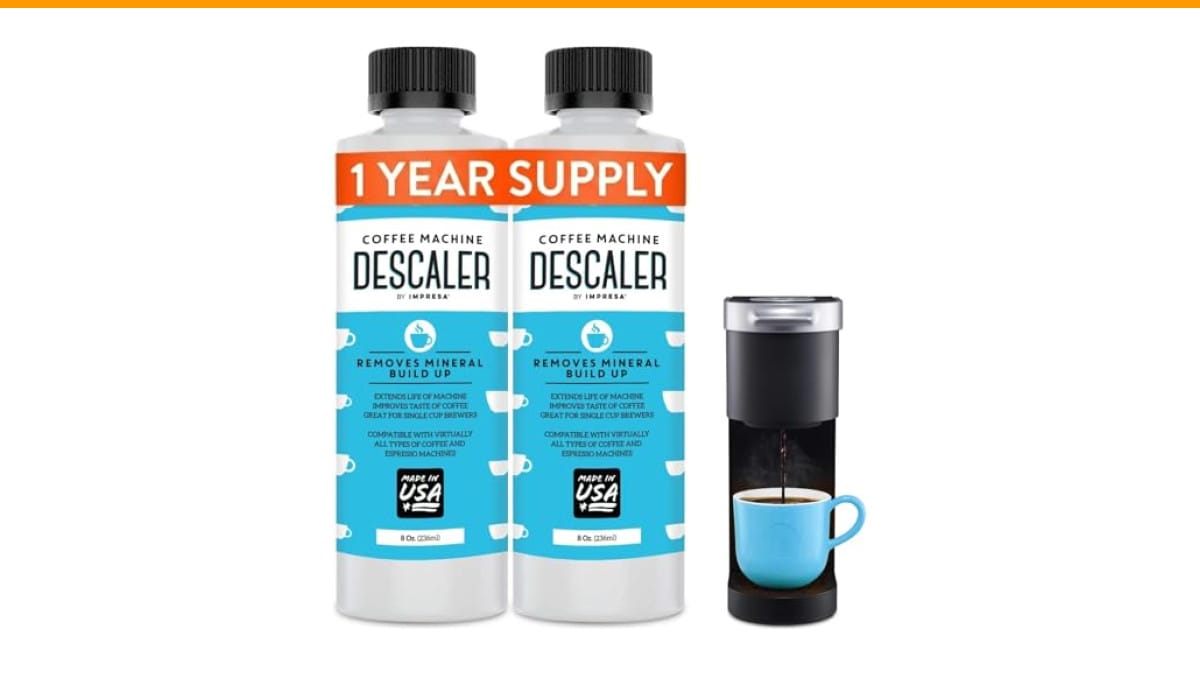
IMPRESA Coffee Machine Descaler, 2-Pack (1-Year Supply)…
- 2-Pack Coffee Descaler and Cleaner - Clean and rinse away residue and oil buildup in your coffee maker with Impresa's Coffee Desca…
- Highly Effective, Made in USA Formula - Unlike most common solutions, our coffee machine cleaner uses just 4 ounces (1/2 bottle) p…
- Preserves Your Machine - Using a coffee descaling solution eliminates limescale and mineral build-up to prevent corrosion, signifi…
As an Amazon Associate I earn from qualifying purchases.
You’ll walk away knowing exactly how to descale a coffee maker with grinder, including the difference between cleaning and descaling, and why both matter.
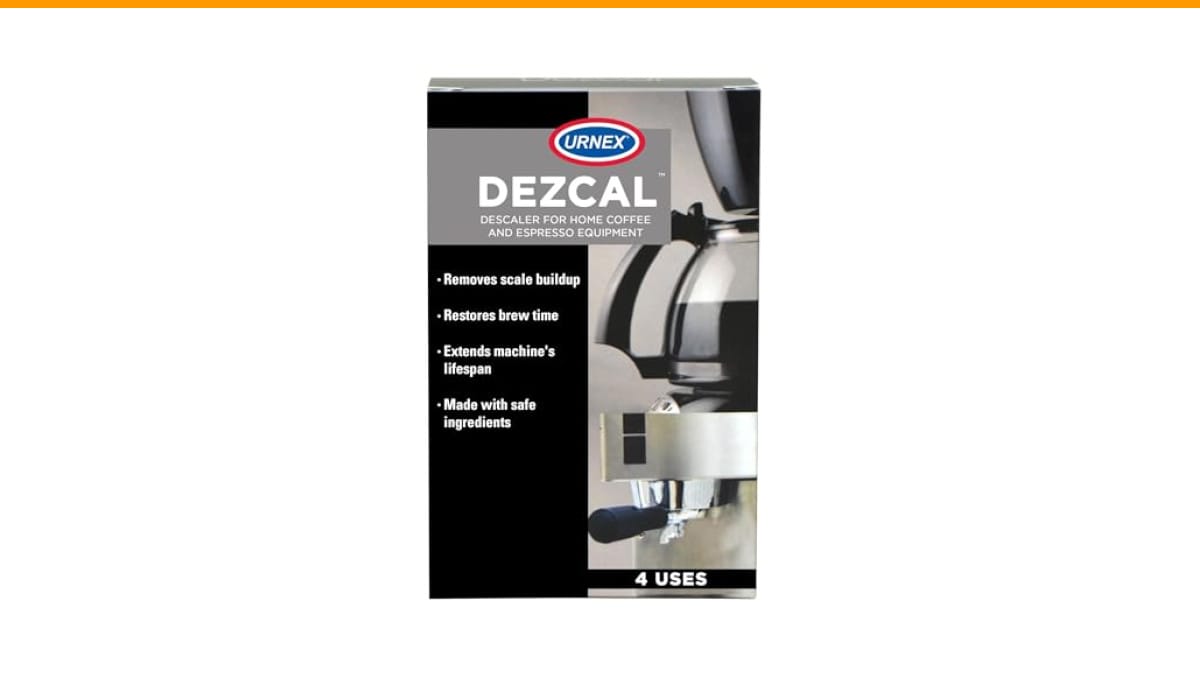
For a convenient solution that works across most machines, the IMPRESA Coffee Machine Descaler comes in a 2-pack with enough liquid for four full descaling sessions. It’s made in the USA and compatible with Breville, Cuisinart, Delonghi, and most other brands, so you don’t need to hunt down a proprietary cleaner.
Why Your Grinder Machine Needs Different Care
Most people think descaling is descaling. Not quite. Your combo machine has two separate problem zones.
The boiler and heating element accumulate calcium and magnesium scale. That scale insulates the heating element, so the machine works harder, uses more energy, and eventually overheats or fails. The grinder burrs accumulate coffee oil and fine grounds, which go rancid and make every cup taste bitter.
Descaling handles the first problem. Cleaning the grinder handles the second. You need both, but they run on different schedules.
Descale every 3 to 6 months, depending on your water hardness. Clean the grinder burrs every 2 to 4 weeks if you brew daily. If you use tap water, lean toward the shorter end. If you use filtered water, you can stretch it.
One more thing: never run descaler through the grinder. Descaler is acidic and will strip the burrs’ protective coating. You descale the water path only, then clean the grinder separately with a brush or grinder cleaning tablets. This is the mistake that ruins combo machines.
The Step-by-Step Descaling Process
Here’s the full process for a typical combo machine. Check your manual first — some brands have a dedicated descale mode that cycles automatically.
- Empty the machine. Remove the carafe, the filter basket, and any remaining coffee. Discard old grounds.
- Prep the grinder. Run a small amount of coffee through the grinder and discard it. This clears leftover oils so they don’t mix with the descaler.
- Mix the solution. Most liquid descalers call for 4 ounces of solution per 32 ounces of water. The IMPRESA bottle uses 4 ounces per session, so a half-bottle per descale. Check your specific product label.
- Fill the reservoir. Pour the mixture into the water tank. Do not add coffee or grounds.
- Run a brew cycle. Place the empty carafe in position and run a full brew cycle without coffee. Let the solution sit in the carafe for 15 minutes.
- Repeat until the tank is empty. Run the machine until the reservoir is empty. You may see scale flakes in the carafe — that’s normal.
- Rinse, rinse, rinse. Fill the tank with fresh water and run two full cycles. This step is non-negotiable. Any leftover descaler will make your coffee taste metallic.
- Clean the grinder. After descaling, wipe the burrs with a dry brush. Do not use water on the burrs. See our grinder cleaning guide for the full method.
Total time: about 45 minutes, most of it waiting. Do this on a weekend morning when you don’t need caffeine immediately.
If your machine has a hot water dispenser or steam wand, run the descaler through those too. A steam wand that’s clogged with milk residue needs a separate deep clean, but the descale cycle will help.
Descaling Solutions: Which One Should You Use?
You have three main options. They’re not equal.
| Method | Cost per session | Effectiveness | Risk to machine | Best for |
|---|---|---|---|---|
| Commercial liquid descaler (like IMPRESA) | Low | High — removes scale and oils | Low if rinsed properly | Most home machines |
| White vinegar (diluted 1:1) | Very low | Medium — works but smells strong | Medium — can damage rubber seals over time | Budget users, occasional descale |
| Citric acid powder | Very low | High — similar to commercial | Low-medium, but needs exact mixing | People who want bulk supply |
Vinegar is the classic home remedy, and it works. But it’s not ideal for combo machines. The acetic acid can degrade the rubber gaskets and seals over time. If you use vinegar, dilute it 50/50 with water and always run extra rinse cycles. You’ll also smell vinegar in your kitchen for a day.
Citric acid is the active ingredient in many commercial descalers. You can buy it as a powder and mix it yourself. The catch is getting the concentration right. Too weak and it won’t dissolve scale. Too strong and it can corrode metal parts. A tablespoon per liter of water is a safe starting point.
Commercial liquid descalers are the safest bet for a machine with a grinder because they’re formulated to be gentle on internal components. The IMPRESA descaler is a good pick — it’s strong enough to remove buildup but won’t wreck your seals. Check the current price on Amazon if you want to compare.
If you’re on the fence, consider this: a new combo machine costs $200 to $800. A bottle of descaler costs a fraction of that. Skipping descaling to save $10 is false economy.
How Often Should You Actually Do This?
The standard advice is every 3 months. That’s a decent baseline, but your water hardness changes everything.
Hard water (high mineral content) means more scale. If you live in an area with hard water, descale every 2 to 3 months. Soft water? You can stretch to every 6 months. Not sure about your water? Look for white residue on your kettle or showerhead — that’s a clue.
Here’s a simple test: fill a clear glass with tap water and add a few drops of dish soap. Shake it. Lots of suds means soft water. Almost no suds means hard water. It’s not scientific, but it tells you what you need to know.
Also pay attention to your machine’s behavior. If the brew cycle runs slower than when it was new, or the machine makes a louder heating sound, scale is building up. Don’t wait for the scheduled date — descale now.
Brewing frequency matters too. A machine used once a day builds scale slower than one running five pots. Adjust your schedule accordingly.
For more detail on timing, check our guide on how often to clean a coffee maker.
Common Mistakes That Ruin Combo Machines
You’d be surprised how many machines die from well-intentioned maintenance. Here are the mistakes I see most.
Running descaler through the grinder. This is the big one. Descaler is acidic and will corrode the burrs. Always remove or bypass the grinder during descaling.
Skipping the rinse cycle. One rinse isn’t enough. Descaler residue tastes terrible and can irritate your stomach. Run at least two full cycles with fresh water. If you can still smell the descaler, run a third.
Using too much descaler. More isn’t better. Excess acid can attack the machine’s internal plastic and rubber. Follow the label measurements exactly.
Descaling a cold machine. Some descalers work better warm. Check the label. If it says to run a brew cycle, do that rather than just soaking.
Forgetting the grinder itself. Descaling doesn’t clean the burrs. Coffee oil buildup on the burrs goes rancid and makes every cup taste stale. Clean the grinder separately, ideally with a dedicated grinder cleaner or a stiff brush. Our regular cleaning guide explains why this matters.
One more thing: don’t use soap on the grinder burrs. Soap leaves a residue that’s hard to remove and will flavor your coffee. Dry brushing is the way.
Frequently Asked Questions
Can I use vinegar instead of commercial descaler?
Yes, but with caveats. White vinegar diluted 50/50 with water will remove scale. It’s cheap and effective. The downsides are the strong smell and the risk to rubber seals over time. If you use vinegar, do it occasionally, not every cycle. And always run extra rinse cycles afterward.
How long does a descaling cycle take?
About 30 to 45 minutes total. The actual descaling solution run takes 10 to 15 minutes, but you need two or three rinse cycles after that. Plan for a full hour if you’re doing it properly, including setup and cleanup.
What happens if I never descale my coffee maker?
The scale buildup gets thicker. Your machine takes longer to brew, uses more electricity, and the coffee tastes progressively worse. Eventually, the heating element can fail entirely, which usually means buying a new machine. Descaling is cheaper than replacement.
Does descaling remove coffee oil from the grinder?
No. Descaler handles mineral scale in the water path. Coffee oil buildup on the grinder burrs needs physical cleaning with a brush or grinder cleaning tablets. The two are separate maintenance tasks.
Can I descale a Keurig or pod machine with a grinder?
Pod machines don’t have grinders, but they still need descaling. The process is similar: run the descaler through the water tank, then rinse. If you have a combo machine that does both pods and grounds, descale the water path and clean the grinder separately. The IMPRESA descaler works on most pod machines too.
What to Do Now
Here’s the short version you can act on today.
- Descale every 3 months for hard water, every 6 months for soft water. Adjust based on brew speed and noise.
- Use a commercial liquid descaler for combo machines. Vinegar works but risks seals over time.
- Never run descaler through the grinder. Clean burrs separately with a dry brush.
- Always run two or three fresh-water rinse cycles after descaling.
- Watch for slow brew cycles or loud heating — those are signs scale is already building.
- Clean the grinder burrs every 2 to 4 weeks depending on usage.
- Keep a bottle of descaler in the pantry so you don’t skip the job when it’s due.
Your machine will last longer, and your coffee will taste the way it did on day one. That’s worth the 45 minutes.
Products related to this article
Sponsored / affiliate links. As an Amazon Associate I earn from qualifying purchases. I may earn additional commission from eligible campaigns.
 HomeBeyond Espresso Coffee Maker 12 Cups, Classic Stovetop Espresso Maker, 600ml / 20oz Coffeemaker for Gas & Ceramic Stovetops (Silver)
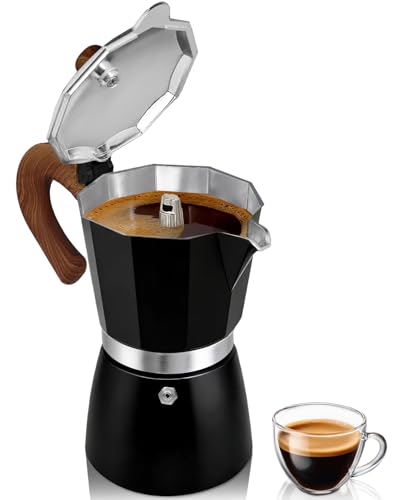 Belly Moka Coffee Maker Stovetop Espresso Maker 9 Cup Aluminum Moka Pot Percolator 15oz 450ml Easy Brewing for Electric Ceramic Stoves Home Camping Italian Cuban Café Classic Black
 Belly Moka Coffee Maker Stovetop Espresso Maker 6 Cup Aluminum Moka Pot Percolator 10oz 300ml Easy Brewing for Electric Ceramic Stoves Home Camping Italian Cuban Café Classic Silver