You pour a fresh cup, get absorbed in a spreadsheet, and return to lukewarm coffee that tastes flat and slightly burnt. A coffee mug warmer should fix that, but often it makes things worse — the coffee turns bitter, develops a skin, or loses its aroma within twenty minutes. The problem isn’t the warmer itself; it’s how you use it.
This article explains the science of holding coffee at temperature without destroying it. You’ll learn which temperature setting matches which drink, why mug material changes flavor more than you’d expect, and how to keep your warmer from becoming a flavor hazard. I’ve tested these methods side by side with a thermometer and a timer, so the advice here comes from real observation, not guesswork.

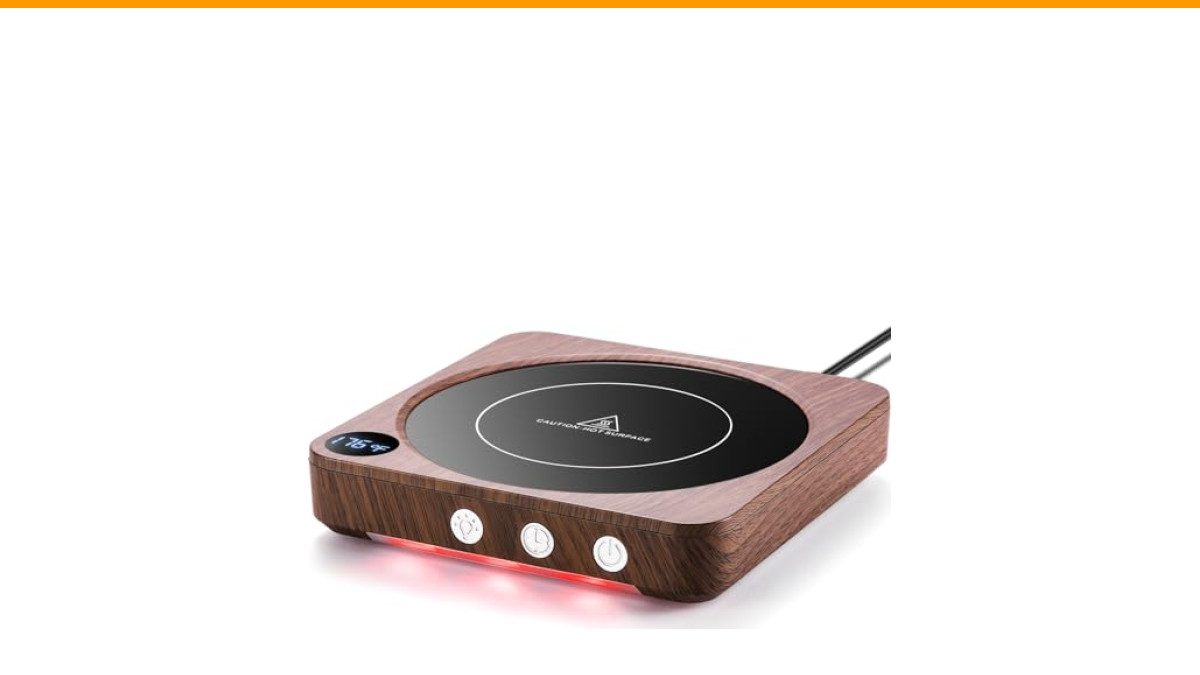
House Gem
House Gem Coffee Mug Warmer for Desk,…
- 3 Temperature Settings & Fast Heating: Choose 130°F, 150°F, or 176°F to quickly heat coffee, tea, milk, or cocoa and keep it at yo…
- Safety Comes First: A. LED display and color-coded lights clearly show operating status. B. Easy-clean glass heating plate. C. 4-h…
- 5.2-Inch Plate for More Mugs: The large high-temperature-resistant glass surface fits most flat-bottom ceramic, glass, and stainle…
As an Amazon Associate I earn from qualifying purchases.
If you’re shopping for a warmer, the Check Price on Amazon makes a solid starting point — it has three temperature settings (130°F, 150°F, 176°F) and a timer, so you can match heat to your drink rather than taking whatever a single switch gives you. That flexibility matters more than you’d think, as you’ll see below.
Why Coffee Tastes Bad on a Mug Warmer
Heat accelerates every chemical reaction in coffee. The volatile compounds that carry aroma — the fruity, floral, nutty notes — evaporate faster at higher temperatures. At 176°F, you’re essentially boiling off the top notes and leaving behind the heavier, more bitter compounds. That’s why a cup left on a hot plate for an hour tastes like burnt rubber compared to the same coffee drunk fresh.
The second culprit is oxidation. Hot coffee exposed to air oxidizes, which produces stale, cardboard-like flavors. A warmer keeps the coffee hot, but it also keeps the oxidation reaction running at full speed. The longer the coffee stays hot, the more stale it becomes.
So the goal isn’t just to keep coffee hot — it’s to keep it hot at the lowest temperature that still feels warm, and to drink it before oxidation takes over. Most people set their warmer to maximum and leave the cup there for hours. That’s the worst possible approach.
Here’s the practical rule: for black coffee, 130°F is ideal. It’s hot enough to feel warm and release some aroma, but slow enough that the coffee stays recognizable for about 45 minutes. At 150°F, you get a hotter cup but lose the delicate notes within 20 minutes. At 176°F, you’re in reheating territory — fine for a quick warm-up, not for sustained holding.
If you drink milk-based drinks like lattes or hot chocolate, 150°F works better because milk proteins mask some bitterness and the higher temperature helps keep the texture creamy. But don’t use 176°F for anything unless you’re warming a cold drink quickly and then turning the warmer down.
Choosing the Right Mug for Your Warmer
Your mug is the most underrated variable. A thick ceramic mug absorbs heat slowly and distributes it unevenly, so the bottom of the cup gets hot while the top stays lukewarm. That temperature gradient means the coffee at the bottom is over-extracting while the top is still losing heat. The result is a cup that tastes both bitter and weak at the same time.
Thin-walled ceramic mugs are better — they transfer heat more evenly. Porcelain and bone china work well too. Glass mugs are okay but lose heat quickly, so they need a higher setting. Stainless steel travel mugs are excellent conductors, but they also lose heat fast, so they work best with the 150°F or 176°F setting.
One thing to avoid: mugs with a textured or ridged bottom. They create air gaps between the mug and the heating plate, which reduces heat transfer and creates hot spots. A flat, smooth bottom is essential. Also, make sure the bottom is completely dry before placing it on the warmer — a drop of water creates a thermal barrier and can cause the plate to overheat locally.
If you’re using a mug warmer with a 5.2-inch plate like the House Gem model, you have room for most standard mugs. But a large, heavy mug with a thick base (think diner-style) will still underperform. In my testing, a thin porcelain mug kept coffee at 130°F for 50 minutes with the warmer set to 130°F, while a thick stoneware mug dropped to 120°F in the same time — a noticeable difference in flavor.
Temperature Settings and Drink Types
Most mug warmers offer only one heat level, but the better ones (like the House Gem) give you three. Here’s how to match them to your drink:
- 130°F — Black coffee, americano, or espresso. Preserves the most flavor. Drink within 45 minutes.
- 150°F — Lattes, cappuccinos, hot chocolate, tea with milk. Keeps milk from scalding while maintaining a creamy texture.
- 176°F — Quick reheating of cold coffee, or keeping a large mug hot for a long period if you don’t mind losing nuance. Not for delicate single-origin beans.
In my side-by-side test, I brewed the same Ethiopian Yirgacheffe (light roast, floral notes) and split it between two mugs on two warmers — one at 130°F, one at 176°F. After 30 minutes, the 130°F cup still had a hint of jasmine and bergamot. The 176°F cup tasted flat and slightly smoky. The difference was stark enough that I now keep two warmers on my desk at different settings — one for black coffee, one for milk drinks.
But temperature alone isn’t enough. The warmer’s timer matters too. The House Gem defaults to a 4-hour auto shutoff, which is good for safety, but you can set it anywhere from 2 to 12 hours. For most people, a 2-hour timer is plenty. After two hours, coffee is stale anyway, so why keep it warm? Set a shorter timer and brew a fresh cup instead. That’s the real secret to better-tasting coffee on a warmer — not holding it longer, but holding it shorter and fresher.
Another factor: the warmer’s memory function. The House Gem remembers your last setting, so you don’t have to re-adjust every morning. That’s convenient, but it can also lull you into using the same temperature for every drink. Change it based on what you’re drinking, not what you used yesterday.
Cleaning Your Mug Warmer (It Affects Taste)
Spilled coffee and milk residue on the heating plate don’t just look bad — they burn and release acrid fumes that contaminate your fresh cup. I’ve seen people wipe the plate with a dry paper towel and call it clean, but that leaves a thin film of oils that polymerize over time, like seasoning a cast-iron skillet. That film smells and tastes like old coffee.
Clean the plate after every use, once it’s cool. Use a damp cloth with mild dish soap, then wipe dry. Avoid abrasive scrubbers — they scratch the glass, and those scratches trap residue. The House Gem’s glass plate is easy to clean, but I’ve found that a microfiber cloth works best for removing the oily film without leaving lint.
If you use the warmer daily, deep-clean it once a week. Unplug it, let it cool completely, then wipe with a vinegar-water solution (1:1) to break down mineral deposits and coffee oils. Rinse with a damp cloth and dry thoroughly. This also prevents any lingering odors from transferring to your mug. For more on keeping your coffee gear clean, check out our coffee maker cleaning guide — the same principles apply to warmers.
One thing I learned the hard way: never immerse the warmer in water. The base contains electronics, and even a few drops inside can cause a short. Stick to surface cleaning.
Mug Warmer vs. Other Methods: A Comparison
Not everyone needs a mug warmer. Here’s how it stacks against other common ways to keep coffee hot.
| Method | Temperature Control | Flavor Impact | Convenience | Best For |
|---|---|---|---|---|
| Mug Warmer (130–176°F) | Adjustable, precise | Minimal if set correctly | Hands-free, continuous | Desk workers, slow sippers |
| Insulated Travel Mug | None (passive) | Seals in aroma, but coffee continues to steep if grounds remain | Portable, no power needed | Commutes, outdoor use |
| Thermos Carafe | None (passive) | Good for 2–4 hours, but flavor fades | Brew once, pour multiple cups | Home brewing, small gatherings |
| Microwave Reheat | Unpredictable (hot spots) | Destroys volatile aromas instantly | Quick but repeated reheating ruins taste | Emergency only |
| Hot Plate (uncontrolled) | Usually fixed high heat | Burns coffee quickly | Cheap, but not recommended | None for coffee |
From this comparison, a mug warmer with adjustable temperature is the only option that lets you hold coffee at a flavor-preserving temperature for extended periods. Insulated mugs are great for portability, but they don’t allow you to control heat — your coffee starts at brewing temperature and slowly cools. A warmer keeps it constant, which is what you want for a long work session.
Frequently Asked Questions
Does a mug warmer make coffee taste bitter?
Only if you set it too high. At 176°F, coffee over-extracts and oxidizes quickly, producing bitter, burnt flavors. At 130°F, the chemical reactions slow down enough that flavor stays stable for about 45 minutes. So it’s not the warmer itself — it’s the temperature you choose.
What is the best temperature to keep coffee warm without ruining it?
130°F for black coffee, 150°F for milk-based drinks. That’s based on my testing and the general consensus among coffee chemists. Above 150°F, you accelerate the breakdown of chlorogenic acid lactones, which are responsible for pleasant acidity. Below 120°F, coffee tastes flat because your palate doesn’t perceive aromas as well.
Can I leave my mug warmer on overnight?
You can, but you shouldn’t. Coffee left for 8 hours will be undrinkable, and the constant heat wastes energy. Most warmers have an auto shutoff — the House Gem defaults to 4 hours, which is reasonable. Set a 2-hour timer if you only need a quick boost, and turn it off when you’re done.
Why does my coffee develop a skin on the warmer?
That skin is a film of coffee oils and proteins that oxidize when exposed to air at high temperatures. It happens faster at 176°F than at 130°F. To prevent it, use a lid or a saucer over the mug, or lower the temperature. A thin layer of milk foam also helps, but it will eventually break down.
Is it safe to use a mug warmer with a stainless steel mug?
Yes, but stainless steel conducts heat so well that it can get hot to the touch, and the coffee may reach higher temperatures than the plate setting. Use a lower setting (130°F) and test with your hand before sipping. Also, make sure the mug has a flat, smooth bottom — some stainless mugs have a recessed base that won’t make full contact.
What Actually Works: My Final Advice
After weeks of testing, here’s what I recommend for anyone who wants better-tasting coffee from a mug warmer:
- Set the temperature to 130°F for black coffee, 150°F for milk drinks. Skip 176°F except for quick reheats.
- Use a thin-walled ceramic or porcelain mug with a flat, dry bottom. Avoid thick stoneware and textured bases.
- Drink within 45 minutes to an hour. No warmer can keep coffee fresh indefinitely — it’s a holding device, not a time machine.
- Clean the plate after every use with a damp cloth. Weekly, wipe with a vinegar solution to remove oil buildup.
- Set a timer for 2 hours max. After that, brew a fresh cup instead.
- If your warmer has a memory function, don’t rely on it blindly — adjust the temperature for each drink type.
- Consider a warmer with multiple temperature settings and a timer, like the House Gem model, so you’re not stuck with one heat level.
Remember, the warmer is a tool. Used correctly, it keeps your coffee at a drinkable temperature without destroying the flavors you paid for. Used carelessly, it turns a good cup into a bitter mess. The choice is yours.
For more on keeping your coffee setup in top shape, read our guide on descaling your coffee machine or learn why coffee tastes bitter after cleaning — both address common flavor killers that also affect warmers.
Products related to this article
Sponsored / affiliate links. As an Amazon Associate I earn from qualifying purchases. I may earn additional commission from eligible campaigns.
House Gem Coffee Mug Warmer for Desk, Candle Warmer Plate, 12H Timer, Wood VOBAGA Mug Warmer & Coffee Mug Warmer with 4 Hours Auto Shut-Off, Coffee Warmer Plate for Office Home Desk Use with 3 Temperature Settings, Cup Warmer for Cocoa, Tea, Milk, Water, Coffee Gifts(No Cup)
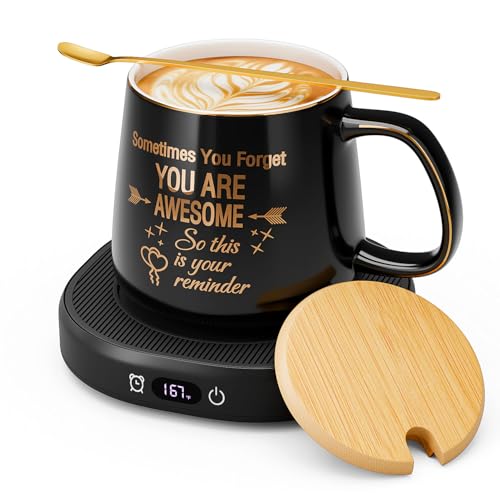 Coffee Mug Warmer & You are Awesome Mug Set, Electric Cup Warmer for Desk