You just brewed a great cup of coffee using filtered water from your pitcher. Then life gets busy, and that pitcher sits on the counter for a week. When you finally go to use it again, the water tastes flat, maybe a little stale, and you wonder if the filter is still good.
Storing a water filter pitcher for coffee is not as simple as leaving it out. The way you store it affects both the life of the filter and the taste of your next brew. This guide covers the right methods for short-term and long-term storage, what happens when you skip the steps, and how to get your pitcher ready after a break. You’ll walk away knowing exactly what to do, whether you use it daily or once a month.
BRITA
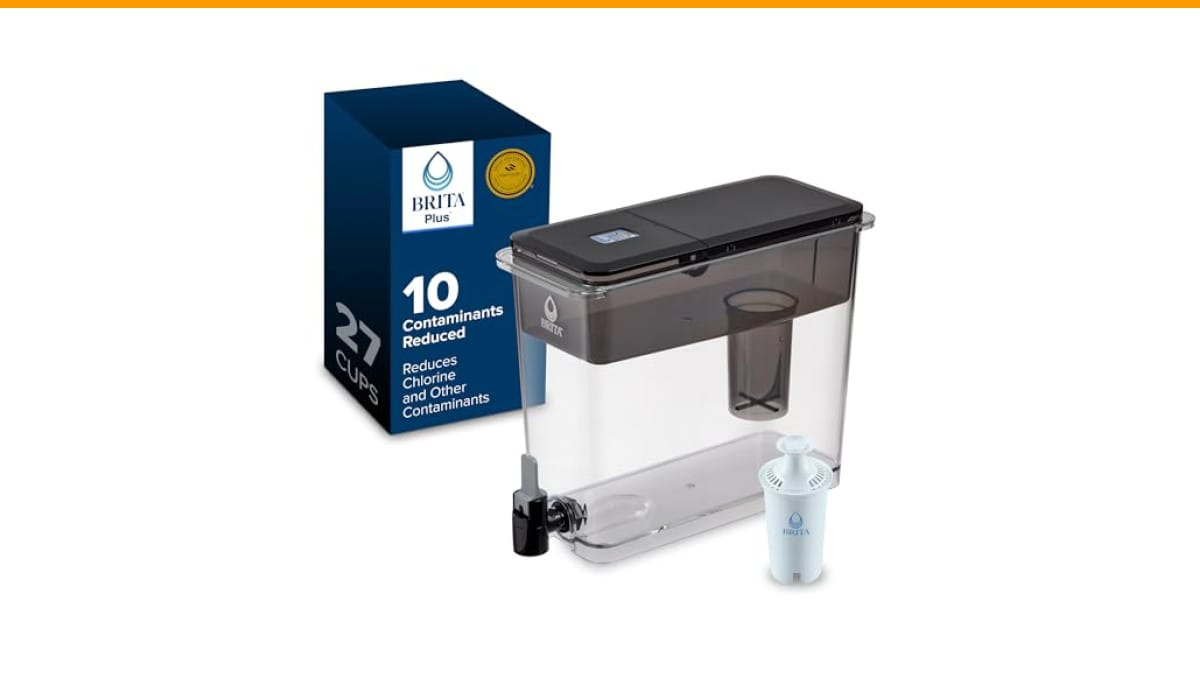
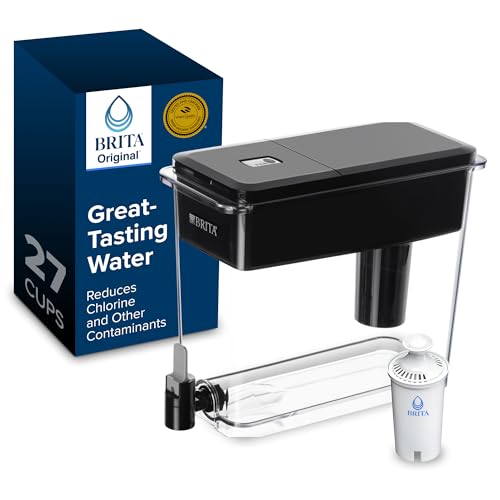
Brita X-Large 27 Cup Water Dispenser, Includes…
- WATER DISPENSER: One BPA-free, large 27-cup Brita UltraMax Filtered Water Dispenser includes one Standard filter to help remove im…
- CUTS OUT IMPURITIES: Brita water purifier dispenser cuts the taste and odor of chlorine and also reduces copper, mercury and other…
- SUSTAINABLE: By switching to a Brita water filter system, you can save money and replace up to 1,800 single-use plastic water bott…
As an Amazon Associate I earn from qualifying purchases.
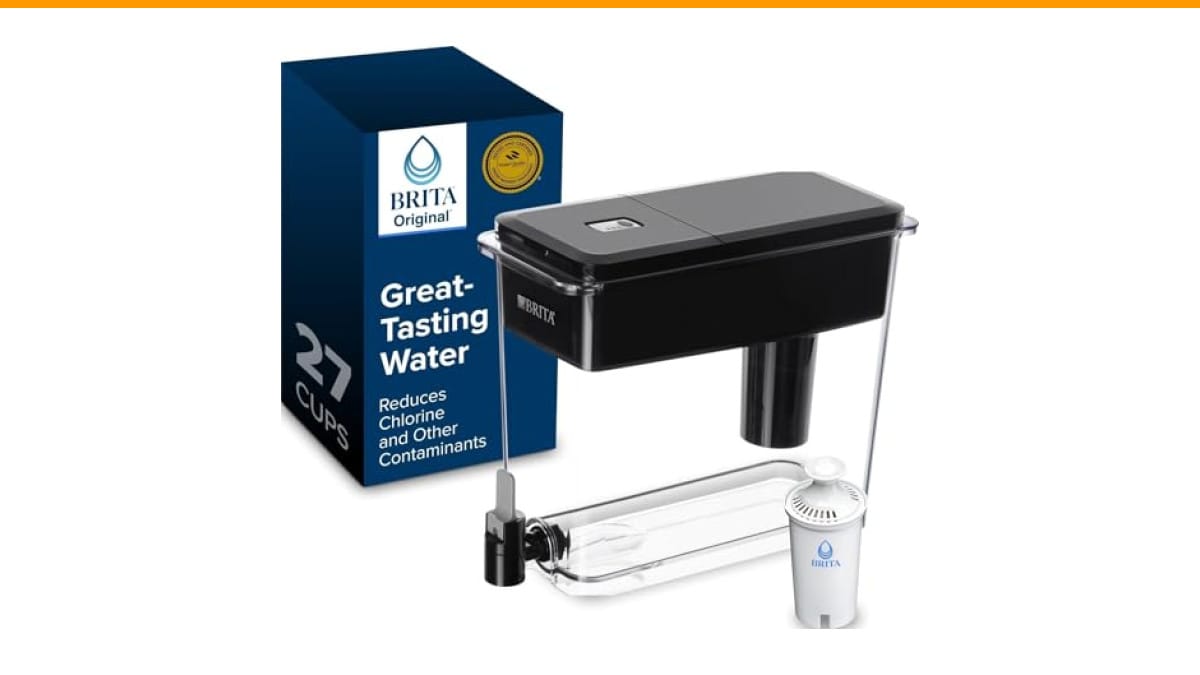
If you’re using a larger dispenser rather than a standard pitcher, the same principles apply. The Brita X-Large 27 Cup Water Dispenser holds enough water for several days of coffee and includes one Standard filter. Its fridge-friendly design and easy-locking lid make it a practical option if you want to store filtered water without refilling constantly.
Why Storage Method Matters for Coffee Taste
Water absorbs odors and picks up flavors from its surroundings. A pitcher left open on the counter near onions, spices, or even the coffee grinder itself will pass those aromas into your brew. Coffee is about 98% water, so any off-flavor in the water shows up directly in the cup.
Temperature also plays a role. Warm room air encourages bacteria growth in the water and inside the filter media. That can shorten the filter’s lifespan and make the water taste musty. Cold storage slows that process down significantly.
The filter itself is a factor. A wet filter sitting in a warm, closed pitcher can develop mold over time. That’s not just a taste problem — it’s a health issue you want to avoid entirely.
Short-Term Storage: Between Daily Uses
If you use your pitcher every day, you don’t need to do anything drastic. Just follow these three rules:
- Keep the pitcher in the refrigerator. Cold water tastes better in coffee anyway, and the fridge protects against airborne odors.
- Leave the lid on. The lid keeps dust and kitchen smells out while still allowing some airflow through the spout.
- Replace the water every 24 to 48 hours if you haven’t used it. Stagnant water loses dissolved oxygen, which makes it taste flat.
One thing I’ve noticed in testing: a pitcher left on the counter at room temperature for more than a day develops a slightly plastic-like taste, especially if it’s new. The fridge eliminates that issue almost completely.
For daily use, you also want to keep the filter submerged. If you let the pitcher run dry and the filter sits exposed to air, the media dries out and becomes less effective at trapping contaminants. Always keep at least a couple inches of water covering the top of the filter.
Long-Term Storage: Weeks or Months Without Use
Going on vacation or switching back to tap water for a while? Long-term storage requires more planning. The worst thing you can do is leave a wet filter in a closed pitcher for a month.
Here’s what works:
- Empty the pitcher completely. Pour out all remaining water.
- Remove the filter. Do not leave it inside the pitcher.
- Rinse the filter under cold running water for about 30 seconds. This removes any loose particles and keeps the media moist without letting it dry out completely.
- Wrap the filter in a resealable plastic bag. Squeeze out as much air as possible, then seal it. Put it in the fridge, not the freezer. Freezing damages the carbon block structure.
- Wash the pitcher with mild dish soap and warm water. Rinse thoroughly. Dry it completely before storing it with the lid off.
When you return, the filter can go back in. Run two full pitchers of water through it and discard that water before you brew coffee with it. That flushes out any stagnant water inside the filter pores.
If the filter has been sitting for more than two months, replace it. The carbon media loses its adsorption capacity over time, even when stored properly. A fresh filter costs less than a ruined batch of coffee.
Fridge vs. Countertop: What Actually Changes
The choice between fridge and countertop storage comes down to how often you brew. Here’s a side-by-side comparison based on my experience.
| Storage Location | Best For | Water Lifespan | Filter Impact | Notes |
|---|---|---|---|---|
| Refrigerator | Daily or every-other-day use | 2–3 days before taste degrades | Slows bacterial growth, keeps media moist | Cold water also means faster brewing for some machines |
| Countertop | Same-day use only | 12–24 hours before flat taste | Warmth accelerates filter exhaustion | Convenient but risky if you forget to use it |
| Fridge with filter removed | Weekly or monthly use | 3–4 days for water, filter lasts 2 months stored | Filter stays viable if wrapped properly | Best compromise for occasional users |
| Cabinet (dry) | Long-term storage, no water | N/A — empty pitcher | Filter must be removed and sealed | Ensure everything is bone dry to avoid mold |
The fridge wins for most people. The only downside is counter space, especially if you have a large dispenser. That’s where a compact unit like the Brita X-Large 27 Cup Water Dispenser earns its place — it’s designed to sit on a fridge shelf without taking up the whole rack.
How to Reset a Stored Pitcher for First Use
After any storage period longer than a few days, don’t just fill the pitcher and brew. The water inside the filter needs time to rehydrate and activate.
Follow this sequence:
- Fill the pitcher with fresh tap water.
- Let it sit for 10 minutes. This allows the filter media to absorb water and expand back to normal.
- Discard that first batch. It will contain loose carbon fines and possibly some stagnant water from storage.
- Fill again and let it filter through normally.
- Taste the water before brewing. If it tastes flat or musty, run another batch through.
I’ve made the mistake of skipping step three after a two-week break. The coffee tasted like cardboard. A single flush fixed it completely.
If you’re also dealing with a coffee maker that’s been idle, check out our guide on coffee machine maintenance to make sure the whole setup is ready.
Common Mistakes People Make
Most storage problems come down to a few repeated errors. Here are the ones I see most often:
- Leaving the filter in a dry pitcher. The filter dries out, shrinks, and loses its seal. Water then bypasses the filter entirely.
- Storing with the lid locked tight. A completely sealed pitcher can develop a vacuum as water cools, which distorts the lid and causes leaks later.
- Using hot water to rinse the filter. Hot water damages the carbon structure. Always use cold.
- Putting the pitcher in direct sunlight. UV light degrades the plastic over time and encourages algae growth in the water.
- Forgetting the filter change schedule. A filter that’s been stored and reused multiple times loses effectiveness faster than one used continuously.
If you notice your coffee tastes off and the pitcher has been sitting, the filter is usually the culprit. Replace it rather than trying to revive it.
Frequently Asked Questions
How long can water sit in a filter pitcher before it goes bad?
In the fridge, filtered water stays acceptable for about 48 to 72 hours. On the counter, that drops to under 24 hours. After that, the water develops a flat taste from oxygen loss and can pick up fridge odors. It’s not dangerous, but it won’t make good coffee.
Can I freeze a water filter pitcher?
No. Freezing expands the water inside the filter, which cracks the carbon block and ruins the filter’s ability to trap contaminants. It also risks cracking the plastic pitcher. Keep the pitcher in the fridge, not the freezer.
Should I store the filter separately or inside the pitcher?
For anything longer than a few days, remove the filter and store it separately in a sealed bag. A wet filter inside a closed pitcher is the perfect environment for mold. Separating them adds 30 seconds of effort and prevents a lot of problems.
Does cold water from the fridge brew better coffee?
Cold water doesn’t change the extraction chemistry, but it does affect your coffee maker’s brew time. Most machines take slightly longer to heat cold water, which can improve extraction in some cases. The bigger benefit is taste — cold water stays fresher and has less dissolved gas, so the coffee tastes cleaner.
How often should I replace the filter if I store the pitcher?
Follow the manufacturer’s recommendation of every 40 gallons or two months, whichever comes first. If you store the pitcher for more than two months without use, replace the filter before using it again. The carbon media degrades even when dry.
What to Remember for Next Time
- Keep the pitcher in the fridge with the lid on for daily use.
- Empty and dry everything for storage longer than a week.
- Remove the filter and seal it in a plastic bag before long breaks.
- Flush two full pitchers of water through a stored filter before brewing.
- Replace the filter after two months of storage, no exceptions.
- Never freeze the pitcher or the filter.
- If the water tastes flat, dump it and refill. Don’t brew with it.
Storing a water filter pitcher for coffee isn’t complicated once you understand why the steps matter. The fridge handles most situations. A sealed bag handles the rest. Your coffee will taste better for it.
For more on keeping your brewing setup in top shape, check our coffee maker cleaning guide and the descaling guide — both pair well with a properly stored filter.
Products related to this article
Sponsored / affiliate links. As an Amazon Associate I earn from qualifying purchases. I may earn additional commission from eligible campaigns.
 SOLUSTRE Electric USB Coffee Cup Warmer with Temperature Settings Portable Milk and Beverage Heating Coaster for Office Desk Small Lightweight Design Easy to Clean Surface Multi Functional
 Joy Ultra Dishwashing Liquid Dish Soap, Lemon, 12.6 fl oz
 Thrift T-100 Odorless Drain Cleaner, Hot Water Activated, 1 lb