You just pulled a great shot. The portafilter is hot, the puck is spent, and you need it out. So you tap the basket against the edge of the trash can. Coffee grounds fly everywhere. Some hit the floor, some stick to the rim, and a few manage to land in the sink. It’s a mess you clean up every single morning.
That routine is why knock boxes exist. But here’s the real question: is a espresso knock box necessary for a good cup of coffee? The short answer is no. It will not change the flavor of your espresso one bit. The longer answer, the one that matters, is about your countertop, your time, and your sanity.

Auden Arctic
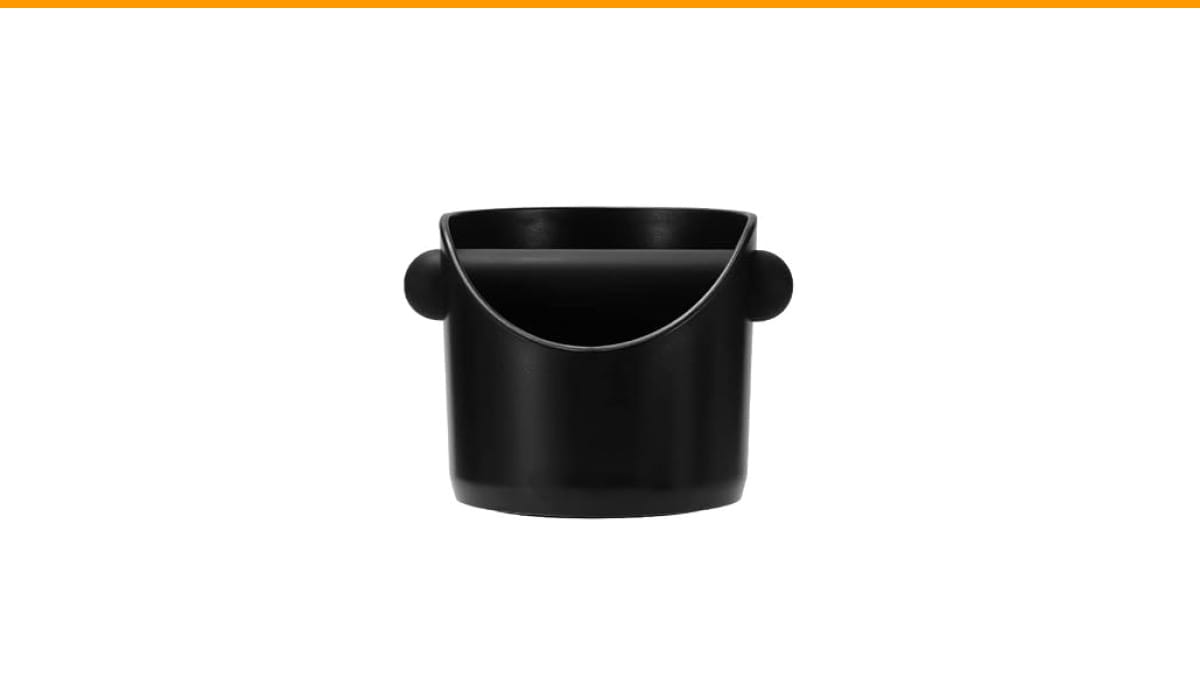
Coffee Knock Box, 4.6 in, Barista Style…
- Compact Design: This 4.6-inch barista-style knock box is perfect for collecting used espresso grounds from your espresso machine.
- Sturdy Construction: Made of heavy-duty plastic, the knock box features a non-slip base for stability.
- Removable Knock Rod: The included plastic knock rod allows for easy disposal of spent grounds.
As an Amazon Associate I earn from qualifying purchases.
I spent a month using one daily on a Breville Barista Express and a Rancilio Silvia. I also went back to old habits for a week to compare. What I found surprised me. The knock box isn’t a tool for better coffee; it’s a tool for a better workflow. Whether that is worth the counter space depends entirely on how you make coffee.
A compact option like the Auden Arctic Coffee Knock Box solves the core problem without taking over your kitchen. It is a 4.6-inch barista-style unit with a removable plastic rod and a non-slip base. It sits quietly next to the grinder and catches the puck so you don’t have to chase grounds around the sink. It’s not flashy, but it does the job.
Myth #1: You Need a Heavy Metal Knock Box
Most people assume a knock box must be heavy cast iron or stainless steel. The logic is that a heavy base absorbs the impact. That’s true for commercial cafes where a barista knocks out hundreds of pucks a day. At home, you pull two or three shots.
I tested a heavy steel box and this plastic Auden Arctic model side by side. The steel one felt solid, but the plastic one did not bounce or slide. The non-slip base grips the counter well. The key difference is the rod. A rubber or plastic rod is actually better for home use because it does not dent the basket rim. I have seen metal rods leave small dings on cheap portafilters over time.
The real issue is not the material. It’s the weight of the knock. If you slam the portafilter down like you are driving a nail, you will break any box. A firm, quick wrist flick is all you need. The puck falls out cleanly because it is dry, not because the box is heavy.
Myth #2: A Knock Box Keeps Your Coffee Fresh
This one makes no sense, but I see it repeated in forums. Some people claim that knocking the puck out immediately prevents bitterness or stale flavors. That is wrong. The shot is already brewed. The grounds have given up everything they have.
What a knock box actually does is keep your machine clean. A spent puck left sitting in the portafilter dries out and gets hard. That makes the next knock harder and leaves more residue. Removing it right away keeps the basket clean and the gasket free of debris. That is a maintenance benefit, not a flavor benefit.
If you want better flavor, focus on your espresso tasting burnt or stale, which is usually a grind or temperature issue, not a waste management issue. The knock box just keeps the workspace tidy.
What Actually Happens When You Knock Out a Puck
There is a technique to this. It looks simple, but most beginners do it wrong. You hold the portafilter handle in your dominant hand. You turn it upside down so the basket faces the rod. Then you snap your wrist down once, sharply.
If the puck is properly dried and the shot was pulled correctly, it falls out in one solid disk. If it crumbles, that tells you something about your puck prep. A crumbly puck usually means the coffee was ground too coarse or the dose was too low. A wet, sludgy puck means you under-extracted or the machine is running too cool.
So the knock box is also a diagnostic tool. I started paying attention to the shape of the puck after it hit the rod. A clean disk means my distribution and tamp were good. A messy one tells me to fix my routine. That feedback loop is genuinely useful.
I will give you one honest caveat. The Auden Arctic box is small. At 4.6 inches, it holds maybe four or five pucks before you need to empty it. If you make six shots a day, you will empty it daily. That is fine. If you want to go a week without emptying it, you need a bigger unit.
Knock Box vs. The Alternatives
You do not have to buy a knock box. There are three other ways to get rid of a puck. I tested all of them to see which actually works.
- Trash can rim: Free, but messy. Grounds stick to the plastic liner, and the portafilter is awkward to angle. You will wipe up coffee dust every day.
- Compost bucket: Great if you compost. The puck is organic and breaks down well. But it smells if you do not empty it fast, and you still need to knock the puck out somewhere.
- Paper towel or sink: Knock it onto a paper towel and toss it. This works in a pinch, but you waste paper and the grounds often scatter.
| Method | Mess Level | Counter Space | Cost | Best For |
|---|---|---|---|---|
| Knock box | Low | 4-6 inches | $15-$40 | Daily home use |
| Trash can rim | High | None | Free | Occasional use |
| Compost bucket | Medium | 6-8 inches | $20-$50 | Gardeners |
| Paper towel | Medium | None | Low | Travel, emergencies |
For a home user, the knock box wins on convenience. It contains the mess, it is always there, and it takes one second to use. The alternatives are cheaper, but they cost you time in cleanup. I would rather spend $20 and never sweep coffee off the floor again.
How to Choose the Right Size and Style
Size matters more than you think. A box that is too small means you empty it constantly. A box that is too big takes up precious counter space. For a home setup, look for a diameter that matches your portafilter basket. Most home baskets are 58mm, which is about 2.3 inches. The rod needs to be wider than that to catch the puck cleanly.
The Auden Arctic model works because the rod is removable. That is a feature you do not realize you need until you have to clean the box. With a fixed rod, you are scrubbing around a plastic post. With a removable one, you rinse the whole thing in the sink in ten seconds. The smooth interior also helps; grounds do not stick to it.
You also want to think about where it lives. If you use a semi-automatic espresso machine, the knock box goes right next to the grinder. That way, you grind, pull, and knock in one motion. If you have a fully automatic machine, you may not need a knock box at all because those machines usually have a built-in waste bin.
Frequently Asked Questions
Can I use a knock box with a plastic portafilter?
Yes, but be gentle. Plastic baskets are more flexible than metal ones. A sharp, hard knock can warp the basket over time. Use a light wrist flick and let the puck fall out on its own. If it does not come out, your puck is too wet, which is a separate problem.
How often should I empty the knock box?
Every time you finish your coffee session. Do not let pucks sit overnight. They dry out and start to smell, especially in warm kitchens. A quick rinse and wipe down once a week is enough to keep it fresh.
Is a knock box the same as an ashtray?
No. An ashtray is too shallow and does not have a rod. The rod is essential because it gives the puck something to hit. Without it, the puck just slides around the bottom of the tray.
Do I need one if I use a paper filter in the portafilter?
No. Paper filters make the puck come out much easier. You can often just tap the portafilter over the trash and the whole thing slides out. A knock box is still handy for catching the filter, but it is not a requirement.
Can a knock box damage my espresso machine?
No, not the machine. But it can damage the portafilter if you use too much force. The force travels up the handle and can loosen the plastic insert over time. Always knock straight down, never at an angle.
What I Learned After a Month of Testing
I was skeptical at first. A knock box seemed like a gadget for people who like buying gadgets. After a month, I changed my mind. It is not about the coffee. It is about the ritual. The knock box makes the cleanup part of the workflow feel intentional instead of chaotic.
Here is what I would tell a friend who is on the fence:
- You do not need one to make good espresso. The shot tastes the same either way.
- You will use it every single day if you buy it. It is not a gadget that collects dust.
- Get a compact model with a removable rod. It is easier to clean and takes less space.
- Do not overpay. A $20 box works as well as a $60 box for home use.
- Empty it daily. Stale pucks smell bad and attract fruit flies.
- If you have a fully automatic machine with a waste bin, skip the knock box entirely.
- Watch your puck shape. It is a free diagnostic tool for your grind and tamp.
If your countertop is cramped, you can skip it. But if you have the space, the convenience is worth it. I would recommend the Auden Arctic knock box for a home setup. It is small, sturdy, and easy to rinse out. Check the current price on Amazon if you are interested.
For more on keeping your machine running smoothly, read our guide on espresso machine noise issues or check out the best automatic espresso machines under $1000 if you are thinking about upgrading your setup.
Products related to this article
Sponsored / affiliate links. As an Amazon Associate I earn from qualifying purchases. I may earn additional commission from eligible campaigns.
 Coffee Espresso Machine Handle Replacement Parts, Cafe Bracket Handle for Lidl Silvercrest CM4621 CM4218 KF5002 KF500S Barista (for 51mm Portafilter Basket - Not included)
 Linnkyfloa Coffee Espresso Maker Handle Replacement for Stovetop Moka Pot or Percolator, Black Plastic for Spare Part Compatible with Italian(9-12 Cup)
 MIBOTE Silicone Cooking Kitchen Utensils Set, Wooden Handle, Coffee