You pull the lever, wait for the warm-up light, and nothing happens. The machine sits there cold. The portafilter stays room temperature. No steam, no hot water, just silence. This is the most common failure on semi-automatic espresso machines, and it’s almost always fixable at home.
Most heating failures come down to three parts: the thermal fuse, the thermostat, or the heating element itself. You don’t need a technician to diagnose it. You need a multimeter, about thirty minutes, and a clear head. This guide walks through the exact sequence to identify which part failed and how to replace it safely.

MacMaxe
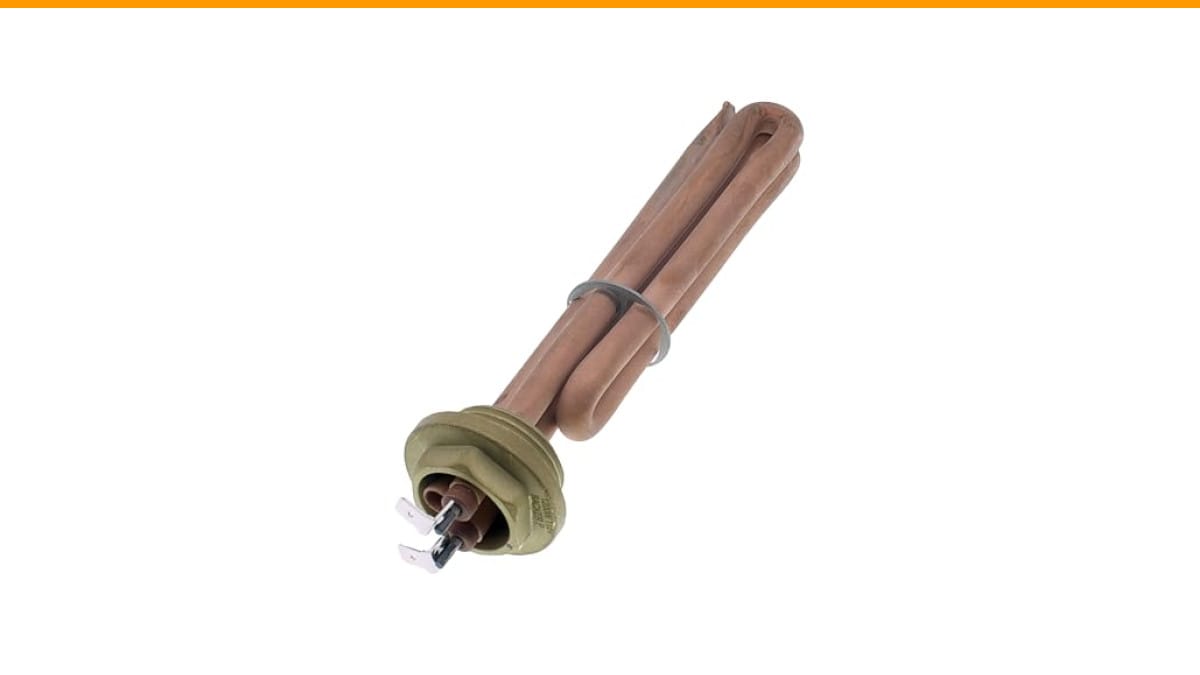
MacMaxe Heating Element for Oscar & Musica…
- Perfect Fit for Oscar & Musica Machines – Engineered for seamless compatibility.
- Reliable Heating Performance – Maintains consistent water temperature for optimal espresso extraction.
- Premium Quality Replacement – Durable and efficient for long-term use.
As an Amazon Associate I earn from qualifying purchases.
You’ll also learn what to check before you buy any parts, because sometimes the machine isn’t broken at all. A tripped breaker or a faulty power switch mimics a dead heater perfectly.
If your diagnosis lands on a burned-out heating element, the MacMaxe replacement heating element fits Oscar and Musica machines with a 1200W, 115V rating. It’s a direct swap for part #14100041, so you won’t be adapting wires or bending brackets. Keep that part number in mind as you read through the steps below.
First, Confirm the Machine Actually Has Power
Before you open anything, check the basics. A machine that won’t heat often still lights up the control panel, which fools people into thinking power is fine. The pump might run, but the heater stays cold. That points to the heating circuit, not the main power supply.
Plug the machine into a different outlet. Use one you know works, like the one powering your toaster. If the machine has a power switch on the back, toggle it a few times. These switches wear out internally and can fail in the on position visually but not electrically.
Check your breaker panel too. A tripped GFCI outlet is a classic culprit. Press the reset button on the outlet and try again. This sounds obvious, but I’ve had two machines brought to me that just needed a reset.
If the machine still won’t heat, grab a multimeter. Set it to continuity mode. Unplug the machine and test the power cord from the plug to the internal wiring. No continuity means a broken cord. That’s a cheap fix.
Test the Thermal Fuse and Thermostat First
The thermal fuse is a small white or yellow component with two wires. It sits near the boiler. Its job is to kill power to the heater if the boiler overheats. Once it blows, it’s dead permanently. You cannot reset it.
Locate the fuse. On most semi-automatic machines, you’ll need to remove the top cover or the side panel. Usually four to six screws. Take photos with your phone before you disconnect anything. Future you will appreciate it.
Disconnect the two wires from the thermal fuse. Set your multimeter to continuity. Touch the probes to the fuse terminals. If it reads open (no beep), the fuse is blown. Replace it with the exact same rating. Common ratings are 169°C or 192°C. Installing the wrong temperature rating is dangerous, so match it exactly.
The thermostat works differently. It’s a mechanical switch that opens and closes based on temperature. Some are manual reset types with a small red button. If you see a red button, press it. Sometimes that’s the entire problem.
Test the thermostat the same way. At room temperature, it should show continuity. If it reads open, replace it. Thermostats are cheap, usually under fifteen dollars, and they fail more often than people expect.
Check the Heating Element with a Multimeter
If the fuse and thermostat both test fine, the problem is the heating element itself. The element is a metal rod that sits inside the boiler. It has two terminals on the outside where wires connect. Over time, minerals in the water corrode the element until it breaks internally.
Unplug the machine completely. Let the boiler cool down if you’ve been running it. Disconnect the two wires from the element terminals. Set your multimeter to ohms. Touch the probes to the two terminals.
A good element reads between 10 and 16 ohms for a 1200W heater at 115V. That’s the math. If you get an open reading, the element is burned out. If you get a very low reading, like near zero, the element might be shorted internally, which usually trips the breaker.
You should also test for a ground fault. Set the multimeter to continuity. Touch one probe to a terminal and the other to the metal boiler body. If it beeps, the element is leaking current to ground. That’s a safety hazard and a definite replacement trigger.
| Component | Expected Multimeter Reading | Typical Failure Symptom | Replacement Cost |
|---|---|---|---|
| Thermal Fuse | Continuity (beep) | No heat at all, no reset possible | $5 – $15 |
| Thermostat | Continuity at room temp | Intermittent heat, or no heat with red button tripped | $10 – $25 |
| Heating Element | 10 – 16 ohms | Cold boiler, breaker trips, or slow to heat | $30 – $80 |
| Power Switch | Continuity when switched on | Machine dead, no lights at all | $10 – $20 |
How to Replace the Heating Element Step by Step
Once you’ve confirmed the element is dead, order the replacement. Make sure it matches your machine’s voltage and wattage. A 115V element in a 230V machine will burn out fast. A 230V element in a 115V machine won’t heat properly at all.
Here’s the replacement sequence for most semi-automatic machines:
- Unplug the machine and drain the boiler. Open the steam wand and let all water out. Tilt the machine to get the last drops out.
- Remove the boiler cover or the element access plate. On Oscar and Musica machines, that’s usually the bottom plate after removing the drip tray.
- Disconnect the wires. Mark them with tape so you know which goes where. Take a photo first.
- Unscrew the element. It’s often held by a large nut or three bolts. The element sits on a rubber gasket. That gasket is usually worn too, so replace it while you’re in there.
- Clean the boiler opening. Scrape off old gasket material and scale. A wire brush works well. You want a clean, flat surface for the new gasket.
- Install the new element. Tighten the nut or bolts evenly. Don’t over-torque. You’ll crush the gasket and create a leak.
- Reconnect the wires. Double-check the photo you took.
- Fill the boiler with water before powering on. Running a dry element destroys it in seconds.
- Power on and test. Watch for leaks around the element. If it drips, tighten slightly while the machine is hot.
Pro tip: use a torque wrench if you have one. Most elements need around 15-20 Nm. Too tight cracks the boiler, too loose leaks.
Three Mistakes That Ruin the Fix
Mistake one: not draining the boiler first. You’ll spill hot water everywhere and risk burns. Always drain completely and let the machine cool for at least an hour.
Mistake two: replacing the element without checking the thermostat. If the thermostat is stuck closed, the boiler will overheat and blow the new element. Test both before you install anything.
Mistake three: skipping the gasket. The old gasket is compressed and brittle. Reusing it almost guarantees a leak. Spend the extra five dollars and get a fresh one.
One more thing worth noting: if your machine is under warranty, don’t open it. You’ll void the coverage. Call the manufacturer first. This DIY path is for machines that are out of warranty or already beyond saving.
Frequently Asked Questions
Why does my espresso machine turn on but not heat up?
The control board lights up because it runs on low voltage, but the heating circuit is separate. If the pump runs and the lights work, the problem is almost always the thermal fuse, thermostat, or heating element. Test them in that order with a multimeter.
Can a clogged water line cause heating problems?
Not directly. A clogged line stops water flow, but the heating element still heats. You might see steam or a boiling noise, but the machine won’t stop heating entirely. If you have no heat and no water flow, you likely have two separate issues.
How long does a heating element last?
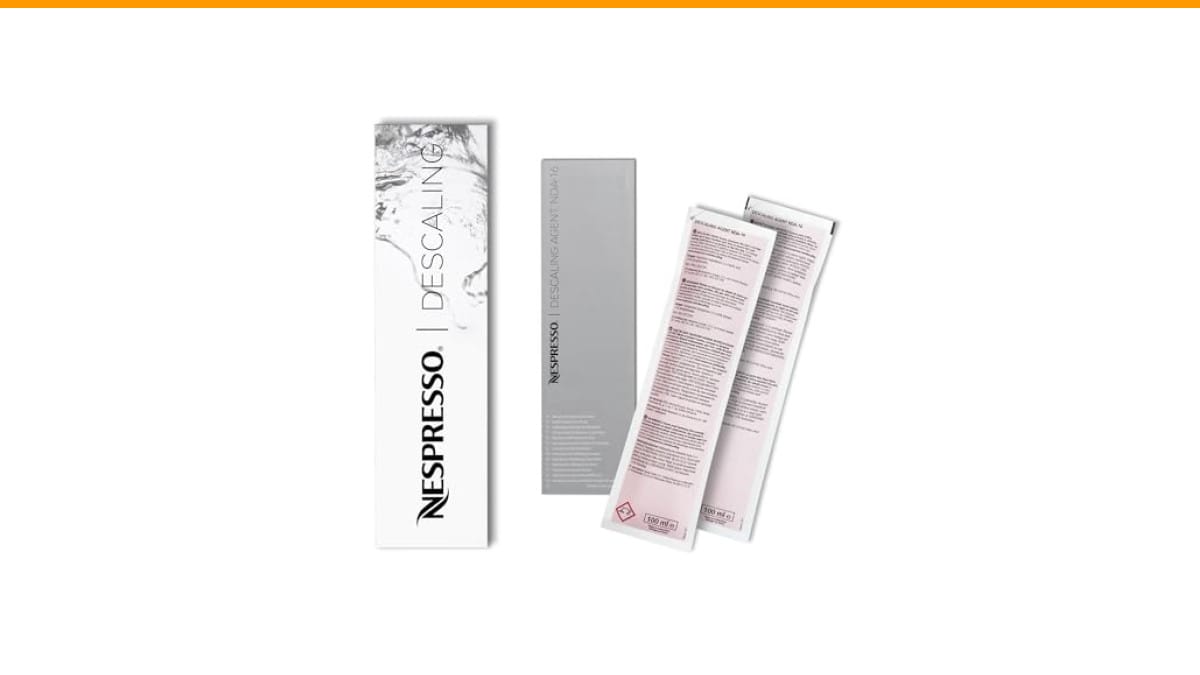
Depends on water hardness. With soft water, five to seven years is normal. With hard water and no descaling, it can die in two years. Scale acts as an insulator, so the element overheats and burns out. Regular descaling extends the life significantly.
Is it worth fixing an old espresso machine?
If the machine is otherwise solid, yes. A heating element costs under a hundred dollars. A new semi-automatic machine runs several hundred. If the pump, group head, and boiler are in good shape, replacing the element gives you another five years of service.
What tools do I need for this repair?
A multimeter is the only essential tool. You’ll also need a screwdriver set, maybe a socket wrench for the element nut, and pliers for stubborn wire connectors. A torque wrench is nice but not mandatory. Most people have everything except the multimeter, which costs about twenty dollars.
What to Remember When Your Machine Goes Cold
You don’t need to panic when the warm-up light stays off. The fix is usually straightforward and cheap. Here’s what to keep in mind:
- Test the outlet and power switch before opening anything. It’s free and takes two minutes.
- Always unplug the machine and let it cool before touching internal parts.
- Use a multimeter to test the thermal fuse, thermostat, and element in that order.
- Match replacement parts exactly. Wrong voltage or temperature ratings cause failures or safety risks.
- Replace the gasket whenever you touch the heating element. It’s not worth a second teardown.
- Drain the boiler completely before removing any component.
- If you’re not comfortable with electrical work, call a technician. A mistake here can be dangerous.
If you’re also dealing with other common failures, check our guides on noisy machines and water leaks. They cover the next two most frequent repair jobs. And if you’re weighing a full replacement, our automatic vs semi-automatic comparison will help you decide where to put your money.
Products related to this article
Sponsored / affiliate links. As an Amazon Associate I earn from qualifying purchases. I may earn additional commission from eligible campaigns.
 Coffee Espresso Machine Handle Replacement Parts, Cafe Bracket Handle for Lidl Silvercrest CM4621 CM4218 KF5002 KF500S Barista (for 51mm Portafilter Basket - Not included)
 Quick Heating Cup Warmer, Three Temperature Settings, Splashproof and Portable, for Coffee, Milk, Lightweight ABS Material
 House Gem Coffee Mug Warmer for Desk, Candle Warmer Plate, 12H Timer, Wood