You’re standing there at 6:40 a.m., mug in place, pod loaded, and you hit the brew button. The machine hums, maybe pumps a little water, and then… nothing. Or worse, it dribbles out lukewarm water that barely tints the coffee. The single serve coffee maker not heating is one of the most common failures in pod machines, and it’s almost never a sign you need a new unit.
Most heating issues trace back to a handful of causes: scale buildup, a tripped thermal fuse, a failing heating element, or a pump that’s pushing water through too fast to get hot. Some of these you can fix in ten minutes with things you already own. Others need replacement parts. This guide walks through each cause in the order you should check them, tells you what to look for, and gives you a realistic sense of which repairs are worth doing.

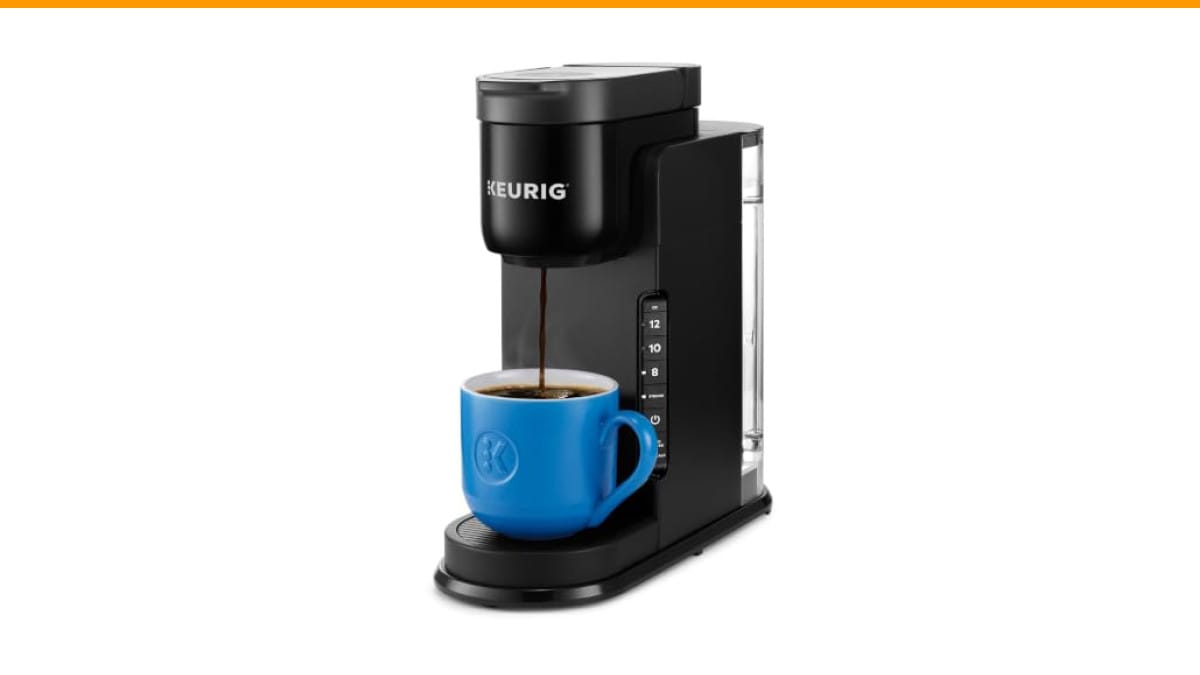
Keurig
Keurig K-Express Single Serve K-Cup Pod Coffee…
- STRONG BREW: Increases the strength and bold taste of your coffee’s flavor.
- 3 CUP SIZES: Brew an 8, 10, or 12 oz. cup at the push of a button.
- MULTIPLE CUP WATER RESERVOIR: 42oz. removable reservoir lets you brew up to 4 cups before refilling. 8 oz. cup size
As an Amazon Associate I earn from qualifying purchases.
If you’re shopping rather than repairing, the Keurig K-Express is a solid budget-friendly option that avoids several of these failure points. Its 42-ounce removable reservoir makes descaling easier than fixed-tank models, and the simple three-button interface means fewer electronics to fail. But let’s get your current machine running first.
Start With the Obvious: Water Flow and Thermal Fuse
Before you take anything apart, run a brew cycle with no pod and watch what comes out. If water flows but isn’t hot, you’re dealing with a heating problem. If water barely trickles or doesn’t come out at all, the heating element may be fine — the machine just isn’t moving water through it.
Most single serve machines heat water on demand, meaning cold water passes over a heating element as it’s pumped through. A slow pump gives the water more contact time with the element, so it comes out hotter. A weak or failing pump can push water through in a rush, producing lukewarm output even though the element is working perfectly.
Now, the thermal fuse. This is a small component wired in series with the heating element. It’s designed to blow if the machine overheats, cutting power to the element permanently. It’s a one-time safety device — once it trips, it doesn’t reset. If your machine was left on with an empty reservoir, or if it ran dry during a brew cycle, the fuse is your prime suspect.
You can test it with a multimeter set to continuity mode. The fuse sits near the heating element, usually inside the base of the machine. Unplug the unit, remove the bottom plate, and trace the wires from the heating element to find it. If the multimeter shows no continuity, the fuse is blown. Replacement fuses cost a few dollars and are available online.
Scale Is the Real Culprit in Most Machines
Mineral buildup from hard water is the number one cause of heating failures. Scale acts as an insulator. It coats the heating element, so the element gets hot internally but can’t transfer that heat to the water. The result is lukewarm coffee and a machine that works harder than it should.
Here’s the telltale sign: your brew time has gotten noticeably longer over the past few weeks, and the coffee temperature has dropped gradually. That’s scale building up, not a sudden failure. A sudden total loss of heat points more toward the thermal fuse or heating element itself.
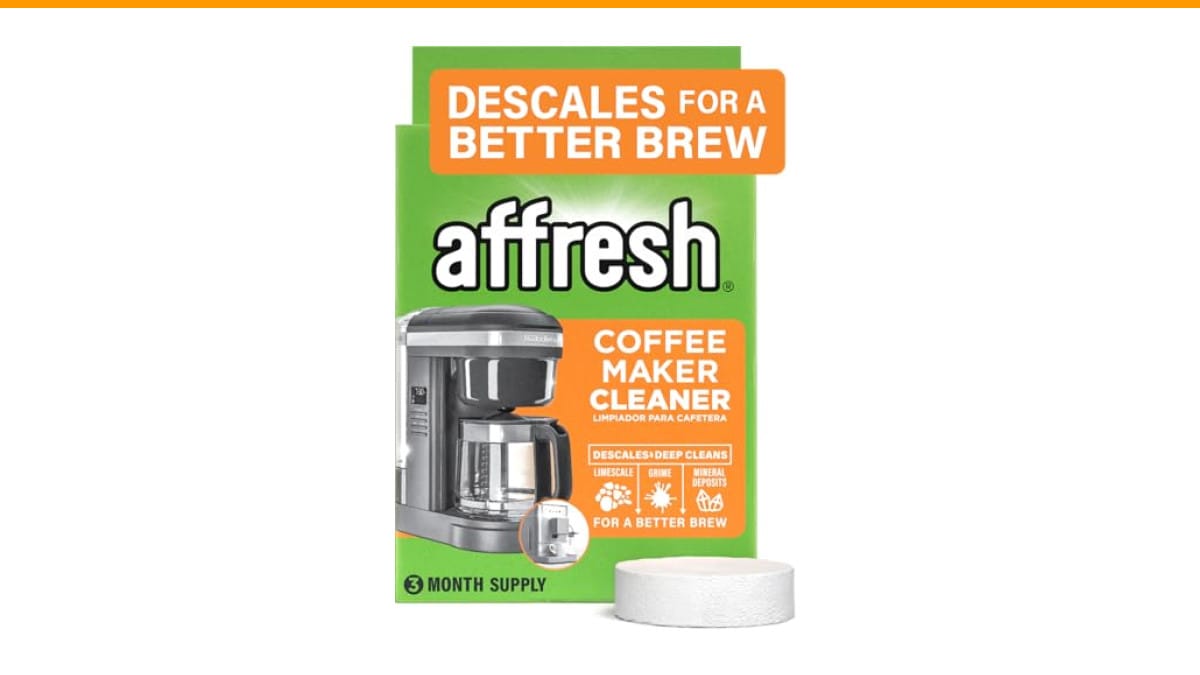
Descaling is the fix. You can buy commercial descaler, or use a 50/50 mix of white vinegar and water. Run the mixture through a full brew cycle, then run two or three cycles with plain water to flush it out. For machines with a removable reservoir like the Keurig K-Express, this is straightforward — you can fill the reservoir directly with the descaling solution.
If you’ve never descaled your machine and it’s more than a year old, do this before you buy any replacement parts. It’s shocking how often this single step resurrects a machine that seemed dead. For a deeper walkthrough of the process, check our guide on proper coffee maker cleaning.
Heating Element Failure: When to Repair vs. Replace
The heating element itself is the next thing to test. It’s a metal tube with two wire connections, usually rated between 100 and 150 ohms for a typical 120-volt machine. Set your multimeter to resistance mode and touch the probes to the two terminals. If you get no reading at all, the element is open and needs replacing.
Replacing a heating element is doable if you’re comfortable with basic disassembly. You’ll need to remove the bottom panel, disconnect the wires, unscrew the element from the boiler or water block, and install the new one. It’s a 30- to 60-minute job for someone with basic tools. Replacement elements run between $15 and $30 depending on the brand.
But here’s the honest math. A budget single serve machine costs $50 to $90 new. If you’re looking at a heating element replacement plus a thermal fuse plus descaling, you’re approaching half the cost of a new unit. And older machines often have other worn parts — the pump, the o-rings, the check valve. My rule of thumb: if the machine is under two years old and everything else checks out, replace the element. If it’s older, put that money toward a new machine.
One thing to check before you order any parts: the wiring connections to the heating element. Loose or corroded terminals can cause intermittent heating or no heating at all. Unplug the machine, pull the connectors off, and look for green corrosion or burn marks. Clean the terminals with fine sandpaper and reseat them firmly. This fixes a surprising number of machines.
Pump Problems That Mimic Heating Failures
The pump is the other major player. If your machine’s pump is weak, it may still push water through, but at a slower rate. That sounds like it should make hotter coffee, not colder. But many machines have a flow sensor that adjusts heating power based on flow rate. A weak pump can confuse that sensor, causing the heating element to cycle off at the wrong time.
The symptom to look for: your brew takes much longer than it used to, and the coffee is lukewarm. If you time it, a normal 8-ounce brew should take about 60 to 90 seconds. If it’s stretching past two minutes, the pump is struggling.
Pump replacement is more involved than a heating element. The pump is usually a small vibratory unit mounted near the bottom of the machine, connected to the reservoir inlet and the heater outlet. You’ll need to remove more of the housing to access it. Replacement pumps run about $20 to $40.
Before you go that route, check the inlet screen or filter where the water enters the pump. A clogged screen restricts flow and makes the pump work harder. Clean it with a soft brush and see if that restores normal flow. Also check the reservoir’s check valve — if it’s stuck, the pump has to pull against a vacuum.
Comparing Your Repair Options
| Issue | Diagnostic Test | Repair Cost | Time | Worth It? |
|---|---|---|---|---|
| Scale buildup | Slow brew, gradual temp drop | $0 (vinegar) | 30 min | Always |
| Thermal fuse blown | No continuity on multimeter | $5–$10 | 20 min | Yes, if machine is under 3 years |
| Heating element open | No resistance reading | $15–$30 | 45 min | Only if machine is newer |
| Weak pump | Brew time over 2 minutes | $20–$40 | 1 hr | Borderline — consider new unit |
| Loose/corroded terminals | Intermittent heating, visible corrosion | $0 | 10 min | Always try first |
Prevention: Keep It From Happening Again
Once you’ve fixed the machine, the goal is to never deal with this again. The single biggest thing you can do is descale on a schedule. If you have hard water, that means every one to two months. If you use filtered water, every three months is plenty. Mark it on your calendar — the reminder is worth it.
Use the right water, too. Distilled water doesn’t cause scale, but it can leach minerals from the machine over time. Filtered tap water is the sweet spot. And never run the machine with an empty reservoir. That’s the fastest way to trip the thermal fuse.
If your machine has a removable reservoir, clean it weekly with warm soapy water and rinse thoroughly. If it doesn’t, run a vinegar cycle monthly. For more on keeping your machine in good shape, read about how often to clean your coffee maker.
Questions People Actually Ask
Why is my Keurig not heating but pumping water?
That points to the heating element or the thermal fuse, not the pump. The pump is working fine — it’s moving water — but the water isn’t getting hot. Test the fuse first with a multimeter. If it’s blown, replace it. If the fuse is fine, test the heating element for continuity. One of those two is almost always the culprit.
Can I use vinegar to fix a coffee maker that isn’t heating?
Yes, if the cause is scale. Vinegar dissolves the mineral buildup that insulates the heating element. Run a 50/50 vinegar-water solution through a full brew cycle, then flush with clean water. If the machine still doesn’t heat after descaling, the problem is a component failure, not scale.
How do I know if my thermal fuse is blown?
You need a multimeter. Unplug the machine, access the fuse (usually near the heating element under the base), and test for continuity. A blown fuse shows no continuity — the meter won’t beep or show a reading. The fuse is a safety device, so it doesn’t reset. You have to replace it.
Is it worth repairing a $50 coffee maker?
Depends on the fix. A thermal fuse replacement costs under $10 and takes 20 minutes — absolutely worth it. A heating element replacement costs more and takes longer. If the machine is out of warranty and more than two years old, I’d lean toward buying a new one. The Keurig K-Express is a reasonable replacement that won’t break the bank.
Why does my coffee maker make lukewarm coffee but still brews?
Lukewarm output with normal flow almost always means scale. The heating element is working, but the mineral layer on it prevents heat transfer to the water. Descaling fixes this in most cases. If you’ve descaled recently and the problem persists, test the heating element — it may be partially failed and producing less heat than it should.
What to Do Next
- Run a descaling cycle with vinegar or commercial descaler before you buy any parts — it fixes more machines than any other step.
- Test the thermal fuse with a multimeter. A blown fuse is a $5 fix that takes 20 minutes.
- Check the heating element’s resistance. No reading means it’s dead and needs replacement.
- Inspect wire terminals for corrosion or looseness — clean and reseat them before ordering anything.
- Time your brew cycle. Over two minutes for 8 ounces points to a pump issue, not a heating issue.
- If the machine is over two years old and needs a heating element or pump, compare repair cost against a new unit.
- Prevent recurrence by descaling monthly with hard water and never running the reservoir dry.
Products related to this article
Sponsored / affiliate links. As an Amazon Associate I earn from qualifying purchases. I may earn additional commission from eligible campaigns.
 HomeBeyond Espresso Coffee Maker 12 Cups, Classic Stovetop Espresso Maker, 600ml / 20oz Coffeemaker for Gas & Ceramic Stovetops (Silver)
 House Gem Coffee Mug Warmer for Desk, Candle Warmer Plate, 12H Timer, Wood
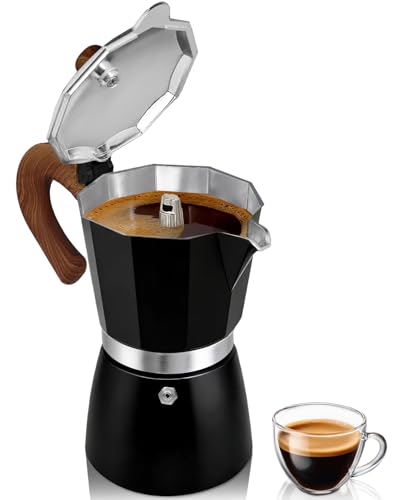 Belly Moka Coffee Maker Stovetop Espresso Maker 9 Cup Aluminum Moka Pot Percolator 15oz 450ml Easy Brewing for Electric Ceramic Stoves Home Camping Italian Cuban Café Classic Black