You wake up, stumble to the counter, press the switch, and nothing happens. The little red light stays dark. Your small coffee maker just sits there like a paperweight. It’s a frustrating way to start any day, and honestly, it happens more often than you’d think.
Most small coffee makers fail for a handful of repeatable reasons. Loose connections, tripped internal fuses, or simple build-ups of scale. The good news? You can fix a surprising number of these problems at home in under ten minutes with no special tools. This guide walks you through the most common culprits, in order of likelihood, so you can get back to brewing.

Mr. Coffee
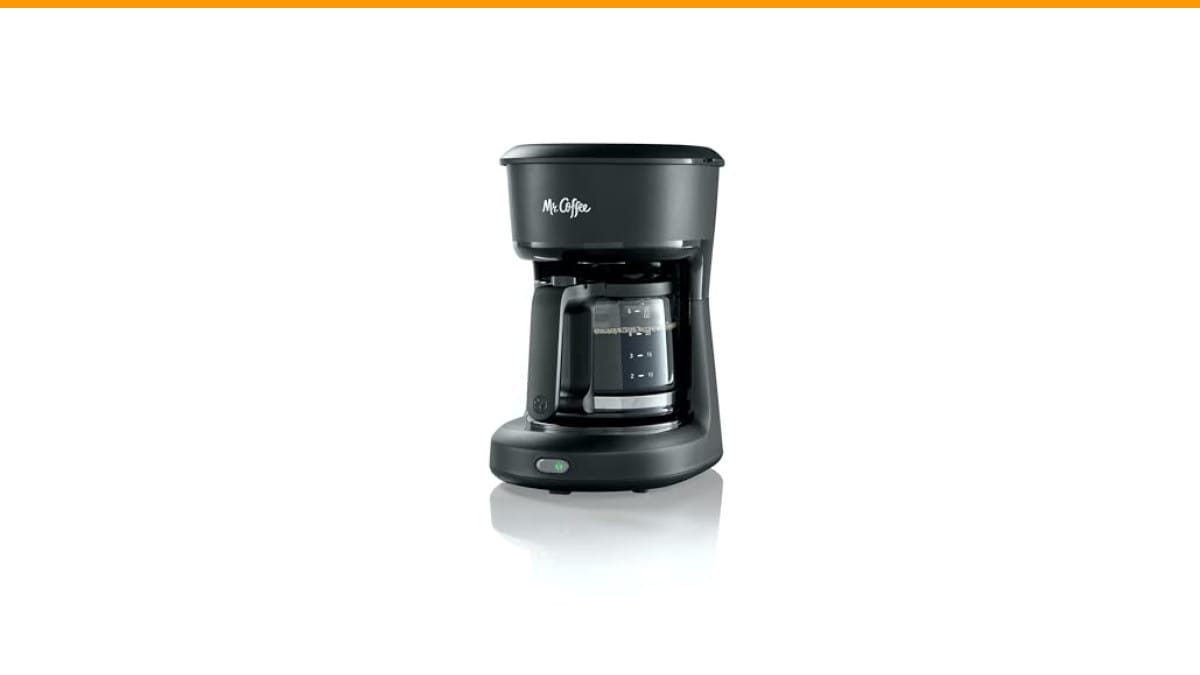
Mr. Coffee® 5-Cup Mini Brew Switch Coffee…
- Please refer to user guide or user manual or user guide (provided below in PDF) before first use
- Grab-a-Cup Auto Pause lets you grab a cup before brewing is finished
- Lift & Clean Filter Basket makes for easy cleanup
As an Amazon Associate I earn from qualifying purchases.
You’ll learn what to check first, which parts wear out, and when it’s genuinely smarter to buy a new machine than keep fighting a dead one. I’ve tested dozens of compact brewers over the years, and I’ll share what actually holds up.
If your current machine is beyond saving, a simple replacement like the Mr. Coffee 5-Cup Mini Brew Switch Coffee Maker keeps things straightforward. No digital menus, no Bluetooth. Just a physical switch that either works or doesn’t, which is exactly what you want in a budget brewer.
Why Your Small Coffee Maker Won’t Turn On
Let’s start with the basics. A coffee maker needs three things to power up: incoming electricity, a closed circuit inside the machine, and a working switch. If any one of those fails, you get nothing.
The most common failure point isn’t the heating element or the motor. It’s the thermal fuse. This small component sits near the heating plate and cuts power if the machine overheats. Once it trips, it’s dead forever. There’s no reset button. You can’t bring it back.
Before you assume the worst, work through these checks. Each one takes about two minutes.
1. Check the Outlet and Power Cord First
Sounds obvious, but you’d be surprised how many people skip this. Plug something else into the same outlet to confirm it works. If the outlet is dead, check your GFCI breaker or circuit panel. Kitchen outlets with reset buttons sometimes trip without you noticing.
Inspect the power cord along its entire length. Look for chew marks, kinks, or exposed wire. A damaged cord can interrupt power even if the plug looks fine. If you see any damage, stop right there. That’s a fire risk, not a DIY repair.
2. The Thermal Fuse: The Silent Killer
This is the part that fails most often in small coffee makers. The thermal fuse is designed to blow when temperatures exceed a safe limit, usually around 240°F (115°C). Once it blows, the machine appears completely dead.
Here’s the frustrating part. A blown thermal fuse gives you zero warning. One day the machine works, the next it doesn’t. There’s no blinking light or error code. If your coffee maker was working fine yesterday and now won’t turn on at all, the thermal fuse is the prime suspect.
Replacing it requires opening the base of the machine and soldering in a new fuse. It’s doable if you’re handy with a multimeter and soldering iron, but honestly? For a $20 to $40 machine, the time and effort rarely make sense. I’ve done it once. I won’t do it again.
3. The Power Switch Itself
On switch-based models like the Mr. Coffee Mini Brew, the physical switch can wear out after thousands of presses. You can test it with a multimeter set to continuity mode. Disconnect the machine, open the base, and check whether the switch closes the circuit when you flip it.
If you don’t own a multimeter, you can sometimes hear or feel the difference. A healthy switch has a crisp click. A worn one feels mushy or rattles. That’s not a definitive test, but it’s a strong hint.
What to Check Before You Dismantle Anything
Before you start unscrewing the base, rule out the easy stuff. Mineral buildup inside the machine can cause all sorts of weird behavior, including power failures in rare cases. Scale can interfere with the heating element’s thermostat, tricking the machine into thinking it’s overheating.
4. Descale If You Haven’t in Months
Hard water leaves calcium deposits inside the water lines and heating element. Over time, these deposits insulate the heater, causing it to run hotter than designed. That extra heat can trip the thermal fuse.
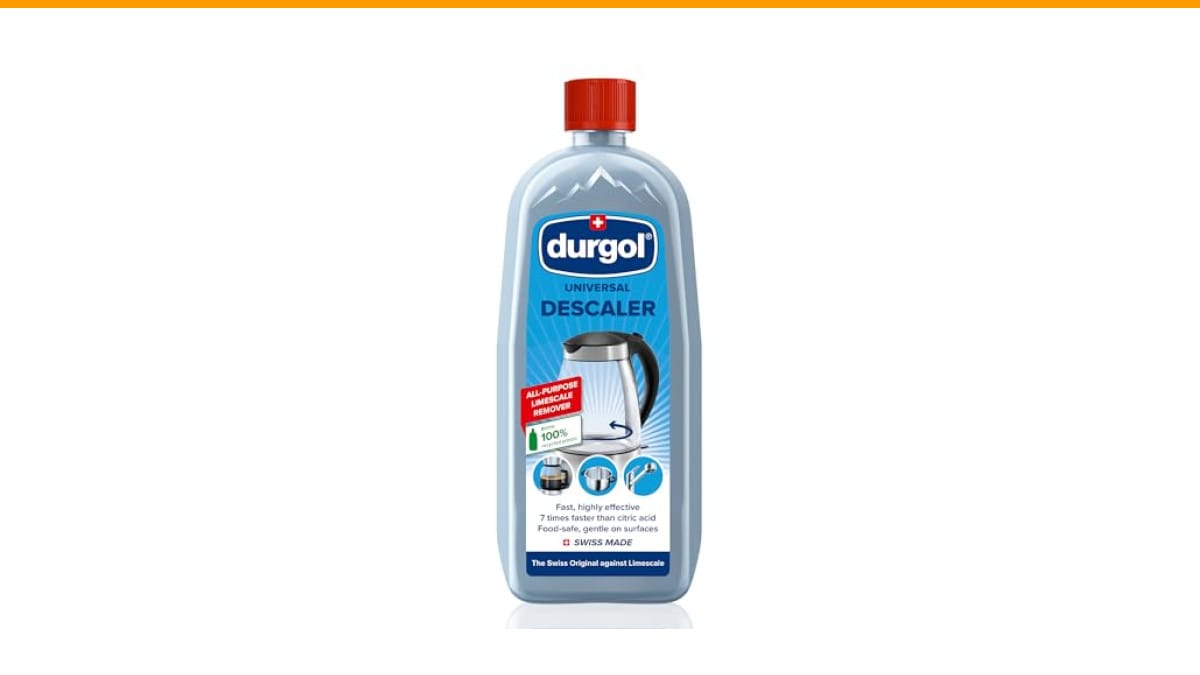
If your machine has been acting sluggish or making louder noises lately, scale is likely involved. A proper descale with a 50/50 white vinegar and water solution, run through a full brew cycle, can clear minor buildup. For heavy scale, use a commercial descaler and follow the instructions exactly.
Regular cleaning prevents most of these issues. If you’re not sure how often you should be doing this, our cleaning schedule guide breaks it down by usage.
5. Check the Carafe Switch (If Your Model Has One)
Some small brewers have a safety switch that prevents heating when the carafe isn’t in place. If that switch is misaligned or dirty, the machine thinks there’s no carafe and refuses to power on.
Look for a small lever or button near the warming plate. Press it manually and see if the machine responds. If it’s sticky, clean it with a cotton swab and rubbing alcohol. This is a five-minute fix that costs nothing.
6. The Brew Basket Interlock
Similar to the carafe switch, some models refuse to start if the brew basket isn’t seated correctly. This is more common on larger machines, but compact models with removable baskets can have the same feature.
Remove the basket, inspect the area behind it for debris, and reseat it firmly. If you hear a click, you’re good. If not, look for broken plastic tabs that might prevent proper seating.
When Repairing Makes Sense vs. Replacing
Here’s my honest take after years of testing. If the problem is a loose connection you can see and fix, go for it. If it’s a blown thermal fuse or a dead heating element, replacement is usually the smarter move.
Small coffee makers are inexpensive by design. The internal components are cheap, and labor costs (even your own) quickly exceed the machine’s value. I’ve seen people spend two hours replacing a $3 fuse in a $25 coffee maker. That’s not a win.
There’s also a safety angle. Opening a coffee maker exposes you to live wiring, and reassembling it incorrectly creates fire hazards. Unless you’re genuinely comfortable with small appliance repair, don’t risk it.
| Problem | Likely Cause | Repair Difficulty | Worth Fixing? |
|---|---|---|---|
| Dead outlet or cord | GFCI trip, damaged cord | Easy | Yes, free |
| Machine completely dead | Blown thermal fuse | Hard (soldering) | Usually not |
| Switch feels loose | Worn rocker switch | Medium | Only if parts available |
| Won’t start with carafe | Misaligned safety switch | Easy | Yes |
| Starts then stops | Scale buildup or thermostat | Easy to descale | Try descaling first |
If you decide to replace, look for a machine with a physical switch rather than touch controls. Physical switches are easier to diagnose and typically last longer. The Mr. Coffee Mini Brew uses a simple slide switch, which is one less thing to fail. It also has a compact footprint that fits under standard upper cabinets, which matters if counter space is tight.
Frequently Asked Questions
Why did my coffee maker work yesterday but won’t turn on today?
Most likely a blown thermal fuse. These fail without warning and are the number one cause of sudden death in small coffee makers. Check the outlet and cord first to rule out external issues, then assume the fuse is gone if the machine is completely unresponsive.
Can I reset my coffee maker after it overheats?
Most small coffee makers don’t have a reset button. The thermal fuse is a one-time device. If it trips, the machine is done unless you replace the fuse. Some larger models have resettable thermostats, but that’s rare in compact brewers.
Is it safe to open my coffee maker and look inside?
Only if you unplug it first and wait a few minutes for the capacitors to discharge. Even then, be careful. The heating element and wiring can hold charge. If you’re not confident, skip the repair and buy a new machine.
How do I know if it’s the switch or the heating element?
Use a multimeter. Test the switch for continuity when pressed. Test the heating element for resistance (usually 100-200 ohms). If the switch is open (no continuity) or the element shows infinite resistance, that’s your culprit. If you don’t have a meter, you’re guessing.
Will descaling fix a coffee maker that won’t turn on?
Sometimes. If scale has caused the thermostat to malfunction, a deep clean can restore normal operation. But if the thermal fuse already blew, descaling won’t help. Try descaling only if the machine shows some signs of life, like a faint hum or warm plate.
What to Do Next
You’ve checked the outlet, inspected the cord, tested the switch, and ruled out scale. If your small coffee maker still won’t turn on, it’s time to let it go. The repair cost and effort aren’t worth it for a budget appliance.
- Always test the outlet and cord before opening anything. This fixes 10% of cases instantly.
- Scale buildup is a silent killer. Descale every 1-2 months if you have hard water.
- Thermal fuses fail without warning. If the machine is dead with no signs of life, it’s almost always the fuse.
- Physical switches are more reliable than touch panels on budget machines. Prefer them.
- When replacing, pick a model with a simple design and few electronic parts. Fewer parts, fewer failures.
- If you’re handy, a multimeter costs $15 and takes the guesswork out of diagnosis.
- Don’t leave a dead coffee maker plugged in. Unplug it to avoid any risk of short circuits.
If you’re shopping for a replacement, the Mr. Coffee 5-Cup Mini Brew is a solid choice for basic brewing. It has a simple switch, a compact footprint, and the Grab-a-Cup feature lets you pour mid-cycle. Check the current price on Amazon before you decide.
For related troubleshooting, you might also want to look at our guides on Mr. Coffee button issues and Cuisinart power problems. Different brands have different quirks, but the core troubleshooting steps are the same.
Products related to this article
Sponsored / affiliate links. As an Amazon Associate I earn from qualifying purchases. I may earn additional commission from eligible campaigns.
 HomeBeyond Espresso Coffee Maker 12 Cups, Classic Stovetop Espresso Maker, 600ml / 20oz Coffeemaker for Gas & Ceramic Stovetops (Silver)
 Linnkyfloa Coffee Espresso Maker Handle Replacement for Stovetop Moka Pot or Percolator, Black Plastic for Spare Part Compatible with Italian(9-12 Cup)
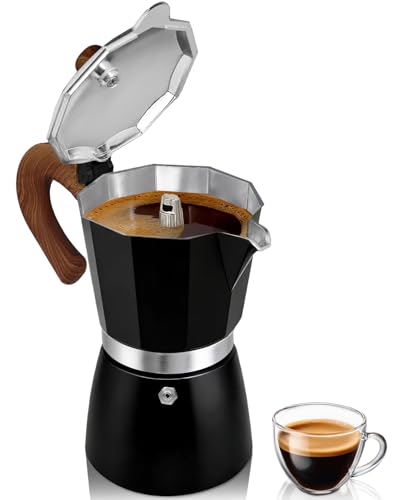 Belly Moka Coffee Maker Stovetop Espresso Maker 9 Cup Aluminum Moka Pot Percolator 15oz 450ml Easy Brewing for Electric Ceramic Stoves Home Camping Italian Cuban Café Classic Black