The 30-Second Answer: Burr Wins, But Here’s Why
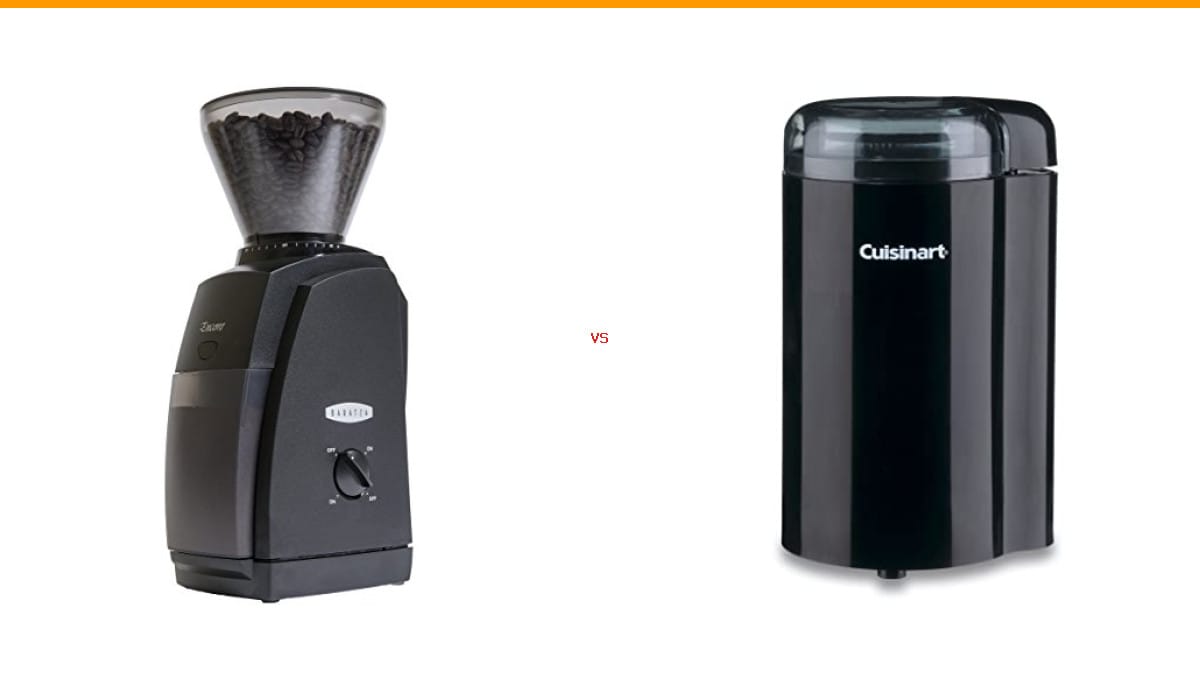
You’re comparing a $150+ conical burr grinder against a $20 blade chopper. That’s not a fair fight on paper, but it’s the exact choice most home brewers face when they start taking coffee seriously. I’ve owned both. The Baratza Encore changed my morning routine. The Cuisinart DCG-20BKN just made noise.
| Our Pick | Runner Up |

|
|
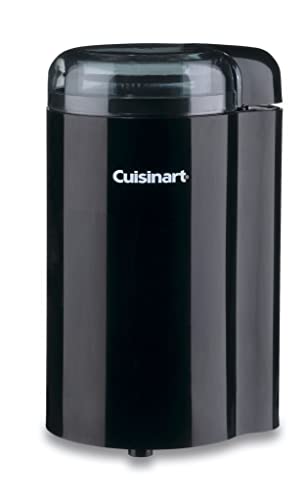
| Baratza Baratza Encore Conical Burr Coffee Grinder with… | Cuisinart Cuisinart Coffee Grinder, One Touch, Stainless Steel,… |
| See on Amazon | See on Amazon |
As an Amazon Associate I earn from qualifying purchases.
Here’s the short version: the burr grinder produces uniform particle sizes, which means even extraction and better-tasting coffee. The blade grinder chops beans randomly, producing dust and boulders. For most people who drink drip or French press, the blade grinder works fine. For anyone who wants pour-over or espresso, it doesn’t.
This review breaks down the real differences from weeks of side-by-side testing. I ground beans through both, brewed the results, and measured everything from static cling to cleanup time. You’ll get a clear winner and an honest look at who should stick with the blade.
What Is a Burr Grinder? (And How It Works)
A burr grinder crushes beans between two abrasive surfaces. The Baratza Encore uses a conical burr set — one cone-shaped piece spins inside a ring. The gap between them determines grind size. Turn the dial to 40 settings and you change that gap in precise increments.
The motor runs slow, about 450 RPM, which keeps heat down. Heat degrades coffee oils, so this matters. The Encore’s DC motor also reduces static buildup, so grounds don’t fly everywhere when you pull the bin out.
What you get is a consistent grind. Each particle is roughly the same size. That consistency is the entire point. It’s why the Encore has been the default recommendation for entry-level specialty coffee for over a decade. It’s not flashy, but it works.
What Is a Blade Grinder? (And Why It Fails)
A blade grinder is a spinning propeller inside a bowl. The Cuisinart DCG-20BKN has stainless steel blades that chop beans at high speed. You press the top button, the blades spin, and the beans get hacked into pieces. Hold it longer for finer grounds. Shake it for more uniformity. That’s the whole control system.
The problem is physics. Blades create a vortex that flings larger chunks to the top while finer particles fall to the bottom. The result is a mix of dust and boulders. Coffee experts call this a bimodal distribution. You call it bitter, sour coffee that’s somehow both at once.
It’s not useless. For a quick batch of drip coffee, it gets the job done. But it fails at any brew method where extraction time matters, because uneven particles extract at different rates. The fine dust over-extracts and turns bitter. The coarse chunks under-extract and stay sour.
The Science of Extraction: Why Consistency Matters
When you brew coffee, water dissolves soluble compounds from the grounds. The rate of extraction depends on surface area. A fine particle has more surface area per gram than a coarse one. So in a blade grinder’s mix of sizes, the fine particles release everything fast, and the coarse ones barely release anything.
That’s why your blade-ground coffee tastes muddy. You’re tasting over-extracted bitterness from the dust and under-extracted sourness from the boulders. No amount of adjusting your water temperature or brew time fixes that. The problem is in the grind.
Burr grinders produce particles that extract at roughly the same rate. That allows you to actually dial in your brew. Change one variable — grind size, water ratio, time — and you taste the difference. With a blade grinder, you’re guessing blind.
Burr vs Blade: The Full Comparison Table
| Feature | Baratza Encore | Cuisinart DCG-20BKN |
|---|---|---|
| Grind mechanism | Conical burr | Stainless steel blades |
| Grind settings | 40 | 1 (duration-based) |
| Grind consistency | Uniform particles | Mixed dust and chunks |
| Bean hopper capacity | 8 oz (227g) | 2.5 oz (70g) |
| Grounds bin capacity | 5 oz (142g) | Bowl is the bin |
| Motor speed | 450 RPM (slow) | High speed (fast) |
| Heat buildup | Low | High |
| Static cling | Low | Moderate to high |
| Noise level | Moderate, whirring | Loud, high-pitched |
| Cleanup | Brush out burrs | Wipe bowl, rinse lid |
| Repairability | Parts available, user-serviceable | Disposable |
| Weight | 7 lbs (3.1kg) | Light, about 1 lb |
| Warranty | 1 year (typical) | 18 months |
Grind Size Control
The Encore gives you 40 distinct settings. From fine enough for espresso to coarse enough for French press. You turn the dial and get repeatable results. Set it to 20 and you’ll get the same grind every time. That repeatability is what lets you dial in a recipe.
The Cuisinart has one button. You hold it for 5 seconds, get fine dust. Hold it for 2 seconds, get coarse chunks. But there’s no way to reproduce the exact same grind twice. Your muscle memory isn’t that precise. And the grind changes as the beans get lighter in the bowl.
Winner: Baratza Encore — by a mile. Adjustable, repeatable, and accurate.
Noise, Static, and Cleanup
Blade grinders scream. The Cuisinart’s high-speed motor produces a piercing whine that cuts through walls. My family knew when I was grinding coffee. The Encore is quieter, but not silent. It has a lower-pitched whir that’s more tolerable. It’s also slower — about 0.8 to 1.1 grams per second, so a 20g dose takes 20 seconds.
Static is a bigger deal than people expect. Blade grinders fling grounds everywhere. The bowl clings to coffee dust, and you lose a gram or two to the lid and sides. The Encore has a static-reducing design, but it’s not perfect. You’ll still get a few grounds on the counter.
Cleanup is where the Cuisinart has a small win. The bowl and lid rinse out in 30 seconds. The Encore needs a brush to sweep out the burr chamber. It takes two minutes. Not a big deal, but it’s a real difference.
Winner: Tie — Cuisinart for speed of cleanup, Encore for noise and static.
Cost vs. Longevity
The Cuisinart is cheap. You can buy three of them for the price of one Encore. But it won’t last. The motor burns out, the blades dull, and the lid switch breaks. It’s designed to be replaced, not repaired.
The Encore costs more upfront, but Baratza sells replacement parts. You can replace the burrs, the motor, the switch. There’s a whole aftermarket for upgrades. I’ve had mine for four years and it’s still going strong. The cost per cup over five years is actually lower for the Encore if you drink coffee daily.
Winner: Baratza Encore — buy once, cry once.
Matching the Grinder to Your Brew Method
Espresso and Pour-Over (Burr Only)
Espresso requires a fine, consistent grind. The Encore can grind fine enough for espresso, though it’s not the best espresso grinder on the market. It’s adequate for entry-level machines. Pour-over, Chemex, and Aeropress all benefit from the Encore’s uniform grind. You’ll taste the difference immediately. The coffee blooms more evenly, and the extraction is cleaner.
Blade grinders simply cannot do this. You can get lucky sometimes, but most shots will be a mess. Pour-over will be bitter and sour simultaneously. If you’re brewing these methods, you need a burr grinder.
French Press and Drip (Blade Acceptable)
French press uses a coarse grind and a long steep. The uneven particles from a blade grinder mean some over-extraction, but the metal mesh filter catches the boulders. It’s drinkable. Drip coffee is more forgiving too, especially with a paper filter that removes fines.
If you only drink drip coffee from a Mr. Coffee machine, a blade grinder is fine. The difference in taste is subtle. You’ll notice it if you compare side by side, but you might not care. Save the money.
The Blade Grinder Hack: Sifting for Better Coffee
You can improve a blade grinder’s output with a sieve. Grind your beans, then shake the grounds through a fine mesh strainer. The fines fall through, leaving the larger particles. Use the fines for a quick shot of espresso-like coffee or discard them.
This is a hack, not a solution. You lose 20-30% of your coffee to the sifting process. It takes extra time. And you still won’t get the uniformity of a burr grinder. But if you’re stuck with a blade grinder and want better pour-over, it works. I did this for a month before I bought the Encore. It made a difference, but it was tedious.
When to Upgrade: The Blade-to-Burr Timeline
Here’s a practical timeline based on how your brewing evolves:
- Week 1-6: You’re using a blade grinder with a drip machine. It’s fine. Don’t upgrade yet.
- Month 2-3: You buy a French press or pour-over cone. You notice inconsistent extraction. Start saving.
- Month 4-6: You’re brewing pour-over daily and frustrated by the mud. This is the moment to buy a burr grinder.
- Month 6+: You buy an espresso machine. You need a burr grinder immediately. The blade grinder will ruin every shot.
The upgrade path is clear. Don’t buy a burr grinder for a drip machine you’re happy with. Do buy one the moment you start chasing better coffee.
Top Grinder Picks for Every Budget (2026)
The Baratza Encore remains the best entry-level burr grinder. It’s the default recommendation for a reason. Check the Baratza Encore on Amazon for current pricing.
If the Encore is out of your budget, look at manual grinders like the Timemore Chestnut. They’re cheaper and produce great results, but they require arm work. For a step up from the Encore, consider the Baratza Virtuoso or a flat burr option like the Eureka Mignon. But for most home users, the Encore is enough.
If you’re sticking with a blade grinder, the Cuisinart DCG-20BKN is a solid choice. It’s reliable for what it is. Check the Cuisinart blade grinder on Amazon for current price.
Maintenance and Cleaning Guide
The Cuisinart is easy to clean. Unplug it, wipe the bowl with a dry paper towel. The lid and blade assembly can be rinsed. Dry everything completely before reassembly. Do this weekly.
The Encore requires a bit more care. Unplug it, remove the hopper and bin. Use the included brush to sweep out the burr chamber. You can also run a few grams of uncooked rice through it to absorb oils. Do this monthly. Baratza sells replacement burrs that you can install yourself. It’s a 10-minute job.
For both grinders, don’t use water on the burrs or blades. Moisture causes rust. Dry brushing is enough. If you notice a stale smell, grind a few grams of white rice to clean it out. For a deeper clean, follow our step-by-step coffee grinder cleaning guide.
Frequently Asked Questions (FAQs)
Is the Baratza Encore worth the money over a blade grinder?
Yes, if you drink coffee daily and care about taste. The Encore costs several times more than a blade grinder, but it lasts years longer and produces noticeably better coffee. Over two years of daily use, the cost per cup is lower than you’d think. If you’re a casual drinker who uses a drip machine and doesn’t notice the difference, stick with the blade.
Can I use a blade grinder for espresso?
Technically yes, but you’ll get terrible results. Espresso needs a very fine, uniform grind. A blade grinder produces uneven particles that cause channeling and bitter shots. You’ll waste good beans. If you’re serious about espresso, you need a burr grinder. The Encore is the minimum entry point.
How do I dial in a blade grinder?
You can’t dial in a blade grinder the way you do a burr grinder. There are no settings. You control grind size by pulse duration. Grind for 3 seconds for coarse, 7 seconds for fine. Shake the grinder during grinding for more uniformity. Sift the grounds to remove fines. But you’ll never get the repeatability of a burr grinder.
Does the Encore have retention issues?
Some, but minimal. A few tenths of a gram of grounds get stuck in the burr chamber after grinding. You can knock the bin to dislodge them. This is normal for all electric grinders. The Encore’s retention is low compared to many more expensive grinders. If you’re weighing your dose, grind a few extra grams and discard the first bit.
Final Verdict: Invest in the Grinder, Not the Machine
The Baratza Encore wins this comparison. It’s not close. The grind consistency, the 40 settings, the repairability, and the long-term value all favor the burr grinder. The Cuisinart blade grinder is a cheap tool that does one job poorly. The Encore is a precision instrument that does one job well.
Here’s the honest caveat: the Encore is not perfect. It’s plastic-bodied, the bin is small, and the grind speed is slow. It took me a week to get used to the dial positions. But those are minor complaints. The coffee it produces is dramatically better.
If you’re on a tight budget and only drink drip coffee, the Cuisinart will serve you. But the moment you want to explore pour-over, French press, or espresso, you’ll need a burr grinder. The Encore is the right investment. It’s the grinder that will grow with you.
For a deeper look at grinders and espresso machines, browse our coffee troubleshooting guides or check out our coffee brand reviews. The grinder is the most important part of your setup. Make it count.
Products related to this article
Sponsored / affiliate links. As an Amazon Associate I earn from qualifying purchases. I may earn additional commission from eligible campaigns.
 Coffee Espresso Machine Handle Replacement Parts, Cafe Bracket Handle for Lidl Silvercrest CM4621 CM4218 KF5002 KF500S Barista (for 51mm Portafilter Basket - Not included)
 Quick Heating Cup Warmer, Three Temperature Settings, Splashproof and Portable, for Coffee, Milk, Lightweight ABS Material
 Coffee Mug Warmer & You are Awesome Mug Set, Electric Cup Warmer for Desk