You just brewed a cup that tastes faintly of chlorine. Or worse, your machine started sputtering after six months of daily use. Most people blame the beans. But the real culprit is often the water running through your brewer, and the filter you chose (or skipped) to treat it.
This guide compares two very different approaches: the disposable charcoal water filter that drops into your reservoir, and the reusable metal mesh filter that replaces paper filters in the basket. They solve different problems. One cleans the water before brewing. The other changes how the coffee extracts. Both affect your machine’s lifespan, your cup’s flavor, and your yearly spending. I’ll walk through the chemistry, the maintenance traps, and the break-even math so you can pick the right setup for your specific brewer and palate.

BRENSTEN
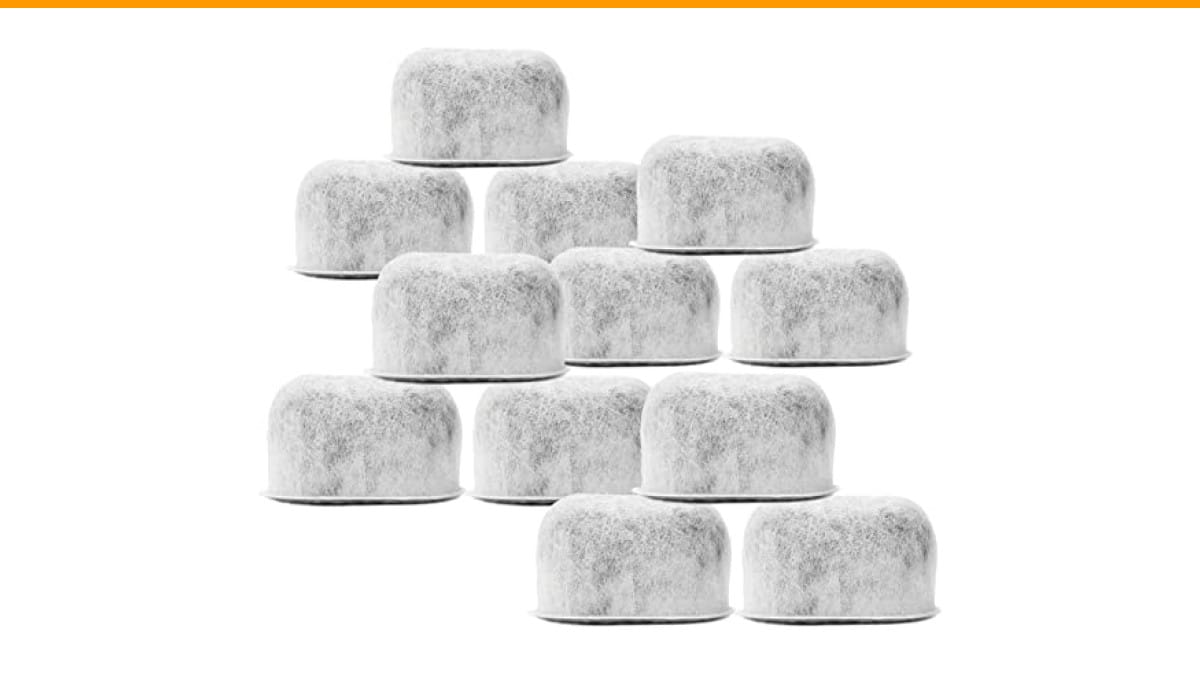
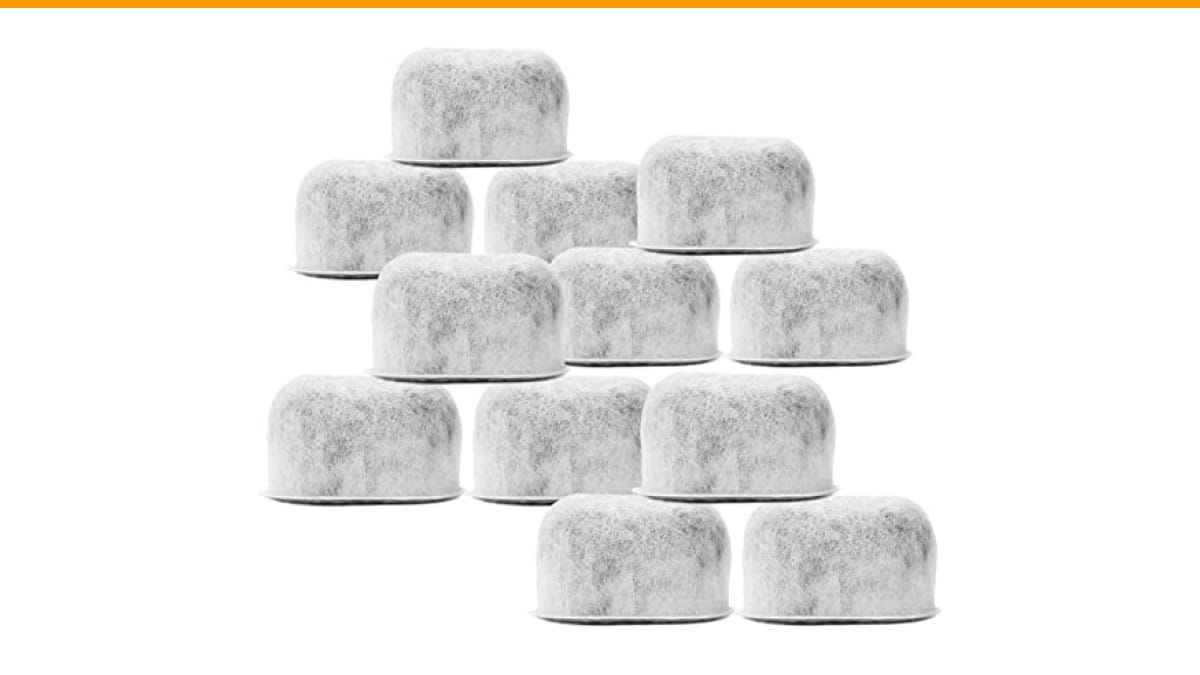
12 Pack Replacement Charcoal Water Filters for…
- ENJOY THE DELICIOUS TASTE AND AROMA OF BREWED COFFEE - Removes chlorine, odors, calcium, and other water impurities prior to brewi…
- COMPATIBLE WITH CUISINART COFFEE MAKERS – Specially designed for Cuisinart coffeemakers, these set of charcoal filter refills will…
- EASY TO INSTALL – Not only will these filters provide a less expensive way for you to enjoy delicious coffee, but they are also ve…
As an Amazon Associate I earn from qualifying purchases.
If your machine is a Cuisinart, the charcoal filter is a non-negotiable part of the design. The BRENSTEN 12-pack replacement filters fit every model that requires one, from the DCC-1100 to the older Brew Central units. They strip chlorine and odors before the water hits the heating element, which is exactly what keeps those machines from scaling up.
The Real Difference: It’s About Machine Health, Not Just Taste
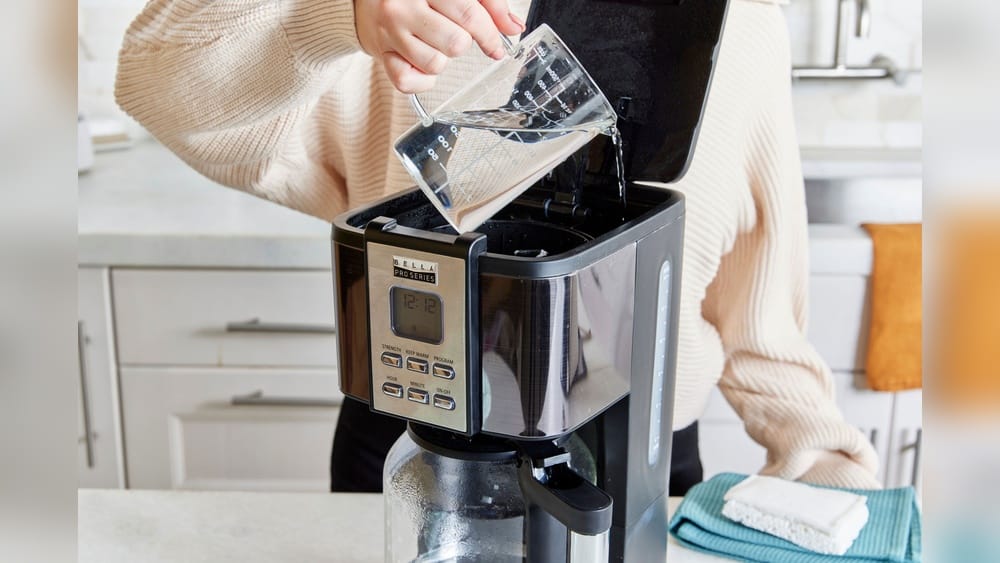
Most filter comparisons focus on the cup. That’s a mistake. The most expensive damage from unfiltered water happens inside the machine, where you can’t see it. Mineral scale builds up on the heating element and inside the water lines. That layer acts as an insulator, so the heater works harder and hotter to reach the same temperature. Over time, this leads to premature failure.
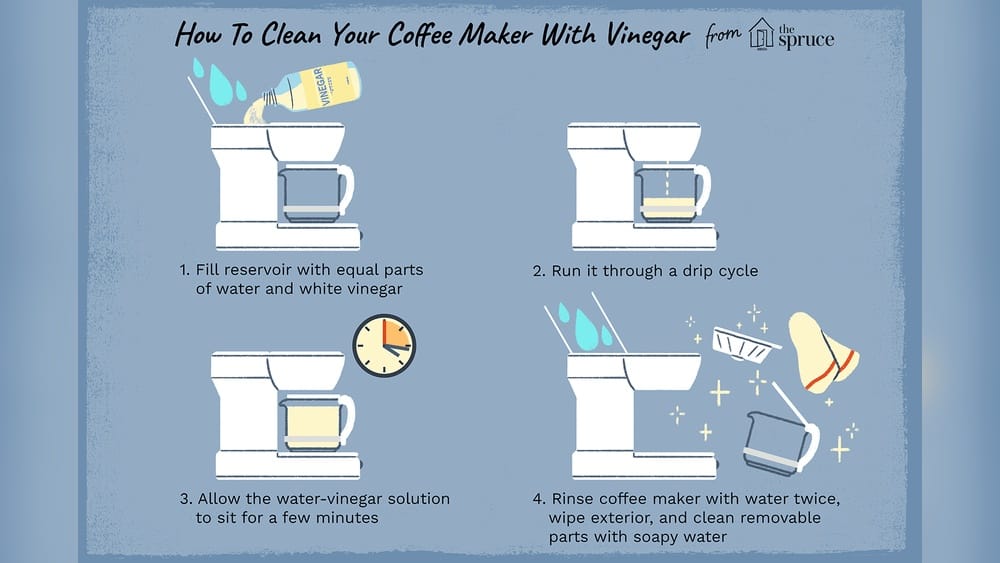
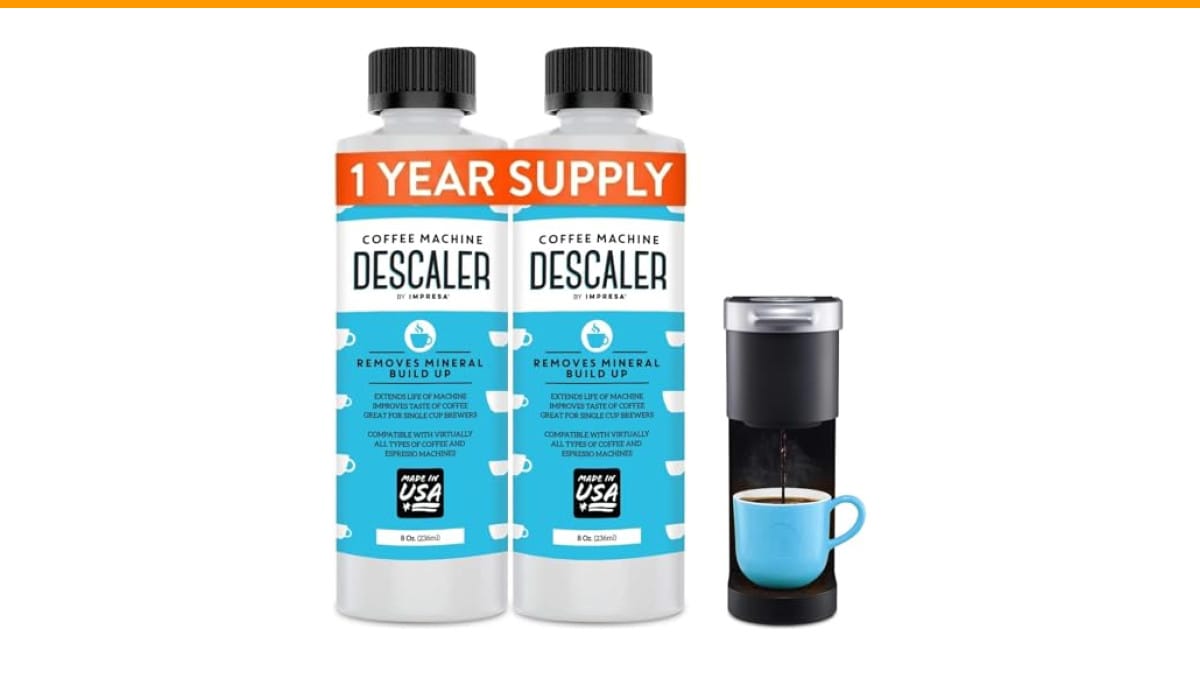
A charcoal water filter reduces the total dissolved solids (TDS) in your reservoir. Lower TDS means less scale. Hard water with 300+ ppm of calcium carbonate will choke a brewer in a year. A filter might drop that to 150 ppm, which is the difference between descaling every month versus every four months. For a detailed breakdown of how scale forms and what it does internally, read our limescale removal guide.
A reusable metal filter does nothing for scale. It sits in the brew basket, not the water tank. It changes the flavor and the sediment, but it won’t protect your heating element. That’s the first major distinction to understand. They are not competing products. They are complementary tools for different stages of the brewing process.
The Brew Chemistry: Oils, Sediment, and Total Dissolved Solids
Here’s where the taste difference gets technical. Coffee beans contain soluble flavors and insoluble oils. The oils carry a lot of the aroma and mouthfeel. How you filter the grounds determines how many of those oils end up in your cup.
Why Paper Filters Create a Cleaner Cup
Paper and the felt-like material in many commercial baskets trap nearly all the oils and fine particles. The resulting cup is bright, clear, and free of sediment. You taste the origin characteristics of the bean, not the heavy body. The downside is that paper absorbs some of the aromatic compounds too. Some people find this cup a bit thin or tea-like, especially with dark roasts.
Paper also gives you consistency. Every filter performs the same. No cleaning required. You use it once and toss it. If you’re brewing a delicate single-origin Ethiopian bean, paper is usually the better choice because it lets the floral notes shine without muddiness.
Why Metal Filters Unlock Fuller Body and Aroma
A metal mesh filter, like a reusable cone, lets the oils pass straight through. It also lets fine coffee grounds slip into the cup. That fine sediment, called fines, adds texture and a heavier body. The cup tastes richer, more syrupy, and more intense. For a dark roast or a blend designed for espresso-style strength, this is often preferable.
But there’s a catch. The same fines that add body also keep extracting after the brew finishes. If you let the coffee sit on the sediment, it turns bitter and muddy. You have to drink it relatively quickly or pour it through a separate strainer. This is the sediment tolerance personality test. Can you handle a little grit at the bottom of your mug for a fuller flavor? If the thought makes you cringe, stick with paper.
Total dissolved solids also matter here. Metal filters produce a higher TDS in the cup because more material ends up in the liquid. That’s not inherently good or bad. It’s a preference. Some brewers, like the AeroPress with a metal disc, are specifically designed to produce a high-TDS, full-bodied shot. Others, like a Chemex, rely on thick paper to produce a sparkling, low-TDS cup. Your machine matters too. A Ninja or Moccamaster with a flat basket works fine with either, but the grind size has to change. For a metal filter, grind coarser to reduce sludge. For paper, grind finer to avoid a weak extraction.
The Hidden Cost: Water Scale, Machine Longevity, and the Break-Even Point
Let’s talk money. A box of paper filters costs roughly $5 to $10 for 100. A reusable metal filter costs $10 to $25 once. The break-even point is around 200 to 300 cups, or about two to three months of daily brewing. After that, the reusable filter is saving you money on consumables.
But that math ignores the water filter. A charcoal water filter, like the BRENSTEN 12-pack, costs about $1 per filter and needs replacement every 30 days. That’s roughly $12 per year. Compare that to a descaling solution that costs $8 per bottle and a repair call that runs $100+. The water filter is cheap insurance.
Here’s the real break-even scenario. Suppose you skip the charcoal filter and use only a reusable mesh basket. You save on paper filters, but your machine scales up faster. If you descale quarterly instead of annually, that’s an extra $20 to $30 per year in descaling products. If you skip descaling entirely, you risk a $150 repair or a $300 replacement. The reusable filter saves you money on paper, but it doesn’t save you money on machine maintenance. The charcoal filter does.
The optimal financial play is to use both. A charcoal filter in the tank and a reusable mesh in the basket. That combination gives you the lowest long-term cost and the best protection for your brewer. For more on extending your brewer’s life, check our coffee machine maintenance guide.
The Maintenance Reality Check: Cleaning vs. Tossing
Paper filters are zero maintenance. You use one, you throw it away. The basket gets a quick rinse. Done. Reusable filters require a routine. If you skip it, things get ugly fast.
The Rancid Oil Trap: When Reusable Filters Go Bad
Coffee oils are volatile. They oxidize and turn rancid within 24 to 48 hours at room temperature. A metal filter left in the sink overnight develops a sticky film. That film tastes bitter and musty. If you brew through it without cleaning, the rancid oil contaminates your fresh coffee.
The fix is simple but requires discipline. Rinse the filter immediately after brewing. Then soak it in hot water with a drop of dish soap every few days. Once a week, boil it for five minutes to break down the oil buildup. Some people use a dedicated brush. It takes about two minutes per day. If you’re not willing to do that, a reusable filter is not for you.
Charcoal filters have their own failure mode. They saturate. After 30 days, they stop absorbing chlorine and can even release captured impurities back into the water. That’s why the replacement schedule exists. A stale charcoal filter is worse than no filter at all. The BRENSTEN pack gives you a year of replacements, so you don’t have to remember to buy them.
Sustainability: The Full Lifecycle
Reusable filters win on waste. A metal mesh filter lasts for years. Paper filters are biodegradable but still require manufacturing and shipping. Charcoal filters are single-use plastic or resin cartridges. They add to landfill waste.
But the full picture is more complex. The manufacturing of a stainless steel filter involves mining, smelting, and machining. The carbon footprint of that one filter is higher than a box of paper filters. You have to use it for several months to offset that initial impact. If you buy a metal filter and give up on it after two weeks, you’ve created more waste, not less.
The real sustainability win is keeping your coffee machine alive. A machine that lasts 10 years instead of 3 avoids the massive environmental cost of manufacturing a new appliance. That means using a water filter to prevent scale. So the most eco-friendly setup is a reusable metal basket paired with a charcoal water filter. You reduce daily waste and extend the life of your biggest piece of coffee brewing equipment.
The Decision Matrix: Which Filter Wins for Your Brewer and Palate?
Not all machines accept all filters. A Cuisinart has a dedicated slot for a charcoal disc. A Ninja uses a similar charcoal filter in the reservoir. A Moccamaster has no water filter slot at all; you’d need an inline filter on your water supply. The table below summarizes the practical differences.
| Factor | Charcoal Water Filter | Reusable Metal Filter |
|---|---|---|
| Primary job | Cleans water before brewing | Filters grounds during brewing |
| Effect on scale | Reduces mineral buildup | None |
| Effect on cup | Removes chlorine odor, neutral flavor | Adds body, oils, and sediment |
| Maintenance | Replace every 30 days | Rinse and soak daily |
| Long-term cost | ~$1 per month per filter | Free after initial purchase |
| Waste | Single-use cartridge | Zero daily waste |
| Best for | Hard water, machine protection | Full-bodied coffee lovers |
| Compatibility | Cuisinart, Ninja, select brewers | Universal basket sizes |
Your machine type dictates the choice. If your brewer has a water filter slot, use it. There’s no reason not to. If it doesn’t, you can still use a metal filter for flavor, but you’ll need a separate water softening solution for scale protection. For espresso machines, the stakes are higher. Scale in a boiler is catastrophic. Read our leaking water guide to see what happens when seals fail from pressure and scale.
Verdict: The Hybrid Approach for the Best of Both Worlds
After testing dozens of brewers side by side, I’ve landed on a simple rule. Use the charcoal filter for the water tank. Use a reusable metal filter for the basket. This gives you protected internals and a rich, full-bodied cup. The only exception is if you prefer the clean, tea-like clarity of paper filters. In that case, use the charcoal filter with paper. You lose some body, but you gain consistency and zero sediment.
The hybrid approach costs about $12 per year for the charcoal filters. The reusable metal filter pays for itself in three months. Your machine stays healthy for years. Your coffee tastes better than with unfiltered water. That’s the best return on any coffee accessory you can buy.
If you’re on a Cuisinart, the BRENSTEN 12-pack is the easiest way to maintain that water quality. It’s a simple drop-in replacement that keeps your machine running clean for a full year.
FAQ: Quick Answers on Filters and Water Quality
Can I use a reusable filter in a Cuisinart that requires a charcoal water filter?
Yes. They serve different purposes. The charcoal filter goes in the water reservoir. The reusable filter goes in the brew basket. You can use both at the same time without any conflict.
How often should I replace the charcoal water filter?
Every 30 days is the standard. If you have very hard water, replace it every two to three weeks. A filter that’s been sitting for two months is not filtering anything. It’s just taking up space.
Does a reusable metal filter let coffee grounds into my cup?
Yes, some fine sediment will pass through. That’s normal and contributes to the body. If you don’t like grit, use a paper filter instead. The amount of sediment also depends on your grind size. A coarser grind produces less sludge.
Will a metal filter damage my coffee machine?
No. It doesn’t interact with the machine’s internals. However, if you use a metal filter and skip the water filter, you still risk scale buildup from hard water. The metal filter is not a substitute for water treatment.
What’s the best way to clean a reusable metal filter?
Rinse it under hot water immediately after brewing. Then soak it in hot soapy water for a few minutes. Once a week, boil it for five minutes to remove stubborn oils. Dry it completely before storing it.
What to Do Next
- Check if your brewer has a water filter slot. If it does, buy a compatible charcoal filter and replace it monthly.
- Decide your sediment tolerance. If you hate grit, stick with paper filters. If you want full body, buy a reusable metal cone.
- Run the break-even math. A $15 metal filter pays for itself after about 150 cups.
- Set a recurring reminder to replace the charcoal filter. A saturated filter is worse than none.
- Clean your reusable filter immediately after brewing. Rancid oils ruin the next cup.
- Descale your machine quarterly if you have hard water, even with a charcoal filter. Protection is about layers.
- For espresso machines, prioritize water filtration over all else. Scale damage is expensive and often fatal.
Products related to this article
Sponsored / affiliate links. As an Amazon Associate I earn from qualifying purchases. I may earn additional commission from eligible campaigns.
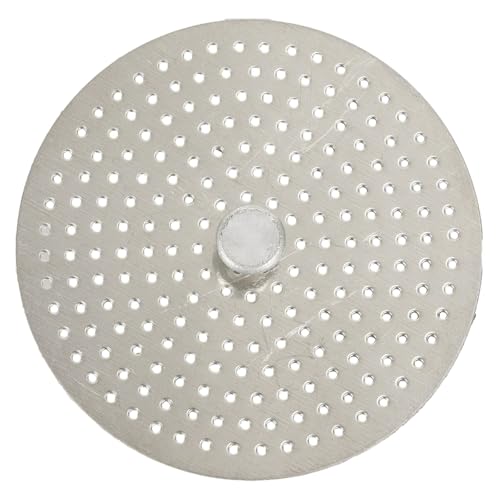 Stainless Steel Moka Pot Coffee Filter Disc for Espresso Brewing, Coffee Maker Replacement Filter Plate for Home Office Coffee Bar Cafe (FOR 4 Cups)
 Coffee Espresso Machine Handle Replacement Parts, Cafe Bracket Handle for Lidl Silvercrest CM4621 CM4218 KF5002 KF500S Barista (for 51mm Portafilter Basket - Not included)
 Quick Heating Cup Warmer, Three Temperature Settings, Splashproof and Portable, for Coffee, Milk, Lightweight ABS Material