You pull a shot after lunch, and it tastes… off. Slightly bitter, a little sour, with a thin crema that disappears before you can swirl the cup. The milk texture was never quite right either — those microfoam bubbles you nailed last week are now big, sloppy ones. You didn’t change your beans or your grind. The problem is almost certainly inside the machine.
Most home espresso machines fail slowly. Oils from coffee build up on group heads and valves, while milk protein and calcium scale cling to the steam wand and boiler. A machine that gets cleaned weekly for a year will outlast one that gets cleaned monthly, and the daily shots will taste better the whole time. This guide walks through the entire process for a machine with a built-in or attached milk frother — the backflush, the steam wand purge, the deep descale, and the routine schedule that keeps it all working.

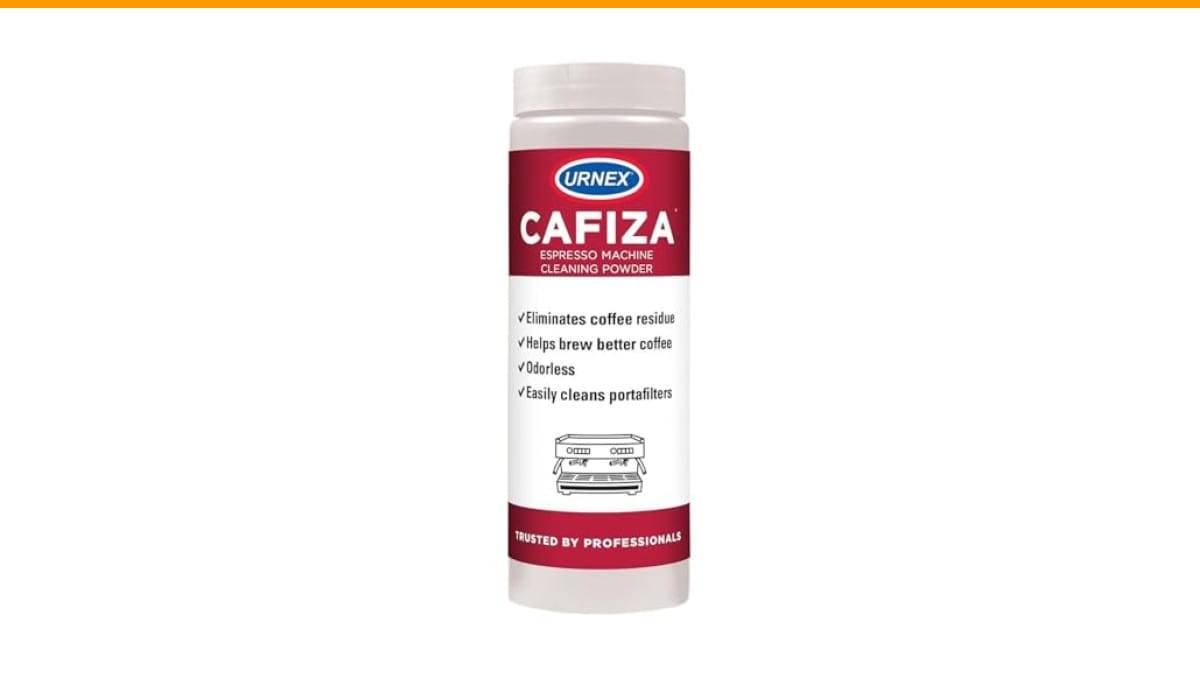
Urnex
Urnex Espresso Machine Cleaning Powder - 566…
- Eliminates coffee residue and oils from espresso machine group heads, valves and lines
- Specially formulated to clean heavily soiled equipment in a professional setting
- Powder format allows for easy and controlled dosing
As an Amazon Associate I earn from qualifying purchases.
You’ll walk away knowing exactly what to do today, what to do weekly, and what to do monthly. No vague advice, just specific steps and timings.
For the chemical side of cleaning, a dedicated espresso cleaner beats dish soap every time. Dish soap leaves a film and doesn’t break down coffee oils. A product like Urnex Cafiza Professional Espresso Machine Cleaner is the standard for backflushing — it dissolves the baked-on oils and residue that plain water leaves behind. It’s NSF certified, so you know it’s safe for food contact surfaces, and it’s OMRI listed, which matters if you care about the chemicals going down your drain.
Why Your Milk Frother Makes Cleaning More Complicated
A steam wand is a perfect trap for milk. Milk protein sticks to hot metal almost instantly, then bakes on harder each time you steam. If you’ve ever looked inside the tip of your wand and seen a white or yellowish crust, that’s what we’re dealing with. The inside of the wand tube gets the same buildup, just out of sight.
That buildup does more than look gross. It restricts steam flow, which weakens the vortex that creates microfoam. It also harbors bacteria — milk left in a warm, dark tube is an ideal breeding ground. And if the wand has a rubber tip, the crust can get under the seal and cause steam leaks.
Cleaning a machine with a frother means you’re managing two separate systems: the brew path (water and coffee) and the steam path (water and milk). They need different cleaners and different schedules. The brew path needs backflushing with a detergent like Cafiza. The steam path needs immediate wiping and periodic deep soaking. Mixing those up is the most common mistake I see from home users.
Daily Cleaning: The 5-Minute Habit That Saves Your Machine
Daily cleaning isn’t optional if you use the frother. The good news is it takes about five minutes, most of which is the machine heating up anyway.
- Purge the steam wand immediately. Right after you finish steaming, point the wand into the drip tray and open the steam valve for 2–3 seconds. This blasts milk out of the tube before it has time to bake on. Then wipe the outside of the wand with a damp cloth. Don’t skip the tip — that’s where the crust forms first.
- Wipe the group head. After you pull your shot, knock out the portafilter and wipe the shower screen and gasket with a dry cloth. You’re removing loose grounds that would otherwise get baked on by the next heating cycle.
- Run a blank shot. Lock in the empty portafilter and run water through the group for 10 seconds. This flushes any residual coffee oils from the brew path and preheats your cup.
- Empty and rinse the drip tray. Milk and coffee residue in the tray will start to smell within a day. A quick rinse under the tap prevents that.
That’s the daily minimum. It takes longer to read this list than to do it. The one thing I’d insist on: never leave milk in the wand for more than a minute after steaming. The protein sets fast, and once it’s baked on, only a chemical soak will get it off.
Weekly Backflush: The Real Cleaning Work
Backflushing is the process of forcing cleaning solution through the group head in reverse, which scrubs the inside of the brew path that you can’t see. You need a blind basket — a portafilter basket with no holes — and your espresso cleaner.
Here’s the procedure for a standard home machine (check your manual, but this is the universal method):
- Dose the cleaner. Put a small scoop of Cafiza powder (about 1–2 grams, roughly a quarter teaspoon) into the blind basket. Don’t overdo it — too much creates excessive foam that can overflow the drip tray.
- Lock in and run. Lock the blind basket into the group head. Start the brew cycle for 10 seconds, then stop. Let it sit for 30 seconds so the solution soaks into the oils.
- Repeat the cycle. Run 10 seconds on, 10 seconds off, about 5–8 times. You’ll see the water in the drip tray turn brown as the oils dissolve. That’s the cleaning happening.
- Rinse thoroughly. Remove the blind basket, replace it with your regular basket, and run water through the group for 30 seconds. Repeat twice. This is critical — leftover detergent will ruin the taste of your next shot.
- Soak the portafilter and basket. Put the regular basket and portafilter in a bowl of hot water with a bit of cleaner for 10 minutes. Rinse well. This gets the oils out of the basket holes that water flow alone can’t reach.
If your machine has a three-way solenoid valve (most mid-range and higher machines do), you’ll hear a whoosh when you stop the brew cycle. That’s the valve releasing pressure and backflushing the line — the cleaner is being pulled through the internal plumbing. If your machine is a cheap thermoblock model without a solenoid, backflushing still cleans the shower screen and group, but it won’t reach the internal lines the same way.
Weekly backflushing is the single most impactful thing you can do for shot quality. I’ve pulled shots from machines that were backflushed weekly versus monthly, and the difference in bitterness and clarity is dramatic. The monthly machine tastes muddy by comparison.
Steam Wand Deep Clean and Descaling
The steam wand needs a deeper clean than the daily wipe-down. Once a week, or whenever you see crust, do this:
- Remove the tip. Most tips unscrew. Soak it in a small cup of hot water with a drop of dish soap or a dedicated steam wand cleaner for 15 minutes. Scrub with a small brush if needed.
- Soak the wand tube. Fill a tall cup with hot water and a drop of cleaner. Submerge the wand tip up to the base and let it soak for 10 minutes. Then run steam for 10 seconds to blow out the loosened residue.
- Purge and wipe. Run steam for 5 seconds, then wipe the wand dry. This clears any cleaning solution from the inside.
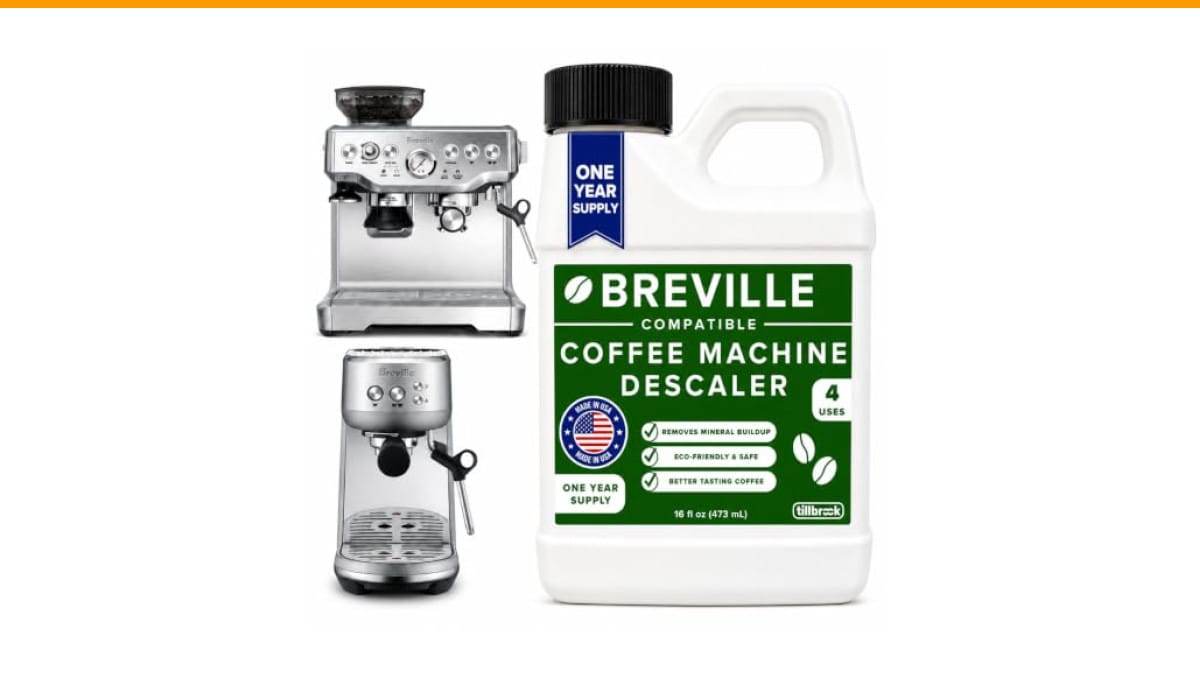
Descaling is a separate process — it removes calcium and mineral scale from the boiler and internal lines, not coffee oil. You should descale every 2–3 months, or more often if you have hard water. Use a descaling solution specifically for espresso machines; citric acid from the grocery store can work but it’s harsher on seals and gaskets.
The descale process involves running the descaling solution through the group head and steam wand, letting it sit for 20–30 minutes, then rinsing thoroughly. This is the one step people skip because it takes time, but scale buildup is the #1 killer of home espresso machines. A machine that’s never descaled will eventually stop heating properly or start leaking from the over-pressure valve.
For a more thorough breakdown of the entire machine, including the parts you might not think about, check out our deep clean guide.
Comparison: Cleaning Methods at a Glance
| Method | What It Cleans | Frequency | Time Needed | Best For |
|---|---|---|---|---|
| Daily wipe & purge | Steam wand surface, group head, drip tray | Every use | 2–3 minutes | Preventing milk crust and oil buildup |
| Blank shot flush | Brew path, shower screen | Daily | 30 seconds | Removing loose coffee oils before they bake |
| Backflush with detergent | Group head, internal brew lines, solenoid valve | Weekly | 10–15 minutes | Dissolving coffee oils and residue |
| Steam wand soak | Wand tube and tip | Weekly | 15 minutes | Removing baked-on milk protein |
| Descaling | Boiler, heating element, internal pipes | Every 2–3 months | 45–60 minutes | Removing mineral scale from hard water |
Notice that descaling is the only method that touches the boiler. If you use softened or filtered water, you can stretch the descale interval to 4–6 months. If you use tap water in a hard-water area, don’t stretch it at all.
Most Common Mistakes (and How to Avoid Them)
I’ve seen three errors wreck more machines and ruin more shots than anything else. You can avoid all of them.
Mistake #1: Leaving milk in the wand. The daily purge and wipe takes 10 seconds. Skipping it means the protein bakes on, and then you’re dealing with a chemical soak instead of a quick wipe. The wand will also steam less effectively, which ruins your latte art and your milk texture. If you’ve already got buildup, the soak method above will fix it, but prevention is far easier.
Mistake #2: Using dish soap to backflush. Dish soap creates suds, which can get into the solenoid valve and cause it to stick. It also leaves a residue that affects coffee flavor. Use a proper espresso cleaner like Cafiza — it’s formulated to dissolve coffee oils without excessive foaming. The cost difference is a few cents per cleaning.
Mistake #3: Skipping descaling because it’s a hassle. Scale is a silent killer. It insulates the heating element, making it work harder and eventually fail. It also narrows the internal pipes, which reduces water flow and makes your shots run slow and bitter. If you notice your shots taking longer than they used to, that’s often scale, not your grind. A consistent descale schedule is the difference between a 5-year machine and a 10-year machine.
If your machine has other issues, like strange noises or leaks, those are often related to cleaning neglect. Check our guides on loud noise fixes and leak troubleshooting for those specific problems.
Frequently Asked Questions
How often should I backflush my espresso machine with a milk frother?
Weekly is the standard for home use. If you pull more than 4–5 shots a day, bump it to every 3–4 days. The backflush detergent dissolves coffee oils that water can’t touch, so skipping it means those oils build up and turn rancid, which makes every shot taste bitter and stale.
Can I clean the steam wand with vinegar?
Vinegar is fine for descaling the boiler, but it’s not great for the steam wand. The acid can be harsh on rubber seals and doesn’t break down milk protein as well as a dedicated cleaner. For the wand, use hot water and a mild detergent, or a purpose-made steam wand cleaner. For descaling the internal boiler, a commercial descaler is safer for your machine than vinegar, which can corrode certain metals over time.
What is the white residue on my steam wand tip?
That’s milk protein, baked on. It’s not scale — it’s from milk, not water. It happens when you don’t wipe the wand immediately after steaming. The daily purge and wipe prevents it. If it’s already there, soak the tip in hot water with a drop of cleaner for 15 minutes and scrub gently with a soft brush.
Do I need to clean the drip tray every day?
Yes, if you use the frother. The drip tray collects both coffee and milk runoff, and that combination starts to smell within a day, especially in warmer climates. It also attracts fruit flies. A 30-second rinse under the tap is all it takes.
Is it safe to use Cafiza in a home espresso machine?
Yes. Cafiza is NSF certified for food contact surfaces and is designed for espresso machine cleaning. The key is to rinse thoroughly after backflushing — run at least two full brew cycles of clean water through the group head to ensure no detergent residue remains. If you taste soap in your next shot, you didn’t rinse enough.
What a Clean Machine Actually Gets You
Here’s the honest payoff. A clean machine isn’t about vanity — it’s about consistency.
- Better shot taste: No rancid oils means your coffee tastes like the beans, not the machine.
- Proper milk texture: A clean steam wand produces silky microfoam, not big bubbles.
- Longer equipment life: Scale and baked-on residue are the two main causes of premature failure.
- Faster heating: A descaled boiler heats water more efficiently because the heating element isn’t insulated by mineral deposits.
- Less waste: You’ll throw away fewer shots that taste wrong.
- Consistent pressure: Clean internal lines maintain proper water flow, so your shots run at the right time every time.
- Better hygiene: No milk bacteria, no mold in the drip tray, no stale coffee oils.
The routine isn’t complicated: daily wipe and purge, weekly backflush, monthly steam wand soak, and descale every few months. Each step takes minutes. The machine rewards you with shots that taste the way they should.
If you’re still using a machine that’s never been backflushed, do it this week. You’ll notice the difference in the first cup. And if you need a refresher on the basics of keeping your whole setup running, our proper cleaning guide covers the rest of the gear.
Products related to this article
Sponsored / affiliate links. As an Amazon Associate I earn from qualifying purchases. I may earn additional commission from eligible campaigns.
 Coffee Espresso Machine Handle Replacement Parts, Cafe Bracket Handle for Lidl Silvercrest CM4621 CM4218 KF5002 KF500S Barista (for 51mm Portafilter Basket - Not included)
 Cascade Platinum Plus Dishwasher Detergent Pods Dish Soap Lemon 57 Count
 Quick Heating Cup Warmer, Three Temperature Settings, Splashproof and Portable, for Coffee, Milk, Lightweight ABS Material