You pull a shot one morning, and it trickles out like cold molasses. The crema looks thin. The shot tastes bitter, not bright. Most people blame the beans, but the real culprit is often hiding inside the boiler: limescale.
Hard water leaves calcium and magnesium deposits that cling to heating elements and internal pipes. Over time, those deposits insulate the water heater, make the pump work harder, and choke the flow. Descaling is the fix, but doing it wrong can void your warranty or leave your machine tasting like vinegar for weeks. This guide walks you through the exact process, clears up common myths, and tells you what actually matters for an automatic espresso machine.

Tillbrook
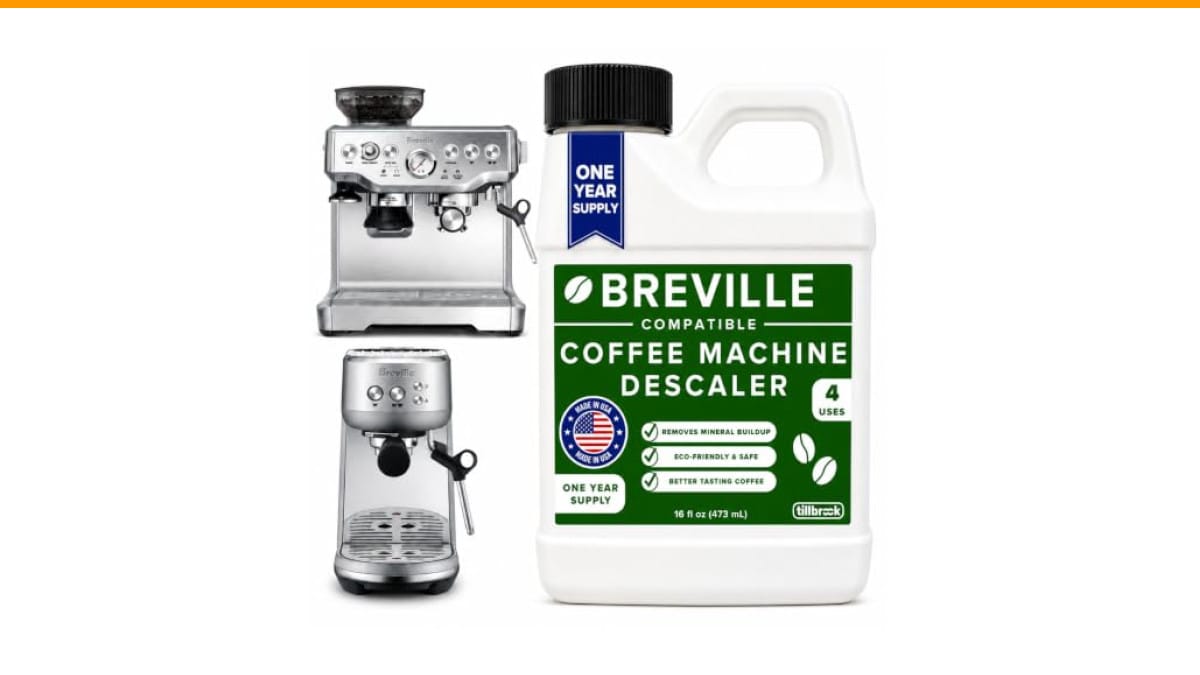
Breville Espresso Machine Compatible Descaler, 4 Uses,…
- EXCEPTIONAL RESULTS: Introducing Tillbrook Coffee Machine Descaler specifically formulated for Breville—the best choice for removi…
- 1 YEAR SUPPLY: Our concentrated formula is easy to use and provides remarkable value with 4 cleanings per bottle. Simply add 1/2 c…
- SCIENTIFICALLY ENGINEERED: Our advanced descaling solution is carefully crafted with powerful, all-natural ingredients that remove…
As an Amazon Associate I earn from qualifying purchases.
You’ll learn the right frequency for your water type, the step-by-step procedure for most machines, and how to compare descaling solutions without getting ripped off.
If you need a reliable descaling agent, the Tillbrook Breville-compatible descaler comes in a 16 oz bottle that handles four full cleanings. It’s formulated for Breville machines but works across most brands, which makes it a solid backup if you own more than one coffee maker.
What Descaling Actually Does (and Doesn’t Do)
Descaling dissolves mineral buildup. It does not remove coffee oil, grind residue, or milk residue. Those require a separate cleaning cycle with a tablet or liquid cleaner. Mixing the two jobs into one step rarely does either well.
Most automatic espresso machines have a descaling mode that cycles solution through the boiler, group head, and steam wand. The machine tells you when it’s needed, but the alert only appears after the buildup has already started affecting performance. By the time you see the light, you’re already losing flavor.
So don’t wait for the warning. Track your own schedule based on water hardness and usage. If you brew four or more shots a day with tap water, descale every two months. With filtered water, every four months is fine. If you only brew on weekends, stretch it to six months.
Common Myth: More Acid Means a Better Clean
Some people swear by vinegar or citric acid because they’re cheap and natural. Vinegar is acetic acid, and it does dissolve limescale. But it also attacks rubber gaskets and plastic seals. Run vinegar through your machine a few times and you’ll notice the group head gasket swelling or the steam wand dripping. That’s the acid degrading the parts.
Citric acid is gentler, but it’s still problematic. It can leave behind a residue that binds to minerals and creates a sticky film inside the boiler. That film traps coffee oils and makes the next cleaning harder.
Commercial descalers use a blend of acids (usually sulfamic or lactic) at a concentration that dissolves scale without eating seals. They also include anti-foaming agents and corrosion inhibitors. That’s why they cost more. The extra money buys you a machine that doesn’t leak in six months.
If you’re curious about the broader maintenance picture, our coffee machine maintenance guide covers the full routine beyond descaling.
The Step-by-Step Process That Works for Most Machines
Every brand has a slightly different procedure, but the logic is the same. Here’s the general sequence you’ll adapt to your machine’s manual.
- Empty the drip tray and water tank. Remove any installed filters. A water filter can neutralize the descaler, so it must come out.
- Mix the solution. Most concentrated descalers need a specific ratio. For the Tillbrook bottle, it’s 4 oz of concentrate to a full tank of water. Check your machine’s manual for the exact volume.
- Start the descaling cycle. On most Breville and De’Longhi machines, you hold a button combination for five seconds to enter descale mode. The manual will show the exact sequence.
- Run the solution through. The machine will alternate between the group head and steam wand. Let it complete the full cycle. This takes 10 to 20 minutes depending on the machine.
- Let the solution sit. After the cycle finishes, most instructions say to wait 15 minutes. This gives the acid time to dissolve stubborn scale in the boiler.
- Rinse, rinse, rinse. Fill the tank with fresh water and run a full cleaning cycle. Empty the tank and do it again. A third rinse is wise if you taste any residual sourness.
- Wipe down the steam wand. Purge it for a few seconds to clear any trapped solution.
If your machine is severely scaled, you may need to run the cycle twice. The first run loosens the deposits, the second flushes them out. You’ll know it worked when the water flow speed returns to normal and the pump sounds less strained.
Comparing Descaling Methods: What Actually Works
Not all descaling approaches are equal. Here’s a side-by-side look at the four most common methods, based on what I’ve tested and what technicians recommend.
| Method | Cost per Use | Safety for Seals | Effectiveness | Residue Risk |
|---|---|---|---|---|
| Commercial liquid descaler | $2–$5 | High | Excellent | Low |
| Vinegar (diluted) | $0.10 | Low | Moderate | High |
| Citric acid powder | $0.20 | Medium | Good | Medium |
| Descaler tablets | $1–$3 | Medium | Good | Medium |
My take: tablets are convenient for travel, but they dissolve slowly and sometimes leave a gritty sediment in the tank. Liquid concentrates are easier to measure and rinse out. Vinegar works in a pinch, but only if you follow it with four or five rinse cycles and accept the risk to your gaskets.
For a deeper look at the difference between cleaning and descaling, check our deep cleaning guide.
Common Myth: You Can Skip Descaling If You Use Filtered Water
Filtered water reduces scale, but it doesn’t eliminate it. Most carbon filters remove chlorine and improve taste, but they don’t soften water. Only a dedicated water softener or a filter with ion-exchange resin actually removes calcium and magnesium.
If you use a Brita pitcher, you’re still getting some hardness. The filter might remove 50% of the minerals, but the remaining 50% still builds up. Over two years, that’s enough scale to clog a steam wand.
Check your water hardness with a simple test strip. If it reads above 100 ppm, you need to descale more often. If it reads below 50 ppm, you can stretch the intervals. Knowing your water is the single most useful thing you can do for your machine’s lifespan.
If you’re already dealing with a noisy pump or slow flow, that’s often scale-related. Our article on loud espresso machine noises explains the connection.
How Often Should You Descale? Real Numbers, Not Guesses
Manufacturers say “every 3 months” because that’s a safe average. But your actual schedule depends on three variables: water hardness, shots per day, and whether you use the steam wand often.
Steam wand use matters more than people think. When you steam milk, water evaporates and leaves mineral deposits inside the wand and the boiler. If you steam four lattes a day, you’re concentrating scale faster than someone who pulls straight shots.
Here’s a practical schedule based on my testing:
- Soft water (under 60 ppm), 2 shots/day: every 6 months
- Soft water, heavy steam use: every 4 months
- Hard water (over 150 ppm), any usage: every 2 months
- Hard water, heavy steam use: every 6 weeks
Keep a log. Write the date on the bottle or set a reminder on your phone. The machine’s alert is a backup, not a primary signal.
What Happens If You Never Descale?
Scale acts as an insulator. The heating element has to work harder to reach temperature, which increases energy use and stresses the boiler. You’ll notice longer heat-up times and more frequent temperature fluctuations.
The pump also suffers. Scale can partially block the tiny channels in the brew head, causing the pump to run dry or over-pressurize. That’s how you end up with a leaking machine or a pump that sounds like a dying lawnmower. If you’re already seeing water pooling under the machine, our leak troubleshooting guide might help before you spend money on repairs.
Worst case, the boiler element burns out. That’s a $150–$300 repair, or the cost of a new machine if the model is old. A $10 bottle of descaler twice a year prevents all of that.
Frequently Asked Questions
Can I use vinegar instead of a commercial descaler?
You can, but I wouldn’t. Vinegar’s acidity is too aggressive for rubber seals and too weak for heavy scale. It also leaves a distinct smell that takes multiple rinses to clear. If you’re in an emergency and vinegar is all you have, dilute it 1:1 with water, run the cycle, then rinse four times. Replace your gaskets sooner than the manual suggests.
How do I know when descaling is complete?
Most machines show a light or message when the cycle finishes. If yours doesn’t, you’ll hear the pump stop cycling. After rinsing, the water should run clear and taste neutral. If it tastes sour or metallic, run another rinse cycle.
Does descaling damage my espresso machine?
Only if you use the wrong product or leave the solution in too long. Commercial descalers are safe when used at the recommended concentration. Leaving the solution sitting for hours, or using a stronger mix than directed, can corrode aluminum boilers. Always follow the ratio on the bottle.
Should I descale a new machine right away?
No. New machines don’t have scale buildup. Running descaler through a new machine is a waste of product and can strip the factory-applied protective coating inside the boiler. Wait until you’ve brewed at least 50 shots or hit the three-month mark.
Can I descale a pod or capsule machine the same way?
Mostly yes, but the process is shorter. Nespresso and Keurig machines have a simpler descale cycle that runs the solution through the brew head only. They don’t have a steam wand, so you skip that step. The rinse cycle is still critical. Check our home descaling guide for brand-specific steps.
What to Remember Before You Start
- Always remove the water filter before descaling. The filter neutralizes the acid.
- Use a commercial descaler, not vinegar or lemon juice, to protect your seals.
- Rinse at least twice, ideally three times, to remove all solution residue.
- Track your descaling schedule based on water hardness, not just the machine’s alert.
- If the flow is still slow after descaling, the scale might be in the group head screen. Remove and soak it separately.
- Descaling won’t remove coffee oil. Run a cleaning tablet through the group head for that.
- Keep a bottle of descaler on hand so you don’t skip the job when the alert appears.
Descaling is a 20-minute job that saves you from a $200 repair. Do it on a schedule, use the right product, and your machine will pull consistent shots for years. If you’re shopping for a new machine and want one that’s easier to maintain, our automatic espresso machine roundup covers models with simpler maintenance cycles.
Products related to this article
Sponsored / affiliate links. As an Amazon Associate I earn from qualifying purchases. I may earn additional commission from eligible campaigns.
 Coffee Espresso Machine Handle Replacement Parts, Cafe Bracket Handle for Lidl Silvercrest CM4621 CM4218 KF5002 KF500S Barista (for 51mm Portafilter Basket - Not included)
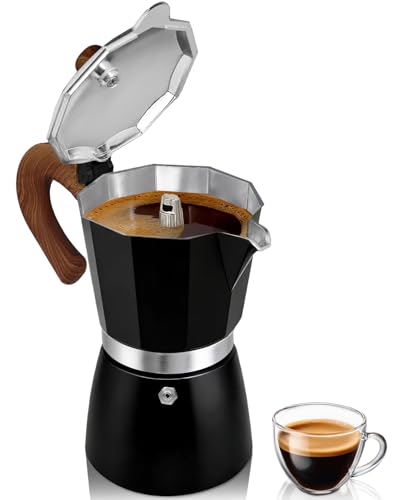 Belly Moka Coffee Maker Stovetop Espresso Maker 9 Cup Aluminum Moka Pot Percolator 15oz 450ml Easy Brewing for Electric Ceramic Stoves Home Camping Italian Cuban Café Classic Black
 Belly Moka Coffee Maker Stovetop Espresso Maker 6 Cup Aluminum Moka Pot Percolator 10oz 300ml Easy Brewing for Electric Ceramic Stoves Home Camping Italian Cuban Café Classic Silver