You just brewed a perfect cup of loose leaf tea. The aroma is right, the color is deep, and then you notice it—a faint, bitter film on your tongue that wasn’t from the leaves. That taste comes from an infuser that hasn’t been cleaned properly. Old tannins, oils, and mineral scale build up over time, and they don’t just vanish with a quick rinse.
Most people treat their tea infuser like a spoon—use it, wash it, dry it, done. But a mesh infuser traps tiny leaf particles in its weave, and those particles turn into sludge that ruins your next brew. The good news? Keeping it in top shape takes about five minutes a week, and you probably have everything you need in your kitchen already.

FUSJLQUA
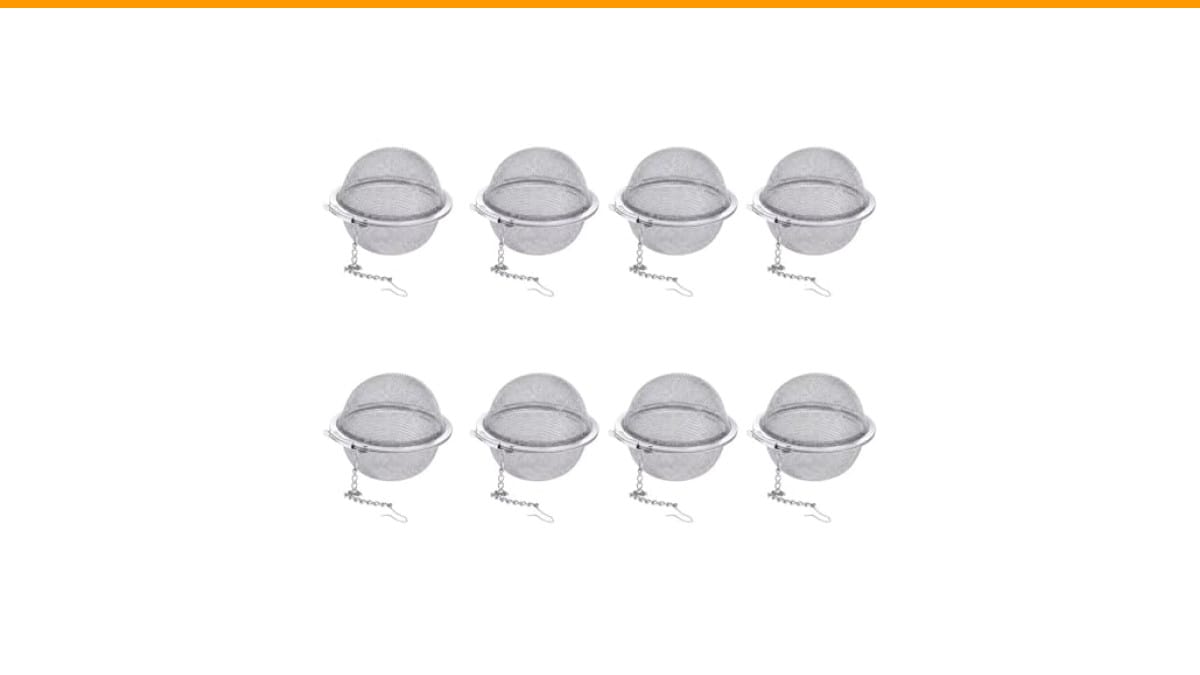
FUSJLQUA 8Pcs 304 Stainless Steel Mesh Tea…
- 304 Stainless Steel — Each tea infuser ball is crafted from premium 304 stainless steel. This material is rust-proof, non-toxic, a…
- Fine Mesh for Faster Steeping & Cleaner Tea — The tea strainer features evenly spaced fine mesh holes that filter tea particles ef…
- Secure Hook & Long Chain for Easy Steeping — Designed with a 5-inch chain and a sturdy hook, this tea steeper for loose tea hangs…
As an Amazon Associate I earn from qualifying purchases.
This guide covers the exact routine I use for my own infusers, the common mistakes that shorten their lifespan, and how to tell when it’s time to toss one out. You’ll walk away knowing how to maintain a tea infuser so it lasts for years, not months.
If you’re starting fresh or want a backup set, the FUSJLQUA 8Pcs 304 Stainless Steel Mesh Tea Ball is a solid choice. The 304 stainless steel resists rust, and the fine mesh does a good job holding back sediment. I’ve found that having multiple infusers means you can rotate them, which gives each one time to dry completely between uses—a small habit that prevents a lot of problems.
Why Your Infuser Gets Gross (and What Actually Builds Up)
Tea leaves contain tannins, which are natural compounds that give tea its bitterness and astringency. When those tannins dry on metal mesh, they form a brown, sticky residue. It’s not just unsightly—it reacts with the next batch of leaves and makes your tea taste flat or slightly metallic.
There’s also mineral scale. If you live in an area with hard water, calcium and magnesium deposits cling to the mesh. You’ll notice this as a white, chalky film that doesn’t wash off with soap. It blocks the holes, so your tea steeps slower and weaker.
Here’s the part most guides skip: the clasp and chain. Water gets trapped inside the hinge mechanism, and if you don’t dry it properly, that’s where rust starts. Even on a stainless steel infuser, the spring can corrode if left wet for days. I’ve seen it happen on expensive brands, not just cheap ones.
The Weekly Cleaning Routine That Actually Works
You don’t need special chemicals or ultrasonic cleaners. You need a routine and a little patience. Here’s what I do after every single use, not just when it looks dirty.
- Empty it immediately. Don’t let the leaves dry inside. Tap the infuser over the trash can, then use a soft brush (a clean toothbrush works) to dislodge any bits stuck in the mesh.
- Rinse under hot water. Hold it under running water for 15–20 seconds, mesh side down. This flushes out the loose particles before they dry.
- Wash with mild dish soap. Use a drop of soap and your fingers to gently rub the mesh. Avoid abrasive scrubbers—they stretch the holes and ruin the weave.
- Dry it completely. Shake off excess water, then place it on a dish rack with the clasp open. Air drying is fine, but if you’re in a hurry, pat it dry with a towel and leave it out for an hour.
Do this every day, and you’ll rarely need a deep clean. But if you’ve let it sit for a week (we’ve all done it), move on to the descaling method below.
Deep Cleaning: Descale and Deodorize in 15 Minutes
When your infuser has that stubborn brown film or a white chalky layer, soap won’t cut it. You need to break down the tannins and minerals chemically. Two pantry staples handle this: white vinegar and baking soda.
For a standard deep clean, fill a small bowl with one part white vinegar and two parts hot water. Submerge the infuser completely, including the chain and clasp, and let it soak for 10–15 minutes. The vinegar dissolves mineral scale and loosens tannin residue. After soaking, scrub gently with a soft brush and rinse thoroughly.
If the smell of vinegar lingers (it shouldn’t after a good rinse), you can neutralize it with a baking soda paste. Mix one tablespoon of baking soda with a little water, rub it over the mesh, rinse, and dry. This also helps if your infuser absorbed odors from a strong tea like chai or a spice blend.
One thing to avoid: boiling the infuser. Some people think boiling sanitizes it, but rapid boiling can warp the mesh or weaken the clasp spring. Hot tap water is hot enough for cleaning. If you want to sanitize, soak it in a solution of one teaspoon of unscented bleach per gallon of water for five minutes, then rinse very thoroughly. I don’t recommend this unless you’ve had mold, because bleach can leave a residue if not rinsed well.
Storage Habits That Prevent Rust and Damage
How you store your infuser matters as much as how you clean it. The most common mistake is putting it away while still damp. That trapped moisture in the clasp is the number one cause of rust, even on 304 stainless steel.
Always store your infuser with the clasp open and the mesh facing down. This allows air to circulate around the hinge. If you have a drawer organizer, keep it in a separate compartment, not jumbled with other utensils—metal-on-metal contact can scratch the mesh and create weak points.
Dishwashers are a gray area. Many infusers claim to be dishwasher safe, and the FUSJLQUA set is labeled as such. However, I’ve seen dishwasher detergent, which is highly alkaline, dull the finish on stainless steel over time. It also tends to leave a film inside the mesh that affects taste. My rule: hand wash for daily use, and only use the dishwasher occasionally if you’re pressed for time. If you do use the dishwasher, place the infuser in the silverware basket with the clasp closed so it doesn’t catch on other items.
| Method | Best For | Time Needed | Effectiveness |
|---|---|---|---|
| Hot water rinse | Daily maintenance | 30 seconds | Removes loose leaves, not residue |
| Soap and brush | Regular cleaning | 2 minutes | Removes surface tannins and oils |
| Vinegar soak | Descaling hard water deposits | 15 minutes | Dissolves mineral scale, removes odors |
| Baking soda paste | Stubborn stains and smells | 5 minutes | Gentle abrasive, neutralizes vinegar |
| Dishwasher | Occasional convenience | Full cycle | Works but may dull finish over time |
When to Replace Your Infuser
No infuser lasts forever. Even with perfect care, the mesh will eventually wear out. Here are the signs that it’s time to upgrade rather than keep scrubbing.
- Bent or stretched mesh. If you can see visible gaps or the mesh feels loose, leaves will escape into your cup. That defeats the purpose.
- Rust spots. Surface rust on the mesh or clasp means the protective layer is gone. You can’t polish it away safely—replace it.
- A broken clasp. If the ball pops open during steeping, you’ll end up with a cup full of loose leaves. A tight seal is non-negotiable.
- Persistent odors. If soaking in vinegar and baking soda doesn’t remove a musty smell, the material has absorbed something permanent. Time for a new one.
For reference, a well-maintained infuser should last 1–2 years with daily use. If you’re replacing them every few months, look at your cleaning routine—you’re probably skipping the drying step.
Frequently Asked Questions
Can I put a tea infuser in the dishwasher?
Yes, if it’s labeled dishwasher safe, but it’s not ideal. The high heat and strong detergents can dull the metal and leave a soapy film in the mesh. If you use the dishwasher, put the infuser in the silverware basket and run it on a normal cycle. Hand washing gives you more control and keeps the mesh tighter for longer.
Why does my tea taste metallic even after cleaning?
That metallic taste usually comes from one of two things. First, you might be using an infuser made from low-grade metal—check if it’s actually 304 stainless steel. Second, you might have a mineral scale buildup that soap can’t remove. Soak it in vinegar for 15 minutes, rinse well, and see if the taste disappears. If it doesn’t, the metal itself is likely reacting with the tea, and you should replace it.
How do I get stains off a stainless steel tea infuser?
Make a paste with baking soda and a few drops of water. Rub it over the stained areas with a soft cloth or toothbrush, let it sit for 5 minutes, then rinse. For tough tannin stains, soak in a 1:2 vinegar-water solution first. Avoid using steel wool or abrasive pads—they’ll scratch the surface and give stains more places to cling.
Is it safe to leave tea leaves in the infuser overnight?
It’s not great. Tea leaves left in water will continue to release tannins, which can stain the mesh and make the next brew bitter. More importantly, leaving it wet overnight increases the risk of rust on the clasp and chain. Empty and rinse it right after you finish your cup. It takes ten seconds and saves you a deep clean later.
Can I use a tea infuser for things other than tea?
Absolutely. A fine mesh infuser works well for steeping spices like cloves or star anise in mulled wine, or for straining small seeds from broths. Just remember that strong spices can leave odors behind. If you switch between tea and spices, clean it with the baking soda paste between uses to keep flavors from mixing.
Simple Habits That Keep It Working
Maintaining a tea infuser comes down to three habits: rinse it right after use, dry it completely before storing, and deep clean it once a week if you use it daily. That’s it. The rest is just knowing when to stop scrubbing and buy a new one.
- Rinse immediately after brewing to prevent tannin buildup.
- Dry the clasp and chain thoroughly—this is where rust starts.
- Soak in vinegar weekly if you have hard water.
- Use a soft brush, not steel wool, to protect the mesh.
- Store it open and airy, not in a sealed drawer.
- Replace it at the first sign of rust or a bent mesh.
- Keep a spare set on hand so you’re never tempted to skip cleaning.
If you’re due for a replacement or just want extras, the FUSJLQUA tea ball set gives you eight infusers, which means you can rotate them and always have a dry one ready. For more gear care tips, check out our guide on coffee machine maintenance—the principles of descaling and drying apply to most kitchen equipment. And if you’re a fan of manual brewing, don’t miss our guide on proper coffee maker cleaning to keep your whole routine consistent.
Products related to this article
Sponsored / affiliate links. As an Amazon Associate I earn from qualifying purchases. I may earn additional commission from eligible campaigns.