You bought a water filter pitcher to make your coffee taste better. And it worked, for a while. Then one morning, that clean, crisp cup turns slightly flat, or maybe you notice a faint musty smell coming from the pitcher itself. That’s the moment most people realize they never actually learned how to maintain the thing. They just assumed it was self-cleaning.
Here’s the truth: a water filter pitcher is a piece of equipment. Like your coffee maker or grinder, it needs regular attention. Skip that attention and you’re not just drinking mediocre coffee, you’re potentially drinking water that’s been sitting in a biofilm. This guide covers the actual maintenance routine, the mistakes that ruin pitchers, and the specific steps to keep your filter working at its best.
You’ll walk away knowing the exact cleaning schedule, the right way to handle the filter cartridge, and why most people replace their filters too late. Let’s get into it.
The Filter Is Not Self-Cleaning: Why Maintenance Matters
Most people treat a water filter pitcher like a jug. They fill it, pour it, and occasionally rinse it when they remember. That approach works for about two weeks. After that, the filter media starts to harbor bacteria, and the pitcher itself develops a slimy film on the walls.
The filter cartridge does the heavy lifting, trapping chlorine, heavy metals, and other contaminants. But the pitcher body is a breeding ground. Warm kitchen air, residual moisture, and the occasional splash of coffee or juice create the perfect environment for mold and bacteria. You don’t need to be a microbiologist to know that’s not what you want in your morning brew.
So the maintenance routine has two parts: the pitcher itself and the filter cartridge. Both need different care, and both need it on a schedule.
Myth-Buster: “I Only Need to Rinse the Pitcher”
Rinsing isn’t cleaning. Water alone won’t remove the biofilm that builds up on the plastic interior. You need soap and a brush, specifically one that reaches the corners and the spout.
Here’s what happens if you only rinse: the thin layer of bacteria stays put. Each time you fill the pitcher, that bacteria multiplies. Over a month, you’re pouring water through a filter that’s trying to clean water that’s already contaminated at the source. The filter can’t fix that. It’s not designed to remove bacteria from the pitcher walls.
Wash the pitcher with warm, soapy water every time you replace the filter. Use a bottle brush to scrub the inside, and pay special attention to the spout and the lid. Those areas get touched by hands and lips, and they’re the first places mold shows up.
If your pitcher is dishwasher safe, you can run it through a cycle, but hand washing is gentler on the plastic and the seal. Check the bottom of your pitcher for the dishwasher-safe symbol before you risk warping it.
Myth-Buster: “Filters Last Forever If You Don’t Use Them Much”
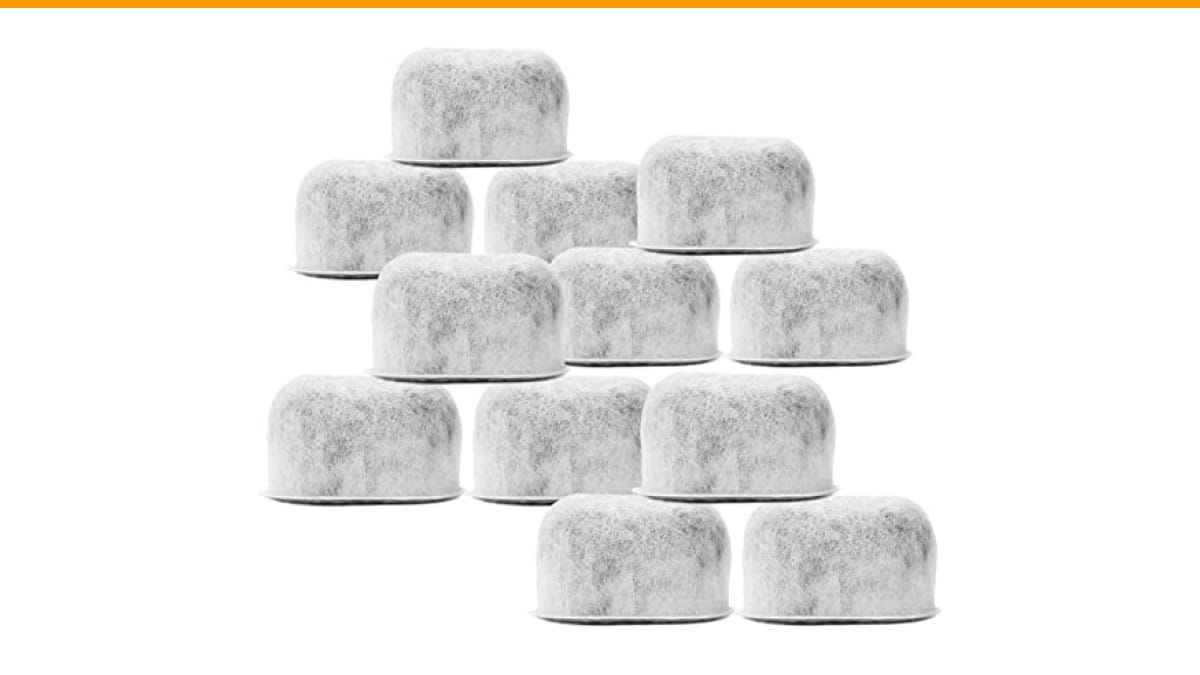
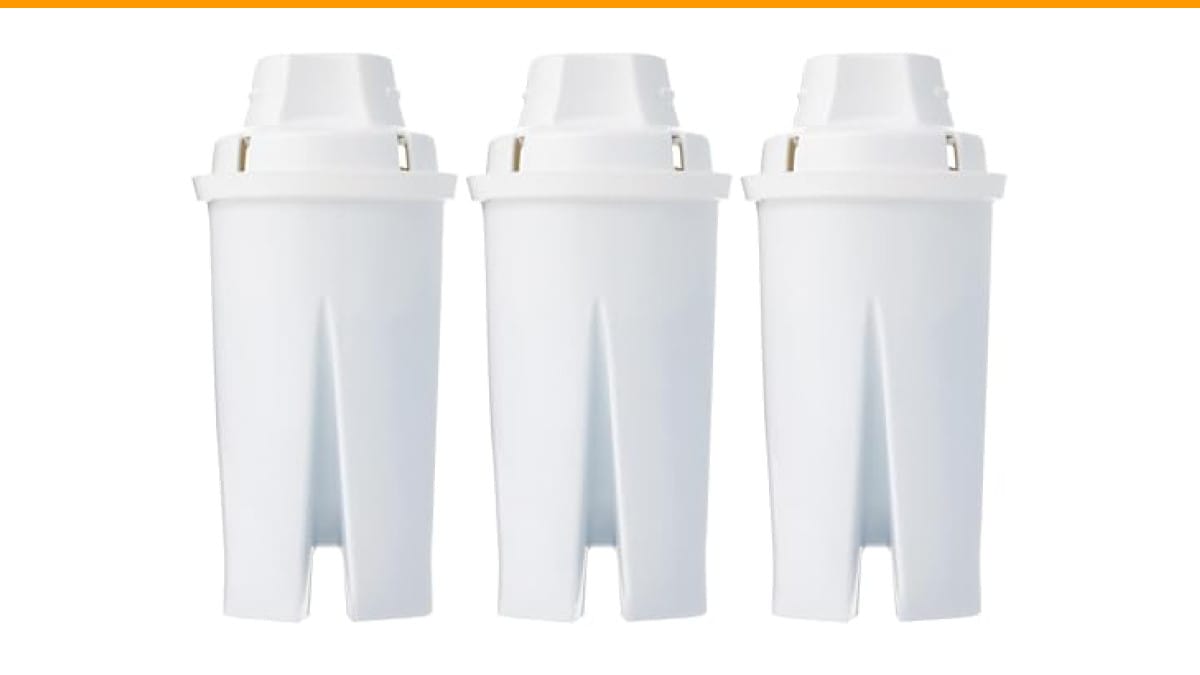
This one gets people into trouble. A filter cartridge has a lifespan based on two things: gallons filtered and time. Most filters, including the Amazon Basics Enhanced Water Filters for Pitcher, are rated for 40 gallons or two months, whichever comes first. That’s not a marketing gimmick. It’s based on the capacity of the activated carbon inside.
Even if you only use your pitcher once a week, the filter is still exposed to moisture. That moisture allows bacteria to grow inside the cartridge. After two months, that cartridge is a liability, not a benefit. You’re better off pouring tap water directly into your coffee maker than running it through an expired filter.
So mark your calendar. Set a reminder on your phone. The two-month mark is non-negotiable, regardless of how much water you’ve actually poured.
If you’re using a Brita-compatible pitcher, the Amazon Basics Enhanced Water Filters for Pitcher is a solid replacement option. It’s WQA certified and handles chlorine taste and odor, plus a few heavy metals. It fits most Brita pitchers and dispensers, so you don’t have to pay the brand-name premium.
The Complete Maintenance Routine: Step by Step
Here’s the schedule I use, and it’s worked for years. It takes about ten minutes once a month, plus a few seconds every week.
Weekly (Every 7-10 Days)
- Empty the pitcher completely. Don’t just top it off.
- Rinse the inside with warm water to remove loose debris.
- Wipe the lid and spout with a damp cloth. These areas collect dust and airborne particles.
- Refill with fresh water. Stagnant water is the enemy.
Monthly (Every 30 Days)
- Remove the filter cartridge and set it aside. Do not wash it. Water alone is fine, but soap will ruin the carbon.
- Wash the pitcher body, lid, and spout with warm, soapy water. Use a bottle brush for the corners.
- Rinse everything thoroughly. Soap residue will affect the taste of your water.
- Let everything air dry completely before reassembling. This kills any lingering bacteria.
- Reinsert the filter and run two full pitchers of water through it before you drink or brew with the third.
Every 2 Months
- Replace the filter cartridge. Don’t wait for the taste to change.
- Do the full monthly cleaning at the same time. You’re already in there.
This routine keeps the pitcher clean and the water tasting fresh. It also extends the life of your coffee maker, since cleaner water means less scale buildup inside the machine. If you’re serious about that, check out our guide on coffee machine maintenance to keep the whole setup running smoothly.
Filter Replacement: Don’t Guess, Track It
Most people replace their filter when the water starts tasting weird. That’s too late. By the time you notice a difference, the filter has been exhausted for days, maybe weeks.
The two-month rule is a good baseline, but your water quality matters. If you live somewhere with hard water, your filter will clog faster. If you have a large household that goes through pitchers quickly, you’ll hit the 40-gallon mark before the two months are up.
Here’s a simple tracking method: write the date you install a new filter on the lid with a dry-erase marker. You’ll see it every time you fill the pitcher. No apps, no spreadsheets, just a visual reminder.
When you do replace it, soak the new filter in cold water for about 10 minutes before inserting it. This activates the carbon and removes any loose dust from the manufacturing process. Then run two full pitchers through and discard that water. The third pitcher is your first drinkable batch.
| Maintenance Task | Frequency | Time Needed | Tools |
|---|---|---|---|
| Rinse pitcher | Weekly | 1 minute | Warm water |
| Wipe lid and spout | Weekly | 30 seconds | Damp cloth |
| Deep clean pitcher | Monthly | 10 minutes | Soap, bottle brush |
| Replace filter cartridge | Every 2 months | 5 minutes | New filter |
| Descale pitcher (if hard water) | Every 3 months | 15 minutes | White vinegar |
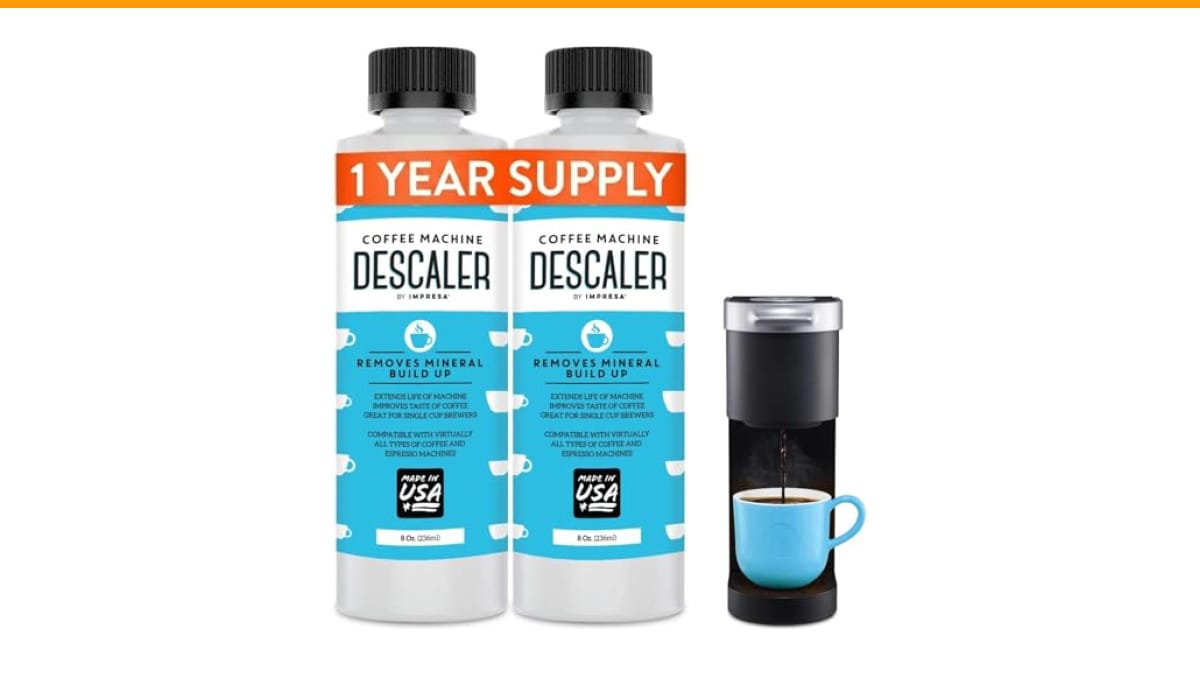
If you have hard water, add a descaling step. Fill the pitcher with a 50/50 mix of white vinegar and water, let it sit for 30 minutes, then wash it thoroughly. This removes mineral deposits that soap can’t touch. The vinegar smell dissipates after a good rinse, so don’t worry about your coffee tasting like salad dressing.
Common Mistakes That Ruin Pitchers and Filters
I’ve seen people do some wild things with their water pitchers. Here are the mistakes that actually cause problems.
Washing the filter with soap. The soap destroys the carbon’s adsorption capacity. The filter looks clean but it’s functionally dead. Never put soap on the cartridge itself.
Putting the pitcher in the dishwasher without checking. The heat can warp the plastic and damage the seal. A warped seal means unfiltered water leaks around the cartridge. You think you’re drinking filtered water, but you’re not.
Leaving water in the pitcher for days. Stagnant water breeds bacteria. If you haven’t used the pitcher in three days, dump it and refill. It’s wasteful, but it’s better than drinking bacteria soup.
Ignoring the lid. The lid is the dirtiest part of the pitcher. It gets touched constantly, and it sits in the open air collecting dust. Wash it every time you clean the body.
Using hot water in the pitcher. Hot water can degrade the plastic and release chemicals. Always use cold or room-temperature tap water.
If you’re already dealing with a clogged or slow coffee maker, the problem might not be the pitcher. Scale buildup inside the machine is a separate issue. Our guide on cleaning a clogged coffee maker covers that in detail.
Frequently Asked Questions
How often should I actually replace the filter?
Every two months or 40 gallons, whichever comes first. If you have a large family or you brew coffee daily, you’ll hit the gallon limit faster. Set a reminder on your phone and stick to it. The filter is the cheapest insurance for good-tasting coffee.
Can I clean the filter cartridge itself?
No. The carbon media inside cannot be cleaned or regenerated at home. Rinsing it in water removes surface dust, but it doesn’t restore the adsorption capacity. Once it’s exhausted, it’s exhausted. Replace it.
Why does my filtered water taste like plastic?
Two likely causes. Either the pitcher is new and hasn’t been rinsed properly, or you’re using hot water. New pitchers need a full wash with soap and water before first use. If the taste persists, check that the filter is seated correctly and that no water is bypassing it.
Is it safe to use a filter past the two-month mark?
It’s not dangerous in the short term, but it’s not doing its job. An exhausted filter doesn’t remove contaminants effectively, and it can harbor bacteria. You’re better off drinking tap water than water from an old filter. Don’t risk your health to save a few dollars.
Can I use a water filter pitcher for coffee and drinking water?
Yes, but be aware that coffee will stain the pitcher. If you’re using the same pitcher for both, wash it more frequently. The coffee oils can leave a residue that affects the taste of plain water. Some people keep a separate pitcher for coffee brewing. It’s not necessary, but it keeps things cleaner.
What to Do Now: A Simple Maintenance Plan
You don’t need a complicated system to keep your water filter pitcher working. You need a habit. Here’s the plan I recommend:
- Mark your calendar for filter replacement every two months. Use the dry-erase marker trick on the lid.
- Wash the pitcher body, lid, and spout with soap and water every month.
- Rinse the pitcher weekly, even if you haven’t used it much.
- Never put soap on the filter cartridge.
- Run two pitchers of water through a new filter before you brew with it.
- If you have hard water, descale every three months with vinegar.
- Replace the pitcher itself if you notice cracks, a broken seal, or a persistent odor that won’t go away.
A clean water filter pitcher is the difference between a great cup of coffee and a mediocre one. The filter does the heavy lifting, but you have to do the upkeep. It’s ten minutes a month. Your taste buds will thank you.
If you’re also dealing with scale in your coffee maker, don’t ignore it. Regular descaling at home keeps your machine running longer and your coffee tasting better. The two go hand in hand.
Products related to this article
Sponsored / affiliate links. As an Amazon Associate I earn from qualifying purchases. I may earn additional commission from eligible campaigns.
 SOLUSTRE Electric USB Coffee Cup Warmer with Temperature Settings Portable Milk and Beverage Heating Coaster for Office Desk Small Lightweight Design Easy to Clean Surface Multi Functional
 HomeBeyond Espresso Coffee Maker 12 Cups, Classic Stovetop Espresso Maker, 600ml / 20oz Coffeemaker for Gas & Ceramic Stovetops (Silver)
 Thrift T-100 Odorless Drain Cleaner, Hot Water Activated, 1 lb