You open your coffee container expecting that rich, roasty aroma. Instead, you get a whiff of old oil, musty cupboard, or last week’s garlic. It’s a small disappointment, but it happens to almost everyone who stores beans. The problem isn’t the coffee. It’s how the container traps odors and lets them build up over time.
Most people blame the beans when they go stale. But the container itself is often the culprit. Residual oils from previous batches, moisture trapped in the seal, and even the material of the jar all contribute to that off smell. This article walks through the real causes of odor buildup, which containers handle it best, and the exact cleaning routine that keeps your beans tasting clean batch after batch.

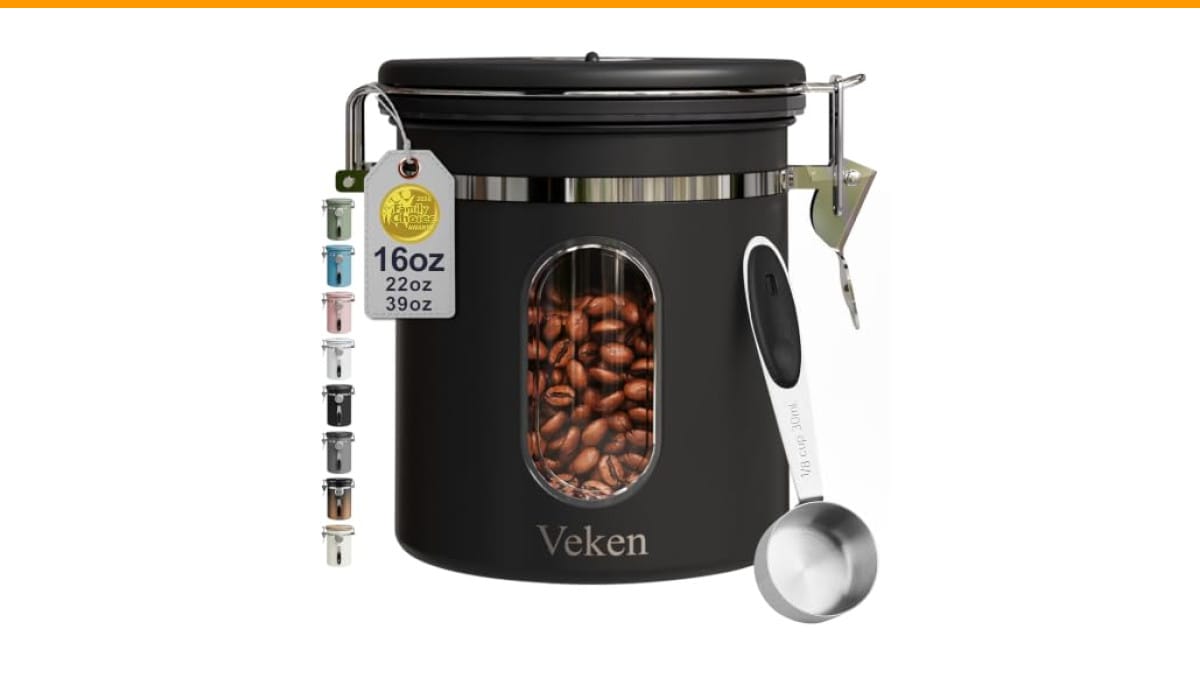
Veken
Veken Coffee Canister with Window,Airtight Stainless Steel…
- Freshness is Everything:Our coffee canister helps maintain the freshness of your coffee beans by keeping air out and free of harmf…
- Date Tracker, Window, & Free Scoop:Keep your coffee fresh by setting storage or expiry dates with our date tracker on the lid. A h…
- Premium Quality Assurance:We understand the importance of quality when it comes to your coffee experience; That's why our Veken co…
As an Amazon Associate I earn from qualifying purchases.
You’ll walk away knowing how to choose a container that resists odor absorption, how to clean it without leaving soap residue, and what to do when a container already smells. No vague tips. Just practical, tested advice.
If you’re in the market for a new canister, the Veken Coffee Canister with Window solves several odor problems at once. Its 304 stainless steel body doesn’t absorb oils the way plastic does, and the silicone rubber seal keeps moisture out. The one-way CO2 valve lets beans degas without letting outside air in, which slows the oxidation that creates stale smells.
Why Your Coffee Container Smells Like Last Week’s Brew
Coffee beans release oils as they age. Those oils cling to the inside of whatever container you use. Plastic is the worst offender because it’s porous. The oils seep into microscopic scratches and crevices, and no amount of wiping gets them out. Glass and stainless steel are non-porous, so they don’t absorb oils the same way.
Moisture is the second culprit. A damp bean or a humid kitchen adds water vapor to the container. That water mixes with the coffee oils and creates a breeding ground for mold and bacteria. You might not see it, but you’ll smell it. The musty odor is a clear sign that microbial growth has started.
Third is the seal. A loose lid lets air in, which oxidizes the beans and creates rancid flavors. A tight seal keeps air out, but it also traps whatever is already inside. If you put slightly damp beans in an airtight container, you’re locking in the moisture. That’s why the condition of the beans matters as much as the container.
Myth: Airtight Means Odor-Proof
People assume that a good airtight container protects beans from everything. It doesn’t. Airtight stops air exchange, but it doesn’t stop odor transfer from the container material itself. If you store a previous batch of flavored coffee in a plastic container, the next batch of regular beans will pick up that flavor. The seal doesn’t help because the odor is coming from the walls of the container.
Another myth is that freezing beans in their original bag works. It doesn’t. The bag isn’t moisture-proof, and the freezer is full of other food smells. Your beans will absorb them. A dedicated, airtight container is the only way to freeze beans without flavor transfer.
The truth is that odor prevention starts with the container material and continues with regular cleaning. Stainless steel is the best choice because it’s non-porous and doesn’t retain oils. Glass works too, but it’s fragile and often has a plastic lid that absorbs odors. Ceramic is fine, but the glaze can chip, exposing porous clay underneath.
The Right Way to Clean a Coffee Container
Cleaning a coffee bean container isn’t the same as washing a regular jar. Soap leaves a residue that can affect the next batch. You need a two-step process.
Start with hot water and a small amount of mild dish soap. Use a soft sponge, never an abrasive scrubber. Abrasives create micro-scratches where oils can hide. Rinse thoroughly with hot water. Then, dry the container completely with a clean paper towel. Any remaining moisture is an open invitation for mold.
For stubborn odors, use a baking soda paste. Mix three parts baking soda with one part water. Apply it to the inside of the container, let it sit for 15 minutes, then rinse and dry. Baking soda neutralizes odors without leaving a scent of its own.
Vinegar works for glass and stainless steel, but skip it for plastic. The acid can break down plastic over time and leave a lingering vinegar smell. If you use vinegar, mix one part white vinegar with three parts water, swish it around, and rinse thoroughly.
For a deep clean, some people run their container through the dishwasher. Check the manufacturer’s instructions first. The Veken canister’s stainless steel body is dishwasher safe, but the lid with the CO2 valve and date tracker should be hand washed. High heat can warp the silicone seal and ruin the valve.
You should clean your container every time you finish a bag of beans. That’s roughly every two to three weeks for most households. If you don’t clean it between bags, the old oils will contaminate the new beans. A quick wash takes two minutes and saves you from drinking stale coffee for weeks.
If your grinder also holds onto old oils, it’s worth giving it the same treatment. A clean grinder means fresher grounds, and the grinder cleaning guide covers the full process.
Choosing a Container That Fights Odors
Material matters more than any other feature. Stainless steel is the clear winner for odor resistance. It’s non-porous, easy to clean, and doesn’t absorb oils. Glass is a close second, but the lids are often plastic, which defeats the purpose. Plastic containers should be avoided for long-term storage, even the food-grade ones.
The seal quality is next. A silicone gasket creates a better seal than a rubber one because silicone doesn’t degrade as quickly. It also doesn’t absorb odors the way rubber does. That’s a detail many people overlook.
A one-way CO2 valve is a nice feature, but not for the reason most people think. It lets freshly roasted beans release CO2 without letting oxygen in. That slows oxidation, which is the chemical process that creates stale, rancid odors. The Veken canister has this valve, and it’s a genuine advantage if you buy beans from a local roaster that roasts within a few days of purchase.
Size matters too. A container that’s too big for your beans leaves empty space, which means more air inside. More air means faster oxidation. Choose a container that fits your typical bag size. The Veken 16OZ size is good for a standard 12-ounce bag, leaving minimal headroom.
| Material | Odor Absorption | Ease of Cleaning | Best For |
|---|---|---|---|
| Stainless Steel | Very Low | Easy, dishwasher safe | Long-term storage, daily use |
| Glass | Low | Easy, but lids are often plastic | Short-term storage, display |
| Ceramic | Low until chipped | Moderate, hand wash recommended | Countertop aesthetics |
| Plastic | High | Hard to fully deodorize | Short-term, travel only |
The table makes it clear: if odor prevention is your priority, stainless steel is the only material that doesn’t require constant vigilance. Plastic containers need regular deep cleaning to avoid flavor transfer, and even then, they eventually hold onto smells permanently.
What To Do When a Container Already Smells
If you’ve got a container that smells like old coffee, don’t throw it away. You can rescue it.
- Wash it with hot, soapy water and rinse thoroughly.
- Dry it completely.
- Fill it with a half-inch of baking soda and let it sit overnight, lid off.
- Rinse and dry again.
- If the smell persists, repeat with a fresh batch of baking soda.
For plastic containers, this method works sometimes, but not always. The oils have penetrated the material itself. If baking soda doesn’t fix it after two tries, the container is done. Replace it with a stainless steel or glass version.
One more tip: store your container away from strong-smelling foods. If it sits next to the onions or the spice rack, the odors can transfer through the air. The seal helps, but it’s not a force field. A pantry shelf away from the stove is the best spot.
Keeping your whole coffee setup clean also reduces cross-contamination. Your coffee maker and machine maintenance play a role in the overall taste of your brew, even if they don’t directly affect the container.
Common Questions About Coffee Container Odors
How often should I clean my coffee bean container?
Clean it every time you finish a bag of beans. That’s every two to three weeks for most people. If you switch between different types of coffee (like dark roast to light roast), clean it before each new bag. The oils from a dark roast will overpower the delicate flavors of a light roast.
Can I use bleach to remove odors from a coffee container?
No. Bleach leaves a strong chemical residue that’s hard to rinse away completely. It can also damage stainless steel and corrode the seal. Stick with baking soda or white vinegar. They work just as well without the risk.
Does the one-way valve really make a difference for odor?
It makes a difference for freshness, which indirectly affects odor. The valve lets CO2 escape from freshly roasted beans without letting oxygen in. Less oxygen means slower oxidation, which means fewer rancid compounds. Those compounds are what create stale odors. So yes, the valve helps, but only if you clean the container regularly.
Is it safe to store coffee beans in the original bag?
Only if you use the bag within a week of opening. The original bag is not designed for long-term storage. It has a fold-over top, not a true seal. Once you open it, air gets in. Transfer your beans to a proper container within a few days of opening.
What’s the best way to store coffee beans for maximum freshness?
Keep them in an airtight, opaque container at room temperature. Store it in a cool, dark cabinet away from the stove and direct sunlight. Don’t refrigerate or freeze unless you have a dedicated, airtight container. The temperature fluctuations in a fridge cause condensation, which leads to moisture and odor problems.
What Actually Matters for Odor-Free Coffee Storage
You don’t need a lab-grade setup to keep your beans fresh. You need three things: the right material, a clean routine, and a good seal.
- Choose stainless steel over plastic. It won’t absorb oils or retain old smells.
- Clean the container every time you finish a bag. Don’t skip this step.
- Dry it completely before adding new beans. Moisture is the enemy.
- Use baking soda for stubborn odors. It’s cheap and effective.
- Keep the container away from strong-smelling pantry items.
- Look for a silicone seal and a one-way valve if you’re buying new.
- Replace any container that still smells after two deep cleans.
The Veken canister checks most of these boxes out of the box. The stainless steel body resists odor, the silicone seal keeps moisture out, and the CO2 valve slows staleness. It’s not a magic solution, but it’s a solid foundation. Pair it with a proper cleaning routine, and you’ll notice the difference by the second batch.
If you’re dealing with smells elsewhere in your coffee routine, the clogged coffee maker guide covers a related issue that often goes hand-in-hand with stale containers. A clean setup from bean to cup is the only way to get consistently good coffee.
Products related to this article
Sponsored / affiliate links. As an Amazon Associate I earn from qualifying purchases. I may earn additional commission from eligible campaigns.
 MIBOTE Silicone Cooking Kitchen Utensils Set, Wooden Handle, Coffee
 SOLUSTRE Electric USB Coffee Cup Warmer with Temperature Settings Portable Milk and Beverage Heating Coaster for Office Desk Small Lightweight Design Easy to Clean Surface Multi Functional
 Supvision 3 Cup Moka Pot Aluminum 150ml Italian Coffee Maker