The first time I used an automatic espresso machine, I pressed a button and got a drink that tasted like burnt water. The machine was fine. I was the problem. Most people assume a super-automatic does everything for you, and it does, but only if you set it up correctly. Ignore the grind size, use stale beans, or skip the cleaning cycle, and you’ll get bitter, weak, or just plain sad coffee.
This guide covers the entire workflow. You’ll learn how to fill the hopper, choose a grind setting that works for your beans, pull a proper shot, froth milk correctly, and keep the machine running for years. No generic advice, just the specific steps and numbers that matter.

De'Longhi
De'Longhi Magnifica Start Automatic Espresso Machine, Milk…
- #1 Worldwide Espresso Machine Maker* *Independent Research Institute, Sales Leader, Full Year 2025
- 3 ONE-TOUCH RECIPES: Enjoy Espresso, Coffee, and Americano at the touch of a button. Easily adjust the intensity to fit your prefe…
- PERFECT GRINDING: 13 grind settings means all of your bean varieties are optimally prepared for extraction. The conical burr grind…
As an Amazon Associate I earn from qualifying purchases.
If you’re shopping for your first machine, the De'Longhi Magnifica Start Automatic Espresso Machine is a solid place to start. It has 13 grind settings and three one-touch recipes, which makes it forgiving while you’re learning. I’ll reference it in the steps below because it’s a common model, but the principles apply to any super-automatic.
Step 1: Fill the Hopper and Water Tank Before You Do Anything Else
This sounds obvious, but you’d be surprised how many people run a shot with a nearly empty tank or a hopper with three beans rattling around. The machine needs consistent pressure and a full dose to extract properly.
- Lift the water tank lid and fill it with cold, filtered water. Don’t use distilled water. It lacks minerals that help extraction and can confuse the machine’s sensors.
- Open the bean hopper lid. Pour in fresh, whole coffee beans. Fill it at least halfway so the weight of the beans pushes them down into the burrs consistently.
- Replace both lids firmly. The machine won’t brew if the tank isn’t seated correctly.
Pro tip: only put beans in the hopper if you’ll use them within a week. Beans go stale fast once exposed to air. If you drink one espresso a day, fill the hopper with just enough for two or three days.
Step 2: Dial In the Grind Size (This Is the Most Important Step)
Your grind size determines how fast water flows through the coffee. Too fine, and the shot takes forever and tastes bitter. Too coarse, and water rushes through, giving you a thin, sour shot. The De’Longhi Magnifica Start has 13 settings. Lower numbers are finer, higher numbers are coarser.
Start at a middle setting, around 7. Pull a single shot and time it. A proper espresso shot takes between 25 and 30 seconds from the moment water hits the grounds. If it finishes in 15 seconds, move the dial one number coarser. If it takes 40 seconds, move one number finer. Adjust one step at a time and taste as you go.
Here’s the thing most guides skip: the grind setting you use for dark roast beans will be wrong for a light roast. Dark roasts are more porous and extract faster, so they usually need a coarser grind. Light roasts need a finer grind to slow down extraction. Write down what works for each bag of beans you buy.
Step 3: Pull Your First Shot and Adjust the Strength
Now you’re ready to brew. On a machine like the Magnifica Start, you press the Espresso button and it does the rest. But you need to watch the first shot.
- Place a cup under the spout. Make sure it’s centered.
- Press the Espresso button. Watch the stream. It should look like warm honey dripping from the spout, not a gushing waterfall.
- Check the crema. A good shot has a thick, golden-brown layer of crema on top. If it’s pale and thin, your grind is too coarse or your beans are old.
- Taste it. It should be sweet and slightly bitter, not sour (underextracted) or harsh (overextracted).
If the shot tastes off, adjust the grind one step and try again. Also check the intensity setting. Most machines, including the Magnifica Start, let you choose a mild, medium, or strong dose. This changes the amount of coffee ground for each shot. If your shots are consistently weak, bump the intensity up one level before messing with the grind.
Step 4: Froth Milk the Right Way (Manual Frother)
Manual frothers are where most people get frustrated. The machine doesn’t do the work for you. You have to hold the pitcher at the right angle and move it up and down. The Magnifica Start has a traditional steam wand, which gives you more control than an automatic frother. That’s a good thing once you learn it.
- Fill a stainless steel pitcher with cold milk. Fill it only one-third full. The milk will double in volume as it froths.
- Submerge the steam wand tip just below the milk’s surface. Turn the steam on.
- Keep the tip near the surface for the first few seconds. You’ll hear a light hissing sound. That’s air being incorporated. If it sounds like a loud squeal, the tip is too deep. If it’s splashing, it’s too close to the surface.
- Once the milk feels warm to the touch on the bottom of the pitcher, lower the tip deeper into the milk. This creates a whirlpool that mixes the foam and makes it silky.
- Turn the steam off when the pitcher is too hot to hold for more than a few seconds. That’s around 150°F. Don’t go hotter; it kills the sweetness.
Pro tip: whole milk froths the easiest. Oat and almond milk work, but they need a slightly different technique. Keep the wand tip a little deeper to avoid creating stiff, bubbly foam.
Step 5: Clean Daily, Deep Clean Weekly
An automatic espresso machine has a lot of parts that touch coffee oils and milk. Both go rancid quickly. You don’t need to be obsessive, but a five-minute routine each day makes a huge difference.
After your last drink of the day, do this:
- Remove the drip tray and knock box. Rinse them under hot water.
- Wipe the steam wand with a damp cloth right after use. Milk residue bakes on fast.
- Run a blank water shot through the group head to flush out coffee oils.
- Empty the used coffee grounds container.
Once a week, you need to descale. Mineral buildup from hard water will clog the boiler and ruin your shots. Use a descaling solution or white vinegar diluted with water. Run the descaling cycle on the machine. This takes about 20 minutes. If you skip this, your machine will eventually stop working, and it won’t be under warranty. Check our descaling guide for the full process.
For the deeper cleaning of the brew unit, follow manufacturer instructions. Many parts on the Magnifica Start are removable and dishwasher-safe, which makes the job easier. Don’t skip this step. Old coffee oils are the number one cause of bitter, off-tasting shots.
Automatic vs. Semi-Automatic: What You’re Giving Up
An automatic machine trades control for convenience. You can’t manually control the pressure or the exact water temperature. For most home users, that’s fine. The machine is more consistent than you are, especially at 7 am.
But if you’re a hobbyist who wants to experiment with different pressure profiles or pull shots with a bottomless portafilter, you’ll want a semi-automatic machine. The trade-off is time and skill. A semi-auto requires you to grind, dose, tamp, and time every shot. An automatic does all of that for you.
Here’s a quick comparison to help you decide:
| Feature | Automatic | Semi-Automatic |
|---|---|---|
| Time to make a drink | Under 1 minute | 3-5 minutes with cleanup |
| Grind and dose control | Machine does it, you adjust settings | Full manual control |
| Learning curve | Low, mostly pressing buttons | Steep, requires practice |
| Consistency | High, same result every time | Varies with your skill |
| Best for | Daily convenience drinkers | Enthusiasts who enjoy the ritual |
If you’re on the fence, consider your morning routine. If you want a decent latte in under two minutes while you’re half asleep, buy an automatic. If you enjoy the process and have time on weekends, a semi-auto is more rewarding.
Three Common Mistakes and How to Fix Them
Most problems with automatic machines aren’t mechanical failures. They’re user errors. Here are the three I see most often.
Mistake 1: Using pre-ground coffee. Your machine has a built-in grinder for a reason. Pre-ground coffee is stale by the time you buy it. It also has the wrong particle size for espresso. Use whole beans. Freshly ground beans make a night-and-day difference in crema and flavor.
Mistake 2: Never adjusting the grind. You buy a new bag of beans, and you keep the same grind setting. Different beans need different grind sizes. A dark roast Ethiopian will behave differently than a medium roast Colombian. Spend the first few shots of a new bag dialing it in. It takes five minutes and saves you a week of bad coffee.
Mistake 3: Ignoring the water hardness. Hard water is the silent killer of espresso machines. It scales up the boiler, which reduces water flow and makes the machine overheat. If you live in an area with hard water, use filtered water and descale monthly. Your machine will last twice as long. If you’re already having issues, check our leaking water troubleshooting guide.
Frequently Asked Questions
How often should I clean my automatic espresso machine?
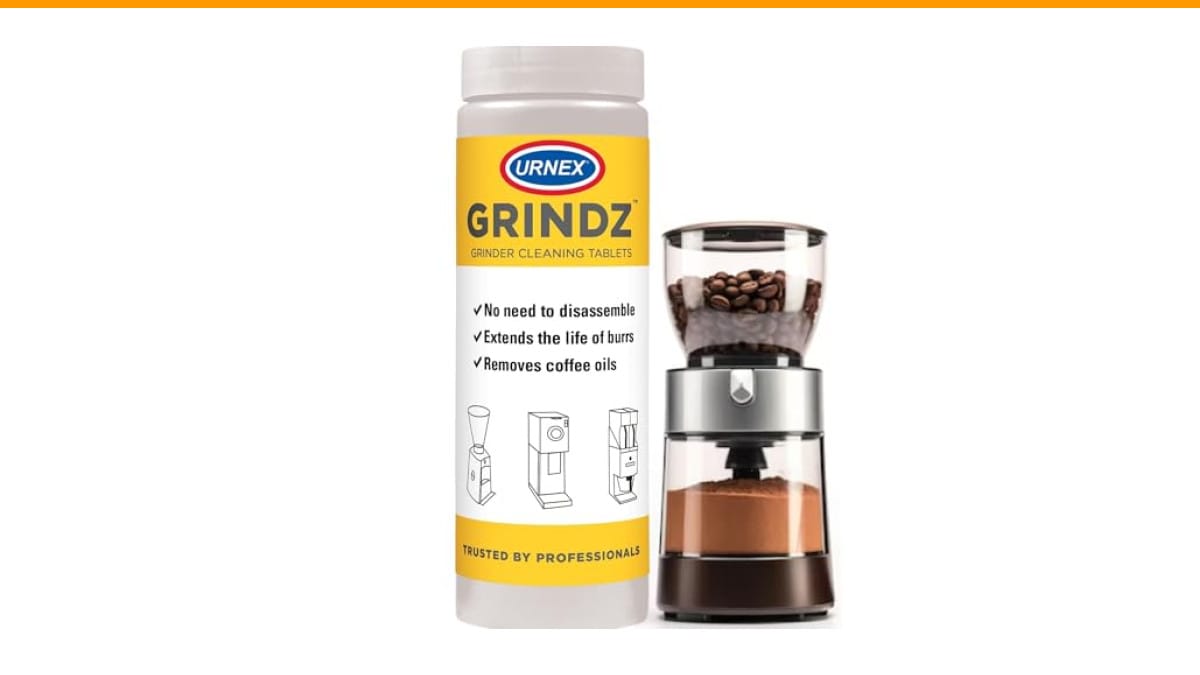
Rinse the drip tray and steam wand daily. Run a deep cleaning cycle with a cleaning tablet once a week. Descale every 2-3 months, depending on your water hardness. If you use hard tap water, descale monthly. The machine will often tell you when it needs it, but don’t wait for the warning light.
Can I use regular coffee beans in an espresso machine?
Yes, but they need to be whole beans. The machine’s grinder will handle them. The issue is roast level. Use a medium or dark roast for the best espresso flavor. Light roasts can be too acidic and sour in an automatic machine because you can’t manually adjust the water temperature.
Why is my espresso coming out too bitter?
Bitter espresso usually means overextraction. Your grind is too fine, or you’re using too much coffee. Move the grind dial one step coarser. Also check your water temperature. If it’s too hot, the coffee will taste burnt. If you’re using a dark roast, a slightly coarser grind often fixes the problem.
Why is my espresso watery and weak?
This is the opposite problem. Your grind is too coarse, or your beans are stale. First, check the roast date on your beans. If they’re older than a month, they’re dead. If the beans are fresh, move the grind dial one step finer. Also make sure you’re using the strongest intensity setting if your machine has one.
Do I need to use a specific type of milk for the frother?
No, but results vary. Whole milk produces the richest, most stable foam. Skim milk creates a drier, stiffer foam. Oat milk and almond milk work, but they require a slightly different technique. Keep the steam wand tip deeper in the pitcher and don’t over-aerate. Non-dairy milks curdle if you heat them too much, so stop at around 140°F.
What to Remember Before You Start
- Always use fresh, whole beans. Stale beans are the #1 reason for bad shots.
- Start with a medium grind setting and adjust one step at a time based on shot time (25-30 seconds).
- Fill the water tank with filtered water, not distilled, and fill the hopper at least halfway.
- Froth milk in a cold pitcher, keep the wand tip near the surface for 5 seconds, then submerge to create a vortex.
- Clean the steam wand and drip tray daily. Descaling every 2-3 months is non-negotiable for machine longevity.
- Don’t be afraid to experiment with the intensity and grind settings. The machine won’t break, and you’ll learn what your beans need.
- If you’re buying your first machine, the De'Longhi Magnifica Start is a forgiving entry point with 13 grind settings to learn on.
Learning to use an automatic espresso machine is a two-day process. Day one, you’ll make a few bad drinks. Day two, you’ll dial it in and wonder why you ever paid for cafe coffee. Stick with it, and don’t skip the cleaning routine. Your machine and your taste buds will thank you.
For more on keeping your machine in top shape, see our maintenance tips and deep cleaning guide.
Products related to this article
Sponsored / affiliate links. As an Amazon Associate I earn from qualifying purchases. I may earn additional commission from eligible campaigns.
 Coffee Espresso Machine Handle Replacement Parts, Cafe Bracket Handle for Lidl Silvercrest CM4621 CM4218 KF5002 KF500S Barista (for 51mm Portafilter Basket - Not included)
 Stainless Steel Moka Pot Pressed Powder Tool for 2 4 6 9 Cup Espresso Coffee Brewer(6 Cups)
 Quick Heating Cup Warmer, Three Temperature Settings, Splashproof and Portable, for Coffee, Milk, Lightweight ABS Material