You dialed in the grind size, weighed your beans to the tenth of a gram, and nailed the water temperature. Then you took a sip and wondered why it still tasted flat or slightly bitter. The culprit is almost always the water. Tap water loaded with chlorine and minerals doesn’t just affect flavor; it can also scale up your machine over time.
Using a filtered pitcher is the cheapest and least fussy way to fix your brew water. You don’t need a plumbed-in system or a fancy countertop unit. You just need a pitcher, a fresh filter, and a few minutes of setup. This guide walks through the exact steps to get from tap water to a genuinely better cup, plus the mistakes that quietly ruin your efforts.
BRITA
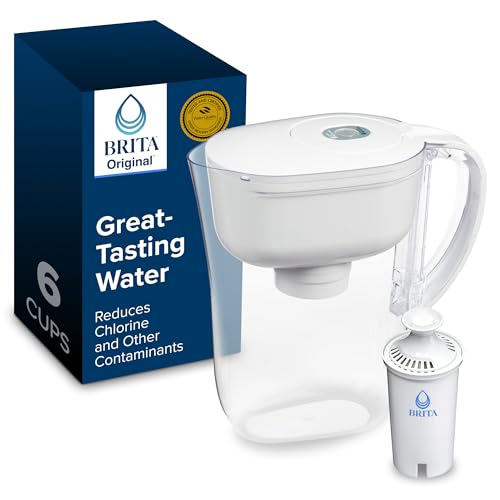
Brita Small 6-Cup Water Filter Pitcher, Includes…
- CERTIFIED WATER FILTRATION: WQA NSF/ANSI certified Brita Metro water filter pitcher reduces chlorine taste and odor, copper, mercu…
- SMARTLIGHT FILTER INDICATOR: Brita's most accurate and precise pitcher filter change indicator tells you exactly when to replace y…
- MINI-FRIDGE-FRIENDLY DESIGN: This 6-cup BPA-free water pitcher is space-efficient and fits in most mini-fridges; easy-fill lid mak…
As an Amazon Associate I earn from qualifying purchases.
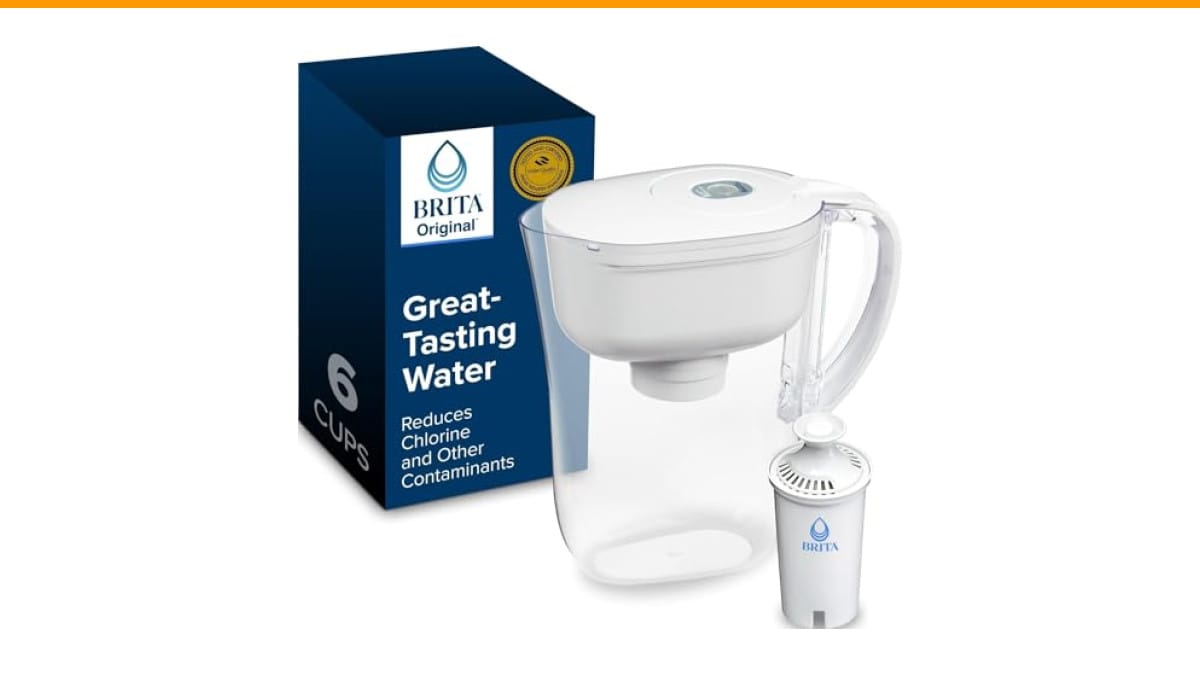
If you don’t own a pitcher yet, the Brita Small 6-Cup Water Filter Pitcher is a solid starting point. It fits in a mini-fridge, and the SmartLight indicator takes the guesswork out of filter changes. That matters more than you think, because a spent filter is worse than no filter at all.
Prep the Filter Before You Brew
Most people skip the filter prep and pour water straight in. That is a mistake. A dry carbon block filter has air trapped inside, which prevents water from flowing through it properly. You will end up with a filter that drips slowly and never fully activates.
Here is the correct routine:
- Remove the filter from its plastic wrap and rinse it under cold running tap water for about 15 seconds. This washes off loose carbon dust.
- Fill your sink or a large bowl with cold water and submerge the filter completely. Let it soak for 5 to 10 minutes. You will see air bubbles escape. That is normal.
- Insert the filter into the pitcher’s reservoir. Press down firmly until it clicks or seats flush.
- Fill the pitcher with cold tap water and let the first batch run through completely. Discard this water. It may look cloudy or contain fine black specks from the carbon.
- Refill the pitcher one more time. This second batch is safe to use for coffee.
Pro tip: Set a timer for the soak. If you forget and leave it for an hour, it is fine. The filter just saturates fully, which is what you want.
How to Use a Water Filter Pitcher for Coffee: The Brewing Steps
Once the filter is primed, the process is straightforward, but a few details separate a good cup from a great one.
First, always use cold water to fill the pitcher. Hot tap water dissolves more minerals and sediment from your pipes, which defeats the purpose of filtering. Cold water also filters faster because the carbon’s adsorption rate works better at lower temperatures.
Second, fill the pitcher and wait. Do not pour the first glass immediately. Give the water time to pass through the filter completely. For a 6-cup pitcher, this takes about 2 to 3 minutes. If you are impatient and pour while the reservoir is still full, you will get unfiltered water mixed in.
Third, store the pitcher in the fridge. Cold water is actually better for coffee extraction. When you brew with water at 195°F to 205°F, the starting temperature of the water matters less than you think, but a cold pitcher keeps the water fresh and slows bacterial growth.
Now for the actual brewing ratio. Filtered water does not change the golden ratio of 1:16 (coffee to water). If you use 30 grams of coffee, you still need 480 grams of water. What changes is the taste profile. You will notice less bitterness and a cleaner finish because the chlorine is gone.
One thing to watch: filtered water has fewer dissolved solids. That means extraction happens slightly faster. If your coffee tastes sour or underdeveloped, grind slightly finer. If it tastes hollow or overly bitter, grind coarser. You might need to adjust by one or two clicks on your grinder.
Filter Lifespan and Replacement Schedule
Every filter has a finite capacity. The Brita Standard filter is rated for 40 gallons or about two months, whichever comes first. That rating assumes average tap water. If your water is heavily chlorinated or very hard, the filter will exhaust faster.
How do you know when it is done? The SmartLight indicator on the pitcher turns from green to yellow to red. When it hits red, replace the filter. If you do not have an indicator, track the date on the filter itself with a permanent marker.
Using an expired filter is not dangerous, but it stops removing chlorine and heavy metals. Your coffee will gradually taste worse, and you might blame the beans or your technique. That is a frustrating rabbit hole to go down. Just change the filter on schedule.
This is also a good time to clean the pitcher itself. Wash it with warm, soapy water every time you change the filter. The reservoir and lid collect film over time.
Filtered Water vs. Bottled vs. Tap: What Actually Changes in the Cup
You might wonder if the effort is worth it compared to just buying spring water. I tested all three side by side using the same beans, grinder, and brewer. Here is what I found.
| Water Source | Taste Profile | Machine Impact | Cost per Cup |
|---|---|---|---|
| Unfiltered Tap | Chlorine smell, bitter finish, muted acidity | Scale buildup in boiler and lines | Negligible |
| Bottled Spring | Clean, balanced, consistent | No scale if low mineral content | High, and wasteful |
| Filtered Pitcher | Clean, slightly softer mouthfeel, brighter acidity | Minimal scale, but not zero | Pennies per gallon |
The filtered water came closer to bottled spring water than I expected. It does not have the exact mineral profile of a specialty water recipe, but for most home setups, the difference is negligible. The biggest win is consistency. Your tap water changes seasonally; a fresh filter gives you a stable baseline.
If you are dealing with a machine that already has scale issues, filtered water will help going forward, but it won’t fix existing buildup. You will need to descale separately. Check our coffee machine maintenance guide for that routine.
Common Mistakes and How to Avoid Them
Three errors show up repeatedly when people start using filtered water for coffee.
Mistake 1: Using the first batch of filtered water. The initial run contains carbon dust and tastes slightly gritty. Always discard the first full pitcher after installing a new filter.
Mistake 2: Letting the pitcher sit empty. A dry filter cracks or compresses unevenly. Water then flows through the gaps instead of the carbon. Keep the pitcher filled, or at least store the filter wet in a sealed bag if you travel.
Mistake 3: Ignoring the water temperature. Filtered water from the fridge is cold. That is fine. But if you brew with water that is still cold because your kettle is slow, you will under-extract. Bring the water to a full rolling boil, then let it sit for 30 seconds before pouring.
One more thing: do not use filtered water in a dirty coffee maker. The filter removes contaminants from the water, not from your machine’s old coffee oils. Clean the brewer regularly. A quick coffee maker cleaning routine takes ten minutes and makes a bigger difference than any water filter.
Frequently Asked Questions
Does filtered water make coffee taste better?
Yes, but only if your tap water is the problem. If your tap water has chlorine, a metallic taste, or high hardness, filtering removes those off-flavors. If your tap water already tastes clean, the difference will be subtle. You are mostly protecting your machine from scale at that point.
Can I use filtered water in an espresso machine?
You can, but check your machine’s manual first. Some espresso machines require a specific mineral content for the water to trigger the boiler’s level sensor. Distilled or heavily filtered water can confuse the sensor. Pitcher-filtered water usually retains enough minerals to work, but if your machine acts up, switch back to tap or a mineral-added bottled water.
How often should I replace the filter for coffee use?
Stick to the manufacturer’s schedule: every 40 gallons or two months. Coffee brewing uses about 0.5 to 1 gallon per day for a typical household. If you brew multiple pots daily, you might hit 40 gallons in six weeks. Replace it early if the water starts tasting flat.
Is it cheaper than buying bottled water?
Yes. A replacement filter costs a few dollars and treats 40 gallons. That is roughly equivalent to 320 standard 16.9-ounce bottles. You save money and eliminate the plastic waste.
Does the filter remove all minerals?
No. It reduces chlorine, copper, mercury, and cadmium, but it leaves beneficial minerals like calcium and magnesium in the water. Those minerals are actually good for coffee extraction. You do not want zero-mineral water; it makes coffee taste flat and acidic.
What to Do Next
You have the steps. Now put them into practice.
- Prime your new filter with a 10-minute soak and discard the first batch.
- Always fill with cold tap water and wait for the reservoir to drain completely.
- Store the pitcher in the fridge and track the filter change date.
- Adjust your grind size slightly if the filtered brew tastes different from your usual tap water cup.
- Clean your coffee maker on the same day you change the filter.
- If your espresso machine behaves oddly, revert to your previous water source temporarily.
- Check the current price of the Brita pitcher on Amazon if you need one.
Water is the one ingredient you cannot fake. A $20 pitcher does more for your daily cup than a $200 grinder upgrade will, assuming your grinder is already decent. Start here, taste the difference, and then chase the next variable.
Products related to this article
Sponsored / affiliate links. As an Amazon Associate I earn from qualifying purchases. I may earn additional commission from eligible campaigns.
 HomeBeyond Espresso Coffee Maker 12 Cups, Classic Stovetop Espresso Maker, 600ml / 20oz Coffeemaker for Gas & Ceramic Stovetops (Silver)
 Aluminum Moka Funnel Filter Replacement, for Espresso Coffee Maker, for Compatible for 1/2 /3/6/9/12 Cup Percolators, Silver(150ML)
 SOLUSTRE Electric USB Coffee Cup Warmer with Temperature Settings Portable Milk and Beverage Heating Coaster for Office Desk Small Lightweight Design Easy to Clean Surface Multi Functional