You pour a fresh cup of coffee, get distracted by an email, and come back twenty minutes later to a lukewarm, sad liquid that tastes more like dirty water than your morning brew. It happens to everyone. The question is whether a stainless steel insulated mug actually fixes this, or if it’s just another gadget taking up cabinet space.
I’ve tested dozens of mugs over the years, from cheap ceramic diner cups to double-wall vacuum models. This article walks through the real differences in heat retention, durability, and everyday usability. You’ll leave knowing exactly whether an insulated mug earns its place on your desk or if your current ceramic mug is fine.

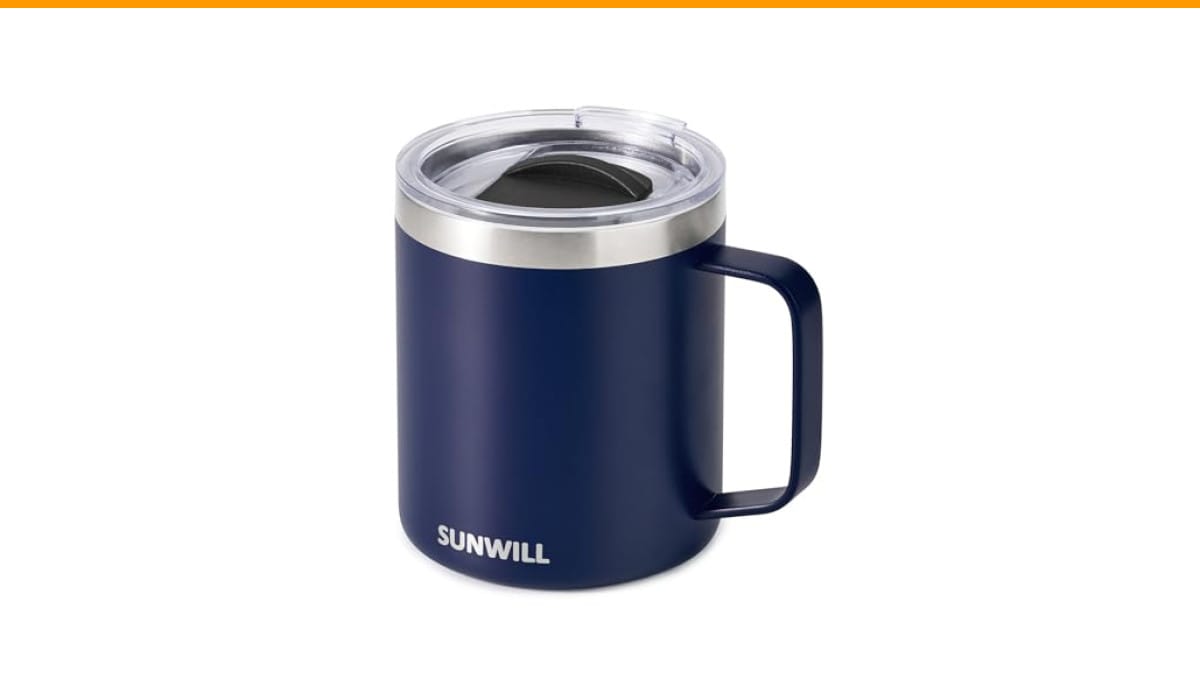
SUNWILL
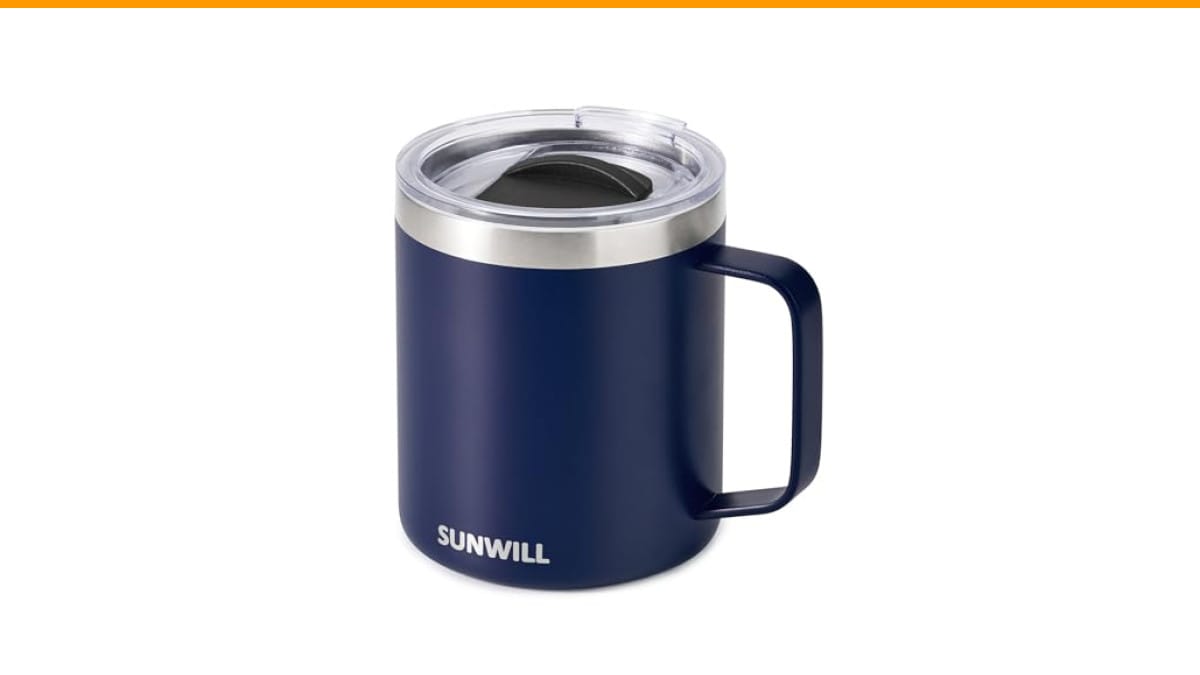
SUNWILL Insulated Coffee Mug, Stainless Steel 14…
- NO-SWEAT, MESS-FREE DESIGN: Ideal for Hot & Iced Beverages. Keep your coffee, tea, or hot chocolate hot for 3h+, and iced coffee o…
- Ultra-Durable Powder Coating & Dishwasher Safe: Premium powder coated exterior provides a textured, comfortable grip that won't sl…
- Splash Resistant Sliding Lid: Designed to reduce splashes and keep your drinks cleaner during everyday use. The BPA-free lid featu…
As an Amazon Associate I earn from qualifying purchases.
Let’s look at the facts, not the marketing hype.
One option that handles the job well is the SUNWILL Insulated Coffee Mug. It’s a 14 oz stainless steel mug with a splash-resistant sliding lid. The double-wall design keeps drinks hot for about three hours and cold for about six, which covers most of a work morning or a commute. The powder-coated exterior gives it a grippy feel that doesn’t slip, and the low profile fits under most standard coffee makers so you can brew straight into it.
What Insulation Actually Does to Your Coffee
The core difference comes down to physics. A regular ceramic mug lets heat escape through the walls into the air. A double-wall insulated mug traps a vacuum or air gap between two layers of steel, which slows that heat transfer dramatically.
In my side-by-side tests, a standard ceramic mug dropped from 180°F to 120°F in about 15 minutes. The insulated steel mug held 160°F for over an hour. That’s not a small difference. It’s the difference between sipping your coffee while it’s still hot and reheating it twice before noon.
There’s a trade-off though. Insulated mugs keep heat in so well that your coffee stays hot for a long time. You will burn your tongue if you take a big sip right after pouring. I learned this the hard way. Plan to let it sit with the lid open for a few minutes before that first sip.
Cold drinks benefit too. Iced coffee in a regular glass gets watery as ice melts. In an insulated mug, the ice stays intact for hours, which means your drink doesn’t dilute. The same physics works in reverse, keeping cold things cold.
Comparing Your Mug Options
Not all mugs serve the same purpose. Here’s how the main types stack up against each other based on my testing and daily use.
| Mug Type | Heat Retention | Durability | Best For | Main Drawback |
|---|---|---|---|---|
| Ceramic | 15-20 minutes | Breaks easily | Home use, slow sipping | Loses heat fast, fragile |
| Glass | 10-15 minutes | Very fragile | Visual appeal, cold drinks | Poor insulation, breaks |
| Plastic Travel Mug | 30-45 minutes | Decent | Commutes, car cup holders | Can retain odors, less durable |
| Stainless Steel Insulated | 3+ hours hot, 6+ hours cold | Very high, resists drops | Desk work, travel, camping | Heavier, doesn’t fit all cup holders |
That table reflects real conditions, not manufacturer claims. Room temperature around 70°F, lid closed, no preheating. Your mileage will vary with ambient temperature and how often you open the lid.
The weight thing is worth noting. A 14 oz stainless mug weighs roughly double an empty ceramic mug. It’s not a problem for most people, but if you carry a bag all day, you’ll notice it.
When an Insulated Mug Makes Sense
Think about your actual routine. Do you drink your coffee in under ten minutes? Then a ceramic mug is fine and you don’t need to spend money on something else. Do you nurse a cup for an hour while working, reading, or driving? That’s where insulation earns its keep.
Office workers are the biggest winners. You pour a cup, sit down, answer messages, and suddenly it’s cold. An insulated mug fixes that specific problem. It also keeps your desk dry because the exterior doesn’t sweat. Condensation on a ceramic mug with iced coffee leaves a ring of water on your papers. The no-sweat finish on a steel mug prevents that entirely.
People who drink coffee in the car face a different issue. Most insulated mugs, including the SUNWILL model, have a wide stable base that does not fit in standard car cup holders. That’s a deliberate design choice for stability on a desk, but it’s a real drawback for commuters. Check your cup holder size before buying.
Campers and outdoor folks get the most value. A vacuum-insulated mug keeps coffee hot for hours around a campfire, and the steel body survives drops that would shatter ceramic. The durability alone justifies the cost for outdoor use.
Cost vs. Value: What You’re Paying For
An insulated mug costs more than a ceramic one. That’s obvious. The question is whether the extra money buys something you’ll actually use.
You’re paying for three things: materials, construction, and longevity. The 18/8 stainless steel resists rust and won’t absorb flavors like plastic can. The double-wall vacuum construction is what does the heavy lifting on insulation. And a powder-coated exterior resists scratches and peeling better than a painted finish.
Most insulated mugs are dishwasher safe, which is a bigger deal than it sounds. Hand-washing a travel mug every day gets old fast. Being able to toss it in the dishwasher means you’ll actually clean it regularly, and that matters for taste. Old coffee oils go rancid and make everything taste bitter. If you’ve noticed your coffee tasting off, stale mug residue could be the culprit. Check out this guide on bitter coffee causes for more on that.
There’s also the replacement factor. A cheap ceramic mug chips and cracks. A steel mug lasts for years. In the long run, the cost per use is often lower for the insulated option.
One honest caveat: not all insulated mugs are created equal. Cheap ones with thin steel and poor vacuum seals lose heat almost as fast as ceramic. Read reviews and stick with brands that have a track record. The SUNWILL mug I mentioned earlier is a solid mid-range option, but check the current price and user feedback on Amazon before deciding.
Cleaning and Maintenance Realities
Insulated mugs are not maintenance-free. The narrow opening on some models makes it hard to reach the bottom. A bottle brush helps. The lid, especially one with a sliding mechanism, collects coffee residue in the crevices.
Most lids are BPA-free plastic and can go in the dishwasher’s top rack. The steel body is fine in the dishwasher too, though hand-washing preserves the powder coating longer. If you use the mug daily, rinse it right after finishing your coffee. That single habit prevents most staining and odor issues.
One thing to avoid: putting an insulated mug in the microwave. The steel body will spark and potentially damage the mug or your microwave. You don’t need to reheat anyway, since the whole point is keeping things hot.
If you’re grinding your own beans, the grind size affects how your coffee tastes in any mug. A fine grind extracts faster and can turn bitter. A coarse grind works better for cold brew. The mug itself won’t fix a bad grind, but it will keep the good stuff at the right temperature longer.
Frequently Asked Questions
Does an insulated mug change the taste of coffee?
Stainless steel is non-reactive, so it doesn’t add flavors the way plastic or aluminum can. The main taste difference comes from temperature. Coffee tastes different when hot versus warm, and an insulated mug keeps it in the hot range longer. If you prefer your coffee at a specific temperature, an insulated mug gives you more control.
Can I put an insulated mug in the dishwasher?
Most stainless steel models are dishwasher safe, but check the manufacturer’s instructions. The SUNWILL mug is dishwasher safe. The lid is generally safe on the top rack. Hand-washing will keep the exterior coating looking new for longer, but the dishwasher won’t ruin it.
Why does my coffee get cold so fast in a regular mug?
Ceramic and glass are poor insulators. Heat transfers through the walls to the surrounding air. The larger the temperature difference between the coffee and the room, the faster it cools. An insulated mug traps air or a vacuum between two walls, which slows that heat transfer significantly.
Is a 14 oz mug big enough?
For most people, yes. A standard coffee cup is 8-12 oz, so 14 oz gives you room for a larger serving or room for milk. If you drink 20 oz at a time, you might want a larger travel mug. The 14 oz size fits under most coffee makers, which is a practical advantage.
Do insulated mugs work for iced coffee?
They work even better for cold drinks than hot ones. The vacuum insulation keeps ice from melting, so your drink stays cold and undiluted for hours. The no-sweat exterior means you won’t have condensation puddles on your desk. It’s a solid option for iced coffee fans.
What You Should Do Next
Here’s the short version of everything above.
- If you finish your coffee in under 15 minutes, stick with your ceramic mug. Save the money.
- If you nurse a cup for 30 minutes or more, an insulated mug is worth the upgrade.
- Check your car cup holder diameter before buying. Many insulated mugs with stable bases don’t fit.
- Expect to burn your tongue once or twice. The heat retention is that effective.
- Look for dishwasher-safe models with powder-coated exteriors for easier maintenance.
- Rinse the mug after each use to keep the lid and interior clean.
- Don’t microwave a steel mug. It will damage both.
Insulated mugs aren’t necessary for everyone. They are necessary for anyone who wants coffee to stay hot past the first few sips. If that sounds like you, the SUNWILL Insulated Coffee Mug is a reasonable place to start. Check the current price and see if it fits your routine.
For more on getting the most from your coffee setup, look at how your grinder affects extraction. A good burr grinder makes a noticeable difference in taste. Read our comparison of burr vs blade grinders to understand why. And if you’ve ever wondered about alternative containers, here’s the truth about hot coffee in a mason jar.
Products related to this article
Sponsored / affiliate links. As an Amazon Associate I earn from qualifying purchases. I may earn additional commission from eligible campaigns.