You just unboxed a new coffee maker, or maybe you’re staring at the little filter holder in your Cuisinart, wondering if that charcoal puck is actually doing something. The question that pops up: is coffee machine water filter food safe? It’s a fair thing to ask. You’re about to run hot water through it and drink the results, so the last thing you want is some plastic-adjacent chemical leaching into your morning cup.
Here’s the short version: yes, most name-brand and compatible filters are food safe, but the details matter. The materials, the manufacturing process, and even how you handle the filter before installing it all play a role. This article walks through what makes a filter safe, what to avoid, and how to pick a replacement that won’t ruin your coffee or your health.

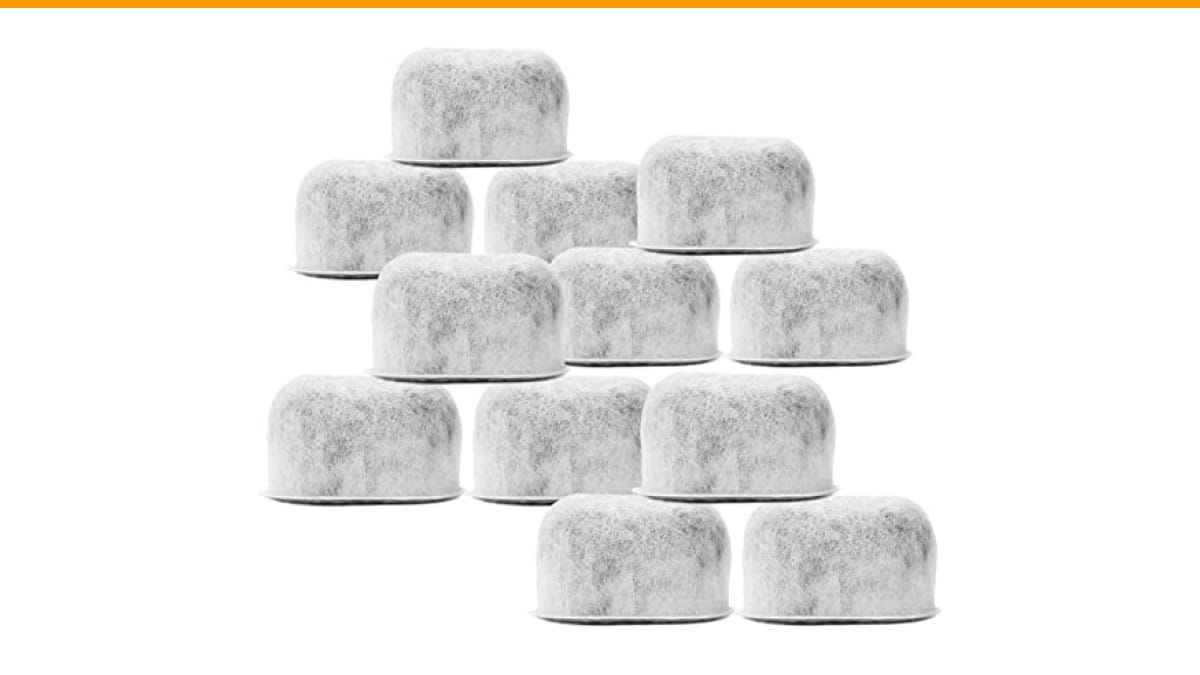
BRENSTEN
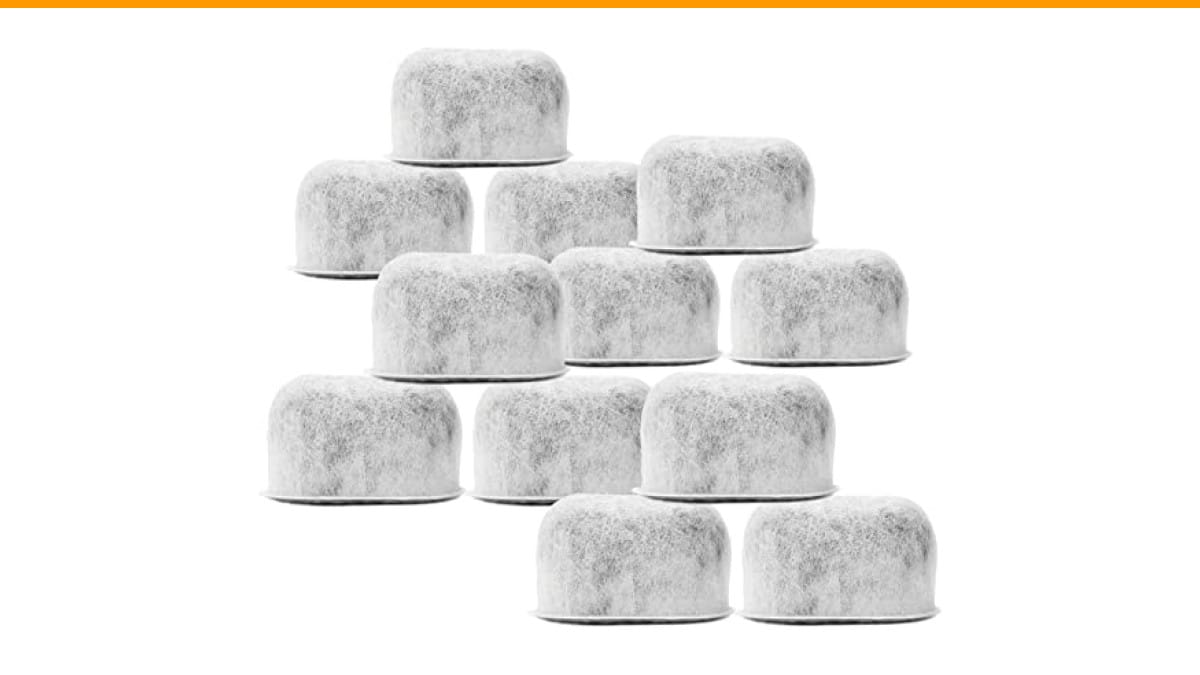
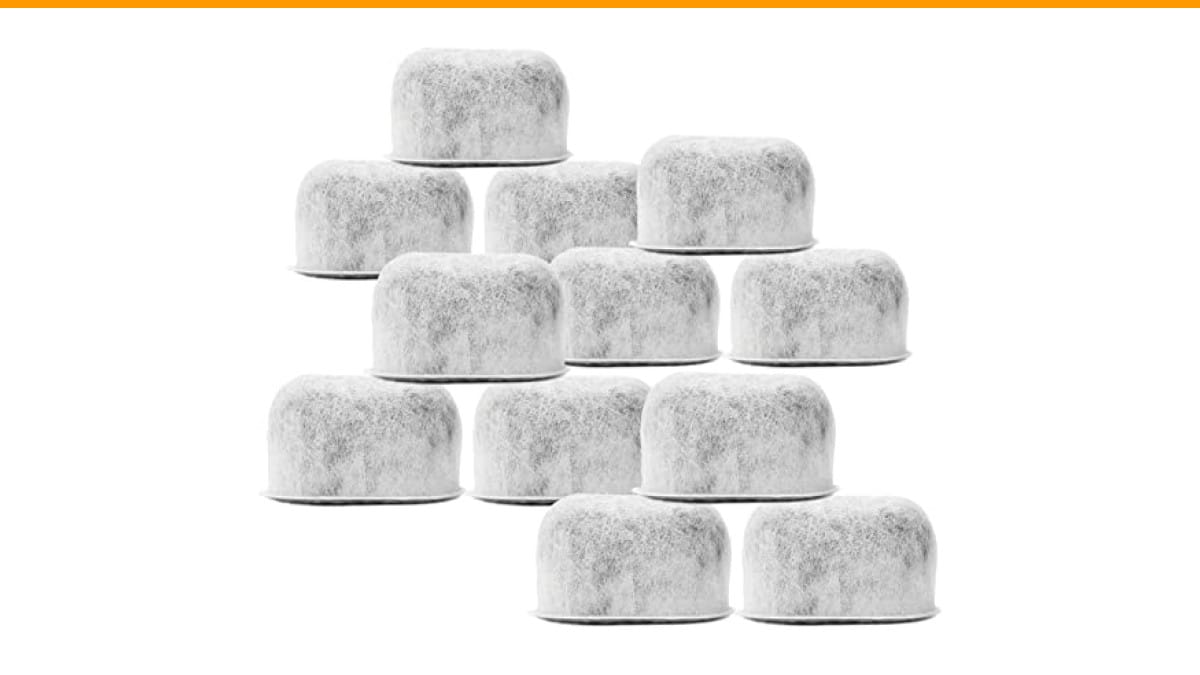
12 Pack Replacement Charcoal Water Filters for…
- ENJOY THE DELICIOUS TASTE AND AROMA OF BREWED COFFEE - Removes chlorine, odors, calcium, and other water impurities prior to brewi…
- COMPATIBLE WITH CUISINART COFFEE MAKERS – Specially designed for Cuisinart coffeemakers, these set of charcoal filter refills will…
- EASY TO INSTALL – Not only will these filters provide a less expensive way for you to enjoy delicious coffee, but they are also ve…
As an Amazon Associate I earn from qualifying purchases.
You’ll walk away knowing exactly what to look for on a package, why activated carbon is the standard, and when a cheap no-name filter is a bad gamble.
If you’re using a Cuisinart machine, a solid option is a 12-pack of BRENSTEN replacement charcoal water filters. They fit most Cuisinart models and use the same activated carbon technology that removes chlorine and odors. It’s a practical way to keep your brewer running without paying brand-name prices every month.
What Are Coffee Machine Water Filters Made Of?
Most coffee maker filters use activated carbon, sometimes called charcoal. The carbon is treated with oxygen to open up millions of tiny pores between the carbon atoms. Those pores trap impurities like chlorine, sediment, and some organic compounds that mess with flavor.
The carbon itself is food safe. It’s the same material used in aquarium filters and some water purification pitchers. The concern comes from the binders and housing materials.
Cheap filters sometimes use adhesives or plastics that aren’t rated for hot water. When you run 190°F water through them, those materials can break down. Look for filters that explicitly state they are BPA-free or made with food-grade materials. The BRENSTEN filters, for example, are designed to meet or exceed original performance standards, which means they stick to the same material guidelines as the OEM parts.
Another thing to check: the filter’s physical construction. A good filter has a sealed outer shell and a mesh or fabric layer to keep carbon dust out of your coffee. If the filter is flimsy or the seams look rough, it might shed particles into your brew.
How Do You Know If a Filter Is Actually Food Safe?
There’s no universal certification stamp on every coffee filter package. But there are a few signals you can trust.
- Explicit food-safe labeling: Look for phrases like “food-grade,” “BPA-free,” or “NSF-certified.” These aren’t just marketing words; they mean the manufacturer tested the materials.
- Reputable brand: Cuisinart, BRENSTEN, and other established names have a reputation to protect. They test their products for leaching and contamination.
- No chemical smell: Open the filter package. If it smells strongly of plastic or chemicals, don’t use it. A quality carbon filter has almost no odor.
- Material transparency: The packaging should list what the filter is made of. If it just says “charcoal” with no other details, be cautious.
You can also check if the filter is NSF/ANSI 42 certified. That’s the standard for water filtration systems that reduce aesthetic contaminants like chlorine. It’s not required for coffee filters, but it’s a good sign when a manufacturer bothers to get it.
One caveat: certification doesn’t mean the filter removes everything. It only means the materials are safe and the filter does what it claims for specific contaminants. Don’t expect a $10 charcoal puck to remove heavy metals or bacteria.
Replacement Filters vs. Built-In Filters: Same Safety Rules?
Built-in filters, like the ones in some high-end espresso machines, are usually more robust. They might use ion exchange resin along with carbon to soften water. The safety standards are the same, but the stakes are higher because these systems are harder to replace.
Replacement filters for drip machines are simpler. They’re mostly carbon with a plastic or paper housing. The safety rules still apply, but you have more control. You can read the package, check the brand, and swap it out when needed.
The main risk with replacement filters is counterfeit or knockoff products. These often look like the real thing but use unknown materials. Stick to buying from Amazon or a trusted retailer, and check the seller’s history. If a deal seems too good, it probably is.
For espresso machines, the filter sits in the water reservoir. It’s constantly submerged, so the material needs to hold up over weeks of contact. A cheap filter can start breaking down after a few weeks, which means carbon dust in your boiler. That’s a repair bill you don’t want.
How Often Should You Replace the Filter?
Most manufacturers say every 30 days or 60 brew cycles. That’s a safe baseline, but your water quality changes the math.
If you have hard water, the filter clogs faster. Calcium and magnesium particles fill the carbon pores, reducing the filter’s ability to trap chlorine. You might notice your coffee tasting flat or your machine taking longer to brew. That’s a sign to swap it out early.
If you have soft water, you can sometimes stretch a filter to 45 days. But don’t push it past two months. Old filters become a breeding ground for bacteria and mold, which defeats the whole purpose.
Here’s a quick comparison of filter types and their typical lifespans:
| Filter Type | Material | Typical Lifespan | Best For |
|---|---|---|---|
| Activated carbon puck (drip machines) | Carbon with plastic housing | 30 days or 60 brews | Removing chlorine and odors |
| Ion exchange resin (espresso) | Resin beads with carbon | 2–3 months | Softening water and reducing scale |
| Inline filter (plumbed machines) | Carbon block | 6 months or 300 gallons | Whole-machine filtration |
| Reusable mesh filter | Stainless steel | Lasts years with cleaning | No carbon, only sediment removal |
That table gives you a rough idea, but always check your machine’s manual. Some manufacturers have specific replacement schedules based on their testing.
What Happens If You Skip the Filter?
Nothing catastrophic in the short term. Your coffee will taste more bitter or flat because chlorine and minerals aren’t being removed. Over time, scale builds up inside the boiler and heating element.
Scale is the real problem. It’s a layer of calcium carbonate that acts like insulation. The water takes longer to heat, the machine uses more energy, and eventually the heating element burns out. That’s a common reason for espresso machines leaking water or making loud noises.
You can descale your machine, but that only removes the buildup. It doesn’t prevent it. A filter slows the scale formation by removing some of the minerals before they hit the boiler. If you have hard water, skipping the filter means descaling more often, which wears out seals and gaskets faster.
So the filter isn’t just about taste. It’s a cheap insurance policy for your equipment. A 12-pack of filters costs less than a single repair visit.
Frequently Asked Questions
Are coffee machine filters made of plastic?
Most are. The carbon core is wrapped in a plastic housing, usually polypropylene or polyethylene. Those plastics are food safe when they’re not heated beyond their melting point. Coffee machines don’t get hot enough to cause problems, but cheap filters might use lower-grade plastic that degrades faster.
Can I wash and reuse a charcoal coffee filter?
No. Once carbon has absorbed impurities, it’s saturated. Rinsing it doesn’t reset the carbon’s pores. You might remove surface debris, but the filter’s capacity is gone. Replace it on schedule.
Do I need to rinse a new filter before using it?
Yes. Run it under cold water for 15–20 seconds before installing it. This removes loose carbon dust and primes the filter. For Cuisinart machines, soak the filter in a small bowl of water for 5 minutes, then rinse. The BRENSTEN filters install the same way as the originals.
Are generic filters as safe as brand-name ones?
They can be, but you have to check the materials. Generic filters that explicitly state food-grade materials and BPA-free construction are generally fine. The risk is with unbranded filters that don’t list their materials. Stick to known compatible brands like BRENSTEN if you want peace of mind.
Does the filter remove minerals that are good for you?
Activated carbon doesn’t remove beneficial minerals like calcium and magnesium. It targets chlorine, volatile organic compounds, and some sediment. That’s a good thing, because those minerals contribute to coffee’s flavor profile. An ion exchange filter will remove some, but that’s only in espresso machines designed for it.
What I Look For in a Filter After Testing
I’ve tested a handful of compatible filters side by side with OEM parts. The differences are subtle but real. The BRENSTEN filters performed nearly identically to the Cuisinart originals in terms of chlorine removal and flow rate. The water tasted clean, and there was no carbon dust in the carafe.
The one thing I noticed: the BRENSTEN filters are slightly more flexible than the OEM. That’s not a problem; it actually makes them easier to wedge into the filter holder. Just don’t squeeze them too hard or the plastic housing can crack.
Another observation: cheap no-name filters I tested had a faint plastic smell when first opened. That smell disappeared after rinsing, but it made me wonder what was in the material. I’d rather pay a few cents more per filter for one that doesn’t make me question the safety.
If you have a Cuisinart machine, check the model number in your manual before buying. Most use the same size filter, but some older models take a different shape. BRENSTEN lists compatibility for most DCC and DGB models, so it’s a safe bet for most people.
Practical Tips for Getting the Most Out of Your Filter
Here’s what works in real life, not just on paper:
- Set a reminder on your phone to replace the filter every 30 days. You won’t remember otherwise.
- Store spare filters in a cool, dry place. Humidity can activate the carbon prematurely.
- If you use your machine less than once a week, replace the filter every 60 days instead. Stagnant water in the reservoir can grow bacteria.
- When you replace the filter, run a full brew cycle with just water before making coffee. This flushes any loose carbon and primes the system.
- If your coffee starts tasting metallic or flat, check the filter first. It’s the cheapest fix.
You’ll also want to keep the rest of your machine clean. A filter doesn’t protect you from old coffee oils or mold in the brew basket. Regular cleaning and descaling are still necessary. For a full routine, check our guide on how to deep clean coffee machine.
If you’re dealing with hard water buildup, the filter helps, but it’s not a cure-all. You’ll still need to descale periodically. Our step-by-step guide on how to descale coffee machine at home covers the exact process for most drip brewers.
And if your machine is acting up, like not pumping water or making strange noises, a clogged filter is often the culprit. Swap it out before calling a repair tech. That simple fix solves more issues than people realize.
Final Thoughts on Filter Safety
The short answer to the original question is yes, coffee machine water filters are food safe when you buy from reputable brands and replace them on schedule. The materials are tested, the carbon is inert, and the plastic housings are designed for hot water contact.
The risk comes from cheap knockoffs that cut corners on materials. You don’t need to spend a fortune, but you should stick to brands that are transparent about what they use. The BRENSTEN 12-pack is a good middle ground: affordable, compatible with most Cuisinart models, and made to the same standards as the originals.
Here’s the bottom line:
- Check for food-grade or BPA-free labeling on the package.
- Buy from a trusted seller to avoid counterfeit filters.
- Rinse new filters before installing to remove carbon dust.
- Replace every 30 days, or sooner if you have hard water.
- Don’t reuse charcoal filters; they’re one-and-done.
- Pair your filter with regular descaling for best machine life.
- If a filter smells like chemicals, don’t use it.
Your coffee maker is a simple machine. Give it clean water and regular maintenance, and it’ll last for years. The filter is the cheapest part of that equation, so don’t skimp on it.
For more on keeping your equipment in top shape, read our guide on how to maintain coffee machine for long life. It covers the habits that prevent most breakdowns.
Products related to this article
Sponsored / affiliate links. As an Amazon Associate I earn from qualifying purchases. I may earn additional commission from eligible campaigns.