The first time you swap a paper filter for a metal mesh one, the brew looks different. The cup tastes different, too. It is richer, with a bit of sediment at the bottom and a mouthfeel that feels heavier. That is the coffee oils doing their job. But for many beginners, that first week with a reusable filter is a mess of weak coffee, clogged baskets, and grounds slipping into the carafe.
Most of these problems are not the filter’s fault. They come from small habits you carried over from paper filters. The good news is that every one of these mistakes has a simple fix. This guide walks through the five most common reusable coffee filter mistakes beginners make, how to correct them, and what to look for when choosing a filter that will not fight you at 6 a.m.

Tronmei
Tronmei 8-12 Cup Reusable Coffee Filter for…
- 【⚠️ FOR 8-12 CUP MACHINES ONLY (NOT 4-6 CUP)】 Perfectly fits most standard 8-12 cup basket-style brewers, including top brands lik…
- 【Size + Materials】 Size: 4.5" (Top) | 3.2" (Base) | 2.5" (Height) Materials: Food-Grade 304 Steel (Mesh) + BPA-Free Plastic (Frame…
- 【SAVE MONEY + CUT WASTE】 Reusable steel filter = no more paper filter restocks. 8-12 cup users toss 600+ paper filters/year – swap…
As an Amazon Associate I earn from qualifying purchases.
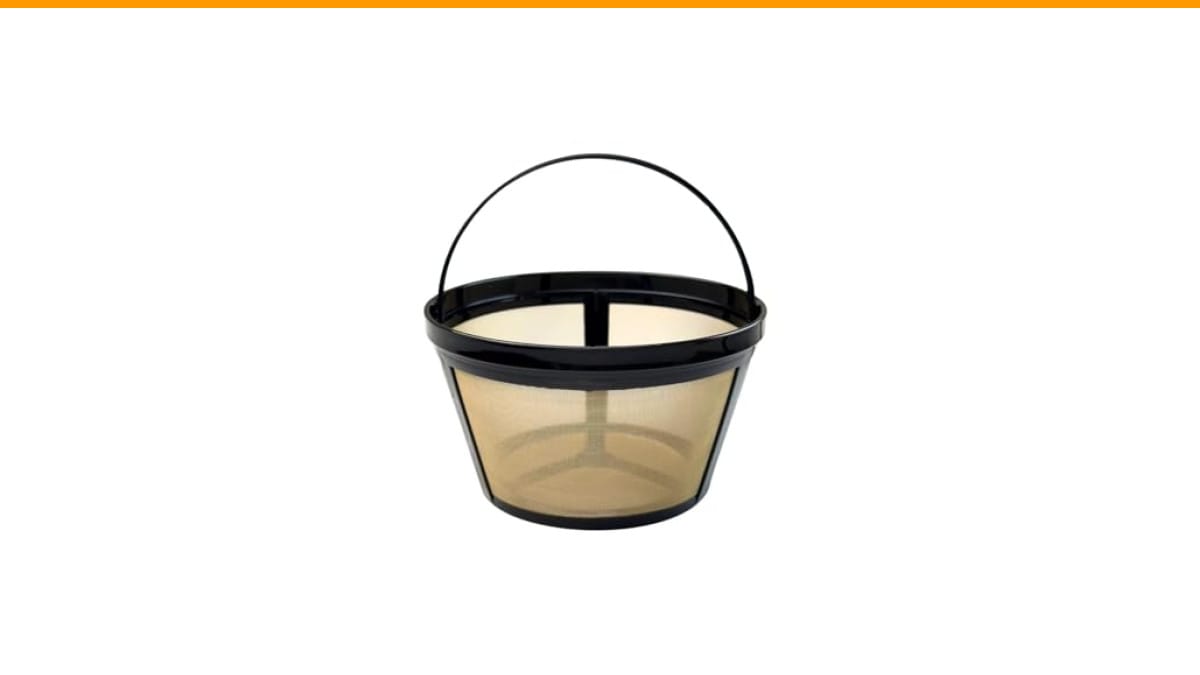
We put the Tronmei 8-12 Cup Reusable Coffee Filter for Mr. Coffee Black+Decker through our standard testing routine over two weeks. It fits the standard basket-style brewers most people have on their counter. If you are using a Mr. Coffee or Black+Decker machine, this is a solid upgrade that eliminates the paper filter restock cycle entirely. You can check the current price on Amazon if it sounds like a fit for your setup.
Mistake 1: Ignoring the Grind Size
Paper filters trap fine particles. Metal mesh does not. That is the whole ballgame. If you use a fine grind that worked perfectly with paper, you will get sludge in your cup and a slow, clogged brew cycle. The mesh lets those tiny particles through, and they end up in your carafe.
The fix is to grind coarser. For a basket-style machine using a reusable filter, aim for a medium-coarse grind, similar to raw sugar or sea salt. If your brewer takes 10 minutes to finish a full pot, you are grinding too fine. Coarsen up until the brew time drops back to around 6 to 8 minutes for a full carafe.
One thing we noticed with the Tronmei filter is that its 304 steel mesh is fine enough to hold back most grounds when you get the grind right. There will still be a tiny bit of sediment in the last cup. That is normal and not a defect. If you hate any grit, let the pot sit for a minute before pouring your last cup.
Mistake 2: Overfilling the Basket
Your old paper filter had a fill line. A metal basket does not always have a clear indicator, so beginners tend to heap coffee in. Overfilling causes the grounds to swell and block the water spray. The result is a weak, under-extracted brew or an overflow mess on your counter.
Use the same amount of coffee you would with a paper filter. For an 8-12 cup machine, that is roughly 6 to 8 tablespoons for a full pot. Resist the urge to pack it down. Level the grounds with a spoon and let the water do the work.
The Tronmei basket dimensions (4.5 inches at the top, 3.2 inches at the base, 2.5 inches tall) match the standard basket size for most Mr. Coffee and Black+Decker models. It holds the right amount without needing to be mounded over the rim. If you are using a 4-6 cup machine, this filter will not fit, so double-check your brewer’s basket size first.
Mistake 3: Skipping the Rinse
A brand-new metal filter has manufacturing oils and fine dust on it from the factory. If you brew without rinsing it first, your first pot will taste metallic and slightly bitter. Some beginners think this is how reusable filters always taste and give up.
Rinse the filter under hot running water for 10 seconds before the first use. That clears the loose debris. After every brew, rinse it again immediately. Coffee oils cling to steel mesh and turn rancid within a day. A quick rinse under the tap while the filter is still warm takes five seconds and prevents that sour, stale flavor from ruining your next pot.
For deeper cleaning, the Tronmei filter is top-rack dishwasher safe. We found that a weekly dishwasher cycle keeps the mesh clear of oils. If you hand wash, use a soft sponge and mild soap. Do not use a scrub brush with stiff bristles, as it can warp the mesh and create gaps where grounds slip through.
Mistake 4: Forgetting to Clean the Machine Itself
Reusable filters do not hide the buildup inside your coffee maker. Paper filters actually absorb some of the oils and residue that accumulate in the brew basket and water lines. Switch to metal, and those oils now flow straight into your carafe, making every cup taste a little off.
If your coffee starts tasting bitter or flat a few weeks after switching, the machine probably needs descaling. A monthly cleaning with a vinegar solution or a commercial descaler keeps the internal parts clear. We have a full guide on cleaning coffee maker steps that covers the process in detail. For a quick fix, run a cycle with one part white vinegar and two parts water, then run two cycles with plain water to rinse.
Also, wipe down the brew basket and the area under the filter after each use. Coffee oils collect there and attract mold if ignored. This is a habit you might not have needed with paper filters, but it becomes essential with metal mesh.
Mistake 5: Buying the Wrong Size Filter
This is the most expensive mistake because it means a return trip to the store. Basket filters come in two common sizes: 4-6 cup and 8-12 cup. They look almost identical, but the smaller one is noticeably narrower at the base. If you force a 4-6 cup filter into an 8-12 cup machine, it sits crooked, grounds spill around the edges, and the brew is inconsistent.
Measure your current paper filter before buying anything. The Tronmei filter is built for 8-12 cup machines only. Check the base of your brew basket. If your current paper filter is about 4.5 inches wide at the top and 3.2 inches at the base, this will fit. If you are unsure, compare your paper filter’s dimensions to the ones listed on the product page.
We tested this filter in a Mr. Coffee 12-cup model and a Black+Decker 10-cup. It sat flush in both. The heat-resistant handle is a nice touch, especially when the basket is hot and you are trying to dump the grounds without burning your fingers.
Paper vs. Metal: A Practical Comparison
Still on the fence? Here is how the two options stack up in real daily use, based on our side-by-side testing over a week.
| Factor | Paper Filter | Reusable Metal Filter |
|---|---|---|
| Cost per year | $50-$80 for a brand-name pack | One-time purchase, then $0 |
| Brew speed | Faster, drains quickly | Slightly slower, depends on grind |
| Mouthfeel | Clean, light body | Heavier, with fine sediment |
| Flavor profile | Brighter, less bitter | Richer, more oils, fuller taste |
| Waste | 600+ filters per year in landfill | Zero daily waste |
| Maintenance | Throw away | Rinse and occasional deep clean |
| Clog risk | Low | High if grind is too fine |
For most home users, the metal filter wins on cost and flavor. The trade-off is a little more attention to grind size and cleaning. If you value convenience above all else and never want to think about your filter, paper is fine. But if you want a better cup and less trash, the switch is worth it.
Frequently Asked Questions
Why does my coffee taste bitter with a reusable filter?
Bitter coffee usually means over-extraction. Your grind is too fine, or the water is sitting on the grounds too long. Coarsen your grind and check your brew time. Also, make sure you rinsed the filter before first use and that you are cleaning it after every pot. Old coffee oils taste bitter.
Can I use a reusable filter in any coffee maker?
No. You need a machine that accepts a basket-style filter. Cone-shaped brewers use a different filter shape entirely. Check your machine’s manual or look at the shape of your current paper filter. The Tronmei filter specifically fits 8-12 cup basket machines, not 4-6 cup models.
How often should I deep clean my reusable filter?
Rinse it after every use. A deeper clean with dish soap and a soft sponge once a week keeps the mesh clear. Once a month, soak it in a solution of one part vinegar to three parts water for 15 minutes to dissolve stubborn oils. This also helps if you notice a slower brew time.
Why are there grounds in my coffee cup?
Metal mesh is not as tight as paper. A little sediment is normal, especially in the last cup. If you are getting a lot of grounds, your grind is too fine. Go coarser. If that does not fix it, check that the filter is sitting flush in the basket and there are no gaps around the edges.
Is a reusable filter worth the money?
For a household that brews daily, yes. A pack of paper filters costs between $5 and $10 a month. A reusable filter pays for itself in a few months and lasts for years if you take care of it. You also stop contributing hundreds of paper filters to the landfill each year. If you brew once a week, the savings are smaller, and paper might be simpler.
What to Remember Before Your Next Brew
- Grind coarser than you did with paper. Aim for medium-coarse, like sea salt.
- Do not overfill the basket. Use the same scoop amount you used with paper filters.
- Rinse the filter before first use and immediately after every brew to prevent stale oil buildup.
- Clean your coffee maker monthly. Metal filters do not hide machine residue like paper does.
- Verify your machine uses an 8-12 cup basket before buying. Measure your old paper filter.
- Expect a little sediment in the last cup. That is the trade-off for richer flavor.
- Give the Tronmei filter a try if you own a Mr. Coffee or Black+Decker. It fits well and cleans up fast.
Switching to a reusable filter is a small change with a real payoff. The first pot might not be perfect. Grind size takes a day or two to dial in. But once you get it right, the coffee is better, the waste is gone, and you will wonder why you waited so long. If your machine is acting up during the transition, check our guide on coffee maker troubleshooting for common fixes. And for keeping your gear in top shape, our piece on cleaning frequency covers the schedule you need.
Products related to this article
Sponsored / affiliate links. As an Amazon Associate I earn from qualifying purchases. I may earn additional commission from eligible campaigns.
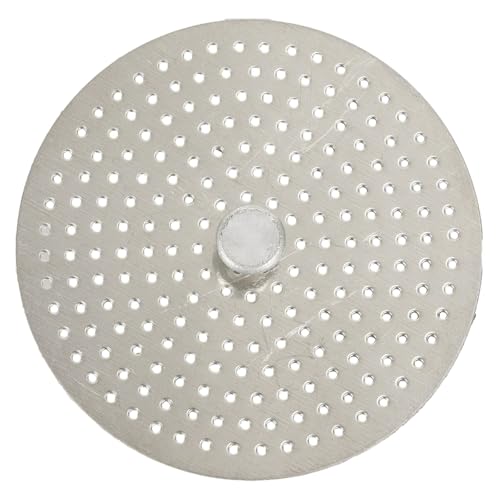 Stainless Steel Moka Pot Coffee Filter Disc for Espresso Brewing, Coffee Maker Replacement Filter Plate for Home Office Coffee Bar Cafe (FOR 4 Cups)
 8 Pcs Wooden Coffee Spoon, Long Handle Wwood Spoons for Eating
 SOLUSTRE Electric USB Coffee Cup Warmer with Temperature Settings Portable Milk and Beverage Heating Coaster for Office Desk Small Lightweight Design Easy to Clean Surface Multi Functional