You bought a nice loose leaf tea, brought it home, and brewed your first cup. It came out weak, bitter, or full of floaty bits. So you went back to bags. That’s a shame, because the infuser wasn’t the problem. Most beginner failures come down to a handful of fixable habits.
This guide walks through the most common tea infuser mistakes beginners make, with the exact numbers and techniques to fix them. You’ll learn how much tea to use, how hot the water should be, how long to steep, and why your infuser keeps leaking. By the end, you’ll brew a cup that actually tastes like the tea you paid for.

Reinmoson
Reinmoson Extra Fine Mesh Tea Infuser for…
- Upgraded Micron Mesh: Loose leaf tea steeper is Ideal to hold tea leaves, particles, or ground coffee. Compared to traditional tea…
- High-Quality Materials: Made of 304 food-grade stainless steel, loose tea infuser is easier to clean. Besides, tea diffusers for l…
- Easy to Open and Close: With the design of thread top, the lids screw easily and are much more secure than the traditional twist l…
As an Amazon Associate I earn from qualifying purchases.
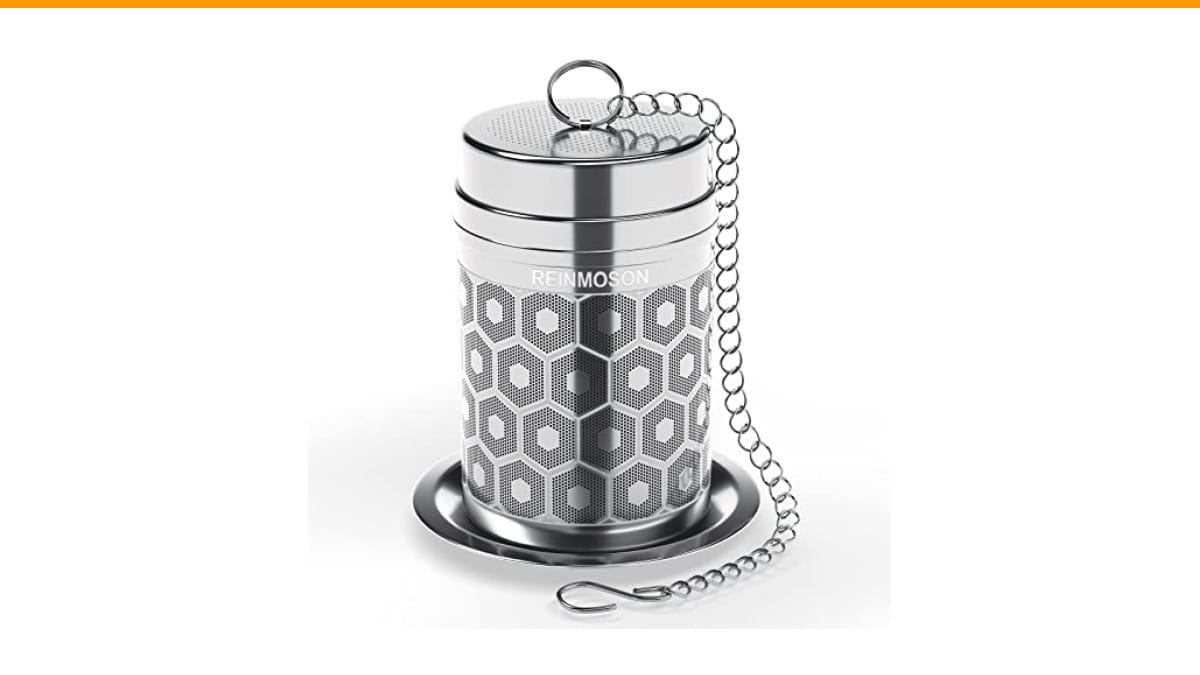
If you’re shopping for gear, a solid stainless steel infuser helps. The Reinmoson Stainless Steel Tea Infuser uses a fine micron mesh that keeps small leaves and rooibos contained, and the screw-top lid won’t pop open mid-steep. That solves two beginner complaints right away.
Mistake #1: Overfilling the Infuser
The most common mistake is cramming the infuser full of leaves. People think more tea equals stronger flavor. It doesn’t. It equals bitter, astringent tea that tastes like wet grass.
Here’s the rule: use about one teaspoon of loose leaf tea per 8 ounces of water. For a standard 12-ounce mug, that’s 1.5 teaspoons. Some teas are denser. Rooibos and herbal blends are light and fluffy, so you might need two teaspoons. Green tea is dense, so one level teaspoon is plenty.
When in doubt, start with less. You can always add more leaves and steep again. You can’t un-brew a bitter cup.
Overfilling also restricts water flow. The leaves need room to expand and circulate. A packed infuser means the water only touches the outer leaves, leaving the inside dry. That’s why your second steep tastes like nothing.
Mistake #2: Using Water That’s Too Hot
Boiling water is for black tea and herbal blends. It will destroy green tea and white tea. The delicate leaves release tannins too fast, and the result is a harsh, bitter brew that burns your tongue.
Here are the temperature targets:
- Green tea: 160-175°F (70-80°C). No rolling boil.
- White tea: 160-180°F (70-82°C). Gentle and slow.
- Oolong: 185-205°F (85-96°C). Depends on oxidation level.
- Black tea: 205-212°F (96-100°C). Just off the boil is fine.
- Herbal / Rooibos: 212°F (100°C). Full boil works.
Don’t own a kettle with temperature control? No problem. Bring water to a boil, then let it sit for 30-60 seconds before pouring. That drops it to roughly 200°F. For green tea, wait two minutes. It’s not precise, but it’s close enough to make a huge difference.
One more thing: cold water for cold brew. That’s a separate technique, and it works great with a fine mesh infuser. Just steep in the fridge for 8-12 hours.
Mistake #3: Steeping for Too Long
Leaving the infuser in the mug while you answer emails is a classic. The tea keeps extracting, and by minute ten, it’s undrinkable. Most teas have a sweet spot between 2 and 5 minutes.
- Green tea: 2-3 minutes. Longer = bitter.
- Black tea: 3-5 minutes. Stronger, but not endless.
- Oolong: 3-5 minutes. Can handle multiple steeps.
- Herbal: 5-7 minutes. Hard to oversteep, but it gets thick.
Set a timer. Your phone has one. Use it. The difference between 3 minutes and 5 minutes is the difference between a bright cup and a flat one.
If you do oversteep, don’t toss it. Add a splash of hot water to dilute the bitterness. It won’t be perfect, but it’ll be drinkable.
Mistake #4: Ignoring the Infuser’s Mesh Size
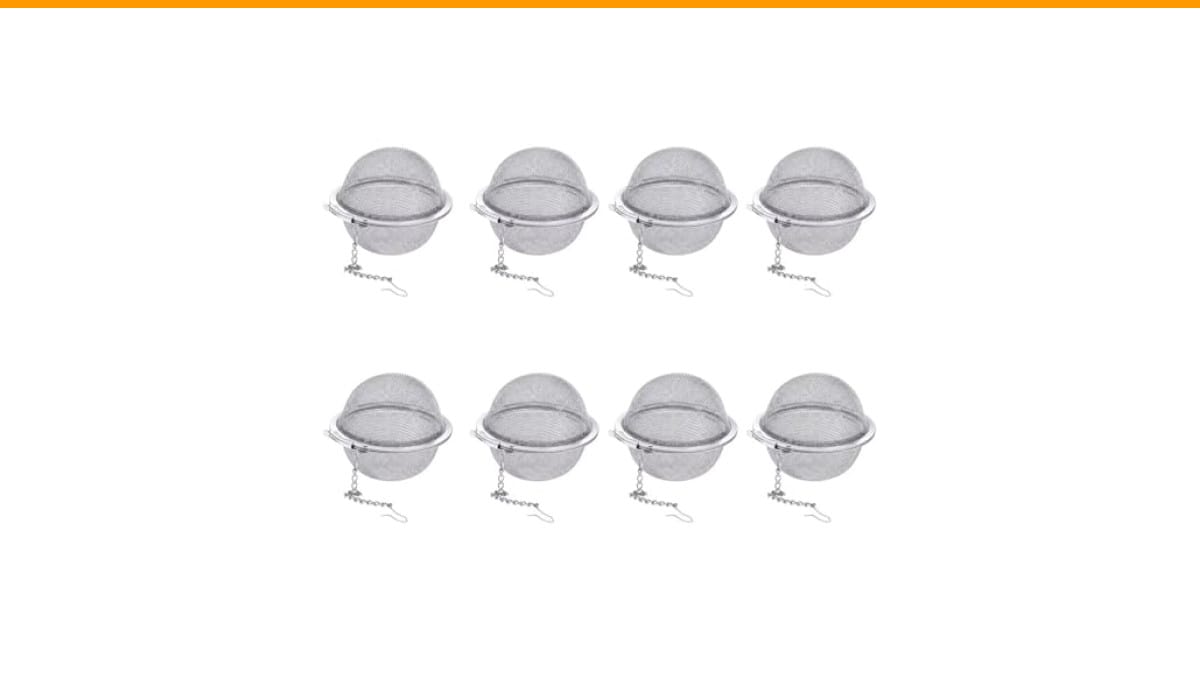
Not all infusers are the same. The cheap ball infusers with big holes let fine tea dust through. That’s the grit at the bottom of your cup. It also means small leaves like rooibos escape entirely.
A fine mesh infuser, like the Reinmoson tea strainer, catches those particles. The 304 stainless steel mesh has holes half the size of a standard infuser ball. That keeps the cup clean without restricting water flow.
If you’re using a coarse infuser, choose larger-leaf teas. Whole-leaf black tea and oolong work fine. Avoid dusty teas like CTC Assam or broken-leaf blends. Those need a fine mesh or a paper filter.
Cleaning matters too. A clogged mesh traps old leaves and oils. That’s why your tea tastes stale. Rinse the infuser immediately after use, and give it a deeper clean with baking soda once a week. Check out our cleaning guide for similar habits applied to coffee gear.
Mistake #5: Not Giving Leaves Room to Expand
Some teas, especially oolong and rolled green teas, unfurl as they steep. They need space. A tiny ball infuser cramps them, so they never fully open, and you get a weak first steep and a muddy second one.
Use an infuser basket that’s at least 2 inches in diameter. The Reinmoson model is 1.5 inches wide and 2.2 inches tall, which gives most teas room to breathe. If your infuser is smaller than that, break larger leaves by hand before adding them.
For tightly rolled oolong, consider a gaiwan or a large basket infuser. Those teas need even more space to show their character.
Infuser Types Compared
Different infusers suit different situations. Here’s a quick breakdown based on my testing:
| Type | Best For | Mesh Fineness | Ease of Cleaning | Durability |
|---|---|---|---|---|
| Ball infuser (spring-loaded) | Large-leaf black tea | Coarse | Hard | Low |
| Basket infuser (perforated) | Most teas, room to expand | Medium | Moderate | Medium |
| Fine mesh basket (like Reinmoson) | Rooibos, green tea, small leaves | Fine | Easy with rinse | High |
| Silicone infuser | Single cup, travel | Medium | Easy | Medium |
| Tea press / plunger | Large batches | Fine | Easy | High |
The fine mesh basket is the most versatile for everyday use. It handles everything from chai to ground coffee. The trade-off is that you need to rinse it right away, or the mesh stains.
Frequently Asked Questions
Why does my tea taste metallic?
That’s usually the infuser material. Cheap aluminum or low-grade stainless steel can leach a metallic note. Switch to 304 food-grade stainless steel, which is inert. Also, don’t leave the infuser sitting in the cup after steeping. The tea continues to extract and can pick up flavors from the metal over time.
How do I clean a tea infuser that’s stained?
Fill a bowl with warm water and a tablespoon of baking soda. Soak the infuser for 15 minutes, then scrub with a soft brush. Avoid harsh detergents; they leave a residue that ruins the next cup. For stubborn stains, use a 50/50 mix of white vinegar and water, then rinse thoroughly.
Can I use a tea infuser for coffee?
Yes, a fine mesh infuser works for ground coffee. Use a coarse grind, about the texture of sea salt. Steep for 4 minutes, then remove. It’s essentially a cowboy coffee method with a filter. The Reinmoson infuser handles this well because the fine mesh keeps grounds out of the cup.
Why does my tea come out weak even with more leaves?
Check your water temperature. If it’s too cool, the leaves won’t extract fully. Also, make sure the infuser isn’t packed so tight that water can’t circulate. Finally, check the leaf size. Very large, whole leaves need more time to open up. Give them a gentle stir after 30 seconds.
How many times can I reuse the same leaves?
Good loose leaf tea can be steeped multiple times. Green tea and oolong can go 3-4 steeps, with each steep adding 30 seconds to the time. Black tea usually lasts 2 steeps. Herbal blends are done after one. The flavor changes each steep, but that’s part of the experience.
What to Do Differently Starting Tomorrow
You don’t need a fancy kettle or a cabinet full of gear. You need to fix the basics. Here’s a short list to act on:
- Measure your tea. One teaspoon per 8 ounces, adjust from there.
- Respect water temperature. Boiling water ruins green tea.
- Set a timer. 2-5 minutes depending on the tea, never longer.
- Get a fine mesh infuser so small leaves stay put and the cup stays clean.
- Rinse the infuser immediately after use to avoid staining and stale flavors.
- Give rolled teas room to expand; use a basket over a ball.
- Don’t be afraid to re-steep good leaves. You’re leaving flavor in the pot.
These small changes turn a bitter, gritty cup into something you actually look forward to. The gear matters less than the technique. But a decent infuser makes the technique easier to execute. If you’re still using a cracked ceramic mug and a spoon, start with the infuser, then work on your timing. You’ll taste the difference in the first cup.
For more on brewing habits, check our cleaning schedule guide and the health notes on tea.
Products related to this article
Sponsored / affiliate links. As an Amazon Associate I earn from qualifying purchases. I may earn additional commission from eligible campaigns.