It’s 6:30 AM. You hit brew on your 12-cup machine and instead of a gentle trickle, you get a sound like a dying lawnmower having a disagreement with a kettle. The gurgling, the rattling, the high-pitched whine — it’s enough to wake the whole house before the coffee even hits the pot.
Most loud coffee makers are not broken. They’re telling you exactly what’s wrong, and the fix is often something you can do in ten minutes with vinegar or a toothpick. But some noises mean real trouble, and ignoring those can turn a $50 repair into a fire hazard.
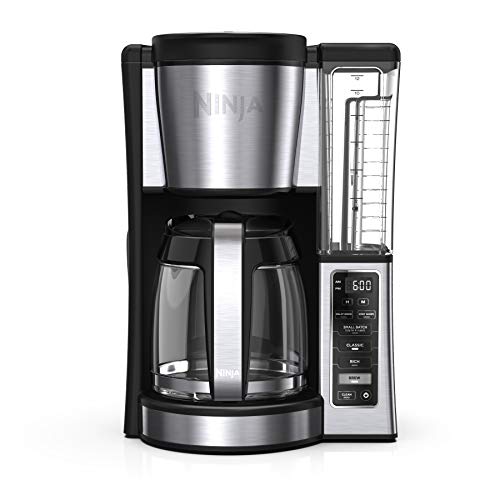
Ninja
Ninja Fresh Brew Coffee Maker, 12 Cup…
- 2 BREW STYLES: Classic or Rich, each brew is flavorful and never bitter with custom brew strengths.
- 12-CUP GLASS CARAFE: Brew small or large batches of coffee – perfect for day to day or entertaining.
- HOTTER BREWING TECHNOLOGY: Delivers even saturation and temperature control for ultra-flavorful coffee.
As an Amazon Associate I earn from qualifying purchases.
This guide walks you through each sound like a diagnostic flowchart. You’ll identify the noise, apply the targeted fix, and learn when to stop tinkering and call a professional. You’ll also walk away knowing how water hardness, pump health, and loose parts factor into the ruckus — and how to prevent it from coming back.
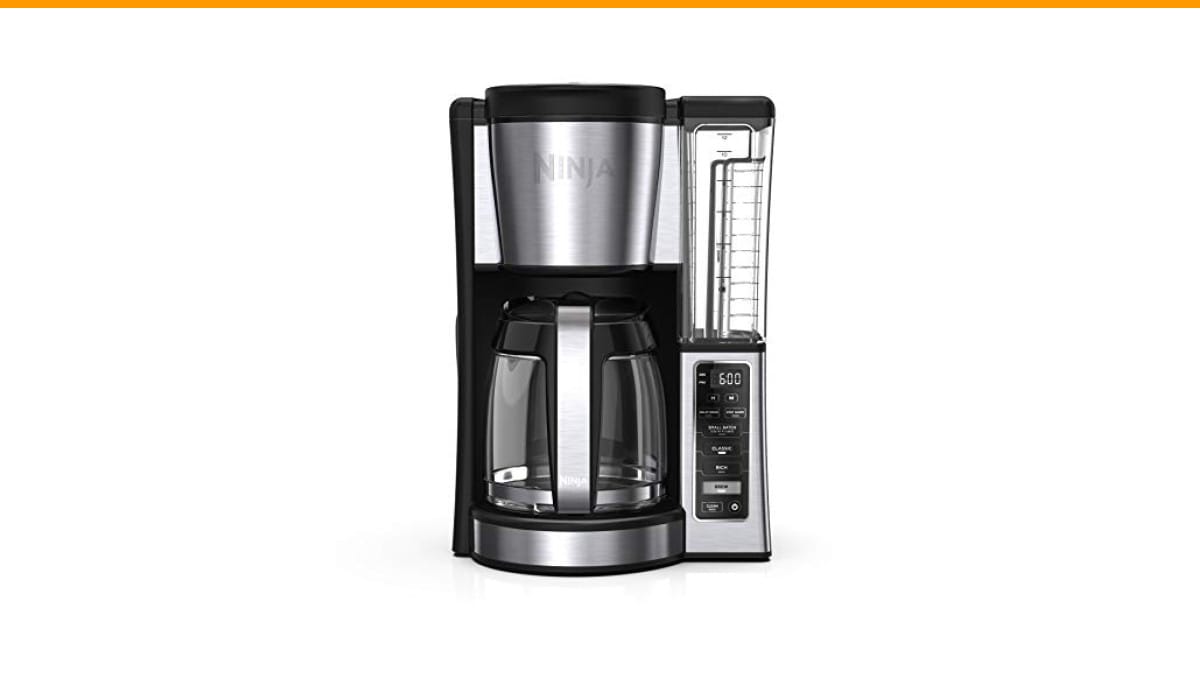
If you’re in the market for a quieter upgrade while troubleshooting, the Ninja Fresh Brew Coffee Maker uses a glass carafe and a hotter brewing system that runs noticeably quieter than many budget machines. It’s a solid option if your current unit keeps making noise despite your best efforts.
Diagnose the Noise: A Quick Sound-to-Cause Flowchart
Before you unscrew anything, listen for thirty seconds. The sound pattern tells you more than any teardown will.
- Gurgling or bubbling — mineral scale buildup restricting water flow. The water is boiling and forcing its way through narrowed lines.
- High-pitched whine or hum — air lock in the water pump, or a pump that’s wearing out. The motor is spinning but not moving water.
- Rattling or vibrating — loose components. Drip tray, carafe, or housing panels are vibrating against each other.
- Grinding or clicking — could be a stuck grinder (if integrated) or an electrical relay issue. The latter needs immediate attention.
Match your sound to the section below. Each fix assumes you’ve already unplugged the machine and let it cool.
Fix 1: Gurgling or Bubbling — Mineral Scale and Descaling
That gurgle is your water lines screaming. Over time, calcium and magnesium from hard water deposit scale on the heating element and inside the tubing. The scale narrows the passages, so water moves slower and boils unevenly. You’ll hear it as a bubbling, sputtering sound during the brew cycle.
You’ll also notice the brew time dragging out, and the coffee tasting a bit burnt because the heating element is working harder than it should.
Step-by-Step Descaling Guide (Vinegar vs. Citric Acid)
Descaling is the single most effective fix for a gurgling coffee maker. You have two main options:
- White vinegar — cheap, everywhere, and works fine. Mix equal parts white vinegar and water. Run half the mixture through a brew cycle, stop, let it sit for 30 minutes, then run the rest. Follow with two full cycles of plain water to rinse.
- Citric acid powder — more effective on stubborn scale and leaves no vinegar smell. Dissolve two tablespoons of citric acid in a full reservoir of warm water. Run a full brew cycle, let it sit for 30 minutes, then run two or three rinse cycles.
Don’t skip the rinse cycles. Residual acid will make your next pot taste like a chemistry lab.
How often? That depends on your water, which we’ll cover in a dedicated section below. For most people on municipal water, every 1 to 3 months is right.
Why Noise Can Get Louder Right After Descaling
Here’s a weird one: you descale, and the machine gets noisier for the next brew or two. That’s normal. The acid loosens thick scale flakes, and those chunks get carried into the pump and lines. They cause sputtering and gurgling until they flush out.
Run one or two extra rinse cycles after descaling. If the noise persists beyond three brews, the scale may have been thick enough to damage the pump. Move to the next section.
Fix 2: High-Pitched Whining or Humming — Air-Locked or Failing Pump
A whine that rises and falls during the brew cycle points to the pump. The pump’s job is to pull water from the reservoir and push it through the heating element. Two things go wrong: it gets air-locked, or it’s dying.
An air lock happens when an air bubble sits inside the pump chamber. The impeller spins, but it’s spinning through air, not water. That’s the high-pitched hum you hear. It’s more common after the reservoir runs dry or after descaling when you’ve run the pump with air in the lines.
How to Prime the Pump Manually
Priming is simple, but you need to be patient. Here’s the method that works most of the time:
- Fill the reservoir with fresh water.
- Unplug the machine and tilt it at a 45-degree angle, with the reservoir side down.
- Plug it back in while still tilted, and run a brew cycle without coffee grounds.
- Listen for the whine to drop to a normal hum as water starts flowing.
- If it still whines, repeat the tilt-and-run process. Sometimes it takes two or three attempts.
Tilting helps the air bubble migrate out of the pump and up into the reservoir. It’s the same principle as burping a baby — just less cute.
When the Pump Is Beyond Repair
If you’ve primed it three times and the whine persists, the pump bearings are likely worn. A failing pump will also lose flow — you’ll notice the brew cycle taking much longer, or the carafe filling only halfway.
At that point, check the cost of a replacement pump versus a new machine. For a budget 12-cup drip maker, a new unit often costs less than the repair parts plus your time. For a higher-end machine, a replacement pump might be worth it. We’ll dig into that decision matrix in a later section.
Fix 3: Rattling or Vibrating — Loose Components and Assembly
Rattling is the most annoying noise because it’s intermittent and hard to pin down. It’s also the easiest to fix. It’s almost always a loose part vibrating against the machine’s body during the brew cycle.
Checking the Housing, Drip Tray, and Carafe
Start with the obvious suspects:
- Carafe — is it sitting flush on the warming plate? A warped or chipped carafe bottom will vibrate. Also check the lid — a loose lid rattles like a snare drum.
- Drip tray — pull it out and reseat it. The plastic tabs wear down over time, and the tray starts buzzing against the base. A small piece of felt or a rubber bumper under the tray fixes this for good.
- Housing panels — run your hand along the machine while it’s brewing. Feel for vibration. If a side panel is loose, tighten any visible screws. If there are no screws, a thin strip of electrical tape along the seam can dampen the rattle.
One thing I learned the hard way: check the water reservoir lid. It’s the most overlooked rattle source. People chase phantom noises for weeks, and it’s just a plastic lid bouncing on the reservoir rim.
If the rattle persists after checking all of these, the internal bracket holding the heating element may have loosened. That’s a deeper repair — see the professional section below.
Fix 4: Grinding or Clicking — Grinder and Electrical Hazards
Grinding sounds come from one of two places: a built-in grinder, or the pump’s impeller hitting debris. If you have a model with a blade grinder, beans can jam the mechanism. Unplug, remove the hopper, and clear any stuck beans.
Clicking is a different story. A single click at the start of the cycle is normal — that’s the relay closing to power the heating element. But repeated clicking during the brew cycle, especially accompanied by a buzzing sound, means the relay is struggling. That’s an electrical issue.
Electrical vs. Mechanical Clicking: Safety First
Here’s the rule: mechanical clicking is rhythmic and tied to the brew cycle. Electrical clicking is erratic, sometimes accompanied by a burning smell or a faint zap. If you hear the latter, stop using the machine immediately.
An arcing relay can melt internal wiring and start a fire. This is not a DIY fix. Unplug the machine and either take it to a repair shop or recycle it. The cost of a new 12-cup maker is far less than the risk of an electrical fire.
If the clicking is mechanical and rhythmic, it’s likely the pump’s check valve opening and closing. That’s benign, but if it’s loud enough to annoy you, the valve may be worn. Replacement valves are cheap if you’re handy with a screwdriver.
How Water Hardness Affects Noise Frequency
Your water is the root cause of most coffee maker noise. Hard water — water with high calcium and magnesium content — leaves scale deposits faster. The harder your water, the more often you need to descale, and the more likely you’ll hear gurgling and sputtering.
Here’s a rough guide based on your water source:
| Water Type | Hardness Level | Descaling Frequency | Noise Likelihood |
|---|---|---|---|
| Soft (rainwater, some municipal) | 0-60 mg/L | Every 6-12 months | Low |
| Moderately hard (well water, many cities) | 60-120 mg/L | Every 2-3 months | Medium |
| Hard (well water, some regions) | 120-180 mg/L | Every 1-2 months | High |
| Very hard (limestone areas) | 180+ mg/L | Monthly | Very high |
You can check your local water hardness online — most municipal water departments publish it. Or buy a cheap test strip at a hardware store.
If you have hard water, consider using filtered water for your coffee maker. It reduces scale buildup and extends the life of the pump. It also makes your coffee taste better, which is a win-win.
For more on keeping your machine clean, see our guide on regular cleaning frequency.
Repair vs. Replace: The Cost and Safety Decision Matrix
You’ve diagnosed the noise. Now the question: fix it or pitch it? Here’s a practical framework.
Fix it if:
- The machine is under 2 years old and was mid-range or higher in price.
- The issue is loose parts or scale — both are cheap and easy to fix.
- The pump is replaceable and the part costs less than half the price of a new machine.
Replace it if:
- The machine is over 3 years old and was a budget model.
- The pump is failing and replacement parts are hard to find.
- You hear electrical clicking or smell burning — safety trumps cost.
- The repair estimate exceeds 50% of a new machine’s price.
For a standard 12-cup drip maker, the math usually favors replacement after a couple of years. The exceptions are high-end machines with thermal carafes or programmable features worth preserving.
If you’re replacing, the Ninja Fresh Brew is worth a look. It has a small batch function that maintains temperature without the aggressive pumping that causes some noise issues in other machines.
Prevention: A Maintenance Schedule for a Quiet Machine
You can avoid 90% of coffee maker noise with a simple routine. Here’s what I do with every machine I test:
- Daily — Rinse the carafe and reservoir. Don’t let old coffee sit in the pot overnight.
- Weekly — Wipe down the warming plate and check the drip tray for debris.
- Monthly — Run a full vinegar or citric acid descale if you have hard water. Every 3 months if you use filtered water.
- Quarterly — Check all visible screws and tighten any that are loose. Reseat the drip tray and carafe.
Sticking to this schedule takes about 15 minutes a month. It’s cheaper than a new machine and quieter than a gurgling one.
For a deeper clean, see our guide on clearing a clogged coffee maker.
Frequently Asked Questions
Why is my coffee maker making a loud gurgling noise?
Gurgling is almost always mineral scale. Water lines are narrowed, and water is forcing its way through. Descale with vinegar or citric acid. If it persists after descaling, check for an air lock in the pump.
Can a coffee maker be too loud to be safe?
Mechanical noise — gurgling, rattling, whining — is rarely a safety issue. Electrical noise is different. If you hear erratic clicking, buzzing, or any sound accompanied by a burning smell, unplug the machine and don’t use it again.
How often should I descale my coffee maker?
It depends on your water hardness. Soft water: every 6-12 months. Hard water: every 1-2 months. If you live in a limestone area, descale monthly. Check your local water report or use a test strip.
Why is my coffee maker loud after descaling?
Descaling loosens scale flakes that then travel through the pump and lines, causing temporary gurgling and sputtering. Run one or two extra rinse cycles. The noise should subside within a few brews.
Is it worth repairing a loud coffee maker?
For a budget machine over 3 years old, usually not. A replacement pump or heating element can cost half the price of a new unit. For a high-end machine under warranty, repair is worth it. If the issue is just scale or loose parts, fix it — it’s nearly free.
Final Verdict: When to Call a Professional
You can fix scale, air locks, and loose parts yourself. You should not attempt to repair electrical components, relays, or the main control board unless you have appliance repair experience.
Call a professional if:
- The noise persists after descaling and priming.
- You see sparks or smell burning.
- The machine trips a circuit breaker.
- Water leaks from the base during operation.
A local appliance repair shop can quote you a price. Compare that to the cost of a new machine, and make the call. Most of the time, you’ll be shopping for a new 12-cup maker. And that’s okay — just pick one with a good warranty and a reputation for quiet operation.
If you’re already dealing with a different brand, check our guide on a Ninja brew button issue for related troubleshooting.
Keep your machine clean, listen to what it’s telling you, and you’ll get years of quiet, reliable coffee.
Products related to this article
Sponsored / affiliate links. As an Amazon Associate I earn from qualifying purchases. I may earn additional commission from eligible campaigns.
 Quick Heating Cup Warmer, Three Temperature Settings, Splashproof and Portable, for Coffee, Milk, Lightweight ABS Material
 HomeBeyond Espresso Coffee Maker 12 Cups, Classic Stovetop Espresso Maker, 600ml / 20oz Coffeemaker for Gas & Ceramic Stovetops (Silver)
 Coffee Mug Warmer & You are Awesome Mug Set, Electric Cup Warmer for Desk