You pull a shot after a busy morning and notice the crema looks thin. The flavor has a sharp, bitter edge that wasn’t there last week. Your first thought is usually about the beans. But more often than not, the real culprit is old coffee oil baked onto the group head and inside the brew path.
That sticky residue doesn’t just ruin taste. It slows water flow, throws off your brew temperature, and eventually hardens into a crust that no amount of wiping will fix. The solution is a simple chemical cleaning routine using espresso machine cleaning tablets. This guide walks you through exactly how to use them, what they do, and how to avoid the mistakes that wreck gaskets and leave a chemical aftertaste. You’ll know the difference between cleaning and descaling, how to handle machines without a backflush port, and how often to run the routine based on your actual usage.
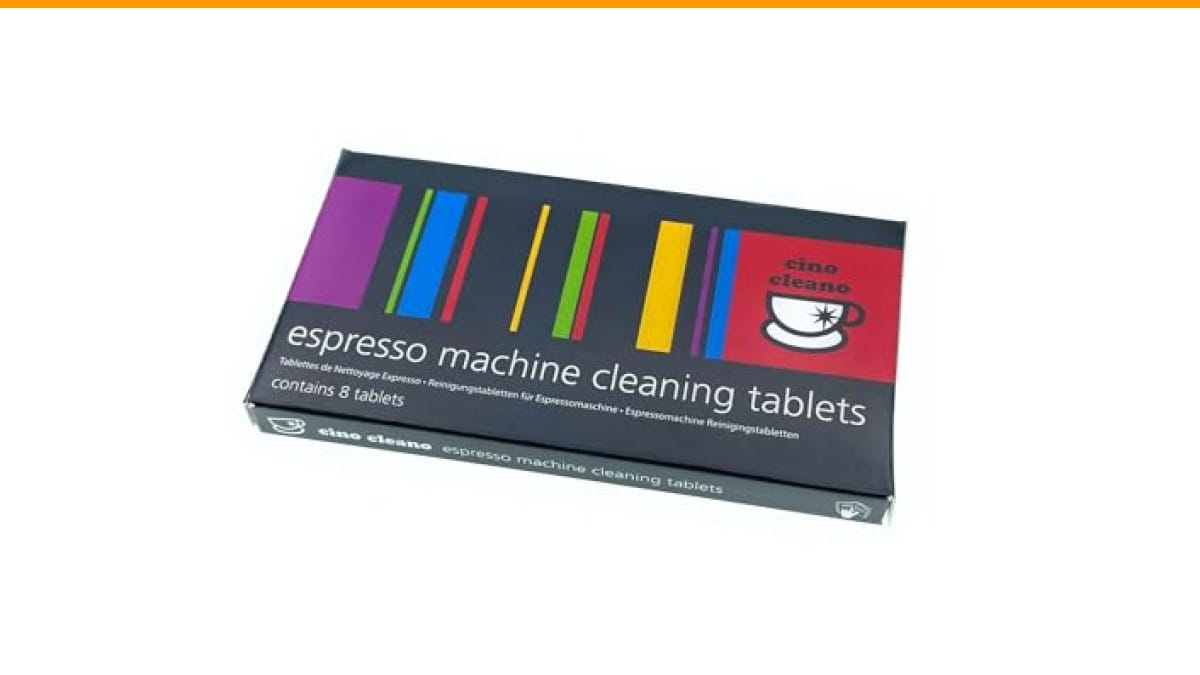
For most home machines, a packet of Cino Cleano tablets is a solid starting point. These are formulated to dissolve quickly and are safe for Breville, DeLonghi, and Sage machines. They are non-corrosive, so you won’t damage the rubber gaskets inside the group head if you follow the rinse steps correctly.
Why Cleaning Tablets Are Non-Negotiable (And What They Actually Do)
Every shot of espresso leaves behind microscopic traces of coffee oil. Over time, that oil polymerizes — it turns from a liquid into a hard, sticky film. Think of it like burnt bacon grease in a pan. Water alone won’t remove it. Soap leaves a residue that ruins crema. You need a detergent that breaks down the oil chemically.
Cleaning tablets contain food-grade detergents and a mild abrasive. When dissolved in hot water and forced through the group head under pressure, they scrub the internal pipes, the shower screen, and the back of the portafilter. The pressure is the key part. It pushes the cleaning solution through every nook you can’t reach with a brush.
This is not the same as descaling. Descaling dissolves mineral scale (calcium and limescale) from the boiler and heating element. Cleaning tablets remove coffee oil. You need both routines, but they address different problems. Run a cleaning cycle weekly and descale every 3-6 months depending on your water hardness.
What You Need Before You Start (Tools and Safety)
Gather these items before you begin. You don’t want to be hunting for a blind filter mid-cycle with a machine full of hot water.
- Cleaning tablets (like the Cino Cleano packet)
- A blind filter basket (solid bottom, no holes) — most machines include one
- Your standard portafilter
- A clean, empty container to catch rinse water
- A soft cloth for wiping the group head
Check your machine’s manual to confirm it has a three-way valve. This valve releases pressure after brewing and allows water to flow back through the group head during cleaning. Most modern home machines (Breville, Rancilio Silvia, Gaggia Classic) have one. If you own a cheaper steam-driven machine or a super-automatic without a removable brew unit, the process is different — covered in the next section.
Safety first: the water in the boiler is hot. Wear an oven mitt if you need to touch the portafilter during the cycle. Never run the cleaning cycle with the portafilter unlocked, or you’ll spray hot detergent across your kitchen.
The Step-By-Step Backflush Method (For Machines With a 3-Way Valve)
Loading the Blind Filter
Insert the blind filter into your portafilter. Drop one cleaning tablet into the basket. It should sit flat against the bottom. Lock the portafilter into the group head as you would for a shot. The fit will feel snugger than normal because the blind filter creates a sealed chamber.
Running the Pressure Cycles
Start the brew cycle. The pump will run, but no water comes out the spout. Instead, pressure builds inside the group head, forcing the hot detergent water through the shower screen and back down through the drain line. Let it run for about 20 seconds, then switch the pump off. Let the solution sit in the group head for 60-90 seconds to soak the oil.
Repeat this cycle 3-5 times. On the last cycle, let the machine run for the full 30 seconds. You’ll see the water in the drip tray turn a dirty brown color. That’s the dissolved coffee oil being flushed out. If it stays mostly clear, your machine was already clean, or the tablet didn’t dissolve fully.
The Critical Rinse and Reassembly
Remove the portafilter and dump the remaining water. Rinse the blind filter and portafilter thoroughly under running water. Replace the blind filter with your normal double-shot basket. Lock the empty portafilter back into the group head.
Run 2-3 full brew cycles (about 30 seconds each) with fresh water. This rinses any detergent residue from the internal lines. Then wipe the shower screen and the group head gasket with a damp cloth. The machine is now clean and ready for use.
How to Clean a Machine Without a Backflush Option
Not every machine has a three-way valve. Some entry-level pump machines and most steam-driven units lack the drain line needed for a backflush. You still need to clean the group head, but you’ll use a different approach.
Remove the shower screen if your machine allows it. Soak the screen and the portafilter in a bowl of hot water with a dissolved cleaning tablet for 15 minutes. Scrub them gently with a soft brush to remove the oil film. Rinse thoroughly and reassemble.
For the internal brew path, run a blank shot with a clean basket. Then dissolve a half-tablet in a cup of hot water and pour it into the water reservoir. Run a full brew cycle (about 8 ounces of water) into a container. Discard this water immediately — it contains chemical residue. Then run two full reservoirs of plain water through the machine to rinse the internal lines.
This method is less thorough than a backflush because it doesn’t create the high-pressure scrubbing action. But it’s the safest way to clean a machine that wasn’t designed for a blind filter.
The Post-Cleaning Ritual: Rinse, Season, and Sacrificial Shot
After the rinse cycles, the machine is clean but not ready for your morning espresso. The first shot you pull will taste flat or slightly chemical if you skip the next step. This is called the sacrificial shot.
Grind a small dose of coffee (about 10 grams). Pull a shot into a container and discard it. Do not drink it. This shot runs through the clean lines and picks up any lingering detergent taste from the pipes. It also re-coats the group head with a fresh layer of coffee oil, which helps the next real shot taste balanced.
Some people skip this step and regret it. The bitter, soapy flavor can ruin a whole cup. The cost of one discarded shot is worth the insurance.
How Often Should You Clean? (A Simple Usage-Based Chart)
The frequency depends on how many shots you pull, not how many days pass. A machine used twice a day needs cleaning more often than one used twice a week.
| Usage Level | Shots Per Day | Cleaning Frequency | Descaling Frequency |
|---|---|---|---|
| Light home | 1-2 | Every 2-3 weeks | Every 6 months |
| Average home | 3-4 | Weekly | Every 3-4 months |
| Heavy home / light office | 5-8 | Every 2-3 days | Monthly |
| Commercial | 10+ | Daily | Weekly |
These are starting points, not hard rules. If you notice the shot time slowing down or the flavor turning bitter before the scheduled cleaning, run the cycle early. Your taste buds are a better sensor than a calendar.
Common Mistakes and How to Fix Them (Foam-Over, Bad Taste, Gasket Damage)
Three things go wrong more often than anything else. Here’s how to handle each one.
Foam over. The cleaning solution bubbles up and spills out of the group head during the cycle. This happens when you use too much detergent or when the machine’s pressure is too high. Stop the pump immediately. Let the foam settle, wipe up the mess, and run a rinse cycle. Next time, use half a tablet if your machine runs hot or has a strong pump.
Chemical aftertaste. You skipped the sacrificial shot, or you didn’t run enough rinse cycles. Run two more blank shots with fresh water, then pull a sacrificial shot as described above. The taste should disappear. If it persists, the tablet didn’t dissolve fully — check for residue in the blind filter.
Gasket damage. The rubber gasket around the group head can dry out or crack if you leave the cleaning solution in contact too long. Never let the machine sit with the portafilter locked in and solution inside for more than 5 minutes. Rinse thoroughly and wipe the gasket dry after cleaning. A little food-grade silicone grease on the gasket keeps it supple.
Tablets vs. Vinegar vs. Descaling Powder: What to Use When
You have three common options for keeping your machine clean. They are not interchangeable.
| Product | Target | How It Works | Safe for Gaskets? | Best For |
|---|---|---|---|---|
| Cleaning tablets | Coffee oil residue | Detergent breaks down oils | Yes (non-corrosive) | Weekly oil removal |
| Vinegar | Mineral scale | Acid dissolves calcium | No — can dry out rubber | Emergency descaling (not recommended) |
| Descaling powder | Mineral scale | Acid-based, formulated for boilers | Yes, if rinsed well | Quarterly scale removal |
Vinegar is a popular DIY hack, but it’s harsh on your machine’s internal rubber parts. It also leaves a smell that’s hard to fully rinse out. A dedicated descaling powder is safer and more effective. Cleaning tablets handle the oil, and descaling powder handles the scale. You need both, just at different intervals.
Final Checklist for a Pristine Machine
Here’s what a proper maintenance routine looks like, distilled into a quick reference.
- Backflush with a cleaning tablet weekly if you pull 3+ shots daily
- Always use a blind filter for the backflush — never a regular basket
- Run 3-5 pressure cycles, letting the solution soak between cycles
- Rinse with at least 2 full blank shots after cleaning
- Pull and discard a sacrificial shot before your first real espresso
- Descale every 3-6 months with a proper descaling powder, not vinegar
- Wipe the group head gasket dry after each cleaning to prevent cracking
If you’re troubleshooting a specific issue like a loud pump or a leaking group head, check our guides on loud noise causes and water leak fixes. For a broader look at machine types, this comparison of automatic vs. semi-automatic machines explains which cleaning routine fits your setup.
Cleaning your espresso machine isn’t a chore you can ignore. The oil builds up silently, and the first sign of trouble is a bitter shot that makes you blame the beans. A ten-minute routine with a tablet keeps the flavor clean, the pressure consistent, and the machine running for years. Set a reminder on your phone, keep a packet of tablets near the machine, and make it a habit.
Frequently Asked Questions
Can I use the same tablets for a super-automatic machine?
Yes, most super-automatic machines have a dedicated cleaning cycle. Check your manual for the exact procedure. You typically place a tablet in a special cleaning tray or in the brew unit area, then activate the cleaning program. The Cino Cleano tablets list compatibility with super-automatic brands like Saeco, DeLonghi, and Miele.
What happens if I use a regular basket instead of a blind filter?
The water will flow straight through the holes and out the spout. No pressure builds up, so the cleaning solution never contacts the internal parts. You’ll end up with a wet portafilter and a still-dirty machine. The blind filter is essential for a proper backflush.
Can I clean the portafilter and basket with the same tablet?
Yes. After the backflush cycle, soak the portafilter, regular basket, and shower screen in the leftover hot cleaning solution for 10 minutes. Scrub with a brush, rinse thoroughly, and dry. This gets the hard-to-reach corners without wasting a second tablet.
Is it safe to run a cleaning cycle with the water reservoir empty?
No. The pump needs water to circulate the solution. Running it dry can damage the pump motor. Always fill the reservoir to the max line before starting any cleaning cycle.
Why does my machine taste bitter even after cleaning?
You likely skipped the sacrificial shot or didn’t rinse enough. The residual detergent leaves a bitter, soapy flavor. Run two blank rinses and one sacrificial shot. If the bitterness remains, the problem might be your beans or the grind size, not the machine. Check our guide on why espresso tastes burnt for other causes.
Products related to this article
Sponsored / affiliate links. As an Amazon Associate I earn from qualifying purchases. I may earn additional commission from eligible campaigns.
 Coffee Espresso Machine Handle Replacement Parts, Cafe Bracket Handle for Lidl Silvercrest CM4621 CM4218 KF5002 KF500S Barista (for 51mm Portafilter Basket - Not included)
 KARHDIR 15" Walk Behind Floor Scrubber Machine, 23" Squeegee
 Dawn Ultra Antibacterial Dishwashing Liquid Dish Soap, Apple Blossom Scent - 7 fl oz