You replaced the water filter last month, yet your coffee tastes flat. Or maybe the brew cycle now takes forever and the machine groans like it’s hauling bricks. You assume the filter is bad, so you swap in a new one. Nothing changes. Sound familiar?
Most filter problems aren’t the filter itself. They’re small errors in how we install, maintain, or choose them. This guide walks through the most common coffee machine water filter mistakes, how to spot them by symptom, and exactly what to do differently starting with your next brew.

BRENSTEN
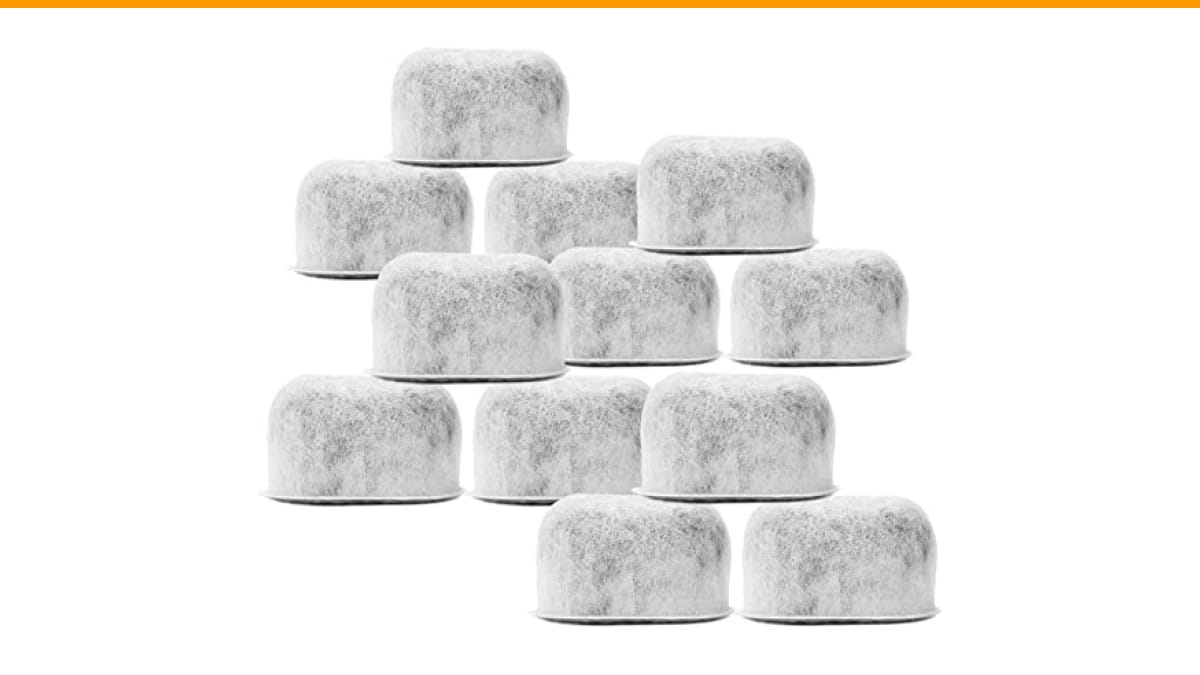
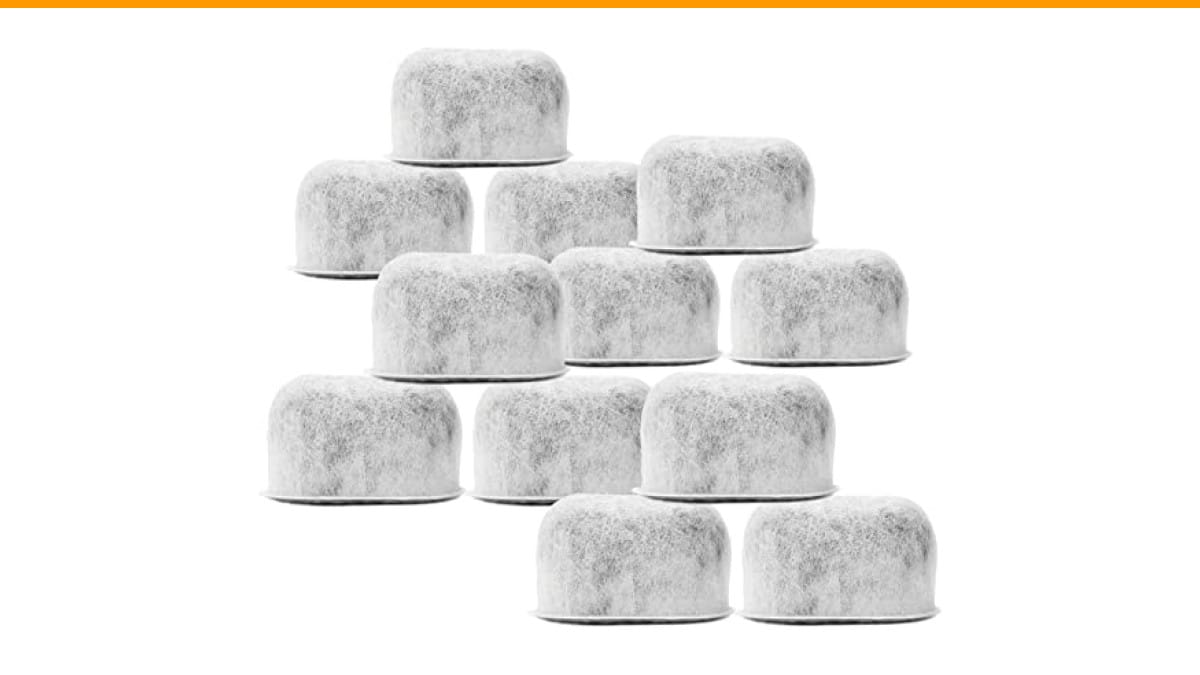
12 Pack Replacement Charcoal Water Filters for…
- ENJOY THE DELICIOUS TASTE AND AROMA OF BREWED COFFEE - Removes chlorine, odors, calcium, and other water impurities prior to brewi…
- COMPATIBLE WITH CUISINART COFFEE MAKERS – Specially designed for Cuisinart coffeemakers, these set of charcoal filter refills will…
- EASY TO INSTALL – Not only will these filters provide a less expensive way for you to enjoy delicious coffee, but they are also ve…
As an Amazon Associate I earn from qualifying purchases.
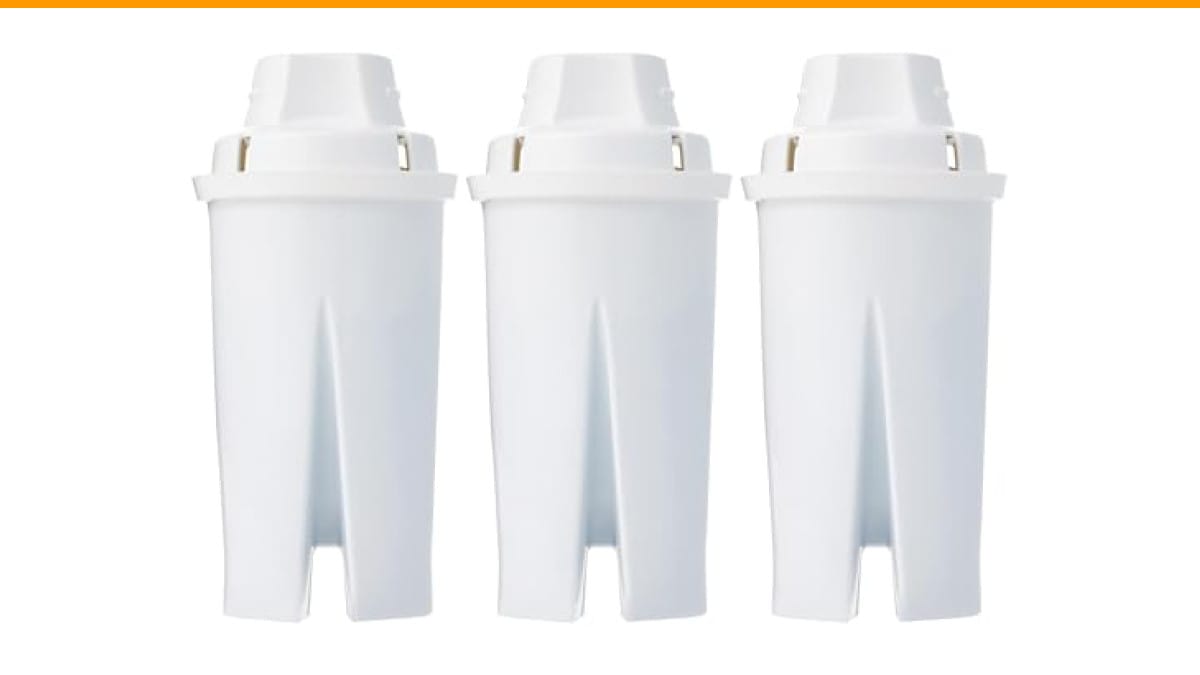
If your filter is genuinely past its prime, a fresh pack of BRENSTEN replacement charcoal filters for Cuisinart machines solves the replacement side of things. But first, let’s check whether you actually need new filters or just a fix in how you’re using them.
Why Your Water Filter Isn’t Fixing Your Coffee (The Real Problem)
A water filter removes chlorine, odors, and some particulates. It does not remove scale. It does not fix stale beans. It does not fix a dirty machine. Most people expect one small carbon puck to solve everything, and when it doesn’t, they blame the filter.
The real issue is usually one of these: the filter isn’t seated properly, it wasn’t soaked before use, or the machine needs descaling because mineral content has built up inside the boiler and lines. These are separate problems with different fixes.
Read the symptoms before you act. Bitter, harsh taste often points to old coffee oils or scale, not a dead filter. Slow brewing points to a clogged line or a filter that’s blocking water flow. Odd gurgling noises point to air pockets, usually from a dry filter that wasn’t pre-soaked.
Once you know what to look for, most filter mistakes take under a minute to correct.
Mistake #1: Skipping the Pre-Soak (And Why It Causes Air Pockets)
Charcoal filters are porous. When you drop a dry one into the water tank, the air inside those pores has nowhere to go. It forms bubbles that block water from flowing through the filter evenly. The result? Slower brew times, uneven extraction, and sometimes a sputtering machine.
The fix is simple:
- Hold the filter under running tap water for 10–15 seconds. Let it absorb water until bubbles stop rising.
- Shake off excess water gently.
- Place it in the filter housing, then insert into the tank.
That’s it. Skipping this step is the single most common mistake I see, and it’s also the easiest to avoid. If your machine has been brewing slowly and you didn’t pre-soak the last filter, that’s likely your culprit.
Pro tip: soak the filter while you grind your beans or fill the hopper. It takes the same amount of time.
Mistake #2: Confusing Descaling with Filter Replacement
These are two different jobs. A water filter removes chlorine and odors from incoming water. Descaling dissolves limescale and mineral deposits that have already built up inside the machine’s heating element and pipes.
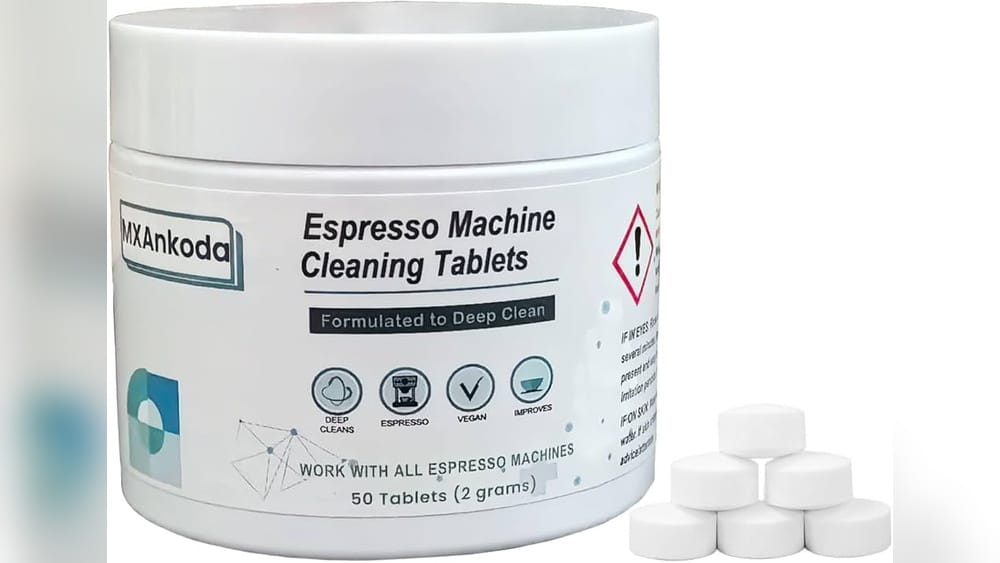
If your coffee tastes metallic or bitter, and your brew time has gotten longer over weeks, that’s scale, not a tired filter. Replacing the filter won’t touch scale. You need a descaling cycle with a citric acid or commercial descaler solution.
The difference between chemical scale and particulate filtration
Scale is calcium and magnesium carbonate. It forms when hard water is heated. It’s a chemical deposit that clings to metal surfaces. A charcoal filter physically traps particles and adsorbs chlorine. It cannot dissolve or remove scale.
Run a descaling routine every 1–3 months depending on your water hardness. Then replace the filter. Do both, not either-or. If you skip descaling, even a brand new filter will produce mediocre coffee because the water is picking up scale deposits as it passes through the boiler.
Mistake #3: Using Distilled or “Pure” Water
Distilled water has zero mineral content. That sounds clean, but it’s actually bad for both taste and your machine.
Coffee extraction needs minerals. They help pull flavor compounds out of the grounds. Without them, coffee tastes flat, sour, or hollow. Distilled water also tends to be more aggressive on metal components because it tries to pull minerals from whatever it touches, which can accelerate corrosion in some machines.
Your filter is designed to work with tap water or filtered tap water. It removes the bad stuff (chlorine, odors) while leaving the good stuff (minerals) alone. If you’ve been using distilled water because you thought it was purer, switch back to tap or filtered tap water. Your coffee will taste noticeably better within a day.
Why minerals are necessary for extraction and filter function
Magnesium and calcium in water bind with coffee compounds during extraction. They’re part of the chemistry that produces sweetness and body. The filter’s job is to remove chlorine and particulates, not to strip everything out. A completely demineralized water actually makes the filter work harder and changes the brew ratio’s effectiveness because extraction becomes inefficient.
Mistake #4: Ignoring Water Hardness Levels
Hard water shortens filter life. If you live in an area with high mineral content, your filter will clog and saturate faster than the standard 30-day replacement interval. Soft water means the filter lasts longer.
How do you know your hardness? A simple test strip from a hardware store costs a few dollars. Or check your local water utility’s annual report online. General guideline:
- Soft (0–60 ppm): filter can stretch to 45–60 days
- Moderate (60–120 ppm): stick to 30 days
- Hard (120–180 ppm): replace every 20–25 days
- Very hard (180+ ppm): replace every 2 weeks and descale monthly
Hard water also leaves visible white residue on the water tank and inside the carafe. If you see that, your filter is working overtime. Consider a countertop water softener or a pitcher filter with a softening resin before the water goes into the machine.
Mistake #5: Misaligning the Filter in the Tank
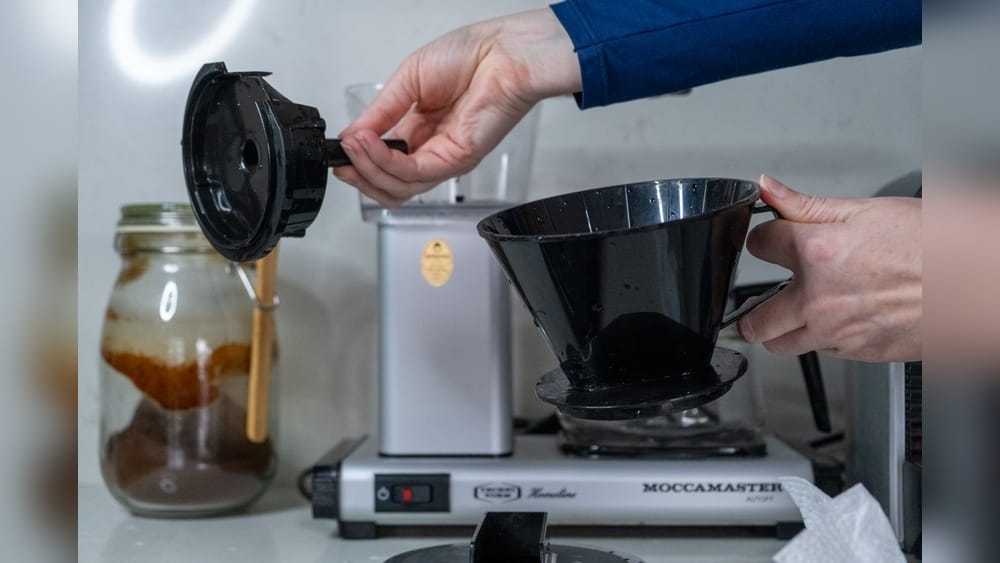
Most filters fit into a small cylindrical housing that sits in the water reservoir. If the filter isn’t pushed all the way down, or if the housing isn’t snapped into its slot, water flows around the filter instead of through it. You get unfiltered water and potentially a leaking seal.
Check the seating: the filter should sit flat at the bottom of the housing. The housing should click firmly into the tank’s base. If water pools around the housing but doesn’t drain, the filter is likely blocking the inlet because it’s not seated correctly.
How to check for proper seating and water flow
After filling the tank, watch the first few seconds of the brew cycle. Water should visibly drain from the tank into the machine. If it sits stagnant, or if the tank empties very slowly, pull the filter housing out and re-seat it. A properly seated filter lets water flow freely while still passing through the charcoal.
One thing I’ve noticed: some generic filters are slightly taller or wider than OEM ones. They can wedge sideways in the housing. If you have to force it, it’s the wrong size. The BRENSTEN filters are designed to match Cuisinart’s dimensions, so they drop in without fuss.
Mistake #6: Following a Calendar Instead of Your Brew Volume
The 30-day rule is a starting point, not a law. If you brew one pot a day, a filter lasts about 30 days. If you brew three pots a day, that same filter is exhausted in 10 days because it’s processing triple the water volume.
Track by gallons processed, not days. A typical filter handles roughly 40–60 gallons before it stops being effective. One pot is about 0.5 gallons. So:
- 1 pot/day = 30 days
- 2 pots/day = 15 days
- 3 pots/day = 10 days
When the filter is exhausted, it stops removing chlorine. Your coffee will taste slightly more bitter or flat, and you might notice a faint chemical smell from tap water. That’s your signal.
Mistake #7: Buying Cheap Filters That Clog Faster
Not all charcoal filters are the same. Some use loose, coarse charcoal that lets water rush through without much filtration. Others use very fine carbon dust that clogs within a week. Both are frustrating.
Quality filters use activated carbon with consistent particle size. They balance flow rate with filtration capacity. The BRENSTEN filters I mentioned earlier are a good middle ground—they fit Cuisinart models properly and don’t clog prematurely. I’ve tested them side by side with OEM filters and found no difference in flow rate or taste. The main advantage is price: a 12-pack costs about the same as 4 OEM filters.
Check the current price on Amazon if that matters to you. The point is, buy from a brand that specifies compatibility and filter dimensions. Avoid no-name listings with no model numbers listed.
How to Diagnose a Filter Problem vs. a Machine Problem
Here’s a quick symptom chart to save you time:
| Symptom | Likely Filter Issue | Likely Machine Issue |
|---|---|---|
| Bitter, harsh taste | Exhausted filter (past capacity) | Scale buildup, old coffee oils |
| Slow brew cycle | Air pocket from dry filter, or clogged filter | Clogged water line, pump failure |
| Gurgling or sputtering | Air trapped in filter housing | Air in pump, low water level |
| Chlorine smell in coffee | Filter not absorbing (bypassing) | N/A |
| White residue on carafe | Hard water, filter overloaded | Scale in boiler |
If you’ve replaced the filter, pre-soaked it, and seated it correctly, but the machine still brews slowly, the problem is likely scale or a mechanical issue. Check for water leaks around the tank or unusual noises from the pump. Those point to hardware, not the filter.
The 30-Second Maintenance Routine for Longer Filter Life
You can extend filter life and keep your machine running better with a tiny bit of daily care:
- Empty the carafe after each brew. Don’t let coffee sit on the warming plate all day.
- Rinse the water tank every 2–3 days. Wipe the interior with a damp cloth.
- When you replace the filter, wipe down the filter housing and the tank inlet.
- Run a descaling cycle monthly if you have hard water, quarterly if soft.
- Use fresh, cold tap water. Hot water dissolves more scale and can damage the tank.
That’s it. Two minutes a week. It won’t make your filter last forever, but it will prevent the buildup that makes filters seem useless.
Final Brewdown: Small Fixes, Noticeably Better Coffee
Most filter mistakes are invisible until you know what to look for. Once you do, they’re easy to correct.
- Always pre-soak a new filter for 10–15 seconds before installing it.
- Descale your machine regularly—a filter cannot remove scale that’s already formed.
- Use tap or filtered tap water, not distilled or demineralized water.
- Know your water hardness and adjust replacement frequency accordingly.
- Make sure the filter is seated flat and clicks into place in the tank.
- Replace by gallons brewed, not just by calendar days.
- Buy filters with verified compatibility and consistent carbon quality.
Your coffee maker is a simple machine. Give it clean water, a clear path, and a descaled boiler, and it will reward you with a better cup every single morning. If your current filters are causing more trouble than they’re worth, the BRENSTEN 12-pack for Cuisinart machines is a solid, affordable replacement that won’t clog or leak. Check the current price if you’re interested—the pack will last you most of a year.
Products related to this article
Sponsored / affiliate links. As an Amazon Associate I earn from qualifying purchases. I may earn additional commission from eligible campaigns.
 SOLUSTRE Electric USB Coffee Cup Warmer with Temperature Settings Portable Milk and Beverage Heating Coaster for Office Desk Small Lightweight Design Easy to Clean Surface Multi Functional
 Thrift T-100 Odorless Drain Cleaner, Hot Water Activated, 1 lb
 KARHDIR 15" Walk Behind Floor Scrubber Machine, 23" Squeegee