You bought a reusable coffee filter to save money and cut down on paper waste. Then, a few weeks in, your morning cup starts tasting dull — slightly bitter, a little flat. You inspect the filter and see a brown film that plain water won’t shift. That film is rancid coffee oil, and it’s the reason your brew went downhill.
Most people either rinse their reusable filter under the tap and call it done, or they let it sit in the sink for days. Both approaches lead to the same problem: buildup that affects flavor and, eventually, clogs the mesh. This guide walks you through the exact steps to clean a reusable coffee filter — from a quick daily rinse to a monthly deep clean — so your coffee tastes as good as the day you bought the filter.
You’ll also learn why dish soap can be your friend (contrary to what some forums say), how to remove stubborn stains, and when it’s time to replace the filter altogether. If you’re also dealing with scale inside your machine, I’ve included a section on that too.
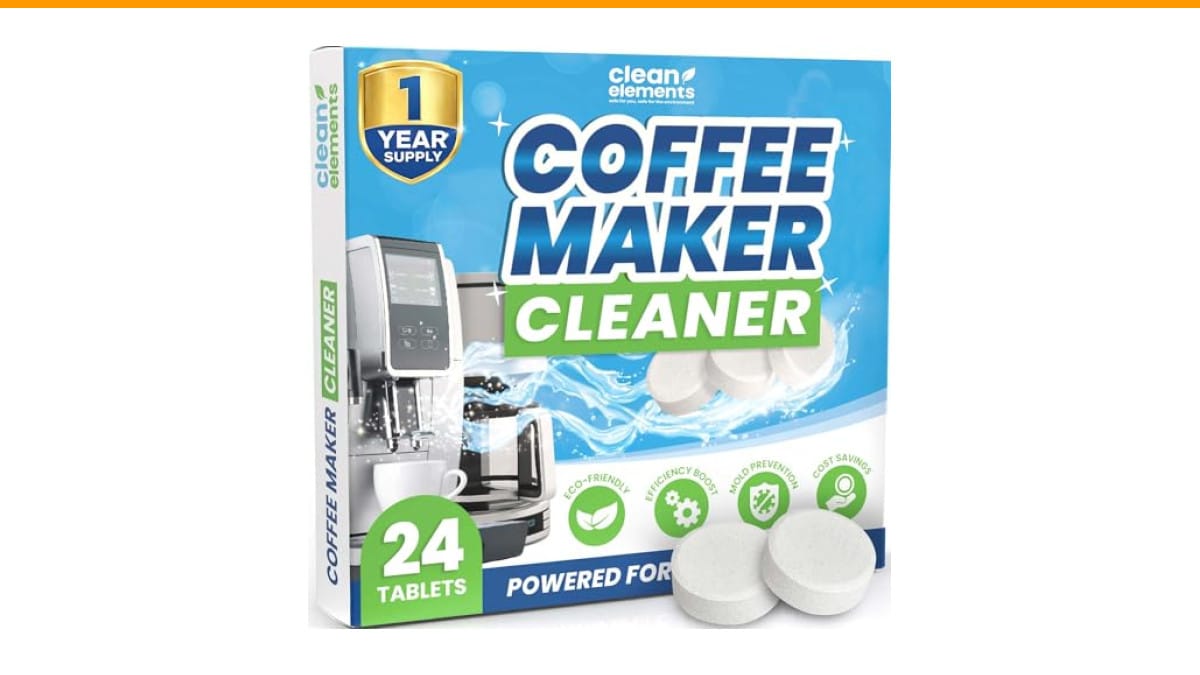
Clean Elements Coffee Maker Cleaner & Descaler Tablets are a solid companion for this routine. They dissolve hard-water scale and coffee oils inside the machine itself — something your reusable filter can’t do. If you’re already cleaning the filter regularly, adding a monthly descaling tablet keeps the whole brewing path clean.The Daily Rinse: Quick, But Not Enough
After every brew, dump the used grounds into the trash or compost. Rinse the filter under hot running water from the back side — that means the side that faces the brew basket, not the side that holds the grounds. The water pressure pushes trapped particles out of the mesh.
Use your fingers to gently rub the mesh surface while rinsing. You’ll see brown water run off; that’s the loose oil and fines. This takes about 30 seconds. Do this every single time you brew.
But here’s the catch: a hot rinse doesn’t remove the sticky, polymerized oils that bake onto the mesh over time. That requires a deeper clean.
Weekly Deep Clean: Dish Soap and a Soft Brush
Once a week, give your reusable filter a proper wash. Fill a bowl with warm water and add a drop of mild dish soap. Submerge the filter and let it soak for 10–15 minutes. Then, use a soft-bristled brush — a dedicated bottle brush or a clean toothbrush works — to scrub both sides of the mesh gently.
Pay extra attention to the rim and the seams where the mesh meets the frame. Oils accumulate there and are easy to miss. Rinse thoroughly under hot water until no soap bubbles remain. Let it air dry completely before storing.
Why dish soap? Some people avoid it, worrying it leaves a residue. In my testing, a thorough rinse removes all soap traces. The bigger risk is not using soap at all, which lets oils build up and turn rancid. That rancid oil is what makes coffee taste bitter and cardboard-like.
If your filter is particularly greasy, you can add a pinch of baking soda to the soapy water. It acts as a mild abrasive and helps lift stubborn film. Just don’t scrub with anything metal or abrasive — you’ll scratch the mesh and create spots where grounds get trapped.
Monthly Deep Clean: Vinegar Soak or Descaling Tablets
Once a month, your reusable filter needs a stronger treatment to break down mineral scale and baked-on oils. Two methods work well:
Vinegar soak: Mix one part white vinegar with two parts hot water in a bowl. Submerge the filter and let it soak for 30–60 minutes. The acetic acid dissolves calcium deposits and loosens oil residue. After soaking, scrub gently with a brush and rinse thoroughly. You’ll notice the water turns brownish — that’s the buildup leaving the mesh.
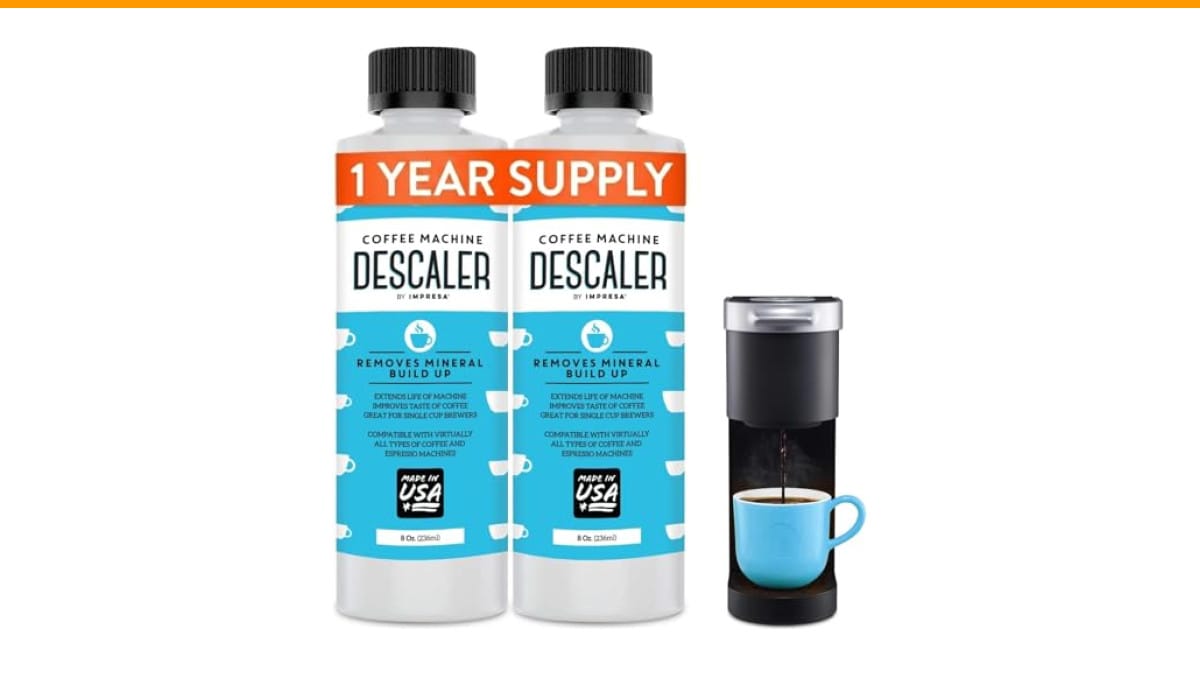
Descaling tablets: If you’re already using a descaling tablet for your machine, you can use a dissolved tablet to clean the filter too. Drop one tablet in a bowl of warm water, let it fizz, then soak the filter for the same amount of time. This is convenient if you’re doing both at once.
One caveat: don’t boil the filter or put it in the dishwasher unless the manufacturer explicitly says it’s safe. High heat can warp the plastic frame or damage the mesh. Check the product manual first.
After the monthly soak, do a final rinse with plain hot water and let it air dry completely. A damp filter stored in a drawer is a breeding ground for mold.
Common Misconceptions About Cleaning Reusable Filters
Myth: You Should Never Use Soap on a Coffee Filter
This myth persists because some people think soap leaves a film that ruins the coffee. In reality, a well-rinsed filter has no soap residue. The bigger problem is the oil buildup that soap removes. I’ve tested both ways — filters cleaned with soap taste noticeably cleaner than those rinsed with water alone. Use a mild, unscented dish soap and rinse thoroughly.
Myth: Bleach or Harsh Chemicals Are Okay for Stubborn Stains
Don’t do it. Bleach and other harsh chemicals can break down the mesh material and leave toxic residues that leach into your coffee. Even a tiny amount is enough to ruin a batch. Stick with vinegar, baking soda, or a dedicated coffee cleaner.
Myth: You Can Put a Reusable Filter in the Dishwasher
Some filters are dishwasher-safe, but many aren’t. The high heat and strong detergents can warp the frame or degrade the mesh. If the packaging doesn’t say dishwasher-safe, hand wash only. When in doubt, hand washing is always the safe choice.
Comparison: Cleaning Methods at a Glance
| Method | Frequency | Time Needed | Effectiveness | Best For |
|---|---|---|---|---|
| Hot water rinse | After every use | 30 seconds | Removes loose grounds | Daily maintenance |
| Dish soap + brush | Weekly | 10–15 minutes | Removes oils and residue | Regular deep cleaning |
| Vinegar soak | Monthly | 30–60 minutes | Dissolves scale and stubborn oils | Hard water areas |
| Descaling tablet soak | Monthly | 30 minutes | Removes scale and coffee residue | When you’re descaling the machine anyway |
| Dishwasher (if safe) | Occasional | Machine cycle | Varies — can warp filter | Only if manufacturer says it’s safe |
How to Clean a Clogged Reusable Filter
If your filter is clogged — water pools on top of the grounds instead of draining — don’t panic. It’s fixable. First, remove the filter and rinse it from the back side under strong hot water. If that doesn’t clear it, soak it in a vinegar solution for an hour, then scrub with a brush.
For extreme clogs, you can use a pin or a toothpick to gently poke through individual mesh holes. Work slowly and avoid forcing it, as you could tear the mesh. After clearing the clog, run a rinse cycle with just water to flush out any loosened particles.
If the filter is still clogged after all that, it might be time to replace it. Mesh filters wear out after 6–12 months of daily use. Check for visible tears, stretched mesh, or a bent frame. A damaged filter lets grounds through, which ruins the brew.
Integrating Filter Cleaning into Your Coffee Routine
You don’t need a complicated system. Just tie the cleaning to your existing coffee habits. Rinse the filter immediately after brewing — it takes less than a minute. Set a weekly reminder on your phone to do the soap scrub. And once a month, when you descale your machine, soak the filter in the same solution.
If you’re using a paper filter as a backup, don’t forget to clean the reusable one anyway. Even if it’s sitting in a drawer, dust and oils can accumulate. A quick rinse before use is good practice.
For more detailed guidance on cleaning your coffee maker itself, check out our coffee maker cleaning guide. And if you’re noticing slow brewing or weak coffee, our clogged coffee maker article covers that issue.
Frequently Asked Questions
Can I use vinegar on a reusable coffee filter?
Yes. White vinegar mixed with water is safe for most reusable filters. It dissolves mineral scale and breaks down oil residue. Just rinse thoroughly afterward to avoid any vinegar taste in your next brew.
How often should I clean my reusable coffee filter?
Rinse after every use, do a soap scrub weekly, and a vinegar soak monthly. If you brew multiple times a day, you might need to increase the weekly scrub to every few days.
Why does my coffee taste bitter even after cleaning the filter?
Bitter coffee can come from other sources: stale beans, too fine a grind, water that’s too hot, or a dirty machine. If the filter is clean and the taste persists, check your grind size and water temperature. Also, descale your machine — scale buildup can affect extraction.
Can I put a reusable coffee filter in the dishwasher?
Only if the manufacturer says it’s dishwasher-safe. Many filters are made of plastic or mesh that can warp in high heat. Hand washing is always safer and just as effective.
What’s the best way to remove coffee stains from a reusable filter?
Soak it in a vinegar solution or use a paste of baking soda and water. Scrub gently with a soft brush, then rinse thoroughly. For stubborn stains, you might need to repeat the soak.
Final Tips for Keeping Your Filter Fresh
- Rinse the filter immediately after brewing — don’t let it sit with wet grounds.
- Use a dedicated soft brush to avoid scratching the mesh.
- Air dry the filter completely before storing it.
- Replace your reusable filter every 6–12 months or when you see signs of wear.
- Descale your coffee maker monthly to keep the whole brewing system clean.
- If you use a paper filter as a backup, still clean the reusable one regularly.
- When in doubt, hand wash — it’s the safest method for any filter.
Cleaning a reusable coffee filter isn’t a chore once you get into the rhythm. A few minutes a day keeps your coffee tasting fresh and your filter lasting longer. And if you’re already using a descaling tablet for your machine, the same tablet can clean your filter — one less thing to buy.
Products related to this article
Sponsored / affiliate links. As an Amazon Associate I earn from qualifying purchases. I may earn additional commission from eligible campaigns.
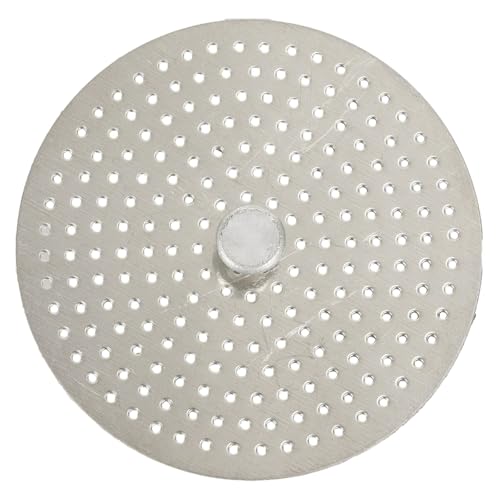 Stainless Steel Moka Pot Coffee Filter Disc for Espresso Brewing, Coffee Maker Replacement Filter Plate for Home Office Coffee Bar Cafe (FOR 4 Cups)
 Cascade Platinum Plus Dishwasher Detergent Pods Dish Soap Lemon 57 Count
 MRS. MEYER'S CLEAN DAY Automatic Dishwasher Pods, Lavender, 20 Count - Pack of 3 (60 Total Pods)