You bought a water filter pitcher to make your coffee taste better. Then, after a few weeks, you notice a faint film on the inside. Or a musty smell. Or the water starts to taste flat, and your morning brew picks up a weird note that wasn’t there before.
Most people ignore it until the filter indicator flips. That’s a mistake. A dirty pitcher can undo all the good the filter does, and it can shorten the filter’s life too. This article walks you through the exact steps to clean a water filter pitcher for coffee, what not to do, and how often you actually need to bother.

PUR
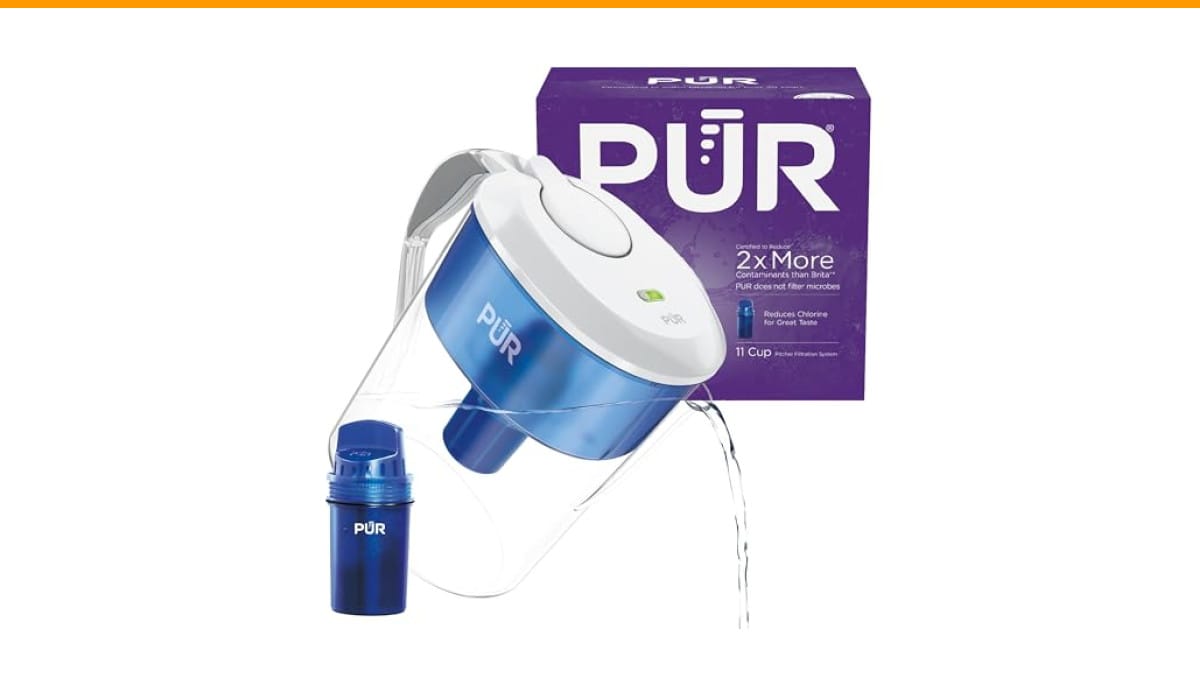
PUR 11-Cup Water Pitcher, Includes 1 Genuine…
- Hassle-Free Design: Keep filtered water cold in your refrigerator with this 11 cup PUR filter pitcher, featuring a stay-tight lid…
- Cleaner Water for Less Plastic Waste: Get better-tasting filtered water from your tap with PUR water filters while spending less t…
- Compatible Does Not Mean Comparable: Genuine PUR water pitcher filters are certified PUR water filters for our filtered water pitc…
As an Amazon Associate I earn from qualifying purchases.
You’ll also learn why dish soap is your enemy in some cases, why vinegar is a double-edged sword, and how to keep the pitcher working without babying it.
If you’re in the market for a new pitcher, the PUR 11-Cup Water Pitcher is a solid choice. It’s dishwasher safe, which makes the cleaning routine we’re about to cover much easier, and it comes with one genuine PUR filter that handles up to 40 gallons.
Myth #1: Dish Soap Is Fine for the Whole Pitcher
It’s not. The plastic body and the lid handle soap fine, but the reservoir where the unfiltered water sits can trap soap residue in the seams and the pour spout. You rinse it, you think it’s gone, and then your next glass of water tastes like diluted detergent. Coffee amplifies that taste.
Use warm water and a drop of mild dish soap on the outside and the lid only. For the inside, use a soft sponge with hot water and a pinch of baking soda. Baking soda cuts the mineral film without leaving a scent. Rinse everything twice. If you can still smell soap on the plastic, rinse again.
A quick rule of thumb: if the pitcher is dishwasher safe, the top rack is fine for the lid and the empty body. But check the manual first. Some pitchers have a carbon filter housing that isn’t meant for the dishwasher.
Myth #2: Vinegar Cleans Everything, So Use It Every Time
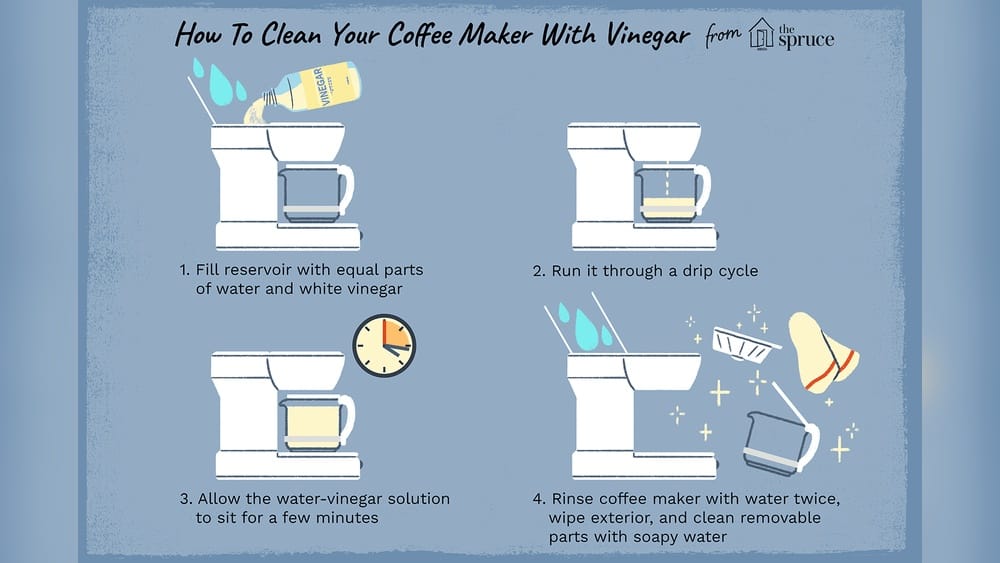
Vinegar is great for descaling a coffee maker, but it’s too aggressive for a pitcher you use daily. The acetic acid can degrade the plastic over time and leave a residue that’s hard to rinse away. If you use vinegar, use it rarely—every two or three months—and always dilute it 1:3 with water.
For weekly cleaning, skip the vinegar. Hot water and a soft brush are enough. For monthly deep cleaning, use a solution of one tablespoon of citric acid powder dissolved in a full pitcher of warm water. Let it sit for 15 minutes, then rinse thoroughly. Citric acid is gentler on plastic and doesn’t leave a smell.
One more thing: never put the filter itself in vinegar or citric acid. It destroys the carbon media. The filter only gets a rinse under cold water when you replace it—and even that is optional.
How to Clean a Water Filter Pitcher for Coffee: Step by Step
Here’s the routine I use in my own kitchen. It takes about ten minutes and keeps the pitcher fresh between filter changes.
- Remove the filter. Set it aside on a clean towel. Do not rinse it unless the instructions say so.
- Empty the pitcher. Dump any remaining water down the sink.
- Wash the lid and body. Use warm soapy water on the outside, and hot water with baking soda on the inside. A bottle brush reaches the corners where the pour spout meets the body.
- Scrub the reservoir. If your model has a separate top chamber, pop it out and scrub it the same way. Mineral scale builds up there faster than anywhere else.
- Rinse, rinse, rinse. Run hot water through every part for at least 30 seconds. Turn the pitcher upside down and let it drain.
- Dry completely. Leave it disassembled on a drying rack. Moisture trapped inside is what causes the musty smell.
- Reassemble and refill. Put the filter back in, fill the reservoir, and run the first pitcher of water through and discard it. That primes the filter and clears any cleaning residue.
If you notice a film that won’t come off with baking soda, try a paste of baking soda and water applied with a soft cloth. Let it sit for five minutes before scrubbing.
For a deeper clean, especially if you’ve been using the pitcher for months without cleaning it, follow the steps above and then soak the empty body in a citric acid solution for 30 minutes. Rinse well after.
You can also clean the outside with a microfiber cloth and a bit of white vinegar on a paper towel to remove water spots. That’s the only time vinegar should touch the exterior.
Cleaning Methods Compared
| Method | Frequency | Time | Best For | Watch Out For |
|---|---|---|---|---|
| Hot water + baking soda | Weekly | 5 minutes | Daily maintenance, mild film | None—safest option |
| Dish soap (outside only) | Weekly | 5 minutes | Grease, fingerprints, lid | Rinse thoroughly to avoid soapy taste |
| Citric acid soak | Monthly | 30 minutes | Mineral scale, hard water build-up | Never soak the filter |
| Vinegar solution (1:3) | Every 2–3 months | 15 minutes | Stubborn scale, musty odor | Can degrade plastic over time |
| Dishwasher (if safe) | Monthly | Cycle time | Deep clean, convenience | Check manual; remove filter first |
I prefer the baking soda method for weekly cleaning. It’s cheap, odorless, and doesn’t leave any residue that could affect your coffee’s flavor. The citric acid soak is the best deep-cleaning option, especially if you have hard water.
How Often Should You Clean the Pitcher?
Weekly is the honest answer. If you use the pitcher every day, a quick rinse and wipe-down once a week keeps it fresh. If you only use it for coffee water a few times a week, every two weeks is acceptable.
You’ll know it’s time when you see a film on the inside, smell a musty odor, or notice the water has a slightly stale taste. That last one is subtle—you might think the filter is done. Usually, it’s just the pitcher.
Don’t confuse the cleaning schedule with the filter replacement schedule. The filter lasts 40 gallons or two months, whichever comes first. The pitcher itself needs cleaning more often than that.
If you’re also dealing with a coffee maker that has scale build-up, the same principles apply. Check out our coffee maker cleaning frequency guide for a schedule that keeps both devices in good shape.
What About the Filter Itself?
The filter is the part most people get wrong. You cannot clean a carbon filter. Once it’s saturated, it’s done. Scrubbing it or soaking it in vinegar doesn’t restore it—it just pushes contaminants deeper into the media.
Some people try to dry out a filter and reuse it. That’s a bad idea. The carbon media can harbor bacteria once it’s wet and warm. Replace it on schedule, not when you remember.
The only maintenance the filter needs is a cold water rinse before first use, and only if the package says so. After that, leave it alone.
Common Questions About Cleaning Pitchers
Can I put the filter in the dishwasher?
No. The dishwasher’s heat and detergent will destroy the carbon media. Always remove the filter before cleaning any part of the pitcher, whether by hand or in the dishwasher.
Why does my water taste like plastic?
That’s usually a new pitcher that hasn’t been rinsed well, or a filter that wasn’t primed. Run two or three full pitchers of water through and discard them before drinking. If the taste persists, the plastic itself might be the issue—some cheap pitchers have a strong odor that never fully goes away.
Can I use bleach to disinfect the pitcher?
You can, but I wouldn’t. Bleach is hard to rinse completely out of porous plastic, and even a tiny residue will ruin the taste of your coffee. If you need to disinfect—say, after someone was sick—use a food-safe sanitizer or a citric acid solution instead.
How do I remove hard water stains from the pitcher?
Fill the pitcher with warm water and add two tablespoons of citric acid. Let it sit for 30 minutes, then scrub with a soft sponge. The stains should wipe right off. Rinse thoroughly afterward. This works better than vinegar and doesn’t leave a smell.
Is it safe to clean the pitcher while the filter is still installed?
No. Always remove the filter first. Water and cleaning solutions can get into the filter housing and contaminate the carbon media. It takes two seconds to pop it out, so just do it.
What Actually Matters for Your Coffee
Clean water makes better coffee, but a clean pitcher matters just as much. A film of old minerals or soap residue changes the pH of your water, which affects extraction. Your beans might be perfect, but if the water tastes off, the coffee will too.
If you’re chasing a cleaner cup, start with the pitcher. Then look at your coffee maker cleaning routine—scale in the boiler affects brew temperature and flow. And don’t forget the grinder; old coffee oils go rancid and add a bitter note to every batch. Our grinder cleaning guide covers that in detail.
One last tip: keep a spare pitcher or a large glass container of filtered water in the fridge. That way, you’re not stuck without clean water while the pitcher dries. It also gives you a backup if you need to soak the pitcher overnight.
Here’s what to remember:
- Clean the pitcher weekly with hot water and baking soda—skip the soap on the inside.
- Deep clean monthly with a citric acid soak, not vinegar.
- Always remove the filter before cleaning anything.
- Never put the filter in the dishwasher or soak it in any solution.
- Rinse thoroughly and dry completely to prevent musty odors.
- Replace the filter every 40 gallons or two months, whichever comes first.
- If the water tastes bad, clean the pitcher before blaming the filter.
The routine is simple once you get into it. Ten minutes a week, and your coffee will taste the way it should.
Products related to this article
Sponsored / affiliate links. As an Amazon Associate I earn from qualifying purchases. I may earn additional commission from eligible campaigns.