You bought a small coffee maker to save counter space, and it brews fast. But the coffee tastes flat, sour, or bitter. Most people blame the machine. That is usually the wrong target.
Small brewers have limitations, but the gap between what they produce and what a cafe serves is mostly technique. Water temperature, grind size, and cleanliness matter more than the size of the machine. This article walks you through the exact adjustments that will improve coffee taste from a small coffee maker, using things you already own.

Amrules
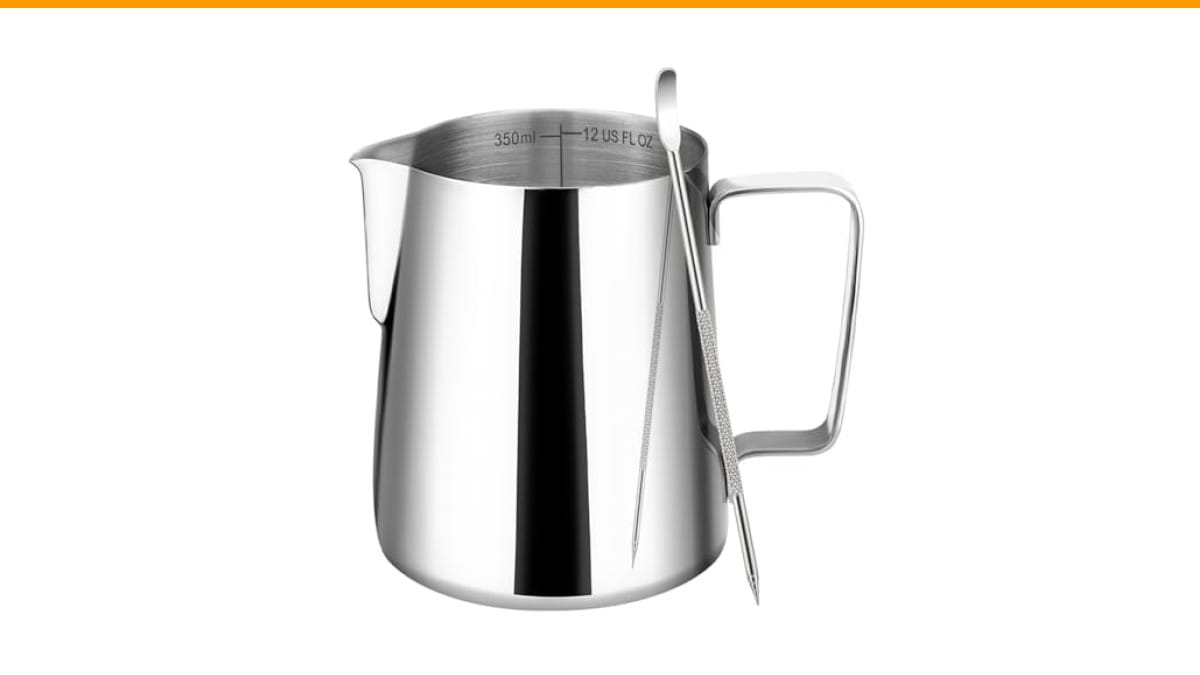
Amrules Milk Frothing Pitcher 12oz Frother Cup…
- 304 STAINLESS STEEL: Amrules 12oz creamer pitcher are crafted of 18/8 food grade stainless steel. The pitcher features external mi…
- PROPER CAPACITY: The coffee frother cup has precise scale mark inside for you to control the milk needed easily. The marks are las…
- MOUTH DESIGN: The smooth mouth is specially designed to facilitate milk pools together to ensure a steady flow of milk froth.The m…
As an Amazon Associate I earn from qualifying purchases.
You will learn the right coffee-to-water ratio, how to fix extraction problems, and why your tap water might be ruining the cup. You will also find a comparison of three quick fixes you can do today, plus answers to the questions people ask most about small-brewer coffee.
Why Small Coffee Makers Underperform (And How to Fix It)
Small drip machines and pod brewers share one weakness: they do not control water temperature well. Most cheap units heat water to around 185°F, while the ideal brewing temperature sits between 195°F and 205°F. Underheated water extracts less flavor, leaving your coffee sour and weak.
The fix is not to buy a new machine. It is to preheat everything. Run a full cycle with water only, no coffee. Pour that hot water into your mug and carafe to warm them. Then brew with fresh water. The preheated components lose less heat during the brew cycle, so the slurry stays closer to the target temperature.
Another issue is shower head distribution. Small machines often drip water in one spot, leaving dry coffee grounds on the edges. You can help by using a slightly finer grind and a paper filter that fits snugly. That forces the water to spread more evenly across the bed.
The Ratio That Fixes Weak Coffee
Most small brewers come with a scoop that holds about 2 tablespoons. The standard ratio for drip coffee is 1 to 2 tablespoons of ground coffee per 6 ounces of water. That sounds simple, but many people use the carafe markings, which are often in cups of 5 ounces, not 8.
Here is the math that works. Weigh your water and coffee once. Use 15 grams of coffee for every 250 grams of water. That is a 1:16 ratio, which is the sweet spot for most washed single-origin beans. If your coffee tastes sour, increase the coffee to 17 grams. If it tastes bitter and dry, drop it to 14 grams.
Grind size matters just as much. Small drip brewers need a medium grind, about the texture of sea salt. Too fine, and the water stalls, over-extracting and turning bitter. Too coarse, and the water runs through fast, under-extracting and turning sour. If you do not have a burr grinder, buy whole beans and ask the roaster to grind for drip. Pre-ground supermarket coffee is often ground for electric percolators, which is too coarse for a drip brewer.
Water Quality Is Half the Battle
Your coffee is 98% water. If your tap water tastes like chlorine or has a hard mineral profile, your coffee will taste like it too. Filtered water is the single cheapest upgrade you can make. A simple pitcher filter removes chlorine and most off-flavors.
Do not use distilled water. It extracts too aggressively, making coffee taste sharp and metallic. Spring water with moderate mineral content is ideal, but filtered tap water works fine for most people.
If you notice a film on your coffee surface or a chalky residue in the carafe, your water is hard. That mineral buildup also clogs the heating element over time. Regular cleaning prevents that. Check our guide on cleaning frequency to keep your brewer performing.
Milk Changes the Game (Even in a Small Machine)
Black coffee exposes every flaw. Milk and foam mask bitterness and add sweetness. If your small brewer produces a thin, acidic cup, turning it into a flat white or latte makes it drinkable and often enjoyable.
You do not need an espresso machine to froth milk. A microwave and a French press work, but the easiest tool is a dedicated milk pitcher. The Amrules Milk Frothing Pitcher 12oz is a solid choice here. It is made of 18/8 stainless steel, so it heats evenly on a stove or in a microwave without warping. The internal scale marks help you measure exactly how much milk you need, and the spout design pours a controlled stream for latte art. It comes with a latte art pen, which is a nice bonus for practicing patterns.
Heat your milk to about 150°F, not boiling. Boiling breaks down the proteins and makes the foam fall flat. Pour the hot milk into the pitcher, then pump it with a handheld frother for 20 seconds. Let it rest for 30 seconds, then swirl it to integrate the foam. Pour it over your brewed coffee.
This works with any small brewer. The result is a creamy, sweet drink that does not taste like a compromise.
Compare Your Quick Fixes
Here is a side-by-side look at the three most effective changes you can make right now.
| Fix | Difficulty | Time Needed | Impact on Taste |
|---|---|---|---|
| Preheat carafe and mug | Easy | 2 minutes | Medium — reduces sourness |
| Weigh coffee and water (1:16 ratio) | Moderate | 5 minutes | High — fixes weak or bitter cups |
| Use filtered water | Easy | 10 minutes setup | High — removes chlorine and mineral off-tastes |
Start with the ratio. It is the most common mistake. Then fix the water. Preheat only if your coffee still tastes sour after those two changes.
Three Common Mistakes and How to Avoid Them
Mistake 1: Using stale beans. Coffee loses flavor within two weeks of roasting. If your bag has been open for a month, it tastes like cardboard. Buy smaller bags and use them faster.
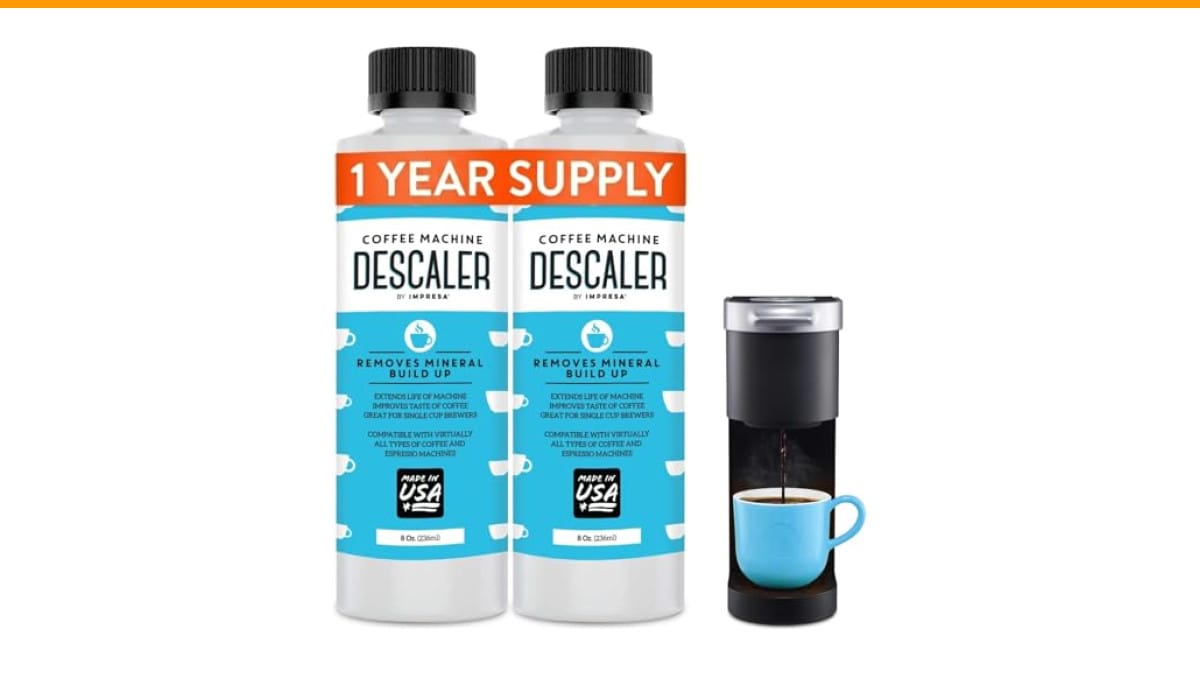
Mistake 2: Ignoring the cleaning cycle. A small brewer accumulates oil and scale quickly because the water path is short. That buildup makes coffee taste bitter and burnt. Run a vinegar cycle every month. Our guide on vinegar cleaning shows the exact steps. Also, a dirty grinder adds stale fines to your brew, so clean that too. See our grinder cleaning steps for a quick routine.
Mistake 3: Overfilling the basket. More coffee does not mean stronger coffee. It means the water cannot saturate all the grounds, so you get a bitter, over-extracted shot from the top and dry coffee at the bottom. Use the ratio, not the scoop.
Frequently Asked Questions
Why does my small coffee maker brew cold coffee?
Most small brewers do not have a hot plate that keeps the carafe warm. The coffee cools in the carafe within minutes. Preheat the carafe with hot water before brewing, and pour your cup immediately after the cycle ends. If you need to hold it, transfer the coffee to a preheated thermos.
Can I use espresso grounds in a regular drip maker?
No. Espresso grind is very fine, like powdered sugar. In a drip brewer, it will clog the filter, slow the flow, and over-extract, producing a bitter, muddy cup. Stick with a medium grind for drip.
Is a paper filter better than a metal mesh filter?
Paper filters remove more oils and fine particles, producing a cleaner, brighter cup. Metal filters let the oils through, which adds body and a heavier mouthfeel but also more bitterness. If your coffee tastes gritty or bitter, switch to a paper filter.
Why does my coffee taste sour even after I changed the ratio?
Sourness usually means under-extraction. The water is not hot enough, or the grind is too coarse. Preheat the machine, use a slightly finer grind, and make sure the water is at a rolling boil before it hits the grounds. If you use a pod brewer, run a hot water cycle first to warm the internal lines.
Does a milk frother pitcher really make a difference?
Yes, if you drink milk coffee. A good pitcher with a precise spout and a scale mark helps you control the milk volume and pour pattern. The Amrules pitcher has a smooth mouth that keeps the foam and liquid together, which makes a noticeable difference when you pour. It is not essential, but it makes the process cleaner and more consistent.
What to Do Next
You do not need a new machine to get a better cup. You need better inputs and a little discipline.
- Weigh your coffee and water once to lock in a 1:16 ratio.
- Use a medium grind, not pre-ground percolator coffee.
- Filter your water or buy spring water.
- Preheat your carafe and mug before every brew.
- Clean the brewer with vinegar monthly and rinse the carafe daily.
- Froth milk in a stainless steel pitcher for a cafe-style drink.
- Buy beans in small batches and use them within two weeks.
Pick one change and do it tomorrow. Then add the next. Small breweries are not a punishment; they just need a more careful hand.
Products related to this article
Sponsored / affiliate links. As an Amazon Associate I earn from qualifying purchases. I may earn additional commission from eligible campaigns.
 HomeBeyond Espresso Coffee Maker 12 Cups, Classic Stovetop Espresso Maker, 600ml / 20oz Coffeemaker for Gas & Ceramic Stovetops (Silver)
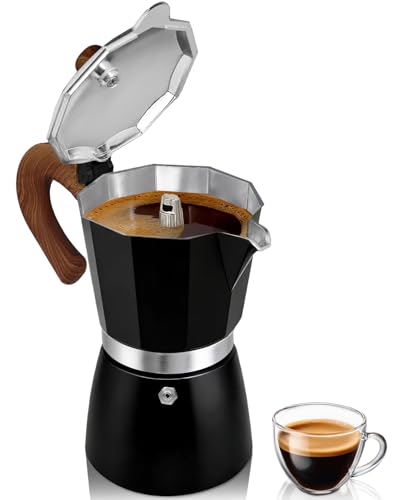 Belly Moka Coffee Maker Stovetop Espresso Maker 9 Cup Aluminum Moka Pot Percolator 15oz 450ml Easy Brewing for Electric Ceramic Stoves Home Camping Italian Cuban Café Classic Black
 Belly Moka Coffee Maker Stovetop Espresso Maker 6 Cup Aluminum Moka Pot Percolator 10oz 300ml Easy Brewing for Electric Ceramic Stoves Home Camping Italian Cuban Café Classic Silver