You pull a shot that looks gorgeous — rich crema, perfect tiger stripes — but the first sip tastes sour and flat. Same beans, same grinder, same recipe as yesterday. The only thing that changed? Your machine hasn’t been cleaned in three weeks. That’s the quiet truth about espresso: it’s a precision instrument that punishes neglect with bad-tasting coffee.
This guide covers the full maintenance routine for a home espresso machine — what to do daily, weekly, monthly, and every few months. You’ll learn specific steps, timeframes, and products that keep your machine pulling great shots for years. No vague advice, just a system you can follow.

Tillbrook
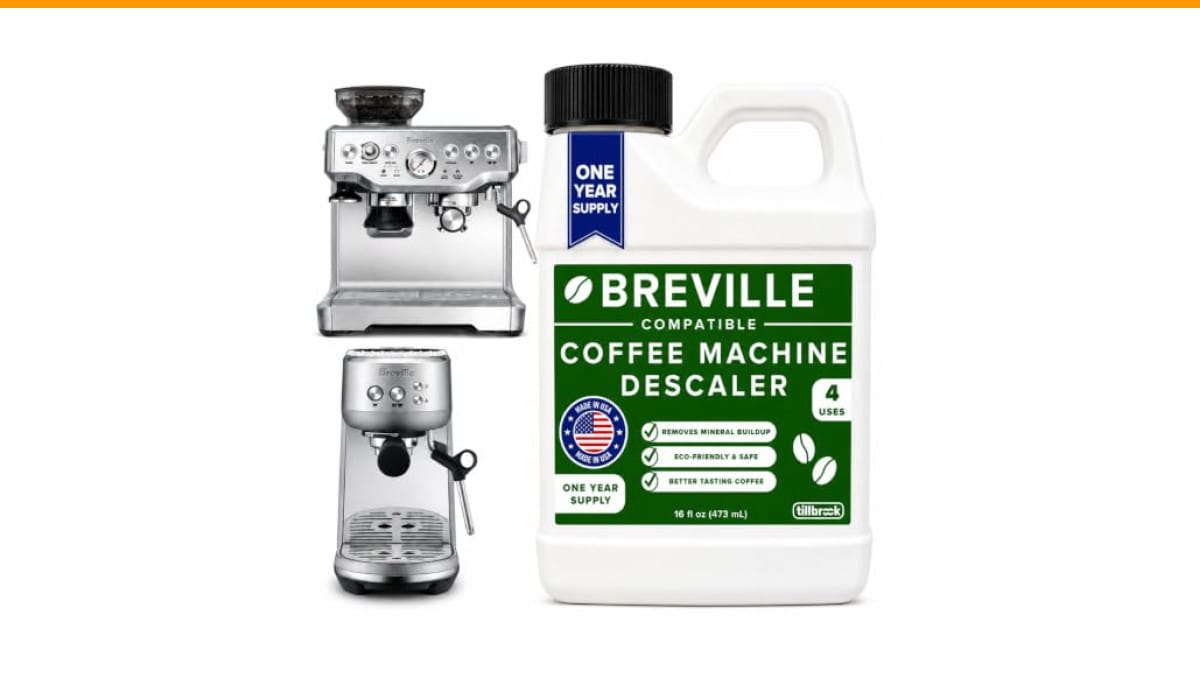
Breville Espresso Machine Compatible Descaler, 4 Uses,…
- EXCEPTIONAL RESULTS: Introducing Tillbrook Coffee Machine Descaler specifically formulated for Breville—the best choice for removi…
- 1 YEAR SUPPLY: Our concentrated formula is easy to use and provides remarkable value with 4 cleanings per bottle. Simply add 1/2 c…
- SCIENTIFICALLY ENGINEERED: Our advanced descaling solution is carefully crafted with powerful, all-natural ingredients that remove…
As an Amazon Associate I earn from qualifying purchases.
When it’s time to descale, a dedicated solution makes the job easier. The Tillbrook Breville Espresso Machine Descaler is formulated for Breville machines and most other brands too. One 16 oz bottle gives you four cleanings — about a year of descaling if you do it every three months. It uses all-natural ingredients, so you don’t have to worry about chemical residue ruining your next shot.
Why Your Machine Gets Dirty (And What Actually Happens)
Coffee oils are sticky. They cling to the group head, the portafilter, and the internal pipes. Every shot you pull deposits a thin film of oil that eventually turns rancid. That rancid oil is what makes your espresso taste bitter and dull, even with fresh beans.
Then there’s water hardness. If your tap water has calcium and magnesium, those minerals build up inside the boiler and heating element. A layer of scale acts like insulation — your machine has to work harder to heat water, uses more energy, and eventually the boiler can overheat and fail. Hard water scale is the number one cause of espresso machine breakdowns.
So maintenance isn’t just about taste. It’s about protecting a machine that probably cost you several hundred dollars. A little routine care beats a big repair bill every time.
Daily Routine: Five Minutes, Non-Negotiable
Think of this like brushing your teeth. You don’t skip it because you’re tired. Here’s the daily list:
- Flush the group head. Before pulling your first shot, run water through the group head for 3–5 seconds without the portafilter. This clears any stale coffee residue from the previous day.
- Wipe the group head and portafilter. After your last shot, wipe the group head gasket and the top of the portafilter with a dry cloth. Coffee oils accumulate fast — a quick wipe prevents buildup.
- Purge the steam wand. After steaming milk, wipe the wand with a damp cloth immediately. Then open the steam valve for a second to blow out any milk that got sucked back in. Milk residue is the fastest way to clog a steam wand.
- Empty and rinse the drip tray. Stale water in the drip tray grows mold and smells. Empty it daily.
That’s it. Five minutes total. If you pull multiple shots throughout the day, repeat the group head flush between shots — it takes seconds and keeps flavors clean.
Weekly Maintenance: Backflushing and Deep Cleaning
Once a week, you need to backflush. This pushes water and cleaning solution backward through the group head to remove oils from the internal pipes and solenoid valve. Machines with a three-way solenoid need this; even machines without one benefit from the routine.
Here’s the process for a standard home machine:
- Remove the portafilter basket and replace it with a blind basket (one with no holes).
- Add a small amount of espresso machine cleaning powder — about half a gram, roughly the size of a pea.
- Lock the portafilter into the group head.
- Start the brew cycle for 10 seconds, stop, wait 10 seconds, repeat. Do this about 5 times.
- Remove the portafilter, rinse it thoroughly, and run a few clean water cycles through the group head to flush out the cleaning solution.
Also soak the portafilter and basket in hot water with a drop of dish soap for 10 minutes. Scrub the basket with a small brush to remove stuck grounds. Dry everything completely before reassembling.
If your machine has a removable shower screen, take it off and soak it too. A clean shower screen means even water distribution, which means better extraction.
Monthly: Deeper Cleaning and Group Head Gasket Check
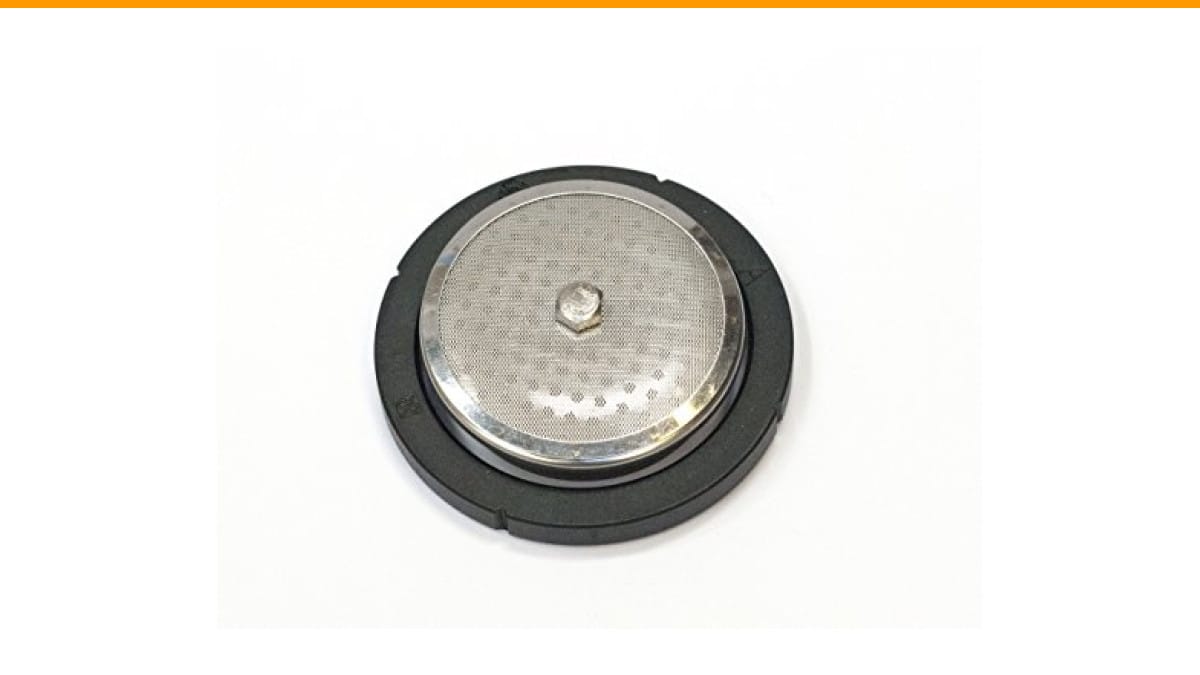
Once a month, inspect the group head gasket. This rubber ring creates a seal between the portafilter and the machine. Over time it hardens and cracks, causing leaks and pressure loss. If you see cracks or if the portafilter feels loose when locked in, replace the gasket. They cost under $15 and take two minutes to swap.
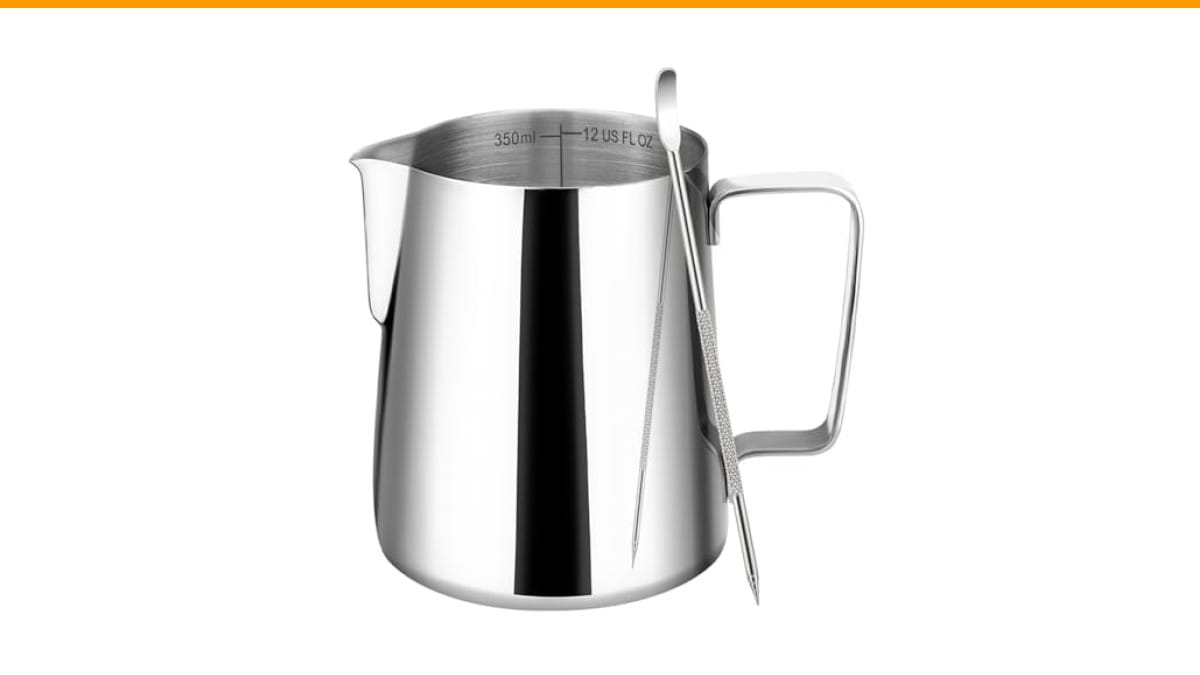
Also check the steam wand tip. Unscrew it and look inside for dried milk. Soak it in hot water with a little detergent if you see buildup. Some machines have a small pin tool to clear the steam holes — use that to keep the wand flowing freely.
For a full deep clean, including the internal water paths, follow our deep clean guide. That covers the steps for removing stubborn coffee oils and scaling from parts you can’t see.
Descaling: Every 3–4 Months (Or Sooner if Your Water Is Hard)
Descaling is the big one. This removes mineral scale from the boiler, heating element, and pipes. Skip it and your machine will eventually fail — not maybe, eventually. The heating element can overheat and burn out, or the solenoid valve can seize up.
How often you descale depends on your water. With soft water, every 4–6 months works. With hard water, do it every 2–3 months. A quick test: if you see white flakes in your drip tray or the steam wand sputters, scale is already building up.
Use a proper descaling solution rather than vinegar. Vinegar is acidic enough to damage rubber seals and gaskets, and it leaves a smell that lingers for weeks. A dedicated descaler like the Tillbrook descaler is formulated to dissolve scale without harming internal components. It works with Breville, DeLonghi, Gaggia, and most other brands.
Follow the manufacturer’s descaling procedure for your specific machine. The general steps:
- Mix the descaling solution with water according to the instructions.
- Pour it into the water reservoir.
- Run a brew cycle without coffee, letting the solution flow through the group head.
- Stop halfway and let the solution sit for 15–20 minutes to dissolve stubborn scale.
- Finish the cycle, then run 2–3 full reservoirs of clean water to rinse thoroughly.
Don’t skip the rinse step. Leftover descaling solution in the boiler will make your coffee taste metallic and can irritate your stomach. Rinse until you’re sure it’s gone.
For more details on the process, read our descaling guide — it covers the step-by-step for different machine types.
Comparing Maintenance Approaches: What Works Best
| Method | Frequency | Time Needed | Effectiveness | Cost |
|---|---|---|---|---|
| Daily flush and wipe | Every use | 2–5 minutes | Prevents oil buildup | Free |
| Weekly backflush | Once a week | 10 minutes | Removes internal oils | Cleaning powder: $10–15/year |
| Monthly gasket check | Once a month | 2 minutes | Prevents leaks and pressure loss | Replacement gasket: $10–15 |
| Descaling with dedicated solution | Every 3–4 months | 30–45 minutes | Removes mineral scale | Descaler: $15–25 per year |
| Descaling with vinegar | Every 3–4 months | 30–45 minutes | Works but risks seal damage | Cheap, but potential repair costs |
| Professional service | Every 1–2 years | Drop-off, 1–3 days | Full internal overhaul | $100–200 per visit |
The routine that works best is simple: daily wipes, weekly backflush, monthly gasket check, and descaling on schedule. Professional service is worth it for machines over five years old or if you notice performance issues that cleaning doesn’t fix.
Common Mistakes That Shorten Machine Life
People mess up maintenance in predictable ways. Here are the ones I see most often:
- Using vinegar to descale. It’s cheap and available, but acetic acid eats rubber. Over time, it degrades gaskets, o-rings, and the silicone tubes inside your machine. Use a proper descaler.
- Never backflushing. If your machine has a three-way solenoid, skipping backflushing means oils accumulate in the solenoid valve. That valve gets sticky, and suddenly your machine won’t build pressure properly. The fix is a $20 part plus labor — or you could just backflush weekly.
- Ignoring hard water. If you live in an area with hard water, use filtered or bottled water in your machine. A simple water filter pitcher removes most scale-causing minerals. Your machine will thank you.
- Not replacing the water filter. If your machine has a built-in water filter, replace it every 2–3 months. An old filter does nothing except harbor bacteria.
- Letting milk dry on the steam wand. Dried milk is nearly impossible to remove. It clogs the steam holes and can block the wand entirely. Wipe it immediately after use.
One more thing: don’t over-clean. Backflushing more than once a week is unnecessary unless you pull dozens of shots daily. The cleaning powder is mildly abrasive, and excessive use can wear down the shower screen and gasket.
How to Tell If Your Machine Needs Immediate Attention
Your machine will tell you when something’s wrong. Watch for these signs:
- Slow shot flow. If your shot takes 40 seconds instead of 25, scale or oil buildup is restricting water flow.
- Steam wand sputters. Milk residue or scale is partially blocking the wand.
- Unusual noises. A hissing or gurgling sound during heating could mean scale on the heating element. The element has to work harder, and it makes noise doing it.
- Water leaks from the group head. A worn gasket needs replacing.
- Weird taste. Sour, bitter, or metallic flavors that don’t change with different beans mean your machine needs a deep clean.
If you notice any of these, run a backflush first. If that doesn’t fix it, descale. If the problem persists, check the noise troubleshooting guide or the leak repair guide for specific fixes.
Frequently Asked Questions
How often should I descale my espresso machine?
Every 3–4 months for most home users. If you have hard water, shorten that to every 2 months. If you use filtered or bottled water, you can stretch it to 5–6 months. The descaling schedule matters less than using the right solution and following the full rinse cycle.
Can I use vinegar to descale my espresso machine?
Technically yes, but I don’t recommend it. Vinegar’s acidity damages rubber seals and gaskets over time, and the smell lingers in the water lines for weeks. A dedicated descaler is formulated to dissolve scale without harming components. It costs a few dollars more per year and saves you from premature seal replacement.
What’s the difference between backflushing and descaling?
Backflushing removes coffee oils and residue from the group head and internal pipes. Descaling removes mineral scale from the boiler and heating element. They solve different problems. Backflushing is weekly; descaling is every 3–4 months. You need both — one doesn’t replace the other.
My espresso machine is leaking from the group head. What should I do?
First, check the group head gasket. It’s a rubber ring that seals the portafilter to the machine. If it’s cracked, hardened, or flattened, replace it. Gaskets cost about $10–15 and are easy to swap. If the leak persists after replacing the gasket, the issue could be a worn shower screen or a problem with the solenoid valve — that’s a deeper repair.
Do I need to use filtered water in my espresso machine?
Not strictly, but it makes a big difference. Filtered water has fewer minerals, which means less scale buildup. That translates to fewer descaling cycles and a longer machine life. A basic pitcher filter removes most hardness. If you have very hard water, consider a countertop filter designed for coffee machines.
What to Remember When Your Machine Is Acting Up
Before you panic and book a repair, run through the basics. Flush the group head. Backflush with cleaner. Descale if it’s been more than three months. Check the gasket. Nine times out of ten, one of those steps fixes the problem.
If you’re comparing machines or thinking about upgrading, check our automatic vs semi-automatic comparison — the maintenance needs differ between them.
Here’s the short version of everything above:
- Flush the group head before and after every shot — 5 seconds of water prevents rancid oil buildup.
- Wipe the steam wand immediately after milk. Dried milk is the enemy.
- Backflush weekly with a blind basket and cleaning powder.
- Descale every 3–4 months with a proper descaler, not vinegar.
- Check the group head gasket monthly and replace it when cracked or hard.
- Use filtered water if your tap water is hard — it halves your descaling needs.
- Listen to your machine. Slow shots, sputtering steam, and weird noises mean it needs attention.
Maintenance isn’t glamorous, but it’s the difference between a machine that lasts five years and one that lasts fifteen. Your future self — and your morning coffee — will appreciate the effort.
Products related to this article
Sponsored / affiliate links. As an Amazon Associate I earn from qualifying purchases. I may earn additional commission from eligible campaigns.
 Coffee Espresso Machine Handle Replacement Parts, Cafe Bracket Handle for Lidl Silvercrest CM4621 CM4218 KF5002 KF500S Barista (for 51mm Portafilter Basket - Not included)
 Linnkyfloa Coffee Espresso Maker Handle Replacement for Stovetop Moka Pot or Percolator, Black Plastic for Spare Part Compatible with Italian(9-12 Cup)
 Wrenmor Replacement Handle For Coffee Espresso Moka Stove Pot, Black Plastic Accessory Compatible With 1/3/6/9/12 Cup Sizes For Easy Installation And Long-Lasting Use(1 Cup)