You’ve just pulled a perfect shot, and you knock the spent puck into the knock box. The portafilter is clean, but the knock box is a different story. Over a few days, old coffee grounds, oils, and moisture create a sticky, sour-smelling mess that can harbor mold and bacteria. If you’ve ever caught a whiff of your knock box and thought, “that’s not coffee,” you know the problem.
Sanitizing an espresso knock box isn’t just about wiping it down. It’s about removing the oils and residue that plain water can’t touch, and doing it on a schedule that keeps your coffee station clean and your espresso tasting fresh. This guide covers the why, the how, and the tools you need—from daily rinses to weekly deep cleans—so you can keep your knock box in top shape without overthinking it.

Auden Arctic
Coffee Knock Box, 4.6 in, Barista Style…
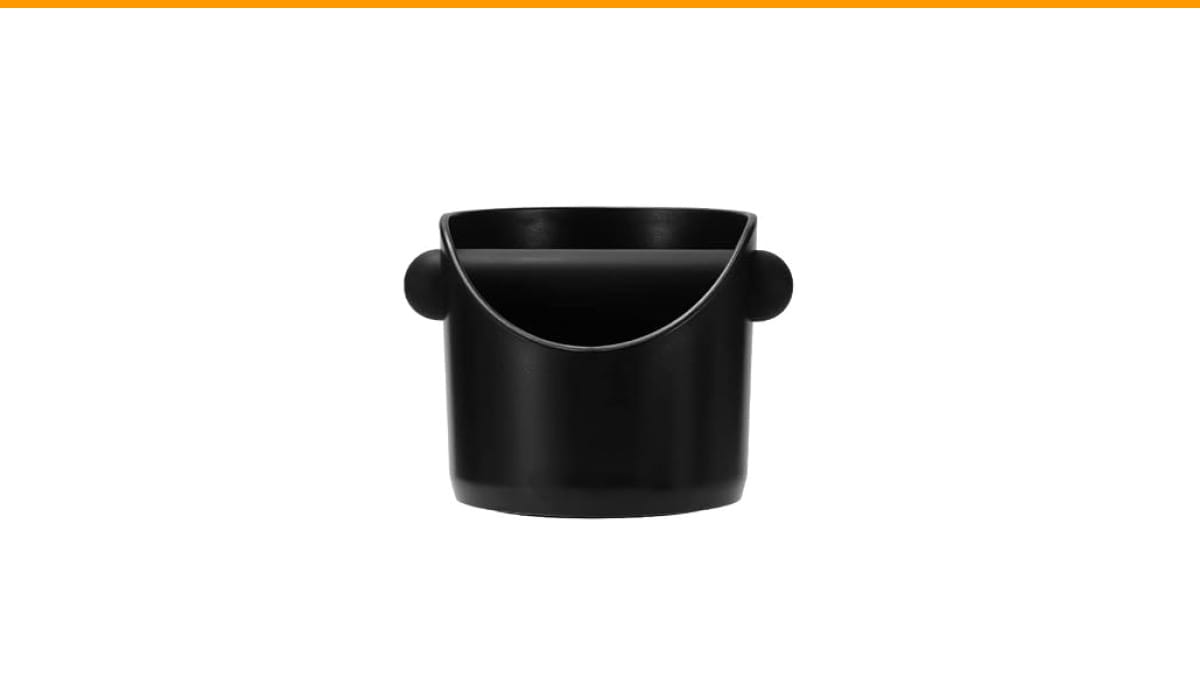
- Compact Design: This 4.6-inch barista-style knock box is perfect for collecting used espresso grounds from your espresso machine.
- Sturdy Construction: Made of heavy-duty plastic, the knock box features a non-slip base for stability.
- Removable Knock Rod: The included plastic knock rod allows for easy disposal of spent grounds.
As an Amazon Associate I earn from qualifying purchases.
If you’re starting fresh or upgrading, the Auden Arctic Coffee Knock Box makes the job easier. Its removable plastic knock rod and smooth interior mean fewer crevices for grime to hide, and the non-slip base keeps it steady while you knock. It’s a solid choice for home baristas who want a low-maintenance option.
Why a Knock Box Gets Dirty Faster Than You Think
Espresso grounds are oily. Coffee beans contain about 10–15% oil by weight, and those oils cling to plastic and metal surfaces. When you knock a hot, wet puck into the box, the heat and moisture create a film that mixes with old grounds. That film becomes a breeding ground for bacteria, mold, and fruit flies—especially in warm kitchens.
Most knock boxes are plastic, and plastic is porous at a microscopic level. Over time, oils seep into the surface, and a simple rinse won’t remove them. You’ll notice a rancid smell, a sticky residue, or dark stains that don’t wash off. That’s the signal for a deeper clean.
If you use a knock box daily, you should sanitize it at least once a week. If you live in a humid climate or leave used grounds sitting for more than a day, bump that up to twice a week. The goal is to break down the oils and kill the microbes before they multiply.
What You Need to Sanitize a Knock Box
You don’t need special chemicals. Most of what you need is already in your kitchen. Here’s a list of supplies that work well:
- Dish soap (any brand, but a degreasing formula works best)
- White vinegar or citric acid
- Baking soda for stubborn stains
- A soft sponge or brush (avoid steel wool on plastic—it scratches)
- Hot water (as hot as you can handle)
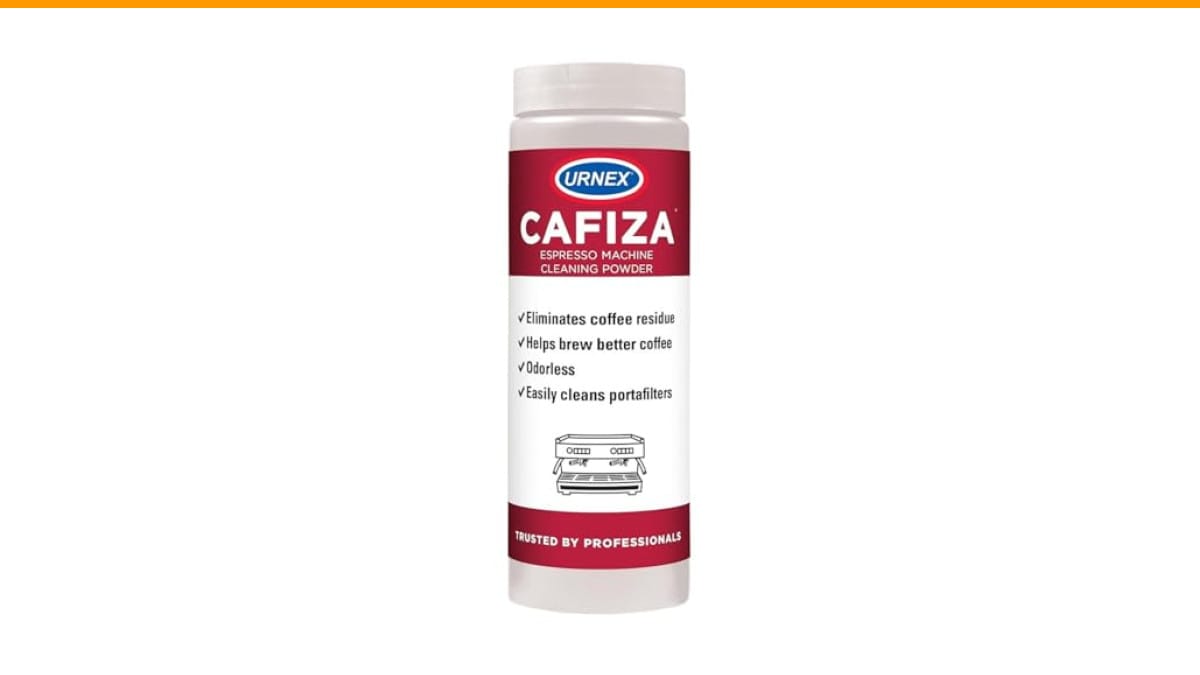
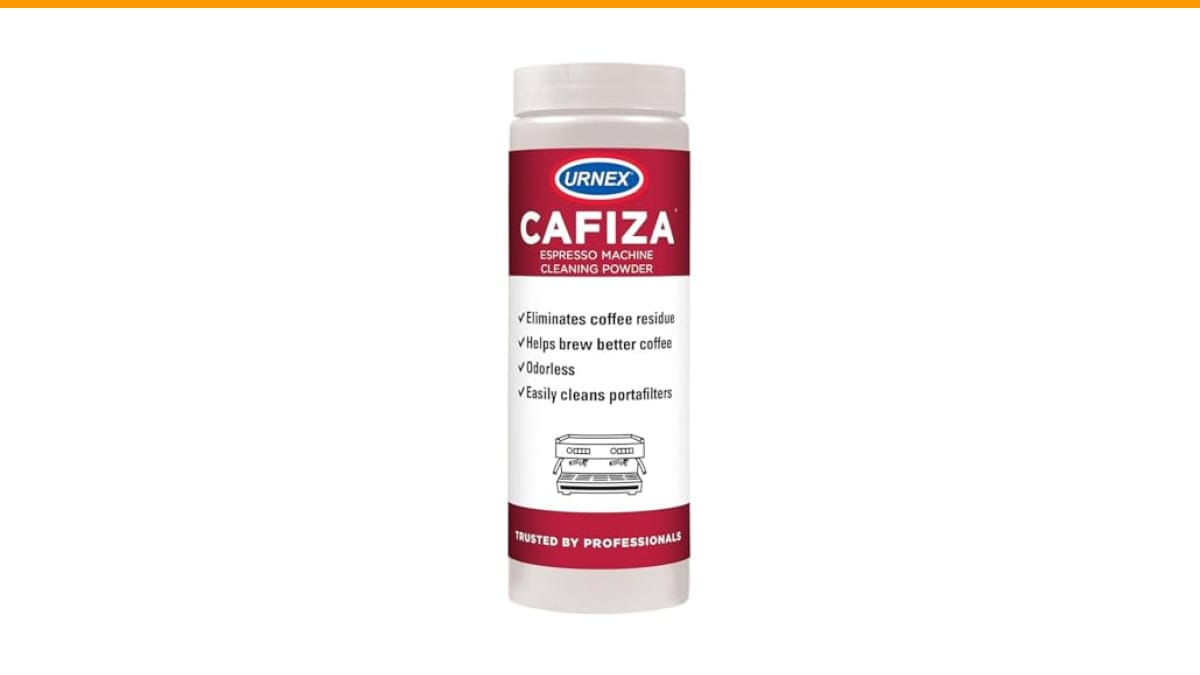
For a deeper clean, you can use a dedicated espresso machine cleaner like Cafiza, but it’s not required. A mix of vinegar and hot water does the job for most home setups. If you have a stainless steel knock box, you can use a mild abrasive, but for plastic, stick to gentle tools.
One thing I’ve learned from testing different knock boxes: the removable rod is a game-changer. The Auden Arctic model has a plastic rod you can pop out, which means you can clean the rod separately and reach every corner of the basin. That’s a feature worth looking for if you’re shopping.
Step-by-Step: How to Sanitize an Espresso Knock Box
Here’s a routine that takes about five minutes for a daily clean and 15 minutes for a weekly deep clean. Follow these steps in order.
Step 1: Empty the Knock Box Completely
Dump all the spent grounds into the trash or compost. Use a spatula or your fingers to scrape out any stuck clumps. If the grounds are dry and stuck, let the box soak in warm water for a few minutes first. Don’t skip this step—sanitizing a box full of old grounds is pointless.
Step 2: Rinse with Hot Water
Rinse the box under running hot water to remove loose particles. Hot water helps melt the coffee oils. If your tap water isn’t hot enough, boil water and let it cool slightly, then pour it into the box. Be careful—boiling water can warp thin plastic, so test with warm water first.
Step 3: Wash with Soap and Hot Water
Add a few drops of dish soap to the box and fill it with hot water. Use a sponge or brush to scrub the interior, focusing on the bottom and corners where oils collect. Pay special attention to the knock rod—it’s the most contact-heavy part. If your rod is removable, take it out and wash it separately.
For a weekly deep clean, add a cup of white vinegar to the soapy water and let it sit for 10 minutes. Vinegar breaks down coffee oils and neutralizes odors. After soaking, scrub again and rinse thoroughly.
Step 4: Tackle Stubborn Stains with Baking Soda
If you see brown stains that won’t come off, make a paste of baking soda and water. Apply it to the stains with a sponge and scrub gently. Baking soda is mildly abrasive, so it won’t scratch plastic. Rinse well after scrubbing. This is also the step that removes lingering odors—baking soda absorbs smells.
Step 5: Sanitize with a Vinegar Solution
For the final sanitizing step, mix one part white vinegar with three parts water. Pour it into the box and swish it around, making sure the solution touches every surface, including the rod and the underside of the lid. Let it sit for 5 minutes, then rinse with hot water. Vinegar is a natural disinfectant that kills most bacteria and mold spores.
If you prefer a commercial sanitizer, use a food-safe cleaner like Cafiza, but follow the label instructions for dilution. Vinegar is cheaper and works just as well for home use.
Step 6: Dry Thoroughly
Shake off excess water and dry the box with a clean towel, or let it air dry upside down on a dish rack. Don’t put a plastic knock box in the dishwasher unless the manufacturer says it’s safe—the heat can warp the plastic. The Auden Arctic model is hand-wash only, which is typical for plastic knock boxes.
Make sure the box is completely dry before you put it back on your counter. Moisture is what causes mold growth, so drying is just as important as cleaning.
Daily vs. Weekly Sanitizing: What’s the Difference?
You don’t need to do a full vinegar soak every day. A quick daily rinse keeps things manageable and prevents buildup. Here’s a comparison of the two routines:
| Frequency | What to Do | Time Needed | Best For |
|---|---|---|---|
| Daily | Empty grounds, rinse with hot water, wipe with a soapy sponge, dry. | 2–3 minutes | Preventing oil buildup and odors |
| Weekly | Empty, soak in soapy vinegar water, scrub, sanitize, dry. | 10–15 minutes | Deep cleaning and killing bacteria |
| Monthly | Baking soda paste scrub, full vinegar soak, check for cracks or wear. | 20 minutes | Removing stubborn stains and extending lifespan |
If you use your knock box only a few times a week, you can skip the daily rinse and just do a weekly clean. The key is to never let wet grounds sit for more than a day. I’ve left a knock box alone for a week in summer, and the mold was unmistakable—green spots on the plastic. Don’t make that mistake.
Common Mistakes to Avoid When Sanitizing
Even with the best intentions, people make errors that reduce the effectiveness of cleaning. Here are the most frequent ones I see:
- Using cold water: Cold water doesn’t break down coffee oils. Always use hot water, but not boiling on plastic.
- Scrubbing with steel wool: Steel wool scratches plastic, creating tiny grooves where bacteria hide. Use a non-abrasive sponge.
- Putting the knock box in the dishwasher: Dishwasher heat can warp plastic and damage the non-slip base. Hand wash only.
- Forgetting the rod: The knock rod is the dirtiest part. If it’s removable, take it out and clean it every time.
- Skipping the drying step: A wet knock box is a mold farm. Dry it completely before storing.
Avoid these, and your knock box will stay fresh for years. If you notice a persistent odor even after cleaning, try a longer vinegar soak—up to 30 minutes—or replace the box if the plastic has become porous.
How to Sanitize Different Types of Knock Boxes
The steps above work for most knock boxes, but there are slight differences based on material and design.
Plastic Knock Boxes
Plastic is the most common material. It’s lightweight and cheap, but it absorbs odors over time. Use the vinegar soak weekly. Avoid harsh chemicals like bleach, which can discolor plastic. The Auden Arctic model is a good example of a plastic knock box done right—the smooth interior and removable rod make cleaning straightforward.
Stainless Steel Knock Boxes
Stainless steel is more durable and doesn’t absorb odors, but it shows water spots and fingerprints. You can use a mild stainless steel cleaner after washing. The same vinegar solution works, but you don’t need to soak as long—5 minutes is enough. Dry immediately to prevent water spots.
Knock Boxes with Rubber or Silicone Parts
Some knock boxes have rubber bases or silicone liners to reduce noise. These parts can trap moisture. Remove them if possible and wash separately. Silicone can be boiled to sanitize, but check the manufacturer’s instructions first.
If you’re using a knock box with a lid, make sure to clean the underside of the lid. It’s easy to forget, but it collects condensation and grounds splatter.
Frequently Asked Questions
Can I use bleach to sanitize my knock box?
You can, but you shouldn’t. Bleach is harsh and can leave a chemical residue that’s hard to rinse completely. It can also discolor plastic and damage rubber parts. Vinegar or a food-safe sanitizer is safer and just as effective for home use.
How often should I sanitize my knock box?
At minimum, once a week. If you use it daily or live in a humid environment, do a quick rinse every day and a full sanitize every 3–4 days. The goal is to prevent oil buildup and mold before they start.
Can I put my knock box in the dishwasher?
Only if the manufacturer explicitly says it’s dishwasher safe. Most plastic knock boxes, including the Auden Arctic, are not. The heat can warp the plastic and ruin the non-slip base. Hand washing takes two minutes—just do that.
What’s the best way to remove coffee stains from a plastic knock box?
Make a paste of baking soda and water, apply it to the stains, and scrub gently with a sponge. Let it sit for 5 minutes before rinsing. For heavy stains, add a little white vinegar to the paste to boost the cleaning power.
Do I need to sanitize the knock rod separately?
Yes. The rod is the part that touches your portafilter, so it gets the most contact with wet grounds. If it’s removable, take it out and wash it with soap and hot water each time. If it’s fixed, scrub it thoroughly with a brush.
What You Can Do Right Now to Keep Your Knock Box Clean
You don’t need to wait for a deep-cleaning day to make a difference. Here are a few habits that take seconds but keep your knock box fresh:
- Empty the knock box after every espresso session—never leave grounds overnight.
- Rinse the basin with hot water immediately after emptying, even if you don’t soap it.
- Keep a small brush or sponge dedicated to the knock box near your station.
- Wipe the outside of the box with a damp cloth to remove coffee splatter.
- Set a weekly reminder on your phone to do the full vinegar soak.
- Check the knock rod for cracks or wear—replace it if it becomes rough.
Sanitizing an espresso knock box is a small task, but it has a big impact on your coffee’s taste and your kitchen’s hygiene. A clean knock box means no rancid smells, no mold, and no off-flavors in your next shot. Spend five minutes a week, and you’ll never have to deal with a gross knock box again.
If you’re in the market for a new one, the Auden Arctic knock box is a solid pick. It’s compact, easy to clean, and the removable rod makes sanitizing a breeze. Check the current price on Amazon if you’re interested.
Products related to this article
Sponsored / affiliate links. As an Amazon Associate I earn from qualifying purchases. I may earn additional commission from eligible campaigns.
 Coffee Espresso Machine Handle Replacement Parts, Cafe Bracket Handle for Lidl Silvercrest CM4621 CM4218 KF5002 KF500S Barista (for 51mm Portafilter Basket - Not included)
 MIBOTE Silicone Cooking Kitchen Utensils Set, Wooden Handle, Coffee
 Linnkyfloa Coffee Espresso Maker Handle Replacement for Stovetop Moka Pot or Percolator, Black Plastic for Spare Part Compatible with Italian(9-12 Cup)