You’ve done everything right. You ground fresh beans, heated the water to the right temperature, and then it happens. You lift the basket and the bottom of the filter gives out, sending a torrent of muddy coffee grounds into your mug. That moment of frustration is why you’re here.
This guide walks through the exact reasons paper filters tear and the steps to prevent it. You’ll get specific numbers on water temperature, grind size, and handling techniques. The goal is a clean, sediment-free cup every single time, without the mess.

Acshio
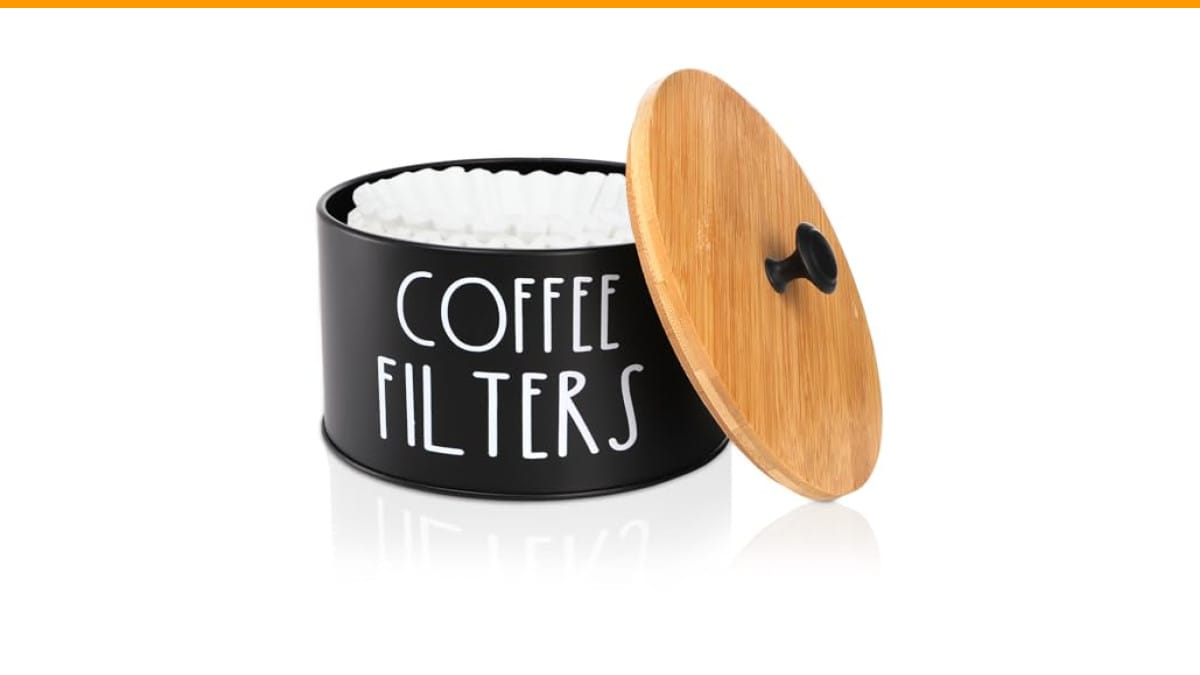
Acshio Coffee Filter Holder with Lid, Metal…
- Attractive Appearance: Our coffee filter holder is made of metal, topped with a bamboo lid. Elegant and practical design, which cr…
- Product Details: The coffee filter storage basket measures 6"D x 3.5"H. This size is perfect for most common size filter papers.Th…
- Easy to Use: The top of the bamboo lid is designed with a metal handle, which adds aesthetic appeal and makes it easy to open, mor…
As an Amazon Associate I earn from qualifying purchases.
Keeping your filters dry and shaped correctly is half the battle. A simple storage solution, like the Acshio Coffee Filter Holder with Lid, can make a real difference by preventing accidental crumples and moisture damage before you even start brewing.
Why Does My Coffee Filter Keep Tearing?
Most tears don’t happen during the brew. They happen before the water even touches the grounds. The biggest culprit is rough handling. Paper filters, especially natural brown ones, are fragile when dry. Fumbling with a flimsy sheet while your hands are still wet from rinsing the carafe is a recipe for disaster.
Another common cause is the filter not seating properly in the brewer. If the seam of a cone filter is folded over or the filter is pushed down too hard into a flat-bottom basket, it creates stress points. When hot water hits that stressed paper, it expands unevenly and splits.
Finally, the grind itself can be the saboteur. An extremely fine grind, like what you’d use for espresso, can create a paste that clogs the pores of the paper. This slows down the flow so much that the water pools on top. The weight of that backed-up water increases pressure on the filter walls, eventually causing a blowout.
The Right Way to Handle and Seat a Paper Filter
Start with dry hands. This sounds basic, but it’s the most effective fix. Wet paper loses its structural integrity almost instantly. If you just washed your hands, dry them completely before pulling a filter from the stack.
When you place the filter in the brewer, pay attention to the seams. For cone filters, fold the seam line flat against the side of the cone. Don’t force it into a shape it doesn’t want to take. For flat-bottom filters, open the filter so the bottom sits flush against the basket. The sides should flare out naturally without folding over.
One technique that works well is to rinse the filter with hot water *after* it is seated. This serves two purposes: it warms up the brewer and removes any papery taste. But don’t soak it. A quick, even pour around the rim is enough. Let it drain for a few seconds before adding your grounds.
How Grind Size and Water Temperature Affect Filter Integrity
Grind size isn’t just about flavor extraction; it’s a structural concern. For pour-over methods, you want a medium grind, similar to sea salt. If your grounds look like powdered sugar, they are too fine. That fine material will migrate to the filter bottom and seal it off.
Here is a quick reference for how grind size impacts the brew:
| Brew Method | Grind Size | Risk to Filter |
|---|---|---|
| French Press | Coarse (no filter used) | N/A |
| Pour-Over (V60) | Medium-Fine | Low, if water is not poured too aggressively |
| Drip Machine | Medium | Low |
| AeroPress | Fine | High, if paper gets folded during insertion |
Water temperature also plays a part. Boiling water at 212°F (100°C) is too hot. It breaks down the paper fibers faster than a temperature between 195°F and 205°F (90°C to 96°C). If you don’t have a gooseneck kettle with a thermometer, let the kettle sit for 30 seconds after it boils before pouring.
Another factor is pouring technique. Don’t pour directly onto the filter paper. Aim for the center of the coffee bed and pour in a spiral motion. A direct jet of water hitting the side wall of the paper is a sure way to weaken it over the course of a brew.
Storage: The Overlooked Cause of Weak Filters
Filters sitting in a cabinet absorb humidity. Over time, this moisture cycles through the paper, weakening the fibers. A filter that feels soft or slightly damp is already compromised. It will tear the moment you try to flex it into the brewer.
Keep your filters in a sealed container. The Acshio coffee filter holder is a good option here because the bamboo lid creates a seal against dust and moisture. It also stops the filters from being crushed under a bag of beans in the pantry.
If you buy filters in bulk, don’t store them in the paper bag they came in. Transfer them to a hard-sided container. This prevents the edges from getting bent or creased. A crease in the paper is a structural fault line that will split under pressure.
It takes about a minute to transfer filters to a proper container. That one minute saves you from the five-minute cleanup of a failed brew.
What To Do When a Filter Tears Mid-Brew
Even with perfect technique, it happens. If you see the flow slow to a drip and then stop, you have a clog. Don’t stir the slurry aggressively. That often pushes grounds through the paper or tears it. Instead, give the brewer a gentle swirl to settle the bed.
If the filter does rip and you see grounds in the carafe, you have two choices. You can pour the coffee through a fresh filter into another carafe to catch the sediment. Or, you can accept the cup as is. The second option is fine if the tear is small and only a few fines escaped.
It is worth mentioning that a filter holder like the Acshio storage basket won’t fix a bad grind. But it will ensure your filters are in good shape before you start. It’s a simple step that removes one variable from the equation.
Frequently Asked Questions
Does wetting the filter weaken it?
Yes, it does. Wet paper is much weaker than dry paper. That’s why you should never pre-wet a filter before placing it in the brewer. Place it in the basket first, then rinse it.
Can I use a metal filter instead of paper?
You can. A metal filter eliminates tearing entirely. However, it lets more oils and fine particles through, which changes the mouthfeel and flavor profile. Paper filters give you a cleaner, brighter cup.
Why does my filter tear at the bottom seam?
The bottom seam is where the paper is glued or pressed together. It is inherently weaker than the rest of the sheet. If you fold the filter aggressively or use water that is too hot, the seam will be the first place to fail.
Does the brand of filter matter for durability?
Yes. Some brands use thicker paper than others. Natural unbleached filters tend to be slightly more durable than bleached ones. If you have frequent tears, try a different brand to see if the paper weight is the issue.
Can I double up on filters to prevent tearing?
You can, but it slows down the brew significantly. The water has to pass through two layers of paper, which increases drawdown time. That can lead to over-extraction and a bitter taste. It is better to fix the grind size than to double up.
Takeaways to Keep Your Filter Intact
- Always dry your hands before touching a paper filter.
- Seat the filter in the brewer before you rinse it with hot water.
- Use a medium grind, not a fine powder, for drip and pour-over methods.
- Keep water temperature between 195°F and 205°F (90°C to 96°C).
- Pour in a spiral, aiming for the grounds, not the paper walls.
- Store filters in an airtight, hard-sided container to prevent moisture damage.
- Replace any filter that has a visible crease or fold before brewing.
Products related to this article
Sponsored / affiliate links. As an Amazon Associate I earn from qualifying purchases. I may earn additional commission from eligible campaigns.