You just pulled a great shot, wiped the counter, and now the machine sits there, warm and quiet. But if you’re not using it for a week, a month, or longer, just leaving it out invites trouble. Stale coffee oils turn rancid, residual water breeds mold, and dust settles into the group head. I’ve seen machines come back from storage with a bitter, sour taste that no amount of backflushing can fix.
This guide covers the exact steps to store a semi automatic espresso machine safely, whether it’s overnight, for a vacation, or for a long-term move. You’ll learn what to clean, what to dry, and what to cover. You’ll also know what not to do, like leaving the portafilter locked in or storing it with wet internals. By the end, you’ll have a simple checklist that takes less than 15 minutes and protects your investment for years.

EiiJugaloo
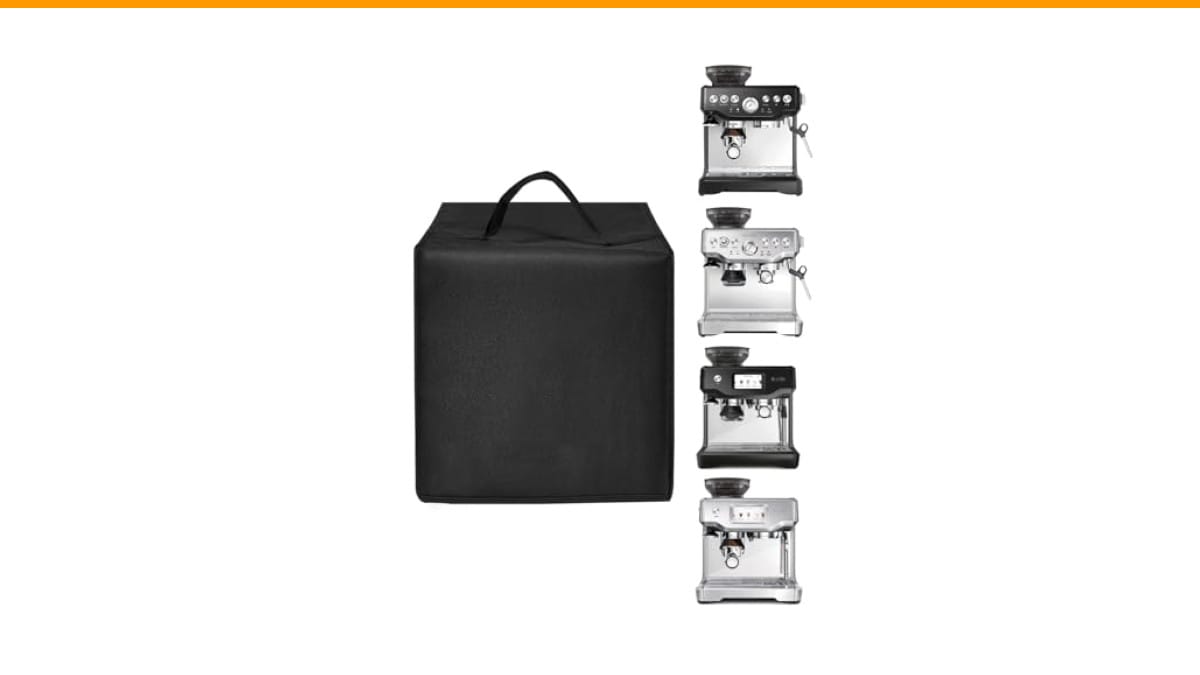
Espresso Machine Cover for BES870XL/ BES880BSS/BES876BSS Coffee…
- Coffee Maker Cover size:15.8"W x 15.4"D x 15.8"H (40x39x40cm),cover compatible with Express Espresso Maker BES870XL/BES870BSXL/BES…
- Waterproof Nylon: Cover made of durable heavy duty 600D nylon, it is waterproof, scratch resistant and anti-static; it provides re…
- Kitchen Protective Cover:Keep the kitchen and dining room clean; avoid the trouble of dust, oil smoke and cooking steam; prolong t…
As an Amazon Associate I earn from qualifying purchases.
coffee machine maintenance is half the battle, but proper storage is the other half. Most people skip the drying step, and that’s where the problems start.
One practical helper: a fitted cover like the Espresso Machine Cover for BES870XL/ BES880BSS/BES876BSS Coffee Maker from EiiJugaloo. It’s a waterproof 600D nylon cover that keeps dust, oil smoke, and cooking steam off the machine when it’s parked. The bottom stays open for airflow, so moisture doesn’t get trapped underneath. It’s not essential for overnight, but for weekly or monthly storage, it beats a dish towel every time.
Why Storage Is Different From Daily Use
Daily use means the machine gets hot, flushed, and used again. Storage means the machine sits idle, and that changes everything. Water left in the boiler or lines can grow bacteria or leave mineral scale. Coffee oils left in the group head oxidize and turn bitter. Dust settles on the warming tray and gets into the hopper if it’s open.
Heat is your friend during use because it kills most microbes. When the machine is off and cold, that protection disappears. So the first rule of storage is: clean it like you’re about to sell it, not like you’re about to pull another shot.
Think of it like a cast iron skillet. You wouldn’t wash it and leave it wet in the sink. You dry it, oil it, and put it away. An espresso machine has similar needs, just with more parts.
Step-by-Step: How to Store a Semi Automatic Espresso Machine
1. Empty and Clean the Water Tank
Remove the water tank and dump any remaining water. Wash it with warm soapy water, rinse, and dry it completely with a clean cloth. Don’t put it back wet. If you store the machine with a damp tank, you’re inviting mold in a place you can’t see.
For long-term storage (over 2 weeks), consider leaving the tank off the machine. It lets air circulate inside the reservoir compartment and prevents any hidden moisture from condensing.
2. Backflush With a Cleaning Tablet
If you have a backflushing disc, use it with a blind basket and a small amount of espresso cleaner. Run a few backflush cycles to remove coffee oils from the group head and the three-way valve. This is the single most important step for flavor preservation. Skipping it means the next shot will taste like the last one, but stale.
Don’t use detergent that isn’t made for espresso machines. Dish soap leaves residues that foam up later. Use a dedicated espresso cleaner like Cafiza or similar. Follow the manufacturer’s instructions for your specific model.
3. Flush the Group Head and Steam Wand
After backflushing, run plain water through the group head for about 10 seconds. This rinses out any remaining cleaner. Then purge the steam wand for 5 seconds to clear milk residue and water from the wand. Wipe the wand with a damp cloth, then dry it thoroughly.
Milk residue is a silent killer. It dries into a crust that harbors bacteria and clogs the steam tip. If you’ve steamed milk, always purge and wipe the wand before storage, even overnight.
4. Remove the Portafilter and Basket
Take the portafilter out of the group head and remove the basket. Wash both in warm soapy water, rinse, and dry completely. Do not put them back in the machine. Leave them out, either on a towel or in a drawer. Leaving the portafilter locked in place traps moisture inside the group head and can cause rust on the ears of the portafilter and the group gasket.
Some people store the portafilter in the machine to keep it from getting lost. That’s fine for a day or two, but for longer storage, it’s a mistake. The gasket stays compressed and loses its shape, which leads to leaks later.
5. Dry the Drip Tray and Grid
Empty the drip tray, wash it with soap and water, and dry it completely. The same goes for the plastic grid on top. If you store the machine with a wet drip tray, you’ll find a slimy film on the metal parts within a week.
For long-term storage, leave the drip tray off the machine. It allows air to reach the bottom and prevents any residual water from sitting against the metal frame.
6. Descaling (Only If Needed)
If your machine has hard water and you haven’t descaled in a while, do it before storage. Mineral scale left in the boiler can harden and become more difficult to remove later. Follow the manufacturer’s descaling procedure, then run several fresh water rinses to flush out all the descaler.
If you’ve descaled within the last month, skip this step. Descaling too often can wear out seals and gaskets. Only do it if the machine has visible scale or if you’ve been using hard water without a filter.
7. Cover It Properly
Once the machine is clean and dry, cover it. A dedicated espresso machine cover is best because it fits snugly and protects against dust, grease, and scratches. The EiiJugaloo cover mentioned earlier is a good option for Breville models like the BES870XL, BES880BSS, and BES876BSS. It’s made of waterproof 600D nylon, so it handles kitchen steam and accidental splashes. The bottom opening lets air circulate, which prevents condensation from building up inside.
If you don’t have a cover, use a clean cotton cloth. Avoid plastic bags or plastic wrap. Plastic traps moisture and can cause rust on metal surfaces. A breathable fabric is always better.
8. Store in a Dry, Stable Place
Keep the machine away from direct sunlight, heat sources, and high humidity. A corner of the kitchen counter is fine, but if you’re storing it in a garage or basement, make sure the area is dry. Temperature swings can cause condensation inside the machine, which is worse than dust.
If you’re storing it for more than a month, unplug it and wrap the cord neatly. Don’t leave the cord dangling where it can get pulled or damaged.
Short-Term vs. Long-Term Storage: What Changes
Overnight storage is simple: just wipe the steam wand, empty the drip tray, and leave the portafilter in. A week-long vacation requires the full cleaning routine but you can leave the tank on. Anything over two weeks means you should remove the tank and drip tray, and consider storing the machine in a cabinet or pantry to keep dust off.
The table below summarizes the differences so you know exactly what to do for each situation.
| Storage Duration | Cleaning Required | Water Tank | Portafilter | Cover Needed? |
|---|---|---|---|---|
| Overnight (1-2 days) | Wipe steam wand, empty drip tray | Leave in place | Locked in group | No, but a light cloth is fine |
| Short-term (3-14 days) | Backflush, clean group, wipe exterior | Empty and dry | Remove and store separately | Yes, a fitted cover or cloth |
| Long-term (2+ weeks) | Full cleaning including descaling if needed | Remove and store separately | Remove and store separately | Yes, a waterproof cover is recommended |
Notice that the longer the storage, the more you strip the machine down. That’s intentional. Fewer parts left in place means fewer places for moisture to hide.
For long-term storage, I also recommend putting a small silica gel packet inside the machine cavity if it’s accessible. It absorbs any residual humidity. Just make sure it doesn’t touch any electrical components.
Common Mistakes People Make When Storing Espresso Machines
I’ve seen people store their machines in all sorts of ways, and the same mistakes keep coming up.
- Storing it wet. The biggest mistake. Any water left in the system will cause mold or mineral buildup. Dry everything, including the inside of the water tank compartment.
- Leaving the portafilter locked in. This compresses the group gasket and can cause leaks. Remove it for anything longer than a day.
- Using plastic wrap or a plastic bag. These trap moisture. Use a breathable fabric cover.
- Forgetting the steam wand. Milk residue dries hard and is tough to remove later. Always purge and wipe the wand before storage.
- Storing in a humid area. A bathroom or a laundry room is a bad spot. Humidity causes rust on the chassis and internal parts.
If you’ve already made one of these mistakes, don’t panic. Most issues are fixable. A thorough cleaning and drying cycle usually resolves mold and stale odors. If you have rust on the exterior, a gentle metal polish can help, but avoid getting it on plastic parts.
How to Prepare the Machine for Moving or Shipping
Moving is a different beast. You need to protect the machine from physical damage, not just dust. If you’re moving across town or across the country, follow these steps:
- Empty the water tank and drip tray completely. Dry them.
- Remove the portafilter, basket, and any accessories. Wrap them separately in bubble wrap.
- Use the original box if you still have it. If not, use a sturdy cardboard box with plenty of packing foam or bubble wrap.
- Place the machine in a plastic bag to prevent any moisture from getting in during transit. But only for the move—not for long-term storage.
- Seal the box and label it as fragile. If you’re shipping, add extra padding on all sides.
When you arrive, let the machine sit for a few hours to reach room temperature before plugging it in. If it’s been in a cold truck, condensation can form inside. Give it time to equalize.
If you’re moving to a new place, check out our guide on deep cleaning a coffee machine before you start using it again. That will get rid of any dust or debris that settled during the move.
Frequently Asked Questions
Can I store my espresso machine with water in the boiler?
No. Always drain the boiler if your machine has a drain valve. If it doesn’t, run a few shots to empty the boiler as much as possible. Water left in the boiler can cause scale buildup and, in freezing temperatures, it can crack the boiler. If you’re storing in a cold garage, it’s especially important to empty it.
Should I leave the portafilter in the group head during storage?
No, not for more than a day. The portafilter keeps the group gasket compressed, which can cause it to lose its shape and leak later. Remove it and store it separately.
How often should I descale before storage?
Only if you have hard water or if you’ve never descaled. Descaling too often can damage seals. If you’ve descaled within the last month, skip it. If you’re unsure, do a quick descale before long-term storage to prevent scale from hardening.
Can I use a regular cloth to cover the machine?
Yes, a clean cotton cloth works for short-term storage. But for long-term, a fitted cover is better because it stays in place and offers more protection. A cloth can slip off and leave the machine exposed. The EiiJugaloo cover is a good choice if you want something that fits snugly and repels water.
Is it okay to store the machine in a cabinet or pantry?
Yes, as long as the area is dry and free of temperature swings. Avoid cabinets near the stove or dishwasher, where heat and humidity are high. A pantry or a dry closet is fine.
What to Do When You Take It Out of Storage
When you’re ready to use the machine again, don’t just plug it in and pull a shot. Run a few water flushes through the group head and steam wand to clear out any stale water. Wipe the exterior with a damp cloth. If you stored it with a cover, give it a quick dusting.
If you stored it for more than a month, run a backflush cycle with plain water (no cleaner) to dislodge any dust that may have settled in the group head. Then pull a shot and toss it. The second shot is usually fine.
If you notice any off-taste or low flow, you may need to descale or clean the group head more thoroughly. Check out our guide on descaling your coffee machine at home for step-by-step instructions.
Final Storage Checklist
- Empty and dry the water tank.
- Backflush with espresso cleaner and rinse.
- Purge and wipe the steam wand.
- Remove the portafilter and basket, wash and dry them.
- Empty and dry the drip tray.
- Descale only if needed.
- Cover with a breathable, waterproof cover.
- Store in a dry, stable room.
- Unplug and wrap the cord.
- For moves, use the original box or a padded box.
Storing a semi automatic espresso machine correctly takes about 15 minutes. That’s a small price for avoiding a $300 repair or a bitter first shot. You’ll thank yourself the next time you pull a clean, fresh-tasting espresso.
If you’re comparing machine types, check out our breakdown of automatic vs. semi-automatic espresso machines to see which storage needs are different. And if you’re dealing with a machine that’s leaking or making noise, our guides on leaking water and loud noises can help before you store it away for good.
Products related to this article
Sponsored / affiliate links. As an Amazon Associate I earn from qualifying purchases. I may earn additional commission from eligible campaigns.
 Coffee Espresso Machine Handle Replacement Parts, Cafe Bracket Handle for Lidl Silvercrest CM4621 CM4218 KF5002 KF500S Barista (for 51mm Portafilter Basket - Not included)
 MRS. MEYER'S CLEAN DAY Automatic Dishwasher Pods, Lavender, 20 Count - Pack of 3 (60 Total Pods)
 Belly Moka Coffee Maker Stovetop Espresso Maker 9 Cup Aluminum Moka Pot Percolator 15oz 450ml Easy Brewing for Electric Ceramic Stoves Home Camping Italian Cuban Café Classic Black