You pour your morning cup, take a sip, and something tastes off. Bitter, flat, or just weird. The machine is clean — you rinse the carafe, wipe the drip tray. But the inside? That’s where the problem hides. Scale and mineral deposits build up over months, and they don’t just ruin flavor. They make your brewer work harder and die younger.
Most people skip descaling because they’re not sure how to do it. They worry about breaking the machine or messing up the process. That’s fair. But once you understand the basic steps, it’s a ten-minute job you’ll do every few months without thinking. This guide walks through exactly how to use coffee machine descaler, what to avoid, and how often you actually need it.

IMPRESA
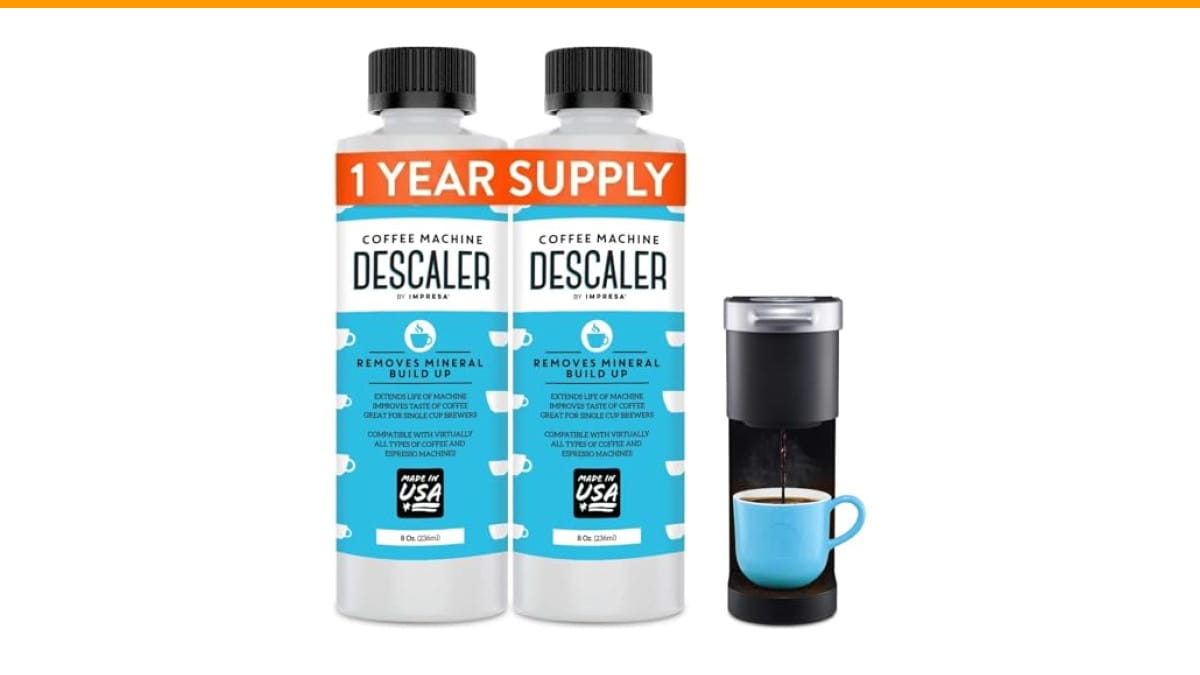
IMPRESA Coffee Machine Descaler, 2-Pack (1-Year Supply)…
- 2-Pack Coffee Descaler and Cleaner - Clean and rinse away residue and oil buildup in your coffee maker with Impresa's Coffee Desca…
- Highly Effective, Made in USA Formula - Unlike most common solutions, our coffee machine cleaner uses just 4 ounces (1/2 bottle) p…
- Preserves Your Machine - Using a coffee descaling solution eliminates limescale and mineral build-up to prevent corrosion, signifi…
As an Amazon Associate I earn from qualifying purchases.
If you’re starting from zero, grab a reliable solution like the IMPRESA Coffee Machine Descaler. It’s a two-bottle pack that covers four descaling sessions, which translates to more than a year of routine maintenance for most households. It works with Keurig, Breville, Nespresso, and just about any other single-serve or drip brewer you own.
Let’s break down the process.
The Right Way to Prep Your Machine
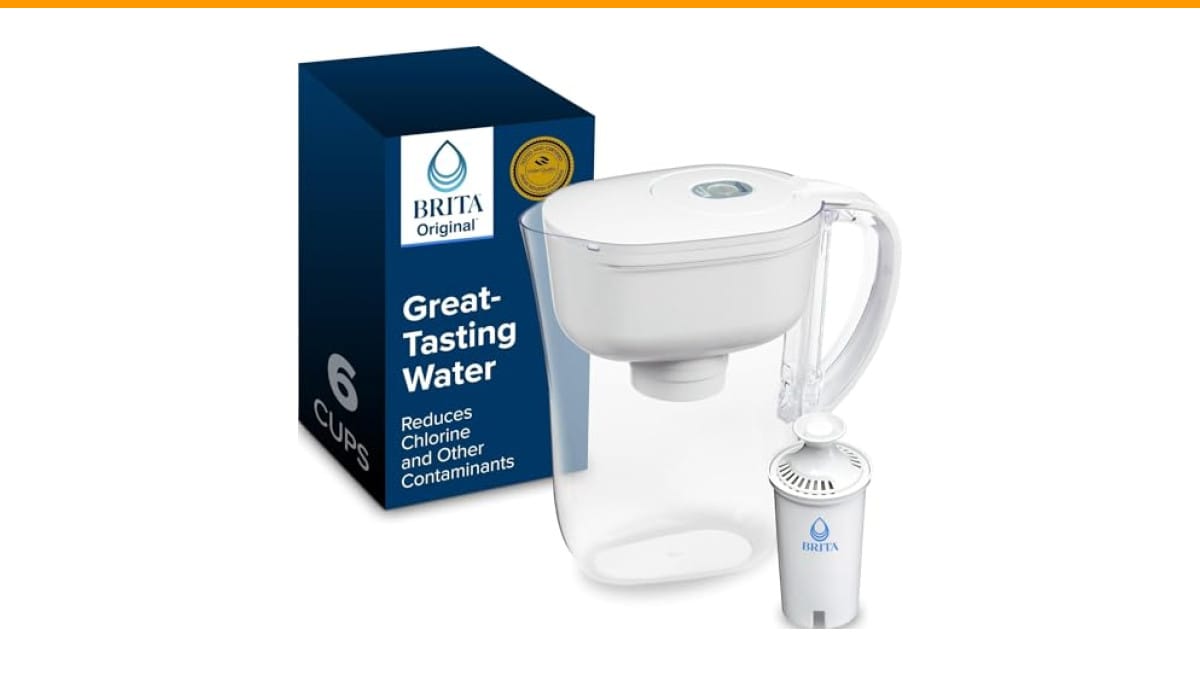
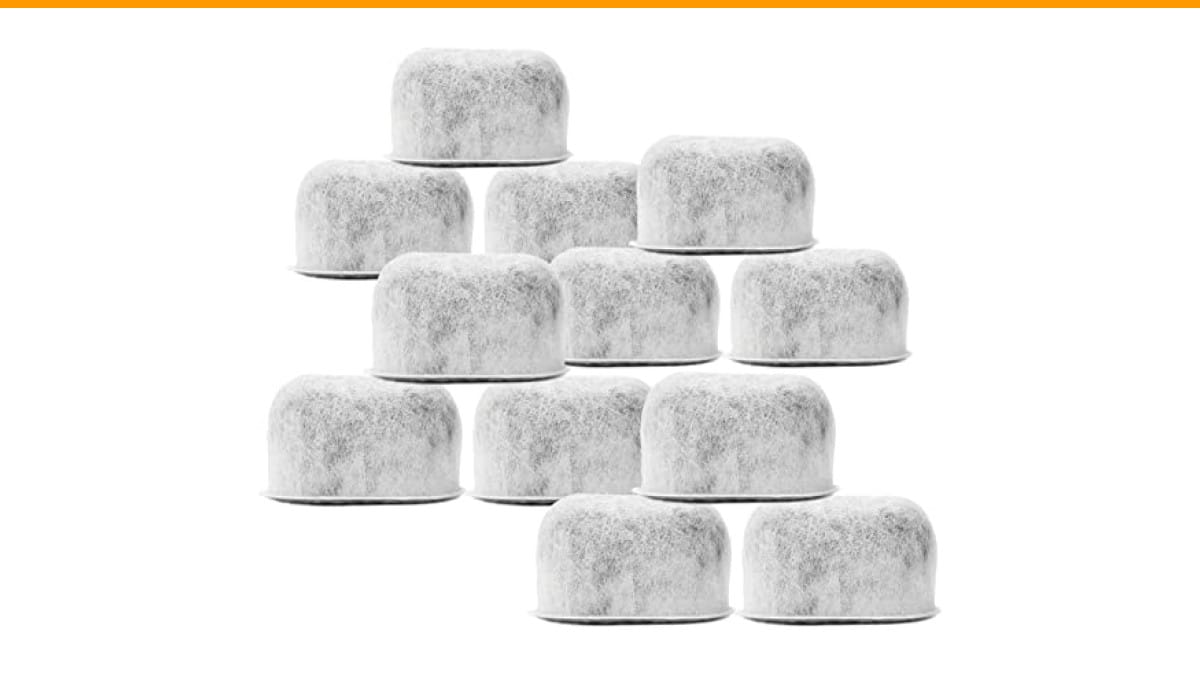
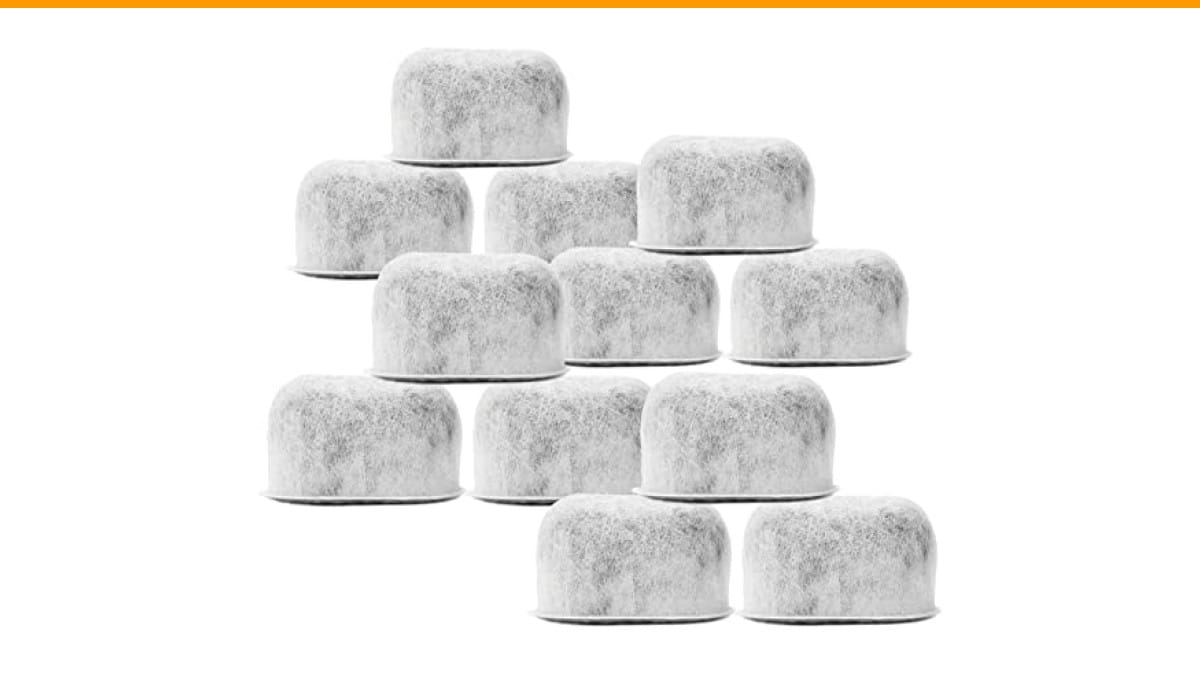
Before touching the descaling solution, empty the water reservoir completely. Stale water dilutes the descaler and messes with the concentration. Remove any water filters too — the charcoal in them will absorb the acid and leave your machine under-treated.
Check your machine’s manual for a descale mode. Many modern brewers have one. If yours doesn’t, no problem. The manual brew cycle works fine. The key is running the solution through the same water path your coffee uses, so every internal tube gets flushed.
Mix the descaler according to the bottle instructions. The IMPRESA formula uses four ounces per session — half the bottle — and you’ll add that to the reservoir, then top it off with fresh water to the max fill line. Don’t guess on this. Too little solution won’t break down heavy scale. Too much can leave an acidic aftertaste that takes multiple cycles to clear.
Running the Descale Cycle (Step by Step)
Here’s the sequence that works for virtually every drip machine and most pod brewers:
- Fill the reservoir with the mixed descaling solution.
- Place a large container (at least 10 cups) under the brew basket. You don’t want the solution splashing everywhere.
- Start a brew cycle. Run it until the reservoir is about halfway empty, then turn the machine off.
- Let it sit for 30 minutes. This soak time is what actually dissolves the limescale. Skipping this step is the most common mistake — the solution needs time to work.
- Turn the machine back on and finish the brew cycle.
- Empty the carafe, then refill the reservoir with plain water.
- Run two full cycles with just water to rinse out any remaining solution.
That last rinse step matters. If you skip it, your next cup of coffee will taste like a chemistry lab. Run the rinse cycles until you can’t smell any vinegar-like or acidic odor from the spout.
What Most People Get Wrong About Descaling
The biggest myth is that white vinegar and commercial descaler do the same job. They don’t. Vinegar is acetic acid, which is weaker and leaves a lingering smell. Commercial descalers use sulfamic or citric acid blends designed to dissolve scale quickly without attacking rubber seals and plastic tubing. If you’ve been using vinegar for years, check your machine’s seals for cracks. Vinegar can degrade them over time.
Another misconception: descaling and cleaning are the same thing. Cleaning removes coffee oils and grounds. Descaling removes mineral deposits. They are different tasks that require different products. Running a descale cycle won’t get rid of old coffee residue, and running a cleaning cycle won’t touch limescale. You need both, on separate schedules. Our guide on deep cleaning covers the oil removal side if you need that too.
People also over-descale. Doing it every month is overkill for most homes unless you have extremely hard water. The mineral buildup takes time. Monthly descaling wastes solution and can strip lubricants from moving parts. Stick to every three or four months, or whenever the brew cycle starts taking noticeably longer than it used to.
Comparing Descaling Methods: Commercial vs. DIY
You have three main options when it comes to removing scale. Here’s how they stack up in practice:
| Method | Cost per Use | Effectiveness | Risk Level |
|---|---|---|---|
| Commercial descaler (e.g., IMPRESA) | Low — 4 oz per session | High — formulated for coffee machines | Low — safe for seals and internal parts |
| Citric acid powder | Very low | Good — but requires precise mixing | Medium — too strong can damage aluminum parts |
| White vinegar | Very low | Moderate — takes longer and smells | Medium — can degrade rubber seals |
For a single machine you plan to keep for years, commercial descaler is the safe bet. The cost difference is small when you factor in the risk of replacing a $200 brewer because a DIY mix ate a gasket.
How Often Is Too Often?
Hard water changes the math. If you live in an area with heavy mineral content — you see white spots on your glasses after washing — you might need to descale every two months. If you use filtered water, you can stretch it to six months.
Here’s a practical test: fill the reservoir, run a brew cycle with just water, and taste it. If it tastes flat or metallic, scale is affecting the water. Another sign is slow brewing. A machine that used to make a pot in five minutes but now takes eight is struggling against mineral buildup.
Don’t wait for the machine to start making noises. By then, the scale has already coated the heating element, which makes it less efficient and shortens the machine’s lifespan. Regular descaling is part of proper maintenance that keeps a brewer running for years instead of months.
Common Questions About Descaling, Answered
Can I use descaling solution in a Keurig?
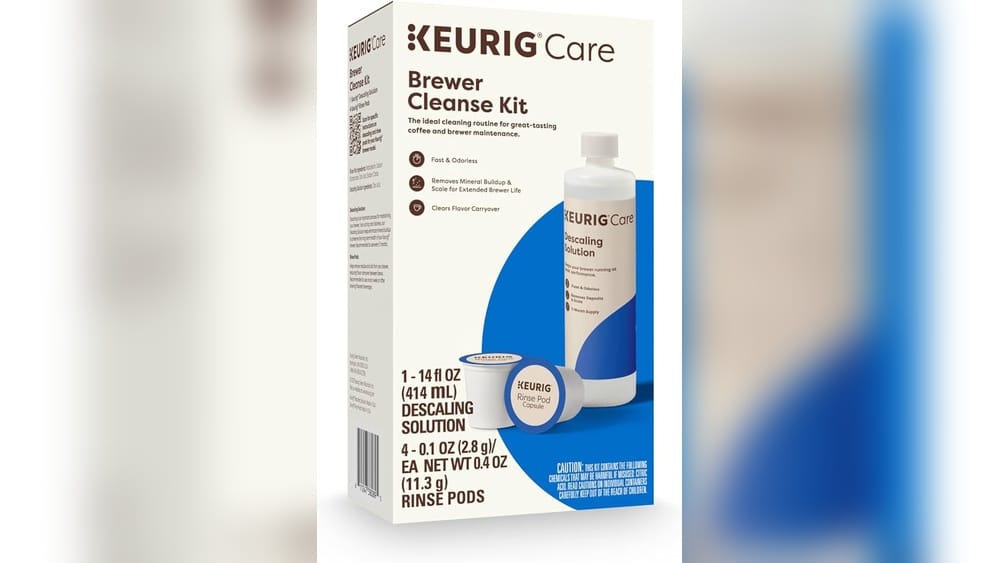
Yes. The IMPRESA solution is explicitly compatible with Keurig machines. Fill the reservoir, run a brew cycle without a pod, and follow the same soak and rinse steps. Keurig’s official descale mode just automates the on/off cycles, but manual works just as well.
What happens if I don’t rinse enough?
You’ll taste it. Leftover descaling solution is acidic and will make your coffee sour. If you notice a strange aftertaste after descaling, run another full water cycle. Sometimes it takes three or four rinses to clear every line, especially in machines with long internal tubes.
Is descaling solution safe for espresso machines?
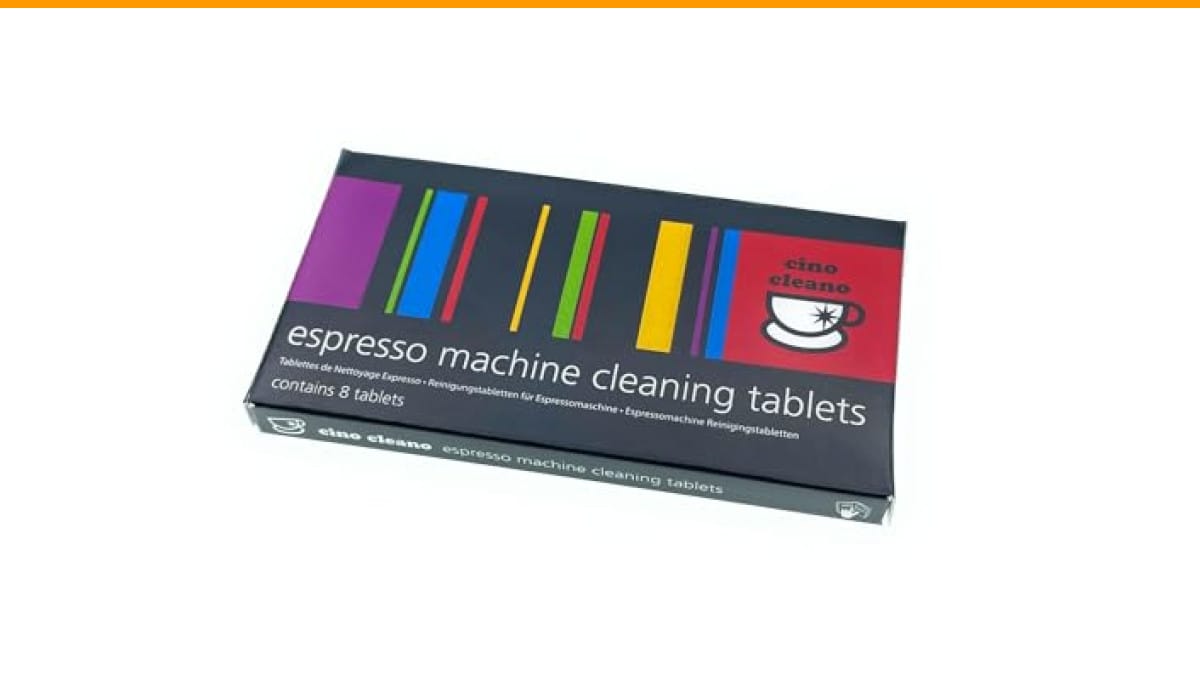
For home espresso machines, yes. But check your manual first. Some high-end espresso machines have specific requirements. If your machine has a dedicated descaling port or a specific procedure, follow that instead of the generic drip method. The chemistry of the solution is fine — the delivery method just needs to match the machine.
Can I descale a pod machine like a Nespresso?
Absolutely. Nespresso machines actually need descaling more often because of their compact boilers. Use the same solution and run a cycle without a pod. Many Nespresso models have a blinking light that signals when descaling is due. Don’t ignore it — that light indicates the machine detected reduced flow.
Does descaling fix a clogged machine?
Sometimes. If the clog is scale buildup, descaling will dissolve it. If the clog is coffee grounds or a broken pump, it won’t help. If you’ve descaled and the machine still drips slowly, you may need to physically clear the lines. Check our guide on clearing clogs for that situation.
What to Do After You’ve Descaled
Once the rinse cycles are done, wipe down the exterior and the drip tray. Run one final brew with a fresh filter and toss that coffee — it’s just for flushing the system. Then brew a real cup and taste it. The difference is usually noticeable. Cleaner, brighter flavor without that stale mineral bite.
Track your descaling dates. Write the date on the bottle with a marker or set a reminder on your phone. Because the IMPRESA pack comes with two bottles and each bottle does two sessions, you can mark the bottle after each use. That way you know when it’s time to order more.
If you’re still using tap water, consider switching to filtered water. It won’t eliminate the need to descale, but it will slow down the buildup. You’ll descale less often and extend the time between sessions.
One last thing: don’t store the mixed solution. If you mix more than you need, throw it out. The solution loses strength once diluted, and sitting in a plastic container for weeks isn’t good for the container or the solution.
Quick Reference: Descaling Do’s and Don’ts
- Do remove the water filter before starting.
- Do use the full soak time — 30 minutes minimum.
- Do run at least two rinse cycles after descaling.
- Don’t use vinegar on a machine with rubber seals you care about.
- Don’t descale more than once a month unless your water is extremely hard.
- Don’t skip the descale mode if your machine has one.
- Don’t reuse diluted solution — mix fresh each time.
Descaling is one of those chores that feels intimidating until you’ve done it once. After that, it’s routine. Your coffee tastes better, your machine runs faster, and you avoid an expensive replacement down the road. Set a reminder for three months from now and get it done.
Products related to this article
Sponsored / affiliate links. As an Amazon Associate I earn from qualifying purchases. I may earn additional commission from eligible campaigns.
 Coffee Espresso Machine Handle Replacement Parts, Cafe Bracket Handle for Lidl Silvercrest CM4621 CM4218 KF5002 KF500S Barista (for 51mm Portafilter Basket - Not included)
 Quick Heating Cup Warmer, Three Temperature Settings, Splashproof and Portable, for Coffee, Milk, Lightweight ABS Material
 SOLUSTRE Electric USB Coffee Cup Warmer with Temperature Settings Portable Milk and Beverage Heating Coaster for Office Desk Small Lightweight Design Easy to Clean Surface Multi Functional