You pulled a shot this morning, and it took 45 seconds instead of 27. The crema looked thin, and the stream was dripping, not flowing. That’s the machine telling you it’s time for maintenance, not a new grinder. Most home baristas ignore this until the pump sounds like a dying blender.
Keeping a semi automatic espresso machine in good shape isn’t complicated, but it does require a routine. You need to clean the group head, backflush with detergent, descale the boiler, and replace the water filter on a schedule. This guide walks you through each step with the exact intervals and the tools you need, so you don’t have to guess or pay a repair tech $150 for something you can do in 20 minutes.

Tillbrook
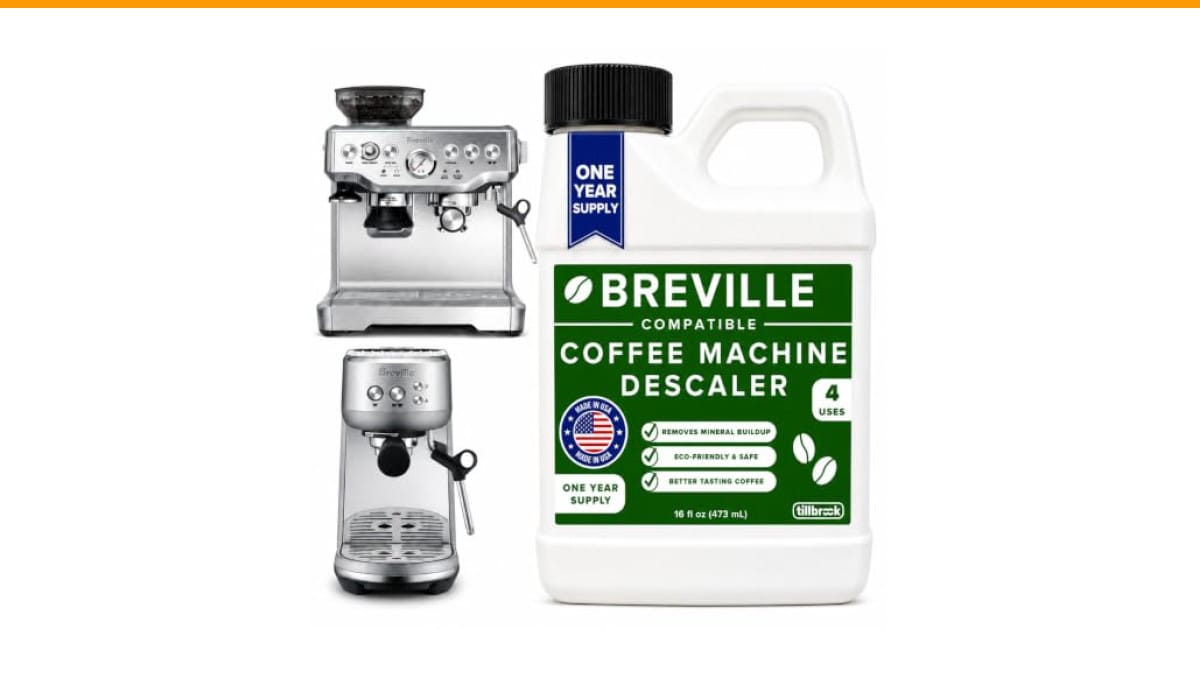
Breville Espresso Machine Compatible Descaler, 4 Uses,…
- EXCEPTIONAL RESULTS: Introducing Tillbrook Coffee Machine Descaler specifically formulated for Breville—the best choice for removi…
- 1 YEAR SUPPLY: Our concentrated formula is easy to use and provides remarkable value with 4 cleanings per bottle. Simply add 1/2 c…
- SCIENTIFICALLY ENGINEERED: Our advanced descaling solution is carefully crafted with powerful, all-natural ingredients that remove…
As an Amazon Associate I earn from qualifying purchases.
You’ll leave this article knowing what to do daily, weekly, and monthly, plus which cleaning products are worth your money and which ones are a waste. Let’s get into the routine that actually works.
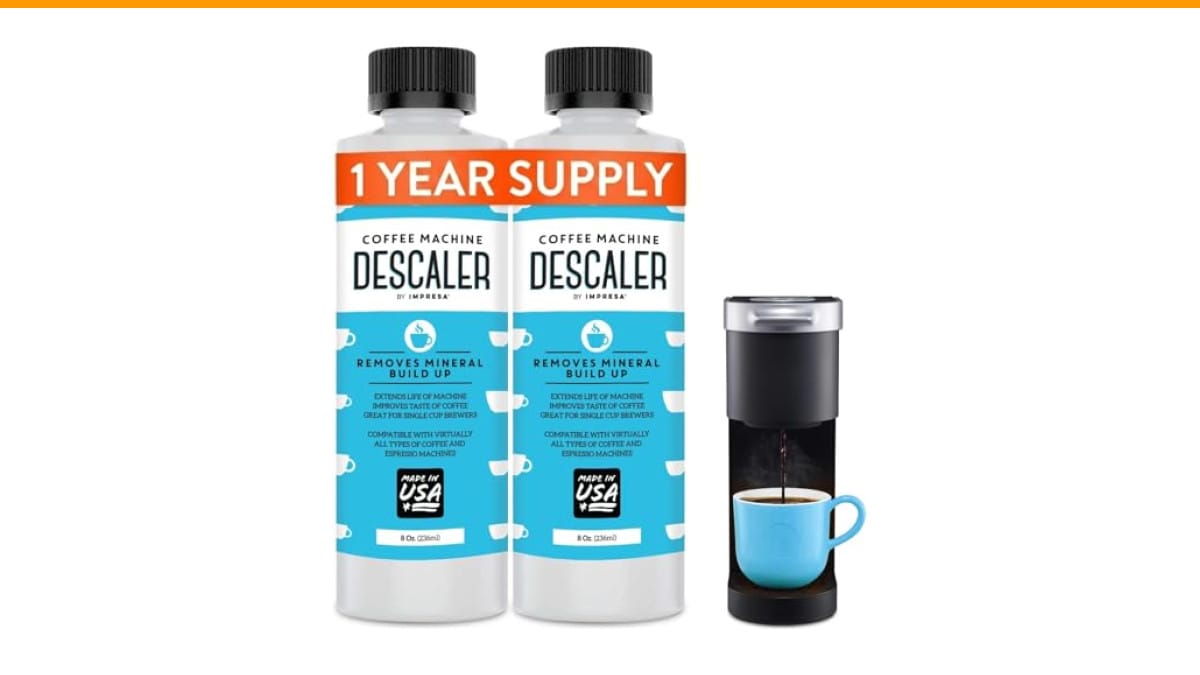
For the descaling step, a solid option is the Tillbrook Breville Descaler. It’s a concentrated formula that handles four cleanings per bottle, which covers a full year if you descale every three months. It’s tested on most major brands, so it’s a safe bet if you’re not sure what to buy.
Daily Maintenance: The 2-Minute Habit You Can’t Skip
Think of the group head like a frying pan. If you leave oil on it overnight, it bakes on and gets harder to remove. Same thing happens with coffee oils inside your machine.
Every day, after your last shot, do this:
- Remove the portafilter and knock out the puck.
- Run plain water through the group head for 5 seconds to rinse loose grounds.
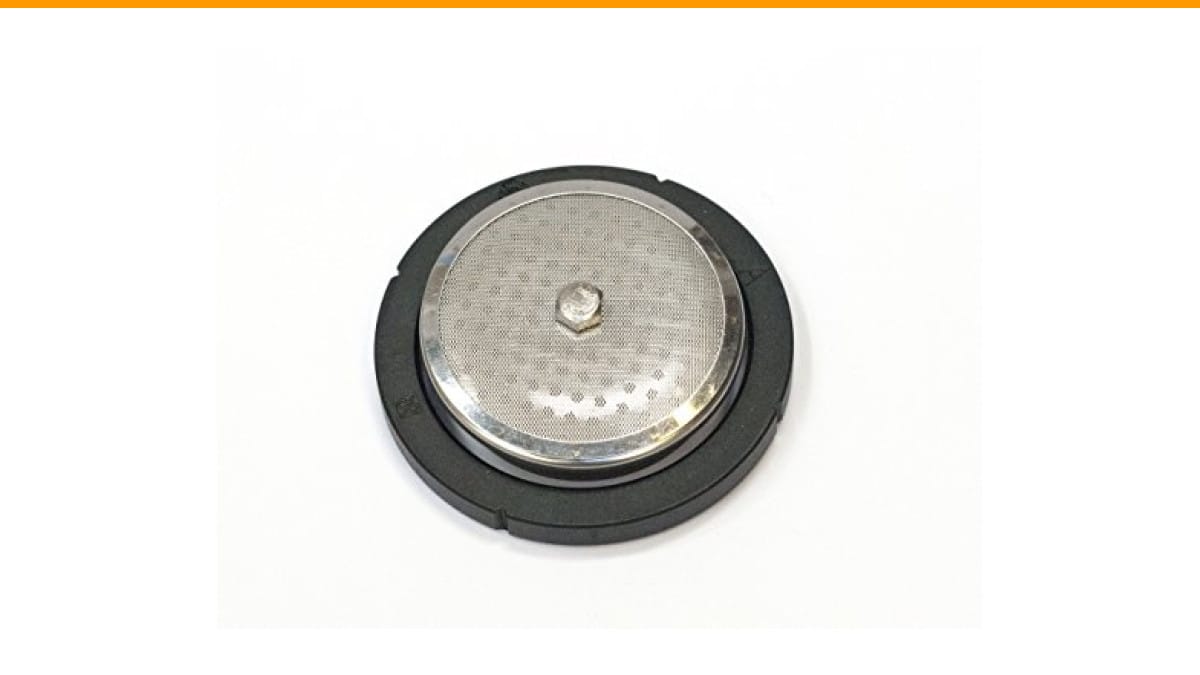
- Wipe the group head gasket and the shower screen with a damp cloth.
- Rinse the portafilter and basket under hot water. No soap needed—soap leaves a residue that ruins the next shot.
That’s it. Two minutes. If you do this every single day, you’ll avoid the nasty black sludge that builds up behind the shower screen. I’ve seen machines where the owner skipped this for a month, and the screen looked like a tar pit. Don’t be that person.
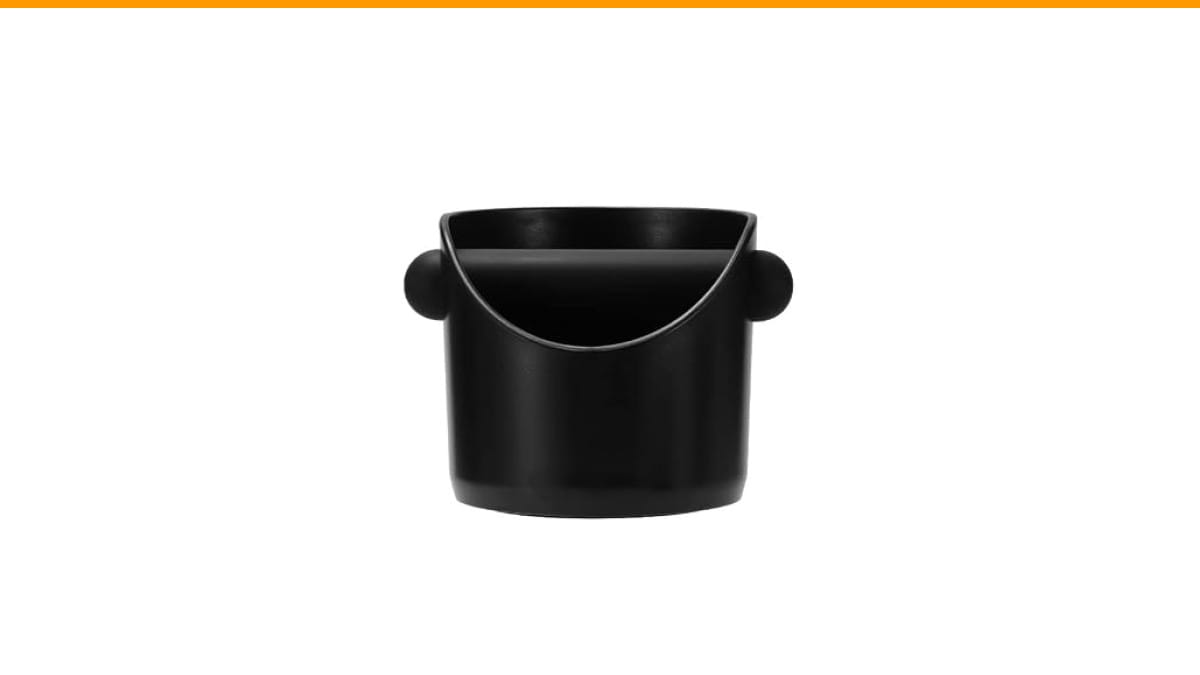
One thing to note: don’t knock the portafilter on the edge of the trash bin. That dents the ears and breaks the seal. Tap it down on a wooden cutting board or use a knock box.
Weekly Backflushing: The Real Clean
Daily rinsing handles the surface, but coffee oils and residue get packed into the group head and the three-way solenoid valve. That’s where backflushing comes in.
Backflushing pushes water backward through the group head to flush out the oils that regular brewing can’t reach. You need a blind basket (a basket with no holes) and a cleaning detergent made for espresso machines. Don’t use dish soap—it creates foam and doesn’t break down coffee oil properly.
Here’s the process:
- Put the blind basket in the portafilter.
- Add a small amount of espresso machine cleaning powder (about half a gram, roughly the size of a pea).
- Lock the portafilter into the group head.
- Run the brew cycle for 10 seconds, then stop.
- Wait 30 seconds. Let the detergent soak.
- Repeat the 10-second on, 30-second off cycle 5 times.
- Remove the portafilter, rinse the blind basket, and run clean water through the group head for 10 seconds.
- Repeat the full cycle one more time with just water to rinse out all detergent.
Do this once a week if you pull 2-3 shots a day. If you only pull one shot on weekends, you can stretch it to every two weeks. The water coming out of the group head should be clear after the final rinse. If it’s still cloudy, run another rinse cycle.
I skipped this for three weeks once, and my shots started tasting sour. Backflushing fixed it immediately. It’s the single most effective maintenance step for flavor.
Monthly and Quarterly: Descaling the Boiler
Backflushing cleans the group head, but it doesn’t touch the boiler. Hard water leaves calcium and limescale deposits inside the boiler and the heating element. Over time, those deposits insulate the heating element, making it work harder and eventually fail.
How often you descale depends on your water hardness. If you use filtered or bottled water, every 3-4 months is fine. If you use tap water and live in a hard water area, do it monthly. Check your machine’s manual—most manufacturers specify a schedule.
The descaling process:
- Empty the water tank.
- Mix the descaling solution with water according to the instructions. For the Tillbrook descaler, that’s 4 oz of concentrate plus water to fill the tank.
- Run the solution through the machine. Some machines have a descale mode; others just require running a brew cycle until the tank is empty.
- Fill the tank with fresh water and run two full tanks through to rinse out all the descaling solution.
Don’t skip the rinse step. Leftover descaling solution tastes bitter and acidic, and it can corrode the internals if left sitting. A thorough rinse is non-negotiable.
If you’re not sure which method works for your machine, read our guide on descaling coffee machines for a step-by-step breakdown that covers most models.
Water Quality and Filters: The Fix Nobody Talks About
Here’s the truth: the best maintenance you can do is prevent the problem. Hard water is the #1 killer of espresso machines. It’s not the pump or the group head—it’s scale.
Use filtered water or bottled water with low mineral content. Don’t use distilled water, though. It’s too pure and can actually strip minerals from the metal components over time. Look for water with a total dissolved solids (TDS) level between 100-150 ppm.
If your machine has a removable water filter (like a charcoal filter in the reservoir), replace it every 2-3 months. Mark it on your calendar. The filter softens the water and reduces scale buildup, which means you don’t have to descale as often.
I use a simple Brita pitcher for my machine. It’s not perfect, but it cuts the scale buildup by half compared to my hard tap water. A $20 pitcher is cheaper than a $200 boiler replacement.
For a deeper look at keeping your whole setup alive longer, check out coffee machine longevity tips.
Comparing Maintenance Approaches: What Actually Works
| Method | Frequency | Time Needed | Tools Required | Best For |
|---|---|---|---|---|
| Daily rinse | Every use | 2 minutes | Damp cloth | Preventing oil buildup |
| Backflush with detergent | Weekly | 10 minutes | Blind basket, espresso cleaner | Removing coffee oils |
| Descale boiler | Every 1-3 months | 20-30 minutes | Descaling solution, water | Removing limescale |
| Water filter replacement | Every 2-3 months | 5 minutes | New filter | Preventing scale |
| Deep clean (shower screen, gasket) | Monthly | 15 minutes | Screwdriver, brush | Removing stubborn residue |
Notice that descaling and backflushing are different things. Many people confuse them. Backflushing cleans the group head; descaling cleans the boiler. You need both.
If you skip the deep clean, the shower screen can get clogged. That leads to uneven extraction and channeling. A simple brush and a soak in warm water with a drop of detergent will bring it back to life. See our deep cleaning guide for the full process.
Common Mistakes That Shorten Machine Life
Most maintenance failures aren’t from doing nothing—they’re from doing the wrong thing. Here are the mistakes I see most often.
Using vinegar to descale. Vinegar is acidic, but it’s not formulated for espresso machines. It can leave a smell and residue that’s hard to rinse out. Use a proper descaler. It’s cheap and designed for the job.
Over-tightening the portafilter. You don’t need to crank it. Just turn it until it’s snug, about 90 degrees past the notch. Over-tightening wears out the gasket and can crack the group head.
Ignoring the drip tray. The drip tray collects water and coffee residue. If you let it sit for days, it grows mold. Empty and rinse it daily if you can.
Not replacing the gasket. The group head gasket wears out after 6-12 months. When you notice the portafilter feels loose or water leaks around the edges, replace the gasket. It’s a $10 part and a 5-minute job.
For troubleshooting specific issues like noise or leaks, check our guides on loud espresso machines and water leaks.
Frequently Asked Questions
How often should I descale my semi automatic espresso machine?
Every 3-4 months with filtered water, or monthly with hard tap water. The descaling solution needs to break down calcium deposits before they harden. If you see white flakes in your water tank or the steam wand sputters, it’s time to descale.
Can I use regular dish soap to clean the portafilter?
No. Dish soap leaves a film that kills crema and adds a soapy taste to your next shot. Use hot water and a brush for daily cleaning. If you need to remove stubborn oils, use a dedicated espresso machine cleaner.
What’s the difference between backflushing and descaling?
Backflushing cleans the group head and solenoid valve by forcing water backward through the system. It removes coffee oils. Descaling cleans the boiler and internal pipes by dissolving mineral deposits. You need both, on different schedules.
Is it safe to run descaling solution through the steam wand?
Yes, but you don’t need to. The steam wand only passes steam, so it doesn’t build up scale as fast as the boiler. If you want to clean the wand, wipe it after each use and purge it for 2 seconds to clear milk residue.
My espresso tastes bitter even after cleaning. What’s wrong?
Cleaning won’t fix a grinding or dosing problem. If you’ve backflushed and descaled, check your grind size and dose. Bitter shots usually mean the grind is too fine or you’re over-extracting. Try a coarser grind or a shorter shot time.
What to Do This Week
You don’t need to overhaul everything at once. Start with these steps:
- Rinse the group head and portafilter after every shot today.
- Pick up a blind basket and espresso cleaner for backflushing.
- Schedule a 20-minute block this weekend to backflush your machine.
- Check your water source. If it’s tap water, buy filtered water or a pitcher filter.
- Order a descaler if you haven’t descaled in the last 3 months. The Tillbrook descaler is a solid choice for most machines.
- Look at your group head gasket. If it’s cracked or hard, replace it.
- Empty and wipe down the drip tray.
That’s a manageable list. Do these, and your machine will pull consistent shots for years. Skip them, and you’ll be shopping for a new machine or paying for a repair that costs more than the machine is worth.
Maintenance isn’t glamorous, but it’s the difference between a $500 machine that lasts 10 years and one that dies in 3. Your future self—and your morning coffee—will thank you.
Products related to this article
Sponsored / affiliate links. As an Amazon Associate I earn from qualifying purchases. I may earn additional commission from eligible campaigns.
 Coffee Espresso Machine Handle Replacement Parts, Cafe Bracket Handle for Lidl Silvercrest CM4621 CM4218 KF5002 KF500S Barista (for 51mm Portafilter Basket - Not included)
 Linnkyfloa Coffee Espresso Maker Handle Replacement for Stovetop Moka Pot or Percolator, Black Plastic for Spare Part Compatible with Italian(9-12 Cup)
 Wrenmor Replacement Handle For Coffee Espresso Moka Stove Pot, Black Plastic Accessory Compatible With 1/3/6/9/12 Cup Sizes For Easy Installation And Long-Lasting Use(1 Cup)