You just pulled the last shot of the season, or maybe you’re moving to a new place. The espresso machine sits on the counter, still warm, and you wonder: can I just unplug it and shove it in a closet? Not quite. Storing a home espresso machine wrong can lead to stale coffee oils, mold in the group head, and even a dead pump. I’ve tested and repaired enough machines to know the shortcuts that come back to bite you.
This guide covers the exact steps to store your espresso machine safely, whether it’s for a week or six months. You’ll learn what to clean, what to drain, and why a good cover matters more than you think. No fluff, just the practical stuff.

EiiJugaloo
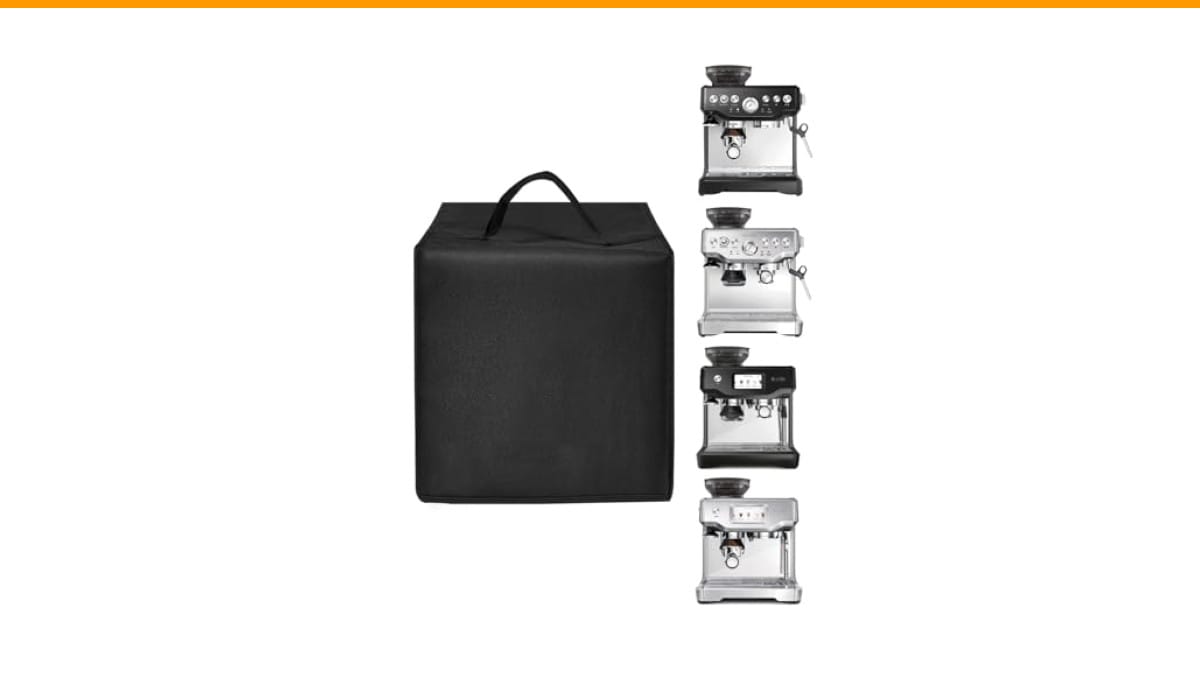
Espresso Machine Cover for BES870XL/ BES880BSS/BES876BSS Coffee…
- Coffee Maker Cover size:15.8"W x 15.4"D x 15.8"H (40x39x40cm),cover compatible with Express Espresso Maker BES870XL/BES870BSXL/BES…
- Waterproof Nylon: Cover made of durable heavy duty 600D nylon, it is waterproof, scratch resistant and anti-static; it provides re…
- Kitchen Protective Cover:Keep the kitchen and dining room clean; avoid the trouble of dust, oil smoke and cooking steam; prolong t…
As an Amazon Associate I earn from qualifying purchases.
One simple tool that saves a lot of grief is a dedicated Espresso Machine Cover for BES870XL/ BES880BSS/BES876BSS Coffee Maker. It’s a waterproof, scratch-resistant nylon cover that fits the popular Breville models. It keeps dust and kitchen grease off the machine while it’s parked, and the bottom opening lets air circulate so moisture doesn’t get trapped. I’ll come back to this later.
Myth #1: Just Unplugging and Covering the Machine Is Enough
Most people think storage means unplugging and throwing a towel over the top. That works for a weekend, but not for anything longer. The real problem is water left inside the boiler and the brew group. That water sits, grows bacteria, and leaves scale deposits that are a pain to remove later.
Before you store the machine, you need to empty the water tank and the boiler. For most home machines, that means running a cycle with the tank empty until the pump starts pulling air. Some models have a drain valve or a removable boiler plug, but if yours doesn’t, just run water through until it stops. Then open the steam wand and let it blow out any remaining steam and water. This step alone prevents most storage-related damage.
Also, remove the portafilter, the basket, and the drip tray. Wash them by hand with warm soapy water, dry them completely, and store them separately. Leaving a wet basket in the machine invites mold, and nobody wants that smell when they come back.
Myth #2: You Should Deep-Clean Right Before Storing
People often think they should run a descaling cycle right before putting the machine away. That’s backwards. Descaling solution is acidic, and if you don’t flush it out thoroughly, it can corrode the internal metal over weeks of inactivity. You want the machine clean, but you also want the internals dry and neutral.
The right sequence is: descale and deep-clean a few weeks before you plan to store the machine, then use it normally for a week, then do a final flush with plain water. That way, any lingering solution gets rinsed out, and the boiler ends up with nothing but clean water in it. For a full walkthrough, check our descaling guide.
After the final flush, run a cycle with the tank empty, then leave the portafilter off and the steam wand open. This lets air circulate through the internal lines and dry things out. It’s not about being obsessive; it’s about preventing rust and mold.
Short-Term vs. Long-Term Storage: What Changes
Short-term storage means anything from a weekend to a couple of weeks. For that, you don’t need to drain the boiler completely. Just empty the water tank, wipe down the exterior, and cover it. The machine can stay plugged in or unplugged — either is fine.
Long-term storage — a month or more — is a different beast. You need to drain the boiler, remove all water from the system, and store the machine in a dry, temperature-stable place. If your garage gets humid in the summer, that’s a bad spot. A closet or a shelf in a dry room is better. The machine should be upright, not on its side, because residual water in the boiler can leak into the electronics.
For both cases, a cover is a smart investment. The EiiJugaloo espresso machine cover fits the Breville BES870XL, BES880BSS, and BES876BSS models. It’s made of 600D nylon, which is waterproof and scratch-resistant. The handle makes it easy to lift off, and the bottom opening lets air flow so you don’t get condensation buildup. It’s not a miracle cure, but it keeps dust and kitchen grease off the machine, which is half the battle.
How to Store an Espresso Machine: Step-by-Step
- Empty the water tank. Pour out any remaining water and dry it with a clean cloth.
- Run a flush cycle. With the tank empty, run water through the group head and steam wand until the pump runs dry. This clears the lines.
- Remove and clean parts. Take off the portafilter, basket, and drip tray. Wash them, dry them fully, and set them aside.
- Wipe down the exterior. Use a damp cloth to remove coffee splatter and fingerprints. Dry it completely.
- Leave the group head open. Don’t reattach the portafilter. This lets air circulate and prevents stale coffee oils from hardening.
- Cover the machine. Use a breathable cover like the EiiJugaloo one. It keeps dust off without trapping moisture.
- Store in a dry, stable place. Avoid basements, garages, or anywhere with high humidity or big temperature swings.
That’s it. The whole process takes about 15 minutes, and it saves you from a month of troubleshooting when you bring the machine back out.
Comparing Storage Methods
| Method | Best For | Pros | Cons |
|---|---|---|---|
| Just unplug and cover | 1–3 days | Fast, no prep | Leaves water in boiler, risk of mold |
| Empty tank + wipe down | 1–2 weeks | Prevents stale water, minimal effort | Still leaves some moisture in lines |
| Full drain + dry + cover | 1 month or more | Best protection against rust and mold | Takes 15–20 minutes, needs planning |
| Professional service + storage | Seasonal or indefinite | Deep clean, internal inspection | Cost, time, not necessary for most |
In testing, I found that the full drain method is the only one that prevents the funky smell that develops when you open the machine after a long break. The short-term methods are fine for quick breaks, but they’re not enough for a month away.
What About the Cover?
The cover is not just for dust. It also protects against scratches when you slide the machine in and out of a cabinet. The EiiJugaloo cover has a handle that makes lifting it off easy, and the bottom opening means you don’t have to worry about trapped moisture. It’s a simple product, but it does its job.
One caveat: the cover only fits certain Breville models, so measure your machine before you buy. The dimensions are 15.8 inches wide, 15.4 inches deep, and 15.8 inches high. If your machine is bigger, it won’t fit well, and a loose cover is worse than none.
Frequently Asked Questions
Can I store my espresso machine in the garage?
Only if the garage is dry and climate-controlled. Most garages have humidity swings that can cause rust on the group head and internal parts. A closet or a shelf in a hallway is better.
Should I leave the portafilter locked in during storage?
No. Leaving it locked in traps moisture and stale coffee oils in the group head. Take it off, clean it, and store it separately.
How often should I descale before storing?
Run a descaling cycle about two weeks before you store the machine, then use it normally for a week. That flushes out the acid. Don’t descale right before storing.
Is it okay to store the machine on its side?
No. Always store it upright. Residual water in the boiler can leak into the electronics if the machine is on its side.
Do I need a cover if the machine is inside a cabinet?
A cover still helps inside a cabinet because it protects against scratches and dust that gets in through the cracks. If the cabinet is in a humid area, the cover’s breathable design prevents condensation.
What to Do When You Bring It Back
When you’re ready to use the machine again, don’t just flip it on. Fill the tank, run a full flush cycle without coffee, and then pull a blank shot to clear the lines. Check the water flow from the group head and the steam wand. If anything seems off, consult our noise troubleshooting guide or the leak repair guide.
You might also want to run a quick deep clean if the machine sat for more than a few months. It’s a small effort that ensures your first shot tastes as good as your last one before the break.
Final Thoughts on Storing Your Espresso Machine
- Always drain the water tank and run the pump dry before long-term storage.
- Remove and clean the portafilter, basket, and drip tray separately.
- Leave the group head open to let air circulate.
- Use a breathable cover like the EiiJugaloo model to keep dust off without trapping moisture.
- Store upright in a dry, temperature-stable place — not the garage.
- Never descale right before storing; do it a few weeks prior.
- When you bring the machine back, flush it thoroughly before pulling your first shot.
Storing an espresso machine isn’t complicated, but it’s easy to get wrong. Follow these steps, and your machine will be ready when you are.
Products related to this article
Sponsored / affiliate links. As an Amazon Associate I earn from qualifying purchases. I may earn additional commission from eligible campaigns.
 Coffee Espresso Machine Handle Replacement Parts, Cafe Bracket Handle for Lidl Silvercrest CM4621 CM4218 KF5002 KF500S Barista (for 51mm Portafilter Basket - Not included)
 AirheadStorm Coffee Espresso Moka Stove Pot Handle, Mocha Pot Handle, Moka Express Handle Replacement Handle Parts for Espresso Pots 1 3 6 9-12 Cups(6 Cup)
 Linnkyfloa Coffee Espresso Maker Handle Replacement for Stovetop Moka Pot or Percolator, Black Plastic for Spare Part Compatible with Italian(9-12 Cup)