You just spent twenty minutes descaling your machine. You rinsed everything, wiped the group head, and ran a cycle. Then you brewed a cup, took a sip, and winced. It tastes worse than before the scrub. Bitter, sharp, almost metallic. This happens to nearly everyone at some point, and it is rarely a sign your machine is broken.
The bitterness after cleaning usually comes down to three things: leftover cleaning chemicals, a change in water chemistry, or a shift in your machine’s temperature behavior. Understanding which one is causing your problem is the difference between a quick fix and a week of drinking bad coffee.

IMPRESA
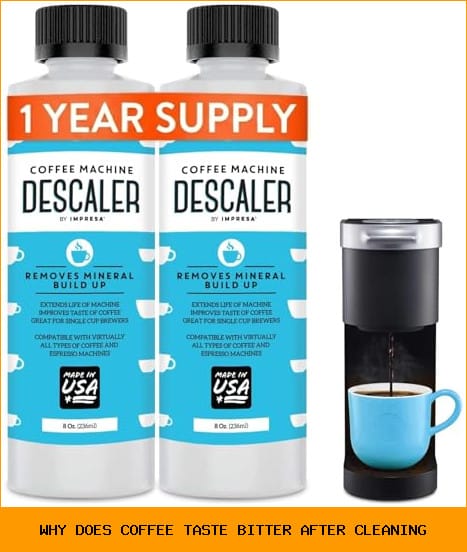
IMPRESA Coffee Machine Descaler, 2-Pack (1-Year Supply)…
- 2-Pack Coffee Descaler and Cleaner - Clean and rinse away residue and oil buildup in your coffee maker with Impresa's Coffee Desca…
- Highly Effective, Made in USA Formula - Unlike most common solutions, our coffee machine cleaner uses just 4 ounces (1/2 bottle) p…
- Preserves Your Machine - Using a coffee descaling solution eliminates limescale and mineral build-up to prevent corrosion, signifi…
As an Amazon Associate I earn from qualifying purchases.
This article walks through each cause with specific numbers and conditions, so you can diagnose your machine in minutes and get back to brewing clean, balanced coffee.
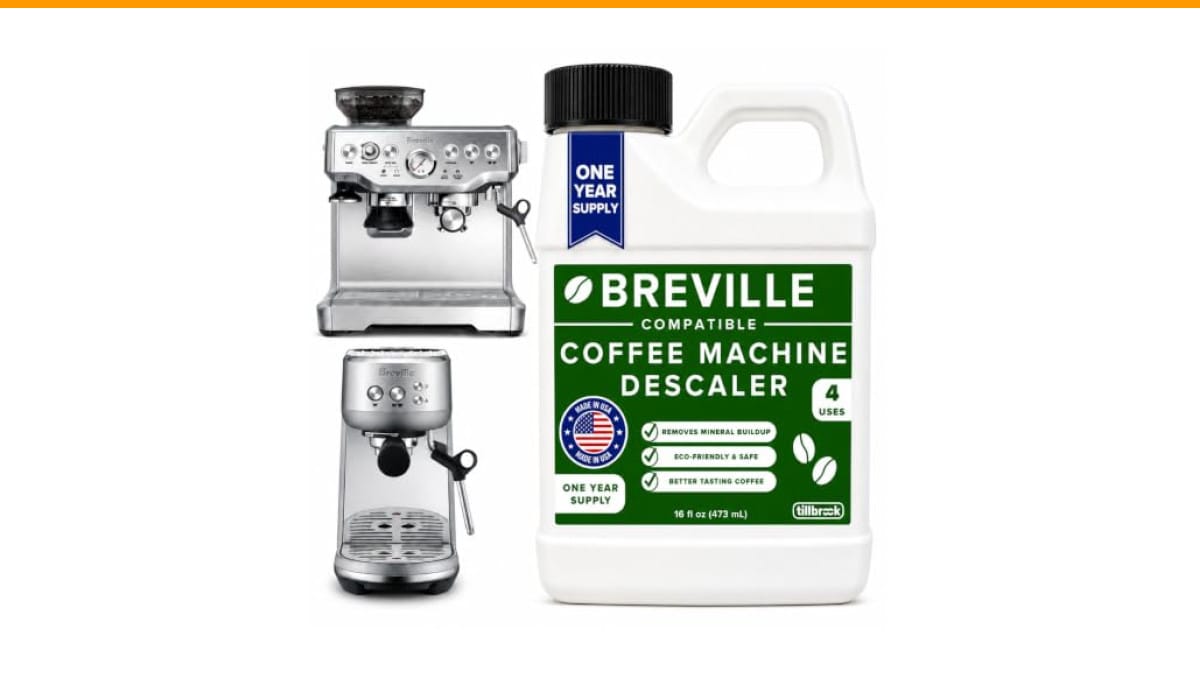
If you are using a descaler that leaves residue behind, a product like the Check Price on Amazon can help. It uses a 4-ounce dose per session and is formulated to rinse away mineral buildup without leaving a soapy film. That said, even the best descaler will cause bitterness if you skip the final rinse cycles. More on that below.
Cause #1: Leftover Descaling Solution in the Lines
Most descaling solutions are acidic. Citric acid, lactic acid, or sulfamic acid are common. These acids dissolve limescale, but they also taste awful. If even a small amount remains in the boiler, heating element, or brew lines, it will leach into your next cup.
How much is too much? Most manufacturers recommend a 1:1 or 1:2 ratio of descaler to water. After descaling, the machine needs to run at least two full tanks of fresh water through the system. Some machines, like certain Breville models, require three or four cycles to fully clear the lines. If you ran one tank and stopped, you likely have residual acid sitting in the system.
The solution is simple: run more water. Fill the reservoir with fresh, cold water and run a full brew cycle without coffee. Dump the water. Repeat until the reservoir is empty. Then fill it again and run another full cycle. If you still taste a chemical or metallic note, run a third tank. It feels wasteful, but it is cheaper than a ruined bag of beans.
Proper cleaning methods always include a thorough rinse phase. Skipping it is the most common mistake people make.
Cause #2: Water Chemistry Changed After Descaling
Descaling does more than remove limescale. It strips the thin layer of minerals that coat the inside of your boiler and brew lines. Fresh water that hits those bare metal surfaces can pick up trace amounts of metal ions, especially if your machine has an aluminum boiler. Those ions add a sharp, bitter, almost astringent taste to the coffee.
This effect is usually temporary. After a few brew cycles, the metal surfaces re-coat with minerals from your water, and the taste normalizes. But if you live in an area with very soft water, it can take longer. Soft water has fewer minerals to deposit, so the bare metal stays exposed.
One fix is to run a sacrificial brew cycle. Brew a pot of plain water, discard it, and then brew another. That first pass picks up the loose ions. Another option is to use a water filter in your reservoir. A simple carbon filter will reduce the metallic taste while your machine re-stabilizes.
Temperature also plays a role here. A freshly descaled machine may heat water slightly faster because there is no scale acting as an insulator. If your brew water hits 205°F instead of 198°F, you will extract more bitter compounds from the coffee. This is especially noticeable with dark roasts.
Cause #3: Over-Extraction from a Cleaner Basket
Here is a counterintuitive one. Before cleaning, your portafilter basket or filter holder might have had a thin layer of coffee oil. That oil actually slows water flow slightly. After a deep clean, the basket is bare and the holes are fully open. Water flows through faster, but also more evenly. That sounds good, but it changes your extraction dynamics.
If you grind the same beans at the same setting as before, the water now passes through the puck differently. You might get channeling, where water finds a path through the coffee instead of extracting evenly. Channeling leads to over-extraction in some areas and under-extraction in others. The over-extracted parts taste bitter and dry.
The fix is to re-calibrate your grind. After cleaning, pull a shot and taste it. If it tastes bitter, grind slightly coarser. If it tastes sour or thin, grind finer. Expect to adjust your grind size by one or two steps on most grinders. This is not a defect; it is just a new baseline.
| Cause of Bitterness | How to Identify It | Quick Fix | Time to Fix |
|---|---|---|---|
| Residual descaler | Chemical, metallic, or soapy taste | Run 2–3 full tanks of fresh water through the machine | 10–15 minutes |
| Bare metal surfaces | Sharp, astringent bitterness that fades over time | Brew and discard 1–2 pots of plain water | 5 minutes |
| Faster heating / higher temp | Bitter with dark roasts, especially right after cleaning | Let machine cool 10 minutes, then brew at lower temp if adjustable | 15 minutes |
| Changed extraction flow | Bitter and dry, sometimes with uneven flow | Grind coarser by 1–2 steps | Immediate |
How to Prevent This Next Time
You do not need to avoid cleaning. You just need to build in a proper rinse routine. Here is a sequence that works for most drip machines and espresso machines:
- Run the descaling cycle per the manufacturer’s instructions.
- After it finishes, fill the reservoir with fresh water.
- Run a full brew cycle without coffee. Discard the water.
- Repeat step 3 until the reservoir is empty.
- Fill the reservoir again and run one more full cycle. This is your safety net.
- Brew a small batch of coffee with cheap beans. Taste it. If it is clean, brew with your good beans.
This extra water run costs about a dollar in water and electricity. It saves you from wasting a $20 bag of specialty coffee. Worth it.
If you are dealing with a stubborn clog or heavy scale buildup, you might need a deeper cleaning approach. But for routine maintenance, the rinse cycle is the most important step.
When to Descaling Frequency Matters
Descaling too often can also cause bitterness. If you descale every two weeks, you are stripping your machine’s internal surfaces constantly. That keeps the metal bare and leaves you with that metallic taste more often. Most manufacturers recommend descaling every 3 to 6 months, depending on water hardness.
If you have soft water, stretch it to 6 months. If you have hard water, stick to the 3-month mark. A simple test strip from a hardware store tells you your hardness level. Knowing that number saves you from guessing.
There is also a difference between descaling and cleaning. Descaling removes mineral scale. Cleaning removes coffee oil residue. You need both, but they are not the same thing. Regular cleaning prevents oil buildup that turns rancid and adds bitter notes. Descaling prevents limescale that affects heating. Doing one without the other leaves your coffee tasting off.
Frequently Asked Questions
Why does my coffee taste like soap after cleaning?
That is almost certainly leftover cleaning solution. Dish soap or a coffee cleaner that was not fully rinsed. Run several full cycles of plain water through the machine. If the soapy taste persists after three tanks, you may need to disassemble the water path and hand-wash the parts. Do not use dish soap on internal components; it leaves a film that is hard to remove.
How many times should I rinse after descaling?
At least two full reservoirs of fresh water. Some machines with larger boilers need three. The safest approach is to run water until the reservoir is empty, refill, and run again. If you still taste a chemical note, run a third. There is no downside to extra rinsing except time.
Can descaling damage my coffee maker?
Using the wrong descaler can. Some descalers contain harsh acids that corrode aluminum boilers. Check your machine’s manual for approved descalers. Using a universal product like the IMPRESA solution is generally safe for most machines, but always follow the dilution ratio. Over-concentrated descaler can eat away seals and gaskets.
Why does my espresso taste bitter but my drip coffee tastes fine?
Espresso machines have a smaller water path and higher pressure. Residual descaler concentrates in the boiler and group head. Drip machines flush more water through the system, diluting any leftover chemicals. If your espresso tastes bitter after cleaning, run a few blank shots (water only) through the group head before brewing.
Is it safe to drink coffee from a machine that was just descaled?
It is safe after a proper rinse. The amounts of citric or lactic acid left behind are not dangerous, but they taste terrible and can irritate your stomach if consumed in large quantities. The bigger risk is that the bitter taste ruins your coffee. Rinse thoroughly and you are fine.
What to Do Right Now
- Run two full reservoirs of fresh water through your machine right now. Just water, no coffee.
- Brew a test cup with cheap beans. If it tastes clean, move on to your good beans.
- If bitterness remains, grind coarser by one or two steps on your next brew.
- Check your water hardness. If you have soft water, descale less often (every 6 months).
- Mark your calendar for the next descale in 3–4 months. Do not guess.
- Keep a vinegar-based alternative in mind if you prefer a natural option, but rinse even more thoroughly with vinegar.
- If the bitter taste lasts more than three brew cycles, re-read the extraction section above and adjust your grind.
The bitterness after cleaning is a fixable problem, not a permanent flaw. A little patience with the rinse cycle and one grind adjustment usually solves it. Your next cup will taste like the machine you paid for.
Products related to this article
Sponsored / affiliate links. As an Amazon Associate I earn from qualifying purchases. I may earn additional commission from eligible campaigns.
 Quick Heating Cup Warmer, Three Temperature Settings, Splashproof and Portable, for Coffee, Milk, Lightweight ABS Material
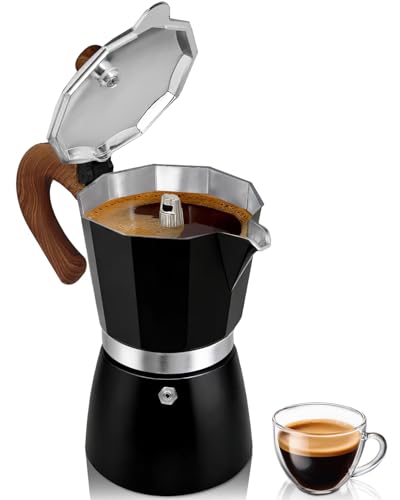 Belly Moka Coffee Maker Stovetop Espresso Maker 9 Cup Aluminum Moka Pot Percolator 15oz 450ml Easy Brewing for Electric Ceramic Stoves Home Camping Italian Cuban Café Classic Black
 Belly Moka Coffee Maker Stovetop Espresso Maker 6 Cup Aluminum Moka Pot Percolator 10oz 300ml Easy Brewing for Electric Ceramic Stoves Home Camping Italian Cuban Café Classic Silver